Introduction
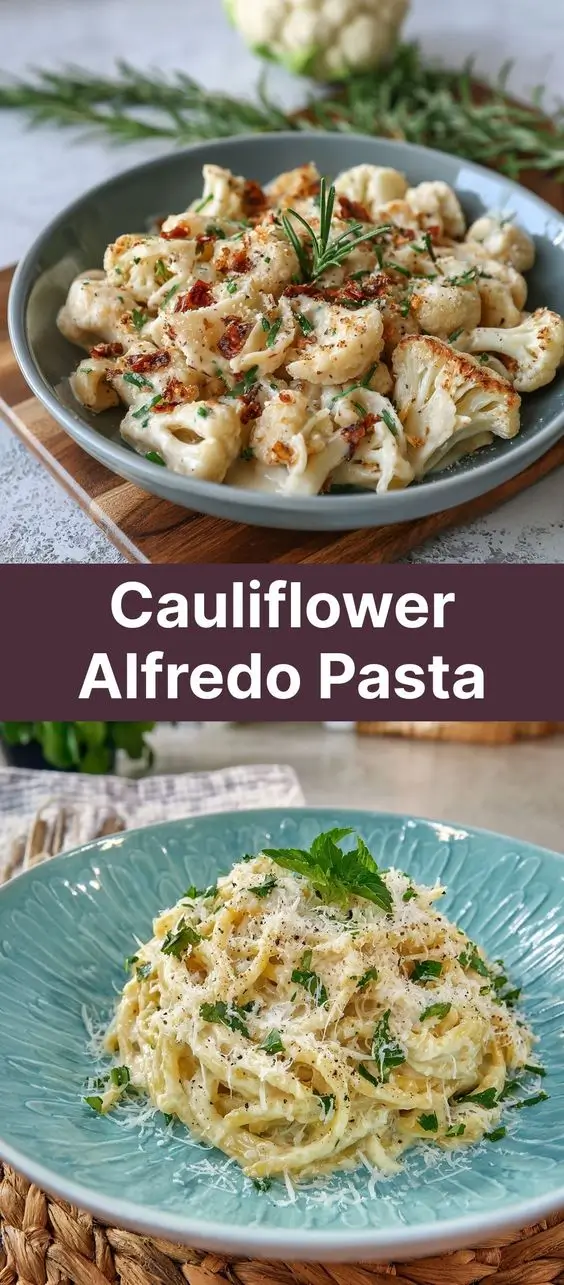
Cauliflower Alfredo Pasta is a modern, health-conscious twist on the classic Italian comfort dish that has graced dinner tables for generations. While traditional Alfredo pasta relies heavily on heavy cream, butter, and Parmesan to achieve its rich, velvety texture, this innovative version swaps out those calorie-dense ingredients for something surprisingly nutritious: cauliflower. Yes, the humble cruciferous vegetable takes center stage in this creamy, dreamy sauce, delivering a silky consistency without sacrificing flavor. Perfect for anyone looking to enjoy a comforting bowl of pasta while sticking to clean eating goals, this recipe is ideal for vegetarians, gluten-free dieters (when using GF pasta), and even those exploring dairy-free or low-carb lifestyles. Whether you’re cooking for one, feeding a family, or preparing meals ahead of time, Cauliflower Alfredo Pasta offers a guilt-free indulgence that doesn’t compromise on taste.
The History
The origins of traditional Alfredo sauce trace back to early 20th century Rome, where restaurateur Alfredo di Lelio first created the now-iconic dish known as “Fettuccine al Forno” — later simplified to “Fettuccine Alfredo.” Di Lelio developed the recipe around 1914 to entice his wife’s appetite during pregnancy, crafting a luscious blend of butter and Parmigiano-Reggiano cheese tossed with freshly made fettuccine. The dish gained international fame when American tourists visiting Italy raved about it, eventually bringing the concept back across the Atlantic. Over time, especially in the United States, the recipe evolved — often incorporating heavy cream, garlic, and additional seasonings to suit broader palates. However, as dietary preferences shifted toward plant-based and nutrient-rich options in the late 20th and early 21st centuries, home cooks and chefs alike began experimenting with lighter alternatives. Enter the cauliflower revolution: starting in the 2010s, food bloggers and wellness influencers popularized using steamed and blended cauliflower as a base for sauces, soups, and even pizza crusts. Its mild flavor, high water content, and natural creaminess made it an ideal candidate for reinventing rich dishes like mac and cheese and, notably, Alfredo. Today, Cauliflower Alfredo Pasta stands as a testament to culinary innovation — honoring tradition while embracing modern nutrition and inclusivity.
Ingredients Breakdown
The brilliance of Cauliflower Alfredo Pasta lies not only in its flavor but also in the thoughtful selection of wholesome, accessible ingredients that come together harmoniously. Each component plays a vital role in building layers of richness, texture, and nutrition:
- Fresh Cauliflower: The star of the show. When steamed until tender and pureed, cauliflower transforms into a smooth, creamy base that mimics the mouthfeel of dairy-heavy sauces. It’s low in calories, high in fiber, and packed with vitamins C and K, making it both delicious and nourishing.
- Garlic: Adds depth and aromatic warmth. Freshly minced or roasted garlic enhances the savory profile without overpowering the dish.
- Nutritional Yeast: A staple in vegan kitchens, this deactivated yeast provides a cheesy, umami flavor that closely resembles Parmesan. It’s also rich in B-vitamins, protein, and adds a golden hue to the sauce.
- Lemon Juice: A small splash brightens the entire dish, cutting through the richness and balancing the earthiness of the cauliflower. It also helps preserve the vibrant color of the sauce.
- Olive Oil or Butter: For richness and silkiness. Use extra virgin olive oil for a dairy-free version or unsalted butter for a more traditional touch. Some recipes use a combination of both for optimal flavor.
- Vegetable Broth: Used to thin the sauce to the perfect consistency. Low-sodium broth ensures control over salt levels while adding subtle savoriness.
- Salt and Pepper: Essential for seasoning. Sea salt enhances all other flavors, while freshly cracked black pepper adds a gentle heat and complexity.
- Dried Herbs: Typically nutmeg (a classic in Alfredo), thyme, or Italian seasoning can be added to deepen the flavor profile.
- Pasta: While fettuccine is traditional, many opt for whole wheat, chickpea, lentil, or gluten-free varieties to increase protein and fiber. Shorter shapes like penne or rotini work well too, especially for trapping the thick sauce.
- Optional Add-ins: Include sautéed mushrooms, spinach, sun-dried tomatoes, grilled chicken, shrimp, or roasted vegetables for added texture and nutrition.
Step-by-Step Recipe
- Prepare the Cauliflower: Remove the leaves and stem from one medium head of cauliflower. Cut into small, evenly sized florets — this ensures uniform cooking. Rinse thoroughly under cold water.
- Steam Until Tender: Place the florets in a steamer basket over boiling water. Cover and steam for 12–15 minutes, or until very soft when pierced with a fork. Alternatively, microwave the florets with a few tablespoons of water for 8–10 minutes. Do not boil, as this can make the cauliflower watery and dilute the flavor.
- Cook the Pasta: While the cauliflower steams, bring a large pot of salted water to a boil. Cook your chosen pasta according to package instructions until al dente. Reserve about ½ cup of pasta water before draining, then set aside.
- Sauté the Aromatics: In a small skillet, heat 1–2 tablespoons of olive oil or butter over medium heat. Add 2–3 cloves of minced garlic and sauté for 1–2 minutes until fragrant but not browned. This step intensifies the garlic flavor and removes any raw bite.
- Blend the Sauce Base: Transfer the steamed cauliflower to a high-speed blender or food processor. Add the sautéed garlic (and oil/butter), ¼ cup nutritional yeast, juice of half a lemon, ½ teaspoon salt, ¼ teaspoon black pepper, a pinch of nutmeg, and ¼ cup warm vegetable broth. Blend until completely smooth, scraping down the sides as needed. If necessary, add more broth, 1 tablespoon at a time, to reach a thick but pourable consistency — similar to heavy cream.
- Combine Pasta and Sauce: Return the drained pasta to the pot. Pour the cauliflower Alfredo sauce over the noodles and toss gently to coat evenly. If the sauce is too thick, add reserved pasta water a little at a time until desired creaminess is achieved.
- Warm Through: Place the pot over low heat and stir for 2–3 minutes to warm everything together. Avoid boiling, which could break down the sauce’s texture.
- Taste and Adjust: Sample the dish and adjust seasoning as needed — more salt, pepper, lemon juice, or nutritional yeast can enhance flavor balance.
- Serve Immediately: Divide into bowls and garnish with fresh parsley, red pepper flakes, or a sprinkle of vegan Parmesan or real grated Pecorino Romano if not dairy-free.
Tips
- Choose the Right Cauliflower: Look for heads with tight, white florets and no browning or moisture. Fresher cauliflower yields better flavor and texture.
- Don’t Skip Steaming: Raw cauliflower won’t blend smoothly and may leave a grainy texture. Always cook it fully before blending.
- Use a High-Speed Blender: A Vitamix or Blendtec works best for achieving a truly creamy, restaurant-quality sauce. Food processors can work but may leave slight grittiness.
- Roast for More Flavor: For a deeper, nuttier taste, try roasting the cauliflower with olive oil and garlic at 400°F (200°C) for 25–30 minutes instead of steaming.
- Boost Umami: Add a teaspoon of white miso paste, a dash of soy sauce (or tamari for gluten-free), or a spoonful of capers to enhance savoriness without compromising the creamy profile.
- Make Ahead: The sauce can be prepared up to 3 days in advance and stored in an airtight container in the refrigerator. Reheat gently with a splash of broth or water to restore creaminess.
- Freeze for Later: The sauce freezes well for up to 3 months. Thaw overnight in the fridge and re-blend or whisk vigorously after reheating.
- Perfect Pasta Water: Salting the pasta water generously (like the sea) seasons the noodles from within and improves overall flavor integration.
- Avoid Overcooking: Keep the pasta al dente so it holds up when mixed with the sauce. Mushy pasta ruins the texture.
- Add Protein Smartly: Toss in cooked chickpeas, grilled tofu, tempeh, or shredded rotisserie chicken to turn this into a complete meal.
Variations and Customizations
Cauliflower Alfredo Pasta is incredibly versatile, lending itself to countless adaptations based on dietary needs, ingredient availability, or creative inspiration:
- Vegan Alfredo: Stick to olive oil, nutritional yeast, and plant-based broth. Ensure pasta is egg-free. Top with cashew Parmesan or hemp seeds for extra richness.
- Dairy-Infused Version: For those who aren’t strictly vegan, stir in 2–3 tablespoons of cream cheese, Greek yogurt, or shredded sharp cheddar after blending for an ultra-luxurious texture.
- Low-Carb/Keto Option: Replace pasta with spiralized zucchini (zoodles), spaghetti squash, or shirataki noodles. Increase healthy fats by adding avocado or toasted pine nuts.
- Gluten-Free: Use certified gluten-free pasta made from brown rice, quinoa, or corn. Always check labels on broth and nutritional yeast to ensure cross-contamination hasn’t occurred.
- Spicy Kick: Infuse the sauce with red pepper flakes, cayenne pepper, or a swirl of sriracha. Garnish with pickled jalapeños for tangy heat.
- Creamy Mushroom Alfredo: Sauté sliced cremini or shiitake mushrooms in garlic and thyme, then fold into the finished dish for an earthy, gourmet touch.
- “Green” Alfredo: Blend in a handful of steamed spinach or kale along with the cauliflower for added nutrients and a vibrant hue.
- Lemon-Herb Alfredo: Add fresh basil, dill, or tarragon to the sauce, along with extra lemon zest, for a bright, summery variation.
- Seafood Alfredo: Stir in flaked salmon, seared scallops, or sautéed shrimp just before serving for a decadent twist.
- Bacon Lover’s Version: Crumble cooked turkey bacon or pancetta on top for a smoky, salty contrast (not vegetarian).
Health Considerations and Nutritional Value
Cauliflower Alfredo Pasta is widely celebrated not just for its taste but also for its impressive nutritional advantages over traditional Alfredo. Let’s break down what makes this dish a healthier alternative:
- Lower in Calories: Traditional Alfredo sauce can contain over 400 calories per serving due to butter and cream. In contrast, cauliflower-based sauce averages between 150–200 calories per cup, depending on added oils and toppings.
- Rich in Fiber: Both cauliflower and whole-grain or legume-based pastas contribute significant dietary fiber, supporting digestive health, blood sugar regulation, and satiety.
- High in Antioxidants: Cauliflower contains glucosinolates and isothiocyanates — compounds studied for their potential anti-cancer properties. It’s also rich in vitamin C, which supports immune function and collagen production.
- Supports Heart Health: By replacing saturated fats with heart-healthy monounsaturated fats from olive oil, this dish promotes better cholesterol levels and cardiovascular wellness.
- Low Glycemic Index: Especially when paired with lentil or chickpea pasta, this meal causes a slower rise in blood glucose, making it suitable for diabetics or those managing insulin sensitivity.
- Dairy-Free & Vegan-Friendly: Ideal for individuals with lactose intolerance, milk allergies, or ethical dietary choices. Nutritional yeast provides B12, which is often lacking in plant-based diets.
- Reduced Sodium Option: Unlike store-bought sauces that can be loaded with salt, homemade versions allow full control over sodium content — simply use low-sodium broth and season mindfully.
- Weight Management Support: With fewer calories and higher volume from vegetables, this dish helps promote fullness without excess energy intake, aiding in sustainable weight loss or maintenance.
That said, it’s important to remain mindful of portion sizes and added fats. While olive oil is healthy, it’s calorie-dense — moderation is key. Additionally, some store-bought nutritional yeasts may contain additives; always read labels if following a strict clean-eating regimen.
Ingredients
- 1 medium head of cauliflower, cut into florets
- 2–3 cloves garlic, minced
- ¼ cup nutritional yeast (or grated Parmesan for non-vegan)
- 2 tablespoons extra virgin olive oil (or unsalted butter)
- Juice of ½ lemon (about 1–2 tablespoons)
- ½ teaspoon sea salt (adjust to taste)
- ¼ teaspoon freshly ground black pepper
- Pinch of ground nutmeg (optional but recommended)
- ¼–½ cup warm vegetable broth (low-sodium preferred)
- 8 oz (225g) pasta of choice (fettuccine, penne, or gluten-free alternative)
- Reserved pasta water, as needed
- Optional garnishes: chopped parsley, red pepper flakes, vegan Parmesan, toasted breadcrumbs, or sunflower seeds
Directions
- Steam the cauliflower florets over boiling water for 12–15 minutes until fork-tender. Set aside to cool slightly.
- In a small pan, heat olive oil over medium heat. Add minced garlic and sauté for 1–2 minutes until fragrant. Remove from heat.
- Bring a large pot of salted water to a boil. Cook pasta according to package directions until al dente. Drain, reserving ½ cup of starchy water.
- In a high-speed blender, combine steamed cauliflower, sautéed garlic (with oil), nutritional yeast, lemon juice, salt, pepper, nutmeg, and ¼ cup vegetable broth.
- Blend on high for 1–2 minutes, stopping to scrape down the sides as needed, until the sauce is completely smooth and creamy. Add more broth if necessary to reach a thick but fluid consistency.
- Return the cooked pasta to the pot. Pour the cauliflower Alfredo sauce over the noodles and toss well to coat.
- If the mixture seems too thick, gradually add reserved pasta water, 1–2 tablespoons at a time, until the sauce clings beautifully to the pasta.
- Place over low heat and warm for 2–3 minutes, stirring constantly. Do not boil.
- Taste and adjust seasoning — add more salt, lemon juice, or nutritional yeast as desired.
- Divide into serving bowls and garnish with fresh herbs, red pepper flakes, or a sprinkle of cheese. Serve immediately.
FAQ
Can I make Cauliflower Alfredo ahead of time?
Yes! The sauce can be made up to 3 days in advance and stored in an airtight container in the refrigerator. Reheat gently on the stove with a splash of broth or water to restore creaminess. Assemble with freshly cooked pasta when ready to serve.
Why is my sauce grainy?
This usually happens if you’re using a low-powered blender or didn’t cook the cauliflower enough. Make sure the florets are very soft before blending, and use a high-speed blender for the smoothest results. Re-blending with a bit more liquid can help.
Can I freeze Cauliflower Alfredo Pasta?
The sauce freezes exceptionally well for up to 3 months. However, freezing the assembled dish with pasta may result in softer noodles upon thawing. It’s best to freeze the sauce separately and toss with freshly cooked pasta later.
Is this recipe really creamy without dairy?
Absolutely! The natural starches and water content in cauliflower create a surprisingly rich and velvety texture when blended properly. Adding a bit of olive oil or nutritional yeast enhances the mouthfeel, mimicking the fat content of dairy.
What can I substitute for nutritional yeast?
If unavailable, you can use 2–3 tablespoons of grated Parmesan (if not vegan) or omit it entirely. While the cheesy flavor will be reduced, adding extra garlic, lemon, and a dash of Dijon mustard can help compensate.
Can I use frozen cauliflower?
Yes, but fresh is preferred. If using frozen, thaw completely and drain any excess water to prevent a watery sauce. You may need to reduce the amount of broth added during blending.
How do I make it nut-free?
This recipe is naturally nut-free as written. Just ensure any optional toppings (like pesto or certain vegan cheeses) don’t contain nuts, and double-check ingredient labels if allergies are a concern.
Can I make this oil-free?
Yes! Omit the olive oil and use additional vegetable broth to sauté the garlic and thin the sauce. The result will be slightly less rich but still flavorful and creamy.
Summary
Cauliflower Alfredo Pasta is a nutritious, creamy, and satisfying alternative to traditional Alfredo that doesn’t sacrifice flavor for health. Packed with vegetables, fiber, and customizable to fit various diets, it’s a modern classic for today’s conscious kitchen.