Introduction
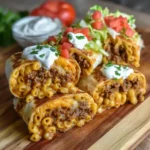
Welcome to the ultimate comfort food experience—Cheesy Queso Smothered Burritos! These aren’t your average weekday wraps; they’re a decadent, soul-warming fusion of bold Mexican-American flavors and rich, velvety cheese sauce that transforms humble ingredients into a restaurant-worthy feast. Imagine tender, seasoned fillings wrapped in warm, pliable flour tortillas—then generously blanketed in a luscious, house-made queso dip that’s creamy, tangy, smoky, and just the right amount of spicy. Whether you’re feeding a hungry family after soccer practice, hosting friends for game day, or treating yourself to a midweek indulgence, these burritos deliver maximum satisfaction with surprising versatility and make-ahead ease. This guide goes beyond a simple recipe—it’s your comprehensive roadmap to mastering every element: from the origins of queso and burrito evolution, to ingredient science, foolproof technique, smart substitutions, nutrition insights, and even clever presentation hacks.
The History
The Cheesy Queso Smothered Burrito is a delicious testament to culinary cross-pollination—a modern American creation born from the joyful collision of two iconic Southwest staples: the burrito and queso dip. The burrito itself traces its roots to northern Mexico in the 19th century, where farmworkers rolled beans, meat, and rice into flour tortillas for portable, hearty meals. It crossed into the U.S. Southwest with migration and evolved dramatically—especially post-WWII—with Tex-Mex innovations like the inclusion of cheddar, sour cream, and pre-shredded cheeses. Meanwhile, queso—the Spanish word for “cheese”—as a dip has deep ties to Texas. Authentic *queso fundido* (melted cheese) dates back centuries in Mexico, often made with Oaxaca or Asadero. But the Americanized version—smooth, pourable, orange-hued, and studded with roasted chiles—emerged in early 20th-century Texas cafés and drive-ins, popularized by brands like Velveeta in the 1930s–40s as a convenient, shelf-stable base. The “queso-smothered” concept gained traction in the 1980s and ’90s at regional chains (think Chili’s, Baja Fresh, and local Tex-Mex diners), where chefs began drizzling warm queso over fajitas, nachos—and eventually, whole burritos. Today, this dish represents more than nostalgia; it reflects America’s love affair with customizable, shareable, cheese-forward comfort food—and the ongoing reinvention of tradition through accessibility, creativity, and flavor-first thinking.
Ingredients Breakdown
Understanding *why* each ingredient matters elevates your queso burrito from good to extraordinary. Let’s explore them—not just as a list, but as functional players in flavor, texture, and chemistry:
- Flour Tortillas (10–12 inch): Opt for fresh, pliable, restaurant-grade tortillas (like Mission Extra Large or Tortilla Land). Their high moisture content and neutral wheat flavor create the ideal canvas—soft enough to roll without cracking, yet sturdy enough to hold up under hot, heavy queso. Avoid ultra-thin or dry store-bought wraps; they’ll tear or become gummy when sauced.
- Protein Base (1½ cups cooked): Ground beef (80/20 fat ratio), shredded chicken (rotisserie or slow-cooked), carnitas, barbacoa, or plant-based crumbles all work—but fat content matters. Beef fat renders and enriches the filling; lean turkey or tofu needs added oil or broth for moisture. Pre-cook and season proteins deeply—cumin, smoked paprika, garlic powder, and a splash of lime juice are non-negotiable for complexity.
- Refried Beans (¾ cup): Use traditional pinto or black bean refritos (canned is fine—look for “no lard” if preferred, but lard adds authentic richness). Warm them gently with a tablespoon of water or broth to loosen; cold, stiff beans create dense, unbalanced burritos. For vegan versions, blend cooked black beans with chipotle, lime, and olive oil for a creamy, smoky spread.
- Roasted Poblano & Jalapeño Blend (½ cup): Roasting removes bitterness and deepens sweetness. Char poblanos over flame or under broiler until blistered, steam in a bowl covered with plastic wrap, then peel, seed, and dice. Add minced raw jalapeño for bright heat. This duo delivers layered capsaicin—not just burn, but fruity, vegetal depth.
- Sharp Cheddar & Monterey Jack Blend (1 cup shredded, cold): Cold shredding prevents clumping. Cheddar brings tang and melt resistance; Monterey Jack adds buttery smoothness and superior stretch. Avoid pre-shredded “anti-caking” cheeses—they contain cellulose and won’t melt cleanly. A small grating of aged Gouda or Cotija on top adds umami punch.
- Queso Sauce Base (The Star): A true queso isn’t just melted cheese—it’s an emulsion. Key components:
- Base Liquid: Whole milk or half-and-half (never skim—fat carries flavor and stabilizes emulsion).
- Acid Agent: White vinegar or lime juice—tiny amounts (¼ tsp) prevent graininess by controlling protein coagulation.
- Thickener: A roux (butter + flour) or cornstarch slurry gives body without gumminess. Roux adds nuttiness; cornstarch yields glossy clarity.
- Cheese Blend: American cheese (yes—its sodium citrate enables ultra-smooth melting), sharp cheddar, pepper jack, and a touch of cream cheese for viscosity and tang.
- Flavor Builders: Diced roasted tomatoes, pickled jalapeño brine, chipotle in adobo (smoky heat), onion powder, garlic powder, and a pinch of cumin.
- Finishing Touches: Fresh cilantro (added *after* saucing to preserve brightness), pickled red onions (for acidity to cut richness), crumbled cotija (saline crunch), avocado slices or guacamole (cooling fat), and a drizzle of crema or sour cream (tangy contrast).
Step-by-Step Recipe
- Prep All Components (30 minutes): Cook and season your protein. Warm refried beans with 1 tbsp broth until spreadable. Roast, peel, and dice poblanos; mince jalapeños. Shred cheeses separately and keep chilled. Make queso sauce (see Directions below) and hold warm in a double boiler or thermos—do not let it boil or sit too long, or it may separate.
- Heat Tortillas (5 minutes): Warm each tortilla individually in a dry cast-iron skillet over medium heat for 20–30 seconds per side—just until pliable and lightly speckled. Stack wrapped in a clean kitchen towel to retain steam and flexibility.
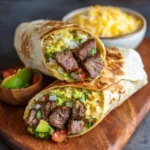
- Assemble Burritos (10 minutes): Lay a warm tortilla flat. Spread 2 tbsp warm refried beans in a 4-inch strip across center. Top with ⅓ cup protein, 1 tbsp roasted poblano-jalapeño mix, and 2 tbsp shredded cheese blend. Fold sides inward, then roll tightly from bottom to seal. Press gently to compact. Repeat for all burritos.
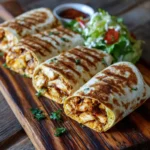
- Grill or Pan-Sear (Optional but Recommended—5 minutes): Heat 1 tsp oil in a skillet over medium-high. Place burritos seam-side down. Cook 2–3 minutes per side until golden brown and crisp. This creates structural integrity and adds caramelized flavor—critical for holding up under queso.
- Warm & Plate (2 minutes): Transfer burritos to a wire rack set over a baking sheet (to prevent sogginess). Keep warm in a 200°F oven while finishing queso.
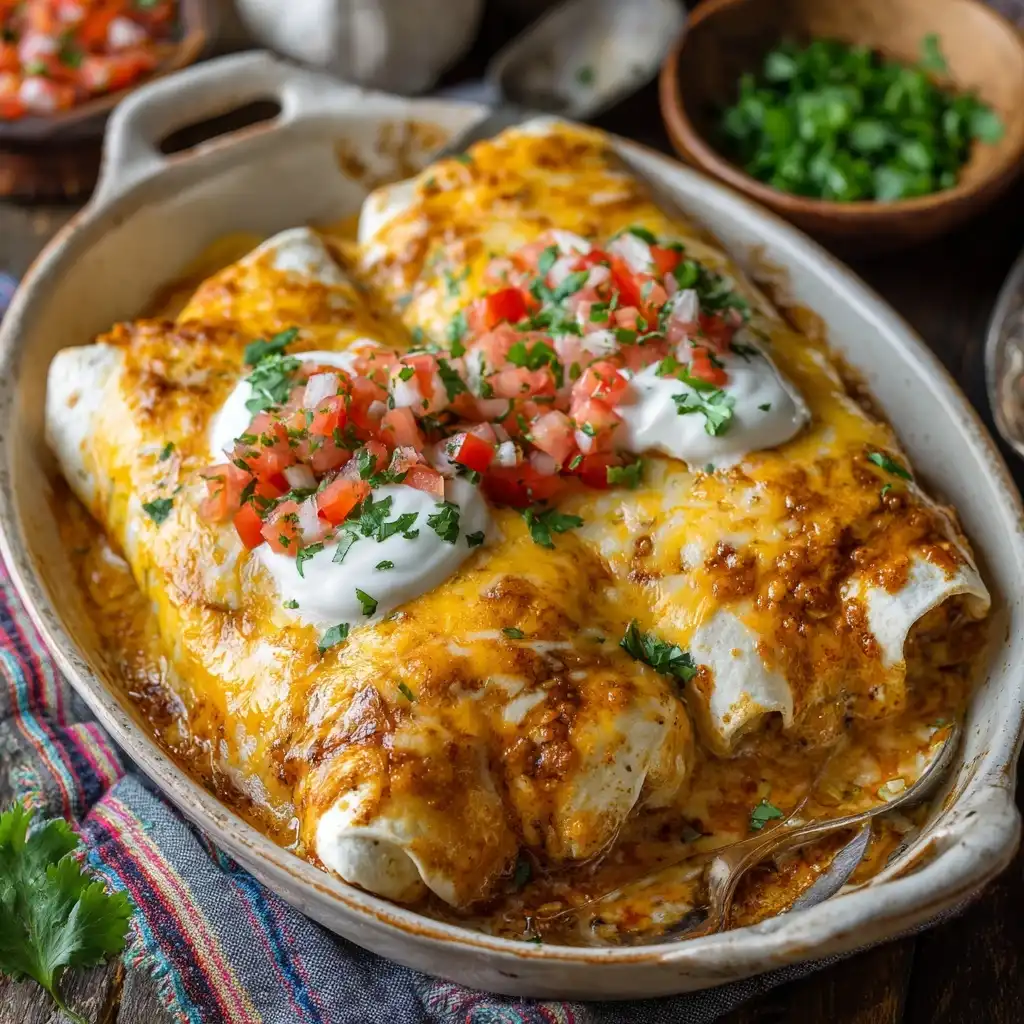
- Sauce Generously (1 minute): Pour ⅓–½ cup warm queso sauce over each burrito, letting it cascade down the sides. Use a spoon to pool extra sauce beneath for dipping. Do not cover—steam will soften the crisp exterior.
- Garnish Thoughtfully (1 minute): Scatter fresh cilantro, pickled red onions, crumbled cotija, and avocado slices. Finish with a zigzag of crema and a light sprinkle of flaky sea salt.
Tips
- Temperature Is Everything: Cold cheese + hot tortilla = optimal melt. Warm tortillas *just before assembling*, not hours ahead. If making ahead, refrigerate assembled (un-sauced) burritos, then reheat in air fryer (375°F for 6–8 mins) before saucing.
- Queso Consistency Hack: If sauce thickens while resting, whisk in 1 tsp warm milk *at a time*. Never add cold liquid—it shocks the emulsion. For reheating leftovers, use low heat and constant stirring; a hand blender can rescue slight separation.
- No-Tear Rolling Technique: Overfilling causes bursts. Stick to ¾ cup total filling per 10-inch tortilla. Roll snugly but gently—imagine tucking the filling in, not squeezing it out.
- Make-Ahead Magic: Prep queso sauce up to 3 days ahead (store covered in fridge). Reheat slowly in saucepan with splash of milk. Roasted peppers and cooked proteins also freeze beautifully for up to 2 months.
- Grill Marks Matter: A well-seared burrito doesn’t just look impressive—it forms a protective crust that resists queso saturation. Don’t skip the pan-sear unless serving immediately after saucing.
- Serving Temperature Strategy: Serve queso *immediately* after pouring—it’s at peak silkiness between 155–165°F. Too hot = greasy; too cool = waxy. Use an instant-read thermometer if unsure.
- Leftover Lifesaver: Unsauced, grilled burritos reheat perfectly in air fryer or toaster oven. Revive queso with a splash of evaporated milk and gentle whisking—it’ll taste freshly made.
Variations and Customizations
This recipe is a vibrant template—adaptable for dietary needs, seasonal produce, global flavors, and pantry constraints:
- Vegan/Vegetarian: Swap beef for walnut-lentil-walnut “chorizo” (sautéed with smoked paprika, cumin, and tamari); use cashew-based queso (blended raw cashews, nutritional yeast, lemon juice, roasted red peppers, and chipotle); top with avocado crema and pickled radishes.
- Gluten-Free: Use certified GF flour tortillas (like Siete Almond Flour or Mission GF) and ensure all seasonings, beans, and queso thickeners (cornstarch, not flour) are GF-certified. Note: GF tortillas are more delicate—skip searing and sauce immediately after assembly.
- Low-Carb/Keto: Replace tortillas with large, grilled portobello caps or collard green wraps. Boost protein with chorizo and scrambled eggs; use queso made with heavy cream, full-fat cheeses, and xanthan gum instead of flour.
- Breakfast Burrito Style: Fill with scrambled eggs, crispy potatoes, chorizo, and queso fresco. Swap queso for a creamy jalapeño-cheddar sauce and garnish with pico de gallo and hot sauce.
- Seafood Twist: Use grilled shrimp or flaked white fish (cod or tilapia) marinated in lime, garlic, and oregano. Add charred corn, black beans, and a queso infused with roasted garlic and a dash of Old Bay.
- Global Fusion: Korean BBQ—marinate beef in gochujang, soy, ginger, and brown sugar; add kimchi slaw and queso blended with miso paste and sesame oil. Mediterranean—spiced lamb, tzatziki-swirled queso, kalamata olives, and mint.
- Smoky Campfire Version: Grill burritos directly over charcoal, turning frequently. Finish with queso infused with mesquite liquid smoke and garnish with grilled scallions and lime wedges.
- Mini Appetizer Burritos: Use 6-inch tortillas, reduce fillings by half, and grill until crisp. Serve 3 per person with queso for dipping—ideal for parties!
Health Considerations and Nutritional Value
A Cheesy Queso Smothered Burrito is undeniably indulgent—but with mindful tweaks, it can fit thoughtfully into a balanced lifestyle. Here’s a realistic nutritional snapshot (per standard 10-inch burrito, using 80/20 ground beef, full-fat queso, and regular tortilla):
- Calories: ~850–1,050 kcal (high due to cheese, tortilla, and cooking oils)
- Protein: 42–55g (excellent source—supports satiety and muscle repair)
- Fat: 48–62g (mostly unsaturated from cheese and avocado; saturated fat ~22g—moderation advised)
- Carbs: 60–75g (primarily complex from beans and whole-grain tortillas if substituted)
- Fiber: 12–18g (from beans, roasted peppers, and optional additions like spinach or corn—crucial for gut health)
- Sodium: 1,200–1,800mg (the biggest concern—reduced significantly by using low-sodium beans, skipping added salt in queso, and choosing unsalted cheeses)
Smart Swaps for Wellness:
- Boost Fiber & Micronutrients: Stir 1 cup chopped spinach or kale into warm beans before assembling. Add roasted sweet potato cubes or black-eyed peas for extra beta-carotene and folate.
- Reduce Saturated Fat: Choose 90/10 lean beef or skinless chicken breast; use part-skim ricotta or reduced-fat Monterey Jack in queso; replace half the cheese with pureed white beans for creaminess without fat.
- Lower Sodium Naturally: Flavor with herbs (cilantro, epazote), citrus zest, toasted cumin seeds, and homemade spice blends instead of pre-mixed, salt-heavy seasonings.
- Gut-Friendly Additions: Top with fermented foods—pickled red onions, kimchi, or lacto-fermented jalapeños—to support microbiome diversity.
- Portion Control: Serve one full burrito alongside a large, vibrant salad (mixed greens, jicama, grapefruit, lime vinaigrette) to balance volume and nutrients.
Remember: Nutrition isn’t about perfection—it’s about patterns. Enjoying this dish occasionally, with whole-food enhancements and mindful pairing, contributes positively to both physical health and emotional well-being. Food is connection, culture, and joy—and those elements are essential nutrients, too.
Ingredients
- 12 (10-inch) fresh flour tortillas
- 1½ lbs 80/20 ground beef (or shredded chicken, carnitas, or plant-based crumbles)
- 1 tbsp olive oil or avocado oil
- 1 small yellow onion, finely diced
- 3 cloves garlic, minced
- 1 tbsp chili powder
- 2 tsp ground cumin
- 1½ tsp smoked paprika
- 1 tsp dried oregano
- ½ tsp chipotle powder (adjust to heat preference)
- 1 (15 oz) can pinto or black refried beans
- 2 tbsp low-sodium chicken or vegetable broth (for beans)
- 2 large poblano peppers, roasted, peeled, seeded, and diced
- 1–2 jalapeños, finely minced (seeds removed for mild heat)
- 1 cup sharp cheddar cheese, freshly shredded
- 1 cup Monterey Jack cheese, freshly shredded
- ¼ cup fresh cilantro leaves, chopped (plus extra for garnish)
- 1 lime, cut into wedges
- For the Queso Sauce:
- 2 tbsp unsalted butter
- 2 tbsp all-purpose flour (or cornstarch for GF)
- 2 cups whole milk or half-and-half
- 1 cup shredded American cheese (Velveeta or Tillamook American)
- 1 cup shredded sharp cheddar
- ½ cup shredded pepper jack
- 2 tbsp cream cheese, cubed
- 2 tbsp pickled jalapeño brine
- 1 tbsp chipotle in adobo, minced
- 1 (4 oz) can diced roasted tomatoes, drained
- ½ tsp white vinegar or fresh lime juice
- ½ tsp garlic powder
- ½ tsp onion powder
- ¼ tsp ground cumin
- ¼ tsp cayenne pepper (optional)
- Salt to taste (start with ¼ tsp—many cheeses are salty)
- For Garnish:
- ½ cup pickled red onions
- ½ cup crumbled cotija cheese
- 1 ripe Hass avocado, sliced
- ¼ cup Mexican crema or sour cream
- Flaky sea salt
Directions
- Prepare Protein Filling: Heat oil in a large skillet over medium-high heat. Add onion; sauté 4–5 minutes until soft. Add garlic; cook 30 seconds until fragrant. Add ground beef, breaking apart with a wooden spoon. Cook until no pink remains (~6–8 minutes). Drain excess fat. Stir in chili powder, cumin, smoked paprika, oregano, and chipotle powder. Cook 1 minute more. Remove from heat; stir in lime juice and 2 tbsp chopped cilantro. Set aside.
- Warm Beans: In a small saucepan, combine refried beans and broth. Warm over low heat, stirring constantly, until smooth and spreadable (3–4 minutes). Remove from heat.
- Make Queso Sauce: In a medium saucepan, melt butter over medium heat. Whisk in flour; cook 1 minute until bubbly and golden (do not brown). Gradually whisk in milk, ensuring no lumps form. Bring to a gentle simmer, whisking constantly, until slightly thickened (~3–4 minutes). Reduce heat to low. Add American cheese, stirring until fully melted and smooth. Add cheddar, pepper jack, and cream cheese; stir until creamy and uniform. Stir in jalapeño brine, chipotle, roasted tomatoes, vinegar, garlic powder, onion powder, cumin, and cayenne. Taste and season with salt only if needed. Keep warm on lowest heat—do not boil. If sauce thickens, whisk in 1 tsp warm milk.
- Assemble Burritos: Warm tortillas as directed. Spread 2 tbsp warm beans across center of each. Top with ⅓ cup beef mixture, 1 tbsp poblano-jalapeño mix, and 2 tbsp cheese blend. Fold sides in, then roll tightly. Place seam-side down.
- Grill Burritos: Heat 1 tsp oil in a large skillet over medium-high. Place burritos seam-side down. Cook 2–3 minutes until golden and crisp. Flip; cook opposite side 2–3 minutes. Transfer to wire rack.
- Sauce & Garnish: Spoon ⅓–½ cup warm queso over each burrito. Immediately top with pickled onions, cotija, avocado, crema, extra cilantro, and flaky salt.
- Serve Immediately: Accompany with lime wedges and extra queso on the side for dipping.
FAQ
- Can I make this ahead of time?
- Absolutely—but assemble and sauce *only* when ready to serve. Cooked fillings, roasted peppers, and queso sauce can be prepped 2–3 days ahead and refrigerated separately. Assembled (unsauced) burritos can be refrigerated up to 24 hours or frozen up to 2 months—thaw overnight in fridge before grilling and saucing.
- Why does my queso get grainy or oily?
- Graininess occurs from overheating (causing protein separation) or adding cold cheese to hot liquid. Oiliness means the emulsion broke—often from boiling, insufficient thickener, or using pre-shredded cheese with anti-caking agents. Fix it: Whisk in 1 tsp warm milk and ¼ tsp mustard (an emulsifier), or blend briefly with immersion blender.
- Can I use corn tortillas?
- You can—but they’re fragile and won’t hold queso well unless doubled or fried into crispy shells (like chimichangas). For softer corn options, try blue corn tortillas warmed with a damp paper towel in microwave for 20 seconds—they’re more pliable.
- What’s the best cheese for queso that doesn’t break?
- A blend is key: American cheese (for sodium citrate stability), young cheddar (for tang), and Monterey Jack (for melt). Avoid aged cheeses like Parmesan or sharp aged cheddar alone—they lack moisture and emulsifiers.
- My burrito fell apart when I poured the queso. What went wrong?
- Three likely culprits: 1) Tortillas were too cold or dry—always warm just before rolling. 2) Not enough structural sear—grilling creates a protective crust. 3) Overfilling—stick to the ¾ cup guideline. Try pressing assembled burritos gently with a clean towel before searing to compact filling.
- Is there a dairy-free queso that tastes authentic?
- Yes—with caveats. Best results come from raw cashews (soaked overnight, then blended with nutritional yeast, lemon, roasted red peppers, garlic, and a pinch of smoked paprika). Simmer gently to thicken. It won’t stretch like dairy queso, but delivers rich umami and satisfying creaminess.
- Can I bake these instead of grilling?
- You can—but grilling adds irreplaceable texture and flavor. If baking: preheat oven to 425°F. Place assembled burritos on parchment-lined sheet. Lightly brush with oil. Bake 12–15 minutes, flipping halfway, until golden. Then sauce immediately.
- How do I reheat leftovers without ruining texture?
- Unsauced burritos: Air fryer at 375°F for 6–8 minutes until crisp. Queso sauce: Reheat gently in saucepan with splash of milk, whisking constantly. Never microwave queso—it separates unpredictably.
- What sides pair best with cheesy queso burritos?
- Go for contrast: a bright, acidic, crunchy side cuts richness. Think jicama-cucumber-lime slaw, black bean and corn salad with cilantro-lime dressing, or a simple arugula salad with grapefruit segments and pepitas. Avoid heavy sides like rice or chips—they compete rather than complement.
Summary
Cheesy Queso Smothered Burritos are a masterclass in Tex-Mex comfort—where tender, boldly seasoned fillings meet a luxuriously smooth, smoky-spicy queso sauce, all wrapped in warm, pliable tortillas and finished with vibrant, textural garnishes. With its rich history, adaptable ingredients, and endless customization potential, this dish satisfies cravings while inviting creativity, nutrition-conscious tweaks, and heartfelt hospitality—proving that the most memorable meals are equal parts tradition, technique, and generous love.
Whether you’re crafting them for weeknight ease, tailgating triumph, or weekend celebration, these burritos remind us that exceptional flavor doesn’t require complexity—it demands care, quality ingredients, and the joyful confidence to smother generously, garnish thoughtfully, and share abundantly.