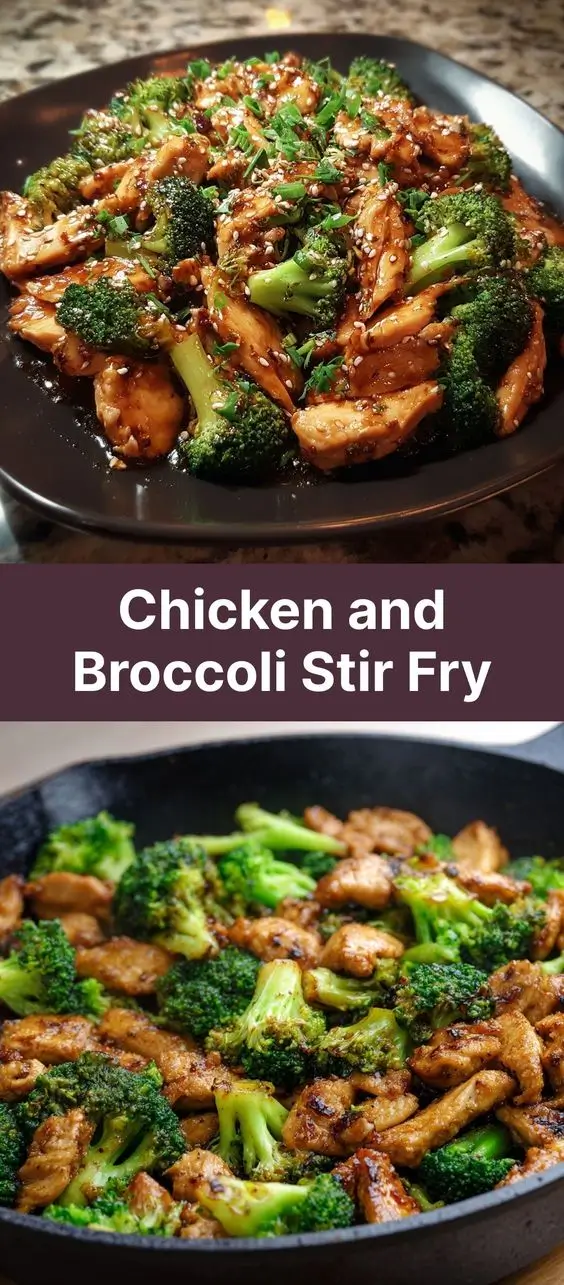
Chicken and Broccoli Stir Fry: A Flavorful, Healthy One-Pan Delight
The History of Chicken and Broccoli Stir Fry
Chicken and broccoli stir fry is a beloved dish that exemplifies the fusion of Chinese culinary traditions with American tastes. While stir-frying as a cooking technique dates back over 2,000 years to ancient China, this particular dish gained widespread popularity in the United States during the 20th century, particularly through the rise of American-Chinese cuisine. Unlike many traditional Chinese dishes, which often emphasize balance, subtle seasoning, and regional authenticity, American-Chinese food evolved to cater to local palates—favoring bolder flavors, sweeter sauces, and more generous portions.
The origins of chicken and broccoli stir fry can be traced to southern China, where stir-frying vegetables with lean meats was common due to its efficiency, nutrient preservation, and minimal oil use. However, the version most commonly found in U.S. restaurants and home kitchens today—a glossy, savory-sweet sauce coating tender chunks of chicken and crisp-tender broccoli—is largely an American invention. It emerged alongside other classics like beef with broccoli and orange chicken, becoming a staple on takeout menus across the country.
Over time, this dish has transcended its restaurant roots and become a favorite among home cooks for its simplicity, versatility, and health benefits. As interest in nutritious, quick-to-prepare meals grew, so did the appeal of chicken and broccoli stir fry. Today, it’s celebrated not just as comfort food but as a balanced meal option rich in protein and fiber, easily adaptable to various dietary needs including low-carb, gluten-free, and dairy-free lifestyles.
Ingredients Breakdown: What Makes This Dish Shine
The magic of chicken and broccoli stir fry lies in the harmony between fresh ingredients and a well-balanced sauce. Each component plays a crucial role in creating layers of flavor, texture, and nutrition. Here’s a detailed look at what goes into a classic version—and why each ingredient matters:
- Chicken Breast or Thighs: Boneless, skinless chicken breasts are most commonly used for their lean profile and mild taste, making them ideal for absorbing marinades and sauces. Some prefer dark meat (chicken thighs) for added juiciness and richness.
- Broccoli Florets: Fresh broccoli adds vibrant color, crunch, and essential nutrients like vitamin C, K, and fiber. It should be cut into even-sized pieces to ensure uniform cooking.
- Soy Sauce: The backbone of the sauce, soy sauce provides umami depth and saltiness. Low-sodium versions help control salt intake without sacrificing flavor.
- Oyster Sauce: A thick, savory condiment made from oyster extracts, sugar, and soy sauce. It lends a rich, slightly sweet complexity to the dish. Vegetarian alternatives are available using mushroom extract.
- Sesame Oil: Used sparingly due to its strong, nutty aroma, toasted sesame oil enhances fragrance and rounds out the sauce profile.
- Garlic and Ginger: These aromatics form the flavor foundation. Fresh minced garlic brings pungency, while grated ginger adds warmth and slight spiciness.
- Green Onions: Also known as scallions, they contribute freshness and a mild onion bite when added toward the end.
- Vegetable or Peanut Oil: High smoke point oils are essential for stir-frying at high heat without burning.
- Water or Chicken Broth: Helps steam the broccoli slightly during cooking and thins the sauce for better distribution.
- Cornstarch: Used both to marinate the chicken (for tenderness) and to thicken the sauce, giving it that glossy restaurant-style finish.
- Honey or Brown Sugar (optional): Balances the saltiness of soy and oyster sauces with a touch of sweetness.
- Red Pepper Flakes or Fresh Chili (optional): For those who enjoy a hint of heat.
These ingredients come together to create a dish that is simultaneously savory, slightly sweet, aromatic, and satisfying—all while being relatively low in calories and high in nutritional value.
Step-by-Step Recipe: How to Make Perfect Chicken and Broccoli Stir Fry at Home
Follow these detailed steps to achieve a restaurant-quality chicken and broccoli stir fry in under 30 minutes—right in your own kitchen.
Preparation Time: 15 minutes | Cooking Time: 10–12 minutes | Total Time: ~25 minutes
Servings: 4
Ingredients
- 1.5 lbs (680g) boneless, skinless chicken breasts, thinly sliced
- 4 cups fresh broccoli florets (about 1 large head)
- 3 tablespoons soy sauce (low-sodium preferred)
- 2 tablespoons oyster sauce (vegetarian version if desired)
- 1 tablespoon toasted sesame oil
- 2 tablespoons vegetable oil (divided)
- 4 cloves garlic, minced
- 1 tablespoon fresh ginger, grated
- 1/4 cup water or low-sodium chicken broth
- 2 green onions, sliced (white and green parts separated)
- 1 teaspoon cornstarch
- 1 teaspoon honey or brown sugar (optional)
- 1/4 teaspoon red pepper flakes (optional)
- Salt and freshly ground black pepper to taste
Directions
- Prepare the Chicken: Slice the chicken into thin, bite-sized strips against the grain. In a bowl, combine 1 tablespoon of soy sauce, 1 teaspoon of cornstarch, and a pinch of black pepper. Add the chicken and toss to coat. Let it marinate for 10–15 minutes while you prep the rest of the ingredients.
- Blanch the Broccoli (Optional but Recommended): Bring a pot of salted water to a boil. Add the broccoli florets and blanch for 90 seconds. Immediately transfer to an ice bath to stop cooking and preserve bright green color. Drain thoroughly. Alternatively, you can steam the broccoli for 2 minutes. This step ensures the broccoli becomes tender-crisp without overcooking the chicken.
- Make the Sauce: In a small bowl, whisk together the remaining 2 tablespoons soy sauce, oyster sauce, sesame oil, honey (if using), red pepper flakes (if using), and 1/4 cup water or broth. Set aside.
- Stir-Fry the Chicken: Heat 1 tablespoon of vegetable oil in a large wok or heavy-bottomed skillet over high heat until shimmering. Add the marinated chicken in a single layer (work in batches if needed to avoid overcrowding). Cook for 2–3 minutes per side until golden brown and cooked through. Remove the chicken and set aside.
- Cook the Aromatics: Add the remaining 1 tablespoon of vegetable oil to the same pan. Lower the heat slightly and add the minced garlic, grated ginger, and white parts of the green onions. Sauté for 30–60 seconds until fragrant—do not let them burn.
- Add Broccoli: Add the blanched broccoli to the pan and stir-fry for 1–2 minutes to heat through and absorb the flavors.
- Combine Everything: Return the cooked chicken to the pan. Pour the prepared sauce over the mixture. Stir everything together and cook for another 1–2 minutes until the sauce thickens slightly and coats the ingredients evenly.
- Finish and Serve: Taste and adjust seasoning if needed. Stir in the green parts of the green onions. Serve immediately over steamed rice, quinoa, cauliflower rice, or noodles.
Tips for the Best Chicken and Broccoli Stir Fry
- Don’t Skip the Cornstarch Marinade: Coating the chicken with cornstarch before cooking helps lock in moisture and creates a velvety texture—a hallmark of authentic stir fries.
- Use High Heat: Stir frying requires intense heat to sear the ingredients quickly, preserving texture and preventing sogginess.
- Prep Everything Ahead: Stir frying moves fast. Have all your ingredients chopped, measured, and within reach before turning on the stove (mise en place).
- Avoid Overcrowding the Pan: Too much food lowers the temperature and causes steaming instead of frying. Cook in batches if necessary.
- Blanching Is Key: Raw broccoli takes longer to cook than chicken. Blanching ensures it finishes perfectly without overcooking the meat.
- Toast Your Rice: For extra flavor, lightly toast uncooked rice in the pot before adding water when preparing jasmine or basmati rice.
- Fresh Garlic and Ginger: Avoid pre-minced or powdered versions—they lack the brightness and punch of fresh.
- Deglaze the Pan: If bits stick to the bottom, splash in a little broth or water to lift the flavorful fond into the sauce.
Variations and Customizations
One of the greatest strengths of chicken and broccoli stir fry is its adaptability. Whether you’re catering to dietary restrictions, seasonal produce, or personal taste preferences, here are some creative ways to customize the dish:
- Protein Swaps: Replace chicken with shrimp, thinly sliced beef (like flank steak), tofu, tempeh, or seitan for vegetarian/vegan options.
- Veggie Variations: Mix in bell peppers, carrots, snap peas, mushrooms, baby corn, bok choy, or zucchini for added color, texture, and nutrients.
- Gluten-Free Version: Use tamari or coconut aminos instead of soy sauce and ensure oyster sauce is labeled gluten-free (or use mushroom-based alternative).
- Low-Sodium Option: Opt for reduced-sodium soy sauce and oyster sauce, increase herbs like green onions and ginger, and use homemade broth.
- Keto-Friendly: Omit sugar, serve over cauliflower rice, and check labels on sauces to avoid hidden sugars.
- Pineapple Addition: Add canned or fresh pineapple chunks for a sweet-and-sour twist reminiscent of Hawaiian chicken.
- Noodle Stir Fry: Toss the finished dish with cooked lo mein noodles, udon, or rice noodles for a heartier meal.
- Spicy Kick: Increase chili content with sriracha, chili garlic sauce, or fresh Thai bird’s eye chilies.
- Citrus Zest: Finish with a sprinkle of orange or lime zest for a bright, refreshing note.
- Nutty Crunch: Top with roasted cashews, almonds, or sesame seeds for added texture.
Health Considerations and Nutritional Value
Chicken and broccoli stir fry is widely regarded as one of the healthier choices in the realm of takeout and home-cooked meals. When prepared with mindful ingredient choices, it offers a well-rounded nutritional profile.
Approximate Nutritional Information (per serving, based on 4 servings, served with 1/2 cup cooked brown rice):
- Calories: 320–380 kcal
- Protein: 30–35g (excellent source)
- Carbohydrates: 25–30g
- Dietary Fiber: 4–5g
- Fat: 10–14g (mostly unsaturated)
- Sodium: 700–900mg (can be reduced with low-sodium ingredients)
- Vitamin C: Over 100% of Daily Value (DV) from broccoli
- Vitamin K: Over 150% DV (important for blood and bone health)
- B Vitamins: Especially B6 and niacin from chicken
- Iron, Potassium, Magnesium: Moderate amounts from both chicken and vegetables
Health Benefits:
- High-Quality Protein: Supports muscle repair, satiety, and metabolic function.
- Fiber-Rich Vegetables: Promotes digestive health and stable blood sugar levels.
- Antioxidant Powerhouse: Broccoli contains sulforaphane, a compound studied for its anti-inflammatory and cancer-fighting properties.
- Heart-Healthy Fats: When using oils like avocado or peanut oil in moderation, the fat profile supports cardiovascular wellness.
- Low Glycemic Index: Especially when paired with brown rice or cauliflower, this dish won’t cause rapid blood sugar spikes.
Considerations:
- Sodium Content: Store-bought sauces can be high in sodium. To reduce intake, make your own sauce blend or choose low-sodium versions.
- Cornstarch: Adds minimal carbs but may be a concern for strict keto followers.
- Allergens: Contains soy and sesame; substitute accordingly if allergic.
- Balanced Meal: Ensure adequate complex carbohydrates and healthy fats by pairing with whole grains and perhaps a side of avocado.
Frequently Asked Questions (FAQ)
- Can I make chicken and broccoli stir fry ahead of time?
- Yes! You can prep the ingredients (slice chicken, chop veggies, make sauce) up to 24 hours in advance. Fully cooked stir fry can be stored in an airtight container in the refrigerator for 3–4 days. Reheat gently in a skillet to maintain texture—microwaving may soften the broccoli.
- Can I freeze this dish?
- While possible, freezing may alter the texture of the broccoli, making it softer upon thawing. Chicken holds up better. Freeze in portioned containers for up to 2 months. Thaw overnight in the fridge and reheat on the stovetop.
- Why is my stir fry soggy?
- Sogginess usually results from overcrowding the pan, using wet ingredients (like un-dried blanched broccoli), or adding too much sauce. Always dry the broccoli after blanching and don’t exceed the pan’s capacity.
- Can I use frozen broccoli?
- You can, but fresh is preferred. If using frozen, thaw and drain well to remove excess moisture. Sauté longer to evaporate water and achieve proper texture.
- Is this dish gluten-free?
- It can be! Use tamari instead of soy sauce, verify that your oyster sauce is gluten-free (or use a mushroom-based substitute), and ensure all other ingredients are certified GF.
- What kind of rice pairs best with this dish?
- Jasmine rice is traditional for its floral aroma and fluffy texture. Alternatives include basmati, brown rice, wild rice blend, or low-carb options like riced cauliflower or shirataki rice.
- Can I make this in an electric skillet or oven?
- A wok or heavy stovetop skillet is ideal for high-heat searing. An electric skillet works if it reaches high temperatures. The oven isn’t suitable for stir frying, but you could roast the components separately and combine.
- How do I get restaurant-quality texture at home?
- The secret lies in high heat, proper marination (cornstarch + sauce), quick cooking, and pre-blanching the broccoli. Also, avoid stirring constantly—let ingredients sear briefly for caramelization.
Summary
Chicken and broccoli stir fry is a delicious, nutritious, and versatile dish that combines tender chicken, crisp broccoli, and a savory-sweet sauce in a quick one-pan meal perfect for weeknights or meal prep.
With endless customization options and significant health benefits, it’s no wonder this stir fry remains a top choice for families, fitness enthusiasts, and food lovers everywhere.