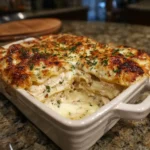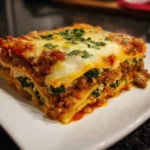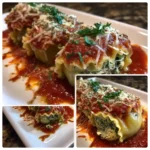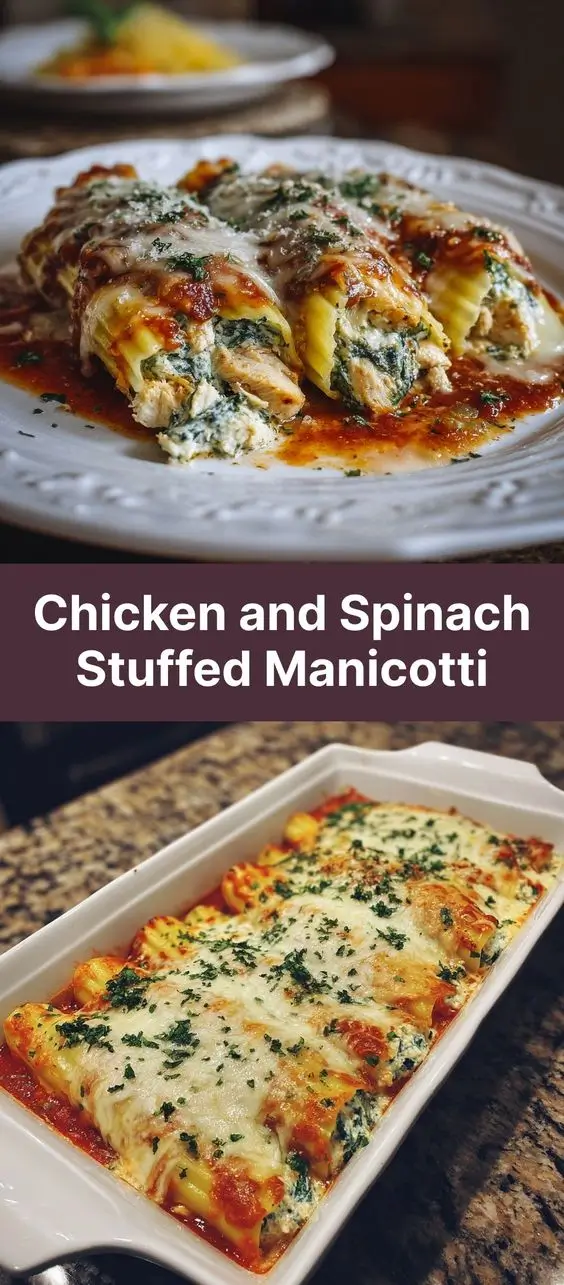
Chicken and Spinach Stuffed Manicotti: A Comforting Italian Classic with a Healthy Twist
The History of Manicotti
Manicotti, derived from the Italian word meaning “large sleeves” or “large tubes,” is a classic Italian-American dish that has been gracing dinner tables since the early 20th century. While traditional Italian cuisine features similar stuffed pasta dishes like cannelloni in Southern Italy, manicotti as we know it today evolved in the United States through waves of Italian immigration. Immigrants adapted regional recipes using locally available ingredients, and manicotti became a staple of Sunday suppers and family gatherings.
Originally, manicotti was made by stuffing large tubular pasta shells with a rich mixture of ricotta cheese, Parmesan, eggs, and sometimes ground meat, then baked in a simple tomato sauce until golden and bubbling. Over time, home cooks began experimenting with new fillings and flavor profiles, leading to modern variations such as the chicken and spinach version. This upgraded twist not only adds protein but also incorporates leafy greens for enhanced nutrition—making it both satisfying and wholesome.
Today, Chicken and Spinach Stuffed Manicotti stands at the intersection of tradition and innovation. It honors its culinary roots while embracing contemporary tastes and health-conscious preferences. Whether served at holiday feasts, weeknight dinners, or potlucks, this dish continues to win hearts with its creamy texture, savory depth, and comforting warmth.
Ingredients Breakdown
Creating the perfect Chicken and Spinach Stuffed Manicotti starts with selecting high-quality, fresh ingredients. Each component plays a vital role in building layers of flavor, texture, and nutrition. Here’s a detailed look at what goes into this mouthwatering dish:
For the Filling:
- Cooked Chicken Breast (2 cups, shredded or diced): Lean, tender chicken provides a protein-rich base. Poached, grilled, or rotisserie chicken works beautifully here.
- Fresh Spinach (4 cups, chopped): Adds color, nutrients, and a subtle earthy flavor. Baby spinach wilts easily and blends seamlessly into the creamy filling.
- Ricotta Cheese (15 oz container): The star of the stuffing—creamy, mild, and slightly sweet. Whole milk ricotta delivers the richest texture.
- Grated Parmesan Cheese (1 cup): Offers a sharp, salty punch that enhances the overall savoriness.
- Mozzarella Cheese (1 ½ cups, shredded): Melts beautifully, adding gooeyness and stretch to every bite.
- Egg (1 large): Acts as a binder to hold the filling together during baking.
- Garlic (3 cloves, minced): Infuses the filling with aromatic depth.
- Onion (¼ cup, finely diced): Sautéed lightly for sweetness without overpowering other flavors.
- Dried Herbs (1 tsp each of basil, oregano, thyme): Bring authentic Italian essence to the mix.
- Nutmeg (¼ tsp, freshly grated): A secret weapon that elevates the creaminess of ricotta subtly.
- Salt and Black Pepper (to taste): Essential for balancing all the flavors.
For the Sauce:
- Olive Oil (2 tbsp): Used to sauté aromatics and build flavor foundations.
- Crushed Tomatoes (24 oz can): Smooth, rich, and slightly tangy—ideal for simmering into a luscious sauce.
- Tomato Paste (2 tbsp): Concentrated umami booster that deepens the sauce’s richness.
- Garlic (2 cloves, minced): Doubles down on aroma and complexity.
- Italian Seasoning (1 tbsp): A blend of herbs including marjoram, rosemary, and sage for layered seasoning.
- Red Pepper Flakes (optional, ¼ tsp): For a gentle kick of heat.
- Water or Chicken Broth (½ cup): Adjusts consistency and helps integrate flavors.
For Assembly:
- Manicotti Pasta Shells (12–14 pieces): Large tube-shaped noodles designed to be stuffed. Look for oven-ready versions to save prep time.
- Extra Mozzarella and Parmesan (for topping): Ensures a golden, bubbly crust after baking.
- Fresh Basil or Parsley (garnish): Brightens the finished dish with freshness and visual appeal.
Step-by-Step Recipe
- Prepare the Spinach: In a large skillet over medium heat, warm 1 tablespoon olive oil. Add diced onion and cook until translucent (about 3 minutes). Stir in garlic and cook for 30 seconds until fragrant. Add fresh spinach in batches, stirring until wilted. Remove from heat, let cool slightly, then squeeze out excess moisture using a clean kitchen towel or paper towels. Chop finely and set aside.
- Make the Filling: In a large mixing bowl, combine ricotta cheese, 1 cup mozzarella, ½ cup Parmesan, egg, cooked chicken, prepared spinach mixture, minced garlic, dried herbs, nutmeg, salt, and pepper. Mix thoroughly until smooth and well incorporated. Taste and adjust seasoning if needed. Set aside.
- Cook the Pasta: If not using oven-ready manicotti, bring a large pot of salted water to a boil. Cook manicotti shells according to package instructions (usually 8–10 minutes), until al dente. Drain carefully and lay flat on parchment paper to prevent sticking. If using no-boil shells, proceed directly to stuffing.
- Preheat Oven: Preheat your oven to 375°F (190°C). Lightly grease a 9×13-inch baking dish with non-stick spray or olive oil.
- Prepare the Sauce: In the same skillet used for spinach, heat 2 tablespoons olive oil over medium heat. Add garlic and red pepper flakes (if using), stir for 30 seconds. Stir in tomato paste and cook for 1 minute to deepen flavor. Pour in crushed tomatoes, Italian seasoning, and broth or water. Simmer uncovered for 10–15 minutes, stirring occasionally, until slightly thickened. Season with salt and pepper.
- Assemble the Manicotti: Spread about ¾ cup of sauce evenly across the bottom of the baking dish. Using a piping bag, spoon, or small ice cream scoop, carefully fill each manicotti shell with approximately 2–3 tablespoons of the chicken-spinach mixture. Place filled shells seam-side up in the dish, side by side without touching.
- Top and Bake: Pour remaining sauce over the stuffed shells, covering them completely. Sprinkle top generously with remaining mozzarella and Parmesan cheeses. Cover the dish tightly with aluminum foil (tented slightly to avoid cheese sticking).
- Bake: Place in preheated oven and bake for 35 minutes. Then remove foil and continue baking for an additional 10–15 minutes, or until cheese is melted, bubbly, and lightly browned.
- Rest and Serve: Let the manicotti rest for 10 minutes before serving—this allows the filling to settle and makes serving easier. Garnish with chopped fresh basil or parsley and extra Parmesan if desired.
Tips for Perfect Chicken and Spinach Stuffed Manicotti
- Don’t Skip Squeezing the Spinach: Excess water in spinach can make the filling runny. Always squeeze it thoroughly after wilting.
- Use Rotisserie Chicken: Save time by using store-bought rotisserie chicken. Just shred it and incorporate into the filling—no cooking required!
- Try a Piping Bag: For neat, mess-free stuffing, transfer the filling into a large zip-top bag with one corner snipped off or use a pastry bag.
- Avoid Overcooking Pasta: If boiling the shells, undercook them slightly (al dente) because they’ll continue to absorb liquid in the oven.
- Enhance Flavor with Lemon Zest: Add ½ teaspoon of lemon zest to the filling for a bright, citrusy lift that cuts through the richness.
- Add More Veggies: Feel free to sneak in finely chopped mushrooms, roasted red peppers, or zucchini for added nutrition and flavor.
- Cover Tightly When Baking: Foil prevents the top from browning too quickly while ensuring even cooking throughout.
- Let It Rest: Allowing the dish to sit for 10 minutes after baking improves texture and makes scooping individual servings much cleaner.
- Double the Batch: This recipe freezes exceptionally well. Assemble two pans, freeze one unbaked for later—it keeps up to 3 months.
- Use Quality Cheese: Freshly grated cheese melts better and tastes superior to pre-shredded varieties, which often contain anti-caking agents.
Variations and Customizations
One of the greatest strengths of Chicken and Spinach Stuffed Manicotti is its versatility. With a few tweaks, you can tailor it to suit dietary needs, cultural influences, or seasonal ingredients:
Vegetarian Version:
Omit the chicken and replace it with plant-based proteins like crumbled tofu, tempeh, or cooked lentils. You can also add artichoke hearts or sun-dried tomatoes for extra heartiness.
Creamier Filling:
Stir in ¼ cup of mascarpone or cream cheese for an ultra-luxurious, velvety texture.
Gluten-Free Option:
Use gluten-free manicotti tubes or substitute with wide gluten-free lasagna noodles rolled around the filling to create “stuffed cannelloni rolls.”
Dairy-Free Adaptation:
Swap ricotta with dairy-free ricotta alternative (made from almonds or soy), and use vegan mozzarella and nutritional yeast instead of Parmesan. Coconut milk-based sauces can replace traditional cheese toppings.
Spicy Kick:
Incorporate chopped jalapeños, sriracha, or increase red pepper flakes in the sauce for those who love heat.
Mediterranean Twist:
Add kalamata olives, feta cheese, and roasted red peppers to the filling for a Greek-inspired flair.
Keto-Friendly Low-Carb Version:
Replace pasta shells with thinly sliced zucchini strips rolled around the filling (“zucchini roll-ups”) and bake as usual.
Seafood Variation:
Substitute chicken with flaked cooked shrimp or crabmeat for an elegant seafood manicotti.
Herb Variations:
Swap dried herbs for fresh ones—use chopped fresh basil, parsley, or dill for brighter, garden-fresh notes.
Health Considerations and Nutritional Value
Chicken and Spinach Stuffed Manicotti isn’t just delicious—it can be part of a balanced diet when prepared thoughtfully. Here’s a breakdown of its health benefits and ways to lighten it up:
Nutritional Highlights (per serving, based on 6 servings):
- Calories: ~380–420 kcal
- Protein: 28–32g – Excellent source from chicken and cheese, supporting muscle repair and satiety.
- Carbohydrates: 30–35g – Primarily from pasta; mostly complex carbs providing sustained energy.
- Fats: 18–22g – Includes healthy monounsaturated fats from olive oil and saturated fat from cheese (moderation advised).
- Fiber: 4–6g – Thanks to spinach and whole wheat pasta (if used).
- Vitamins & Minerals: Rich in calcium (from dairy), iron and vitamin K (from spinach), vitamin A (beta-carotene in spinach), and B-vitamins (from chicken and eggs).
Health Tips:
- Lower Sodium: Use low-sodium canned tomatoes, reduced-fat cheese, and limit added salt.
- Boost Fiber: Opt for whole wheat manicotti pasta to increase fiber content and improve digestion.
- Reduce Fat: Choose part-skim ricotta and mozzarella, and reduce total cheese by ¼ cup without sacrificing flavor.
- Increase Veggies: Double the spinach or add pureed vegetables (like carrots or squash) into the sauce for stealth nutrition.
- Portion Control: Serve with a side salad or steamed vegetables to balance the meal and manage portion sizes.
- Allergen Awareness: Contains dairy, gluten, and eggs. Adapt accordingly for allergies using substitutes mentioned above.
Ingredients
- 2 cups cooked chicken breast, shredded or diced
- 4 cups fresh spinach, chopped
- 15 oz ricotta cheese (whole or part-skim)
- 1 ½ cups shredded mozzarella cheese, divided
- 1 cup grated Parmesan cheese, divided
- 1 large egg
- 3 cloves garlic, minced
- ¼ cup onion, finely diced
- 1 tsp dried basil
- 1 tsp dried oregano
- ½ tsp dried thyme
- ¼ tsp nutmeg, freshly grated
- Salt and black pepper to taste
- 2 tbsp olive oil
- 24 oz crushed tomatoes (preferably fire-roasted)
- 2 tbsp tomato paste
- 1 tbsp Italian seasoning
- ¼ tsp red pepper flakes (optional)
- ½ cup water or low-sodium chicken broth
- 12–14 manicotti pasta shells (oven-ready or regular)
- Fresh basil or parsley, chopped (for garnish)
Directions
- In a skillet over medium heat, warm 1 tbsp olive oil. Sauté onion until soft (~3 min), add garlic, then stir in spinach in batches until wilted. Cool, then squeeze dry. Set aside.
- In a large bowl, mix ricotta, 1 cup mozzarella, ½ cup Parmesan, egg, chicken, spinach, garlic, herbs, nutmeg, salt, and pepper. Blend well.
- If using regular pasta, cook manicotti in salted boiling water until al dente. Drain and lay flat. (Skip if using oven-ready.)
- Preheat oven to 375°F (190°C). Grease a 9×13-inch baking dish.
- In the same skillet, heat 2 tbsp olive oil. Add garlic and red pepper flakes; cook 30 sec. Stir in tomato paste, cook 1 min. Add crushed tomatoes, Italian seasoning, and broth. Simmer 10–15 min. Season to taste.
- Spread ¾ cup sauce in baking dish. Fill each manicotti shell with about 2–3 tbsp filling. Arrange in dish.
- Pour remaining sauce over shells. Top with remaining cheeses.
- Cover with foil and bake 35 min. Uncover, bake 10–15 min more until golden and bubbly.
- Let rest 10 min. Garnish with fresh herbs and serve warm.
FAQ
Can I make Chicken and Spinach Stuffed Manicotti ahead of time?
Yes! Assemble the dish up to 24 hours in advance, cover, and refrigerate. Add 5–10 minutes to baking time if starting cold. You can also freeze it unbaked for up to 3 months—thaw overnight before baking.
Can I use frozen spinach?
Absolutely. Use 10 oz frozen chopped spinach, thawed and squeezed very dry. It’s convenient and works just as well as fresh.
What can I serve with manicotti?
Pair with a crisp green salad, garlic bread, roasted vegetables, or steamed broccoli. A glass of Chianti or Pinot Noir complements the flavors beautifully.
Why did my manicotti break when I tried to stuff them?
This usually happens if the pasta is overcooked. Boil only until al dente, or better yet, use oven-ready shells which are less fragile.
Can I reheat leftovers?
Yes. Reheat individual portions in the microwave (covered) for 2–3 minutes, or in the oven at 350°F for 15–20 minutes. Add a splash of sauce to keep moist.
Is this dish freezer-friendly?
Yes! Assemble completely, wrap tightly in foil and plastic, and freeze for up to 3 months. Bake from frozen—add 20–25 minutes covered, then uncover to finish.
Can I use cottage cheese instead of ricotta?
You can, though the texture will be lighter and slightly grainier. Blending cottage cheese first creates a smoother consistency.
How do I prevent a watery filling?
Squeeze spinach extremely well, avoid over-saucing, and ensure chicken is not overly juicy. Letting the dish rest after baking also helps absorption.
Summary
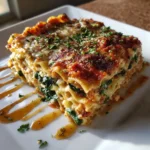
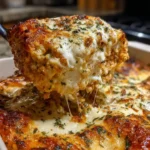
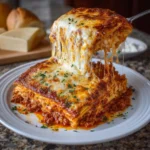
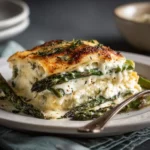
Chicken and Spinach Stuffed Manicotti combines tender pasta shells filled with a creamy blend of chicken, ricotta, spinach, and herbs, smothered in rich tomato sauce and baked to golden perfection. It’s a hearty, nutritious twist on a beloved classic—perfect for feeding families, impressing guests, or enjoying leftovers all week long.