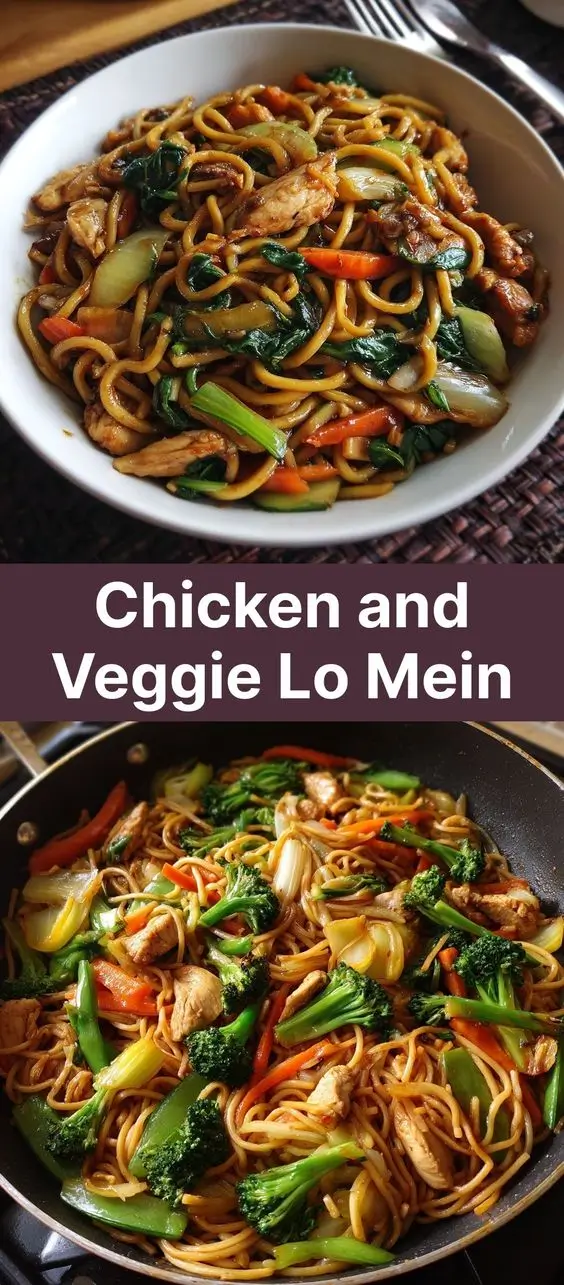
Chicken and Veggie Lo Mein: A Flavorful, Wholesome Stir-Fry Classic
The History of Lo Mein
Lo Mein, which translates to “stirred noodles” in Cantonese, is a staple dish in Chinese cuisine with roots tracing back centuries. Originating from southern China, particularly Guangdong province, Lo Mein was traditionally made by hand-pulling wheat flour dough into long, chewy noodles that were then tossed with meat, vegetables, and savory sauces. As Chinese immigrants traveled across the globe, especially to the United States in the 19th and 20th centuries, they adapted their recipes using locally available ingredients, giving rise to various regional interpretations of the dish.
In American-Chinese cuisine, Lo Mein evolved into a beloved comfort food—often served in takeout containers with tender chicken, crisp vegetables, and glossy, umami-rich sauce coating springy egg noodles. While traditional versions focus on balance and subtle seasoning, Western adaptations sometimes emphasize bold flavors, vibrant colors, and generous portions. Despite these variations, the essence of Lo Mein remains intact: satisfying, stir-fried noodles combining protein, vegetables, and aromatic seasonings for a harmonious meal enjoyed by families worldwide.
Ingredients Breakdown
The magic of Chicken and Veggie Lo Mein lies not just in its preparation but also in the thoughtful selection of each ingredient. Every component plays a role in building layers of flavor, texture, and nutrition:
- Egg Noodles: The foundation of any good Lo Mein. Fresh or dried wheat-based egg noodles offer the ideal chewiness and ability to absorb sauce without becoming mushy.
- Chicken Breast or Thighs: Lean chicken breast provides a mild, tender protein, while dark meat from thighs adds juiciness and depth of flavor. Both should be sliced thinly against the grain for optimal tenderness.
- Vegetables: A colorful medley typically includes bell peppers (red, yellow, or green), carrots, broccoli florets, snow peas, mushrooms, bok choy, and cabbage. These add crunch, sweetness, earthiness, and essential nutrients.
- Garlic & Ginger: Freshly minced garlic and grated ginger form the aromatic base, delivering pungent warmth and complexity.
- Soy Sauce: Regular or low-sodium soy sauce contributes saltiness and umami. For richer color and flavor, some use dark soy sauce sparingly.
- Oyster Sauce: Adds a sweet-savory depth; vegetarian oyster sauce (made from mushrooms) can be used as an alternative.
- Sesame Oil: A small amount imparts a nutty fragrance, best added at the end to preserve its delicate aroma.
- Rice Vinegar or Sherry: A splash brightens the dish and balances richness.
- Green Onions: Sliced scallions are used both during cooking and as garnish for freshness and visual appeal.
- Vegetable Oil: High smoke point oils like canola, peanut, or avocado oil are ideal for high-heat stir-frying.
- Optional Additions: Chili garlic sauce, hoisin sauce, or Sriracha for heat; cornstarch slurry to thicken the sauce slightly.
Step-by-Step Recipe
Ingredients
- 8 oz (225g) dried lo mein noodles or fresh egg noodles
- 1 lb (450g) boneless, skinless chicken breasts or thighs, thinly sliced
- 2 tbsp soy sauce (low sodium preferred)
- 1 tbsp rice wine or dry sherry
- 1 tsp cornstarch
- 2 tbsp vegetable oil (divided)
- 3 cloves garlic, minced
- 1 tbsp fresh ginger, grated
- 1 red bell pepper, julienned
- 1 yellow bell pepper, julienned
- 1 large carrot, julienned or thinly sliced on diagonal
- 1½ cups broccoli florets
- 1 cup snow peas, ends trimmed
- ½ cup sliced shiitake or cremini mushrooms
- 2–3 green onions, sliced (whites and greens separated)
- ¼ cup low-sodium chicken broth
- 3 tbsp oyster sauce (or vegetarian alternative)
- 1 tbsp sesame oil
- 1 tsp sugar (optional)
- Pinch of white pepper
- Toasted sesame seeds (for garnish)
Directions
- Cook the Noodles: Bring a large pot of salted water to a boil. Cook the lo mein noodles according to package instructions until al dente—usually 3–6 minutes depending on type. Drain immediately and rinse under cold water to stop cooking. Toss with a teaspoon of oil to prevent sticking. Set aside.
- Marinate the Chicken: In a bowl, combine sliced chicken with 1 tablespoon soy sauce, rice wine, and cornstarch. Mix well and let sit for 15–20 minutes to enhance flavor and create a velvety texture after cooking.
- Prepare the Sauce: In a small bowl, whisk together remaining 1 tablespoon soy sauce, oyster sauce, chicken broth, sugar (if using), and white pepper. Keep ready near your stove.
- Stir-Fry the Chicken: Heat 1 tablespoon of vegetable oil in a wok or large skillet over medium-high heat. Once hot, add marinated chicken in a single layer. Cook for 2–3 minutes per side until golden brown and cooked through. Remove and set aside.
- Sauté Aromatics: Add another tablespoon of oil to the same pan. Lower heat slightly and sauté garlic, ginger, and the white parts of green onions for about 30 seconds until fragrant—do not burn.
- Cook the Vegetables: Increase heat to high. Add harder vegetables first—carrots and broccoli—and stir-fry for 2 minutes. Then add bell peppers, snow peas, mushrooms, and any softer veggies. Continue tossing frequently for another 3–4 minutes until vegetables are crisp-tender and brightly colored.
- Combine Everything: Return cooked chicken to the wok. Add the drained noodles and pour the prepared sauce evenly over the top. Use tongs or two spatulas to gently toss everything together, ensuring all ingredients are coated. If needed, drizzle in a bit more broth if the mixture seems dry.
- Finish and Serve: Drizzle with sesame oil and mix gently. Taste and adjust seasoning if necessary. Sprinkle with green onion tops and toasted sesame seeds. Serve immediately while hot, ideally straight from the wok for maximum aroma and texture.
Tips for Perfect Chicken and Veggie Lo Mein
- Noodle Prep Is Key: Do not overcook the noodles. They will continue to cook slightly when stir-fried, so aim for just shy of al dente when boiling.
- High Heat, Quick Cooking: Stir-frying requires high heat and fast movements. Have all ingredients prepped and within reach before you start (mise en place).
- Dry Ingredients: Pat chicken and vegetables dry before cooking to ensure proper searing instead of steaming.
- Don’t Crowd the Pan: Overfilling the wok lowers the temperature and leads to soggy results. Cook in batches if needed.
- Sauce Control: Start with less sauce—you can always add more. Too much liquid makes the dish watery and dilutes flavor.
- Customize Texture: Prefer softer noodles? Let them soak in warm water for 1 minute post-boiling. For extra chew, lightly toast boiled noodles in the pan before adding other ingredients.
- Rest Before Serving: Let the finished dish sit covered for 1–2 minutes off heat to allow flavors to meld slightly, especially helpful if serving later.
Variations and Customizations
One of the greatest strengths of Chicken and Veggie Lo Mein is its versatility. Whether adapting to dietary needs, seasonal produce, or cultural fusion, this dish welcomes creativity:
- Vegetarian/Vegan Version: Omit chicken and substitute with tofu, tempeh, or seitan. Use mushroom-based “vegetarian oyster sauce” and ensure noodles are egg-free (some brands contain egg).
- Gluten-Free Option: Replace regular noodles with rice noodles or gluten-free lo mein-style pasta. Swap soy sauce with tamari or coconut aminos.
- Spicy Kick: Add a tablespoon of chili garlic sauce, sambal oelek, or a few dashes of Lao Gan Ma chili crisp for fiery depth.
- Fusion Twists: Try Korean-inspired Lo Mein with gochujang and kimchi; Thai-style with peanut sauce and lime; or Japanese udon-style using thick wheat noodles and dashi broth.
- Seafood Addition: Include shrimp, scallops, or imitation crab meat along with or instead of chicken.
- Seasonal Swaps: In spring, use asparagus and pea shoots; in fall, incorporate roasted squash or Brussels sprouts; winter calls for hearty kale and cabbage.
- Noodle Alternatives: Substitute with soba, ramen, or even zucchini noodles (zoodles) for a lighter, low-carb version (add zoodles at the very end to avoid sogginess).
- Leftover Magic: Transform last night’s roast chicken or grilled veggies into today’s Lo Mein—just reheat gently and integrate into the sauce.
Health Considerations and Nutritional Value
When prepared mindfully, Chicken and Veggie Lo Mein can be a balanced, nutritious meal rich in lean protein, fiber, vitamins, and healthy fats. Here’s how it stacks up nutritionally (approximate values per serving, based on 4 servings):
| Nutrient | Amount Per Serving |
|---|---|
| Calories | ~420 kcal |
| Protein | 28g |
| Total Fat | 12g |
| Saturated Fat | 2.5g |
| Carbohydrates | 50g |
| Dietary Fiber | 5g |
| Sugars | 7g (mostly natural from veggies and sauce) |
| Sodium | ~800mg (can vary widely based on sauces used) |
| Vitamin A | 120% DV |
| Vitamin C | 90% DV |
| Iron | 15% DV |
| Calcium | 8% DV |
Health Tips:
- Lower Sodium: Use reduced-sodium soy sauce and oyster sauce, or dilute full-strength versions with water or broth. Rinsing canned sauces isn’t recommended, but reading labels helps control intake.
- Balanced Carbs: Opt for whole wheat or legume-based noodles to increase fiber and improve blood sugar response.
- Heart-Healthy Fats: Limit oil to 1–2 tablespoons total and choose unsaturated oils like avocado or olive oil (though olive oil has a lower smoke point, so blend with higher smoke point oils if needed).
- Portion Awareness: Serve with a side salad or miso soup to increase satiety without excess calories. Stick to one generous serving (~1.5 cups) unless highly active.
- Kid-Friendly Modifications: Reduce spice, cut veggies smaller, and serve with chopsticks or fork. Kids often enjoy dipping sauces on the side.
FAQ
Q: Can I make Chicken and Veggie Lo Mein ahead of time?
A: Yes! You can prep ingredients separately—marinate chicken, chop vegetables, and cook noodles up to a day in advance. Store in airtight containers in the fridge. Reheat wok quickly before assembling. Fully assembled Lo Mein keeps well for 2–3 days refrigerated but may require a splash of broth or water when reheating.
Q: Why are my noodles sticky or clumpy?
A: This usually happens due to overcooking or improper cooling. Always rinse cooked noodles under cold water and toss with a little oil. Avoid leaving them in hot water too long.
Q: Can I freeze Lo Mein?
A: Not ideally. Freezing tends to degrade the texture of noodles and vegetables, making them mushy upon thawing. It’s best enjoyed fresh or stored short-term in the refrigerator.
Q: What kind of pan should I use?
A: A carbon steel wok is traditional and excellent for high-heat stir-frying, but a large nonstick or stainless steel skillet works perfectly fine for home cooks.
Q: How do I get restaurant-quality smoky flavor (wok hei)?
A: True wok hei—the charred, smoky essence—comes from extremely high heat found in commercial stoves. At home, max out your burner, preheat thoroughly, and avoid overcrowding. Some chefs finish under a broiler briefly or use a blowtorch (advanced technique). Alternatively, a drop of smoked paprika or liquid smoke (sparingly!) can mimic the effect.
Q: Are lo mein noodles the same as chow mein?
A: No. Lo Mein means “tossed noodles,” which are soft and mixed with sauce. Chow Mein refers to “fried noodles,” which are crispy either pan-fried or deep-fried. The cooking method and final texture differ significantly.
Summary
Chicken and Veggie Lo Mein is a vibrant, satisfying stir-fry that blends tender protein, crisp seasonal vegetables, and springy noodles in a rich, umami-packed sauce—all ready in under 30 minutes. A perfect balance of flavor, nutrition, and convenience, it’s a weeknight favorite that’s endlessly customizable and sure to please every palate.