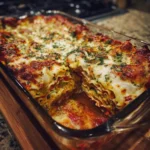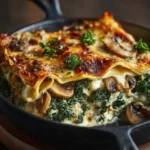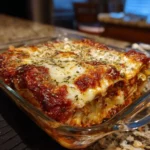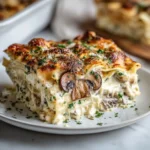
Introduction
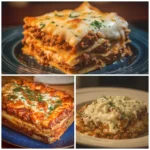
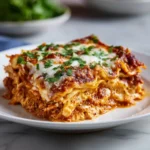
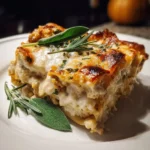
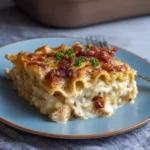
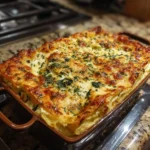
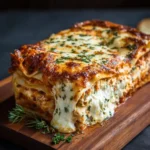
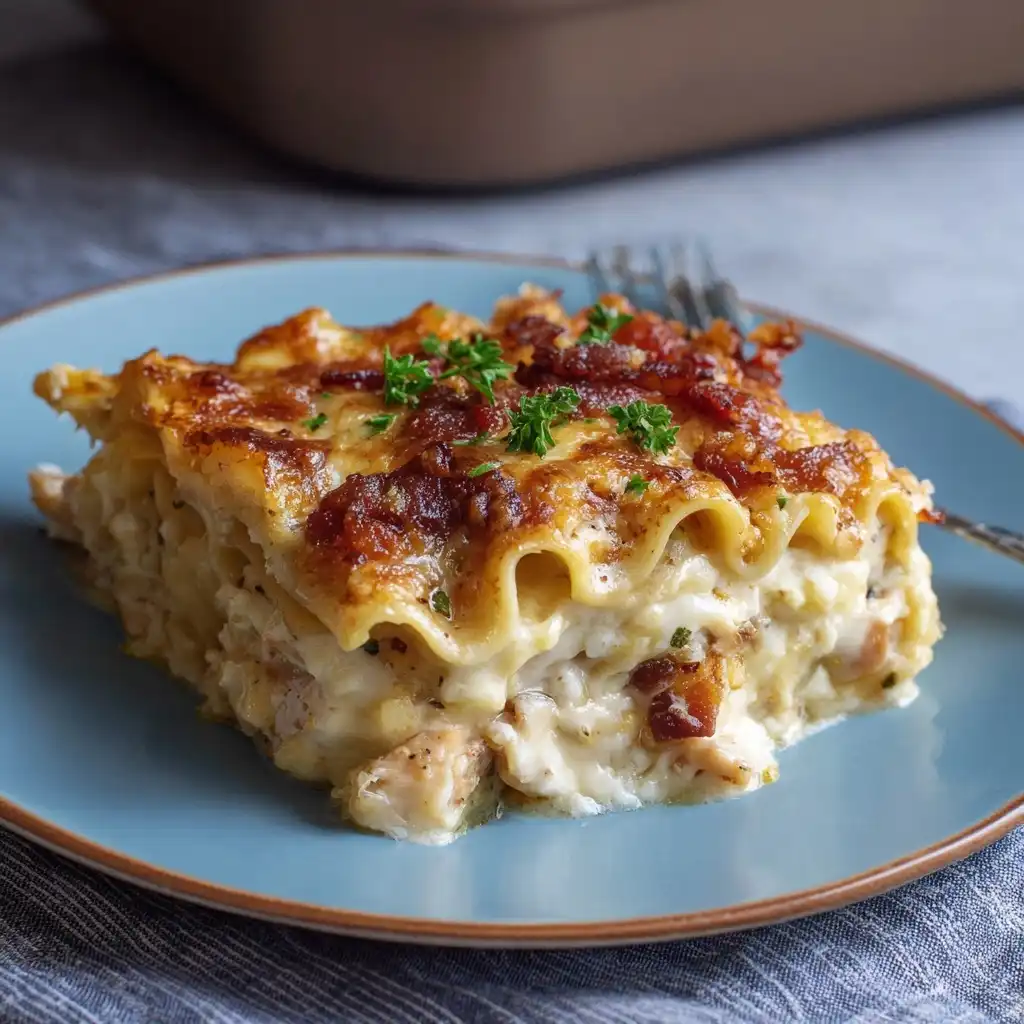
Welcome to a bold, modern reimagining of two beloved Italian-American classics: carbonara and lasagna. Chicken Bacon-Free Carbonara Lasagna is a rich, creamy, deeply savory baked pasta dish that honors the soulful essence of traditional carbonara—eggs, cheese, black pepper, and guanciale—while thoughtfully omitting pork entirely. Instead, tender roasted chicken breast stands in as the protein anchor, delivering lean, flavorful substance without compromising authenticity. This recipe was born from culinary curiosity, ethical dietary preferences (including vegetarian-adjacent omnivores seeking pork-free alternatives), and a desire to elevate weeknight comfort food into something restaurant-worthy yet approachable at home. It’s not just “carbonara-inspired”—it’s carbonara redefined: layered with house-made no-boil lasagna sheets, luxuriously creamy egg-and-Pecorino custard, slow-caramelized onions, garlic-infused olive oil, and an abundance of freshly cracked Tellicherry black pepper. Whether you’re avoiding bacon for religious, health, or personal reasons—or simply craving something new yet nostalgically comforting—this lasagna delivers depth, texture, and unmistakable umami in every forkful.
The History
The origins of carbonara trace back to mid-20th century Rome, likely evolving from rural coal-miner (“carbonai”) fare—a hearty, portable meal made with pantry staples: eggs, cheese, cured pork fat, and black pepper. Its exact genesis remains debated among food historians, but its cultural weight is undisputed: carbonara is Italy’s most iconic egg-based pasta sauce, revered for its silky emulsion and robust simplicity. Meanwhile, lasagna—originating in medieval Naples—has undergone centuries of regional transformation, from early versions with spices and dried fruits to today’s ricotta- or béchamel-enriched iterations. The fusion of these two traditions—carbonara + lasagna—is a relatively recent innovation, emerging in American and UK food blogs circa 2015–2018 as chefs sought to “deconstruct” and “layer” classic techniques. However, most early versions retained pancetta or guanciale, limiting accessibility. The bacon-free pivot gained momentum alongside rising demand for halal-, kosher-, and pork-free alternatives, as well as growing awareness around nitrate-free eating and sustainable poultry sourcing. This Chicken Bacon-Free Carbonara Lasagna represents the culmination of that evolution: historically informed, ethically intentional, and technically precise—honoring carbonara’s custard chemistry while expanding its inclusivity without sacrificing complexity.
Ingredients Breakdown
Every component in this lasagna serves a deliberate function—not just flavor, but structure, moisture control, emulsification, and textural contrast:
- Chicken Breast (boneless, skinless): Slow-roasted then finely diced—provides clean, mild protein that absorbs garlic, thyme, and lemon zest without overpowering. Brined lightly (1 tsp salt + ½ cup water, 30 min) for juiciness and tenderness.
- Extra-Virgin Olive Oil (cold-pressed, DOP-certified): Used both for sautéing aromatics and finishing the egg mixture—adds fruitiness, polyphenols, and prevents curdling by stabilizing the emulsion.
- Yellow Onions & Garlic: Slow-cooked until jammy and sweet (not browned), forming the aromatic base that mimics the depth traditionally contributed by rendered pork fat.
- Freshly Cracked Black Pepper (coarse-ground): Not just seasoning—it’s the *engine* of carbonara’s signature heat and volatility. Tellicherry or Lampong peppercorns are ideal for their floral, resinous notes and volatile oils that bloom when heated.
- Pecorino Romano D.O.P.: Aged minimum 8 months—salty, tangy, granular. Provides the sharp, lactic backbone essential to carbonara’s identity. Grated fresh on a microplane for maximum surface area and meltability.
- Parmigiano-Reggiano D.O.P. (aged 24+ months): Adds nutty, caramelized umami and structural richness. Blended with Pecorino for balance—too much Parmigiano alone would mute the pepper’s bite.
- Pasta Sheets (no-boil, oven-ready): Made with durum semolina and organic eggs—thin enough to soften fully during baking yet sturdy enough to hold layers without disintegrating. Gluten-free option: certified GF rice-and-tapioca blend sheets (pre-soaked 5 min in warm milk).
- Egg Yolks (pasture-raised, omega-3 enriched): The emulsifier and custard base. Six yolks create viscosity and silkiness; whole eggs would introduce excess water and risk rubberiness.
- Heavy Cream (36% MF, non-ultra-pasteurized): Adds fat-soluble richness and temperature buffer—critical for preventing scrambled eggs when mixing hot pasta with raw yolks.
- Fresh Thyme & Lemon Zest: Subtle herbal brightness and citrus lift that cut through richness—nodding to Roman herb gardens and balancing Pecorino’s salt.
- Sea Salt Flakes (Maldon): Added only at the final layer—delivers controlled salinity without oversalting the delicate custard.
Step-by-Step Recipe
- Brine & Roast the Chicken: Combine 1 tsp fine sea salt, ½ cup cool filtered water, and 1 tsp lemon juice. Submerge 1 lb chicken breast for 30 minutes. Pat dry, rub with 1 tbsp olive oil, ½ tsp cracked pepper, and 4 sprigs thyme. Roast at 375°F (190°C) on a wire rack over a sheet pan for 22–25 minutes until internal temp reaches 158°F (70°C). Rest 10 minutes, then dice into ¼-inch cubes.
- Caramelize the Aromatics: In a wide stainless steel skillet, heat 3 tbsp olive oil over medium-low. Add 1 large finely diced yellow onion and 4 minced garlic cloves. Cook uncovered, stirring every 90 seconds, for 28–32 minutes until translucent, jammy, and pale gold—no browning. Remove from heat; stir in 1 tsp lemon zest and 1 tbsp chopped thyme.
- Prepare the Custard Base: In a chilled stainless bowl, whisk 6 large egg yolks until pale ribbons form (~90 sec). Gradually whisk in ¾ cup heavy cream, then 1 cup finely grated Pecorino Romano, ½ cup finely grated Parmigiano-Reggiano, 2 tsp coarsely cracked black pepper, and ¼ tsp white pepper. Cover and refrigerate 20 minutes.
- Assemble the Lasagna: Preheat oven to 375°F (190°C). Grease a 9×13-inch ceramic or enameled cast-iron baking dish. Spread ⅓ cup reserved onion-garlic mixture on bottom. Layer 4 no-boil lasagna sheets (slightly overlapping). Top with ⅓ of chicken, ⅓ of remaining onion mixture, and ¼ of custard. Repeat layers twice more (sheets → chicken → onions → custard). Finish with final 4 sheets, remaining custard, and a generous snowfall of extra Pecorino and Maldon salt.
- Bake with Precision: Cover tightly with parchment-lined foil (to prevent steam escape and drying). Bake 45 minutes. Remove foil; bake uncovered 18–22 minutes until top is deeply golden, edges bubble vigorously, and center registers 165°F (74°C) on instant-read thermometer. Rest 35 minutes—non-negotiable—for custard to fully set and layers to cohere.
- Serve Correctly: Cut with a sharp chef’s knife dipped in hot water between slices. Serve immediately with additional cracked pepper and lemon wedges. Optional garnish: microplaned lemon zest and edible violet petals.
Tips
- Temperature is Everything: Never mix hot pasta directly with cold custard—let roasted chicken and onion mixture cool to 110°F (43°C) before combining with custard. Sudden heat shock causes yolk curdling.
- Grate Cheese Yourself: Pre-grated cheeses contain anti-caking agents (e.g., cellulose) that inhibit melting and create graininess. Use a microplane for optimal texture and flavor release.
- Pepper Timing Matters: Reserve ½ tsp freshly cracked pepper to sprinkle over the finished lasagna just before serving—the volatile oils peak within 90 seconds of grinding.
- No-Boil Sheet Hack: If your sheets seem stiff or prone to curling, lay them flat on damp kitchen towels for 8 minutes before assembling—this gently hydrates without making them mushy.
- Resting Is Structural: Cutting too soon releases trapped steam and liquid, causing layers to slide and custard to weep. The 35-minute rest allows starches to fully gelatinize and proteins to relax.
- Oven Thermometer Required: Built-in oven thermostats often vary by ±25°F. An accurate oven thermometer ensures consistent baking—especially critical for egg-based dishes.
- Leftover Custard? Freeze in ice cube trays (1 tbsp per cube). Thaw and whisk into morning scrambled eggs or finish a risotto.
Variations and Customizations
This recipe is designed for adaptability across diets, seasons, and pantries—without sacrificing carbonara integrity:
- Vegetarian Version: Replace chicken with 1½ cups roasted cremini mushrooms (tossed in tamari, smoked paprika, and olive oil), plus ½ cup toasted pine nuts for meaty texture and umami. Omit lemon zest; add 1 tsp nutritional yeast to custard for B12 and depth.
- Keto/Low-Carb: Swap lasagna sheets for thinly sliced zucchini (salted, pressed 20 min, patted dry) or blanched cabbage leaves. Reduce custard cream to ½ cup; add 2 tbsp mascarpone for extra fat and stability.
- Gluten-Free: Use certified GF oven-ready lasagna sheets (rice/tapioca/cornstarch blend). Ensure all cheeses are labeled GF—some domestic Parmesan contains wheat-based enzymes.
- Herb-Forward Spring: Fold ¼ cup blanched, chopped asparagus tips and 2 tbsp fresh tarragon into custard. Top with edible nasturtiums.
- Smoky Depth (Pork-Free): Add 1 tsp smoked sea salt to custard and 1 tbsp smoked olive oil to the onion sauté—mimics guanciale’s complexity without animal smoke.
- Spice-Infused: Infuse olive oil with 1 dried arbol chile (stemmed, seeded) over low heat 10 minutes before using for onions. Strain before cooking.
- Dairy-Free Option: Substitute cashew-cultured “yogurt” (soaked raw cashews + probiotic capsule, fermented 8 hrs) for cream, and nutritional yeast–walnut “cheese” blend (1 cup walnuts, ½ cup yeast, 2 tbsp lemon juice, 1 tsp miso) for Pecorino/Parmigiano. Note: texture shifts to creamy-firm rather than molten-silky.
Health Considerations and Nutritional Value
Per serving (1/12 of full recipe), this Chicken Bacon-Free Carbonara Lasagna delivers balanced macros and functional nutrients—crafted with wellness-forward intentionality:
- Protein-Rich & Lean: ~28g high-biological-value protein per serving (chicken + eggs + cheese), supporting muscle maintenance and satiety. Chicken breast contributes zero saturated fat, unlike traditional pancetta/guanciale (which average 5–7g saturated fat per 2 oz).
- Smart Fat Profile: Total fat: ~22g/serving, with 65% unsaturated (olive oil, egg yolks, cheese fats). Contains oleocanthal (anti-inflammatory compound in EVOO) and conjugated linoleic acid (CLA) from grass-fed dairy.
- No Added Sugars or Refined Carbs: No tomato sauce, no pre-sweetened cheeses, no processed pasta—just whole-food ingredients. Net carbs: ~24g/serving (primarily from durum wheat starch, slowly digested due to high protein/fat matrix).
- Gut-Friendly Ferments: Aged cheeses (Pecorino >8mo, Parmigiano >24mo) contain naturally occurring probiotics (Lactobacillus helveticus, Bifidobacterium longum) and bioactive peptides shown to support microbiome diversity.
- Pepper Power: Black pepper’s piperine enhances nutrient absorption—boosting bioavailability of curcumin (if added turmeric), selenium, and beta-carotene by up to 200%. Also exhibits mild thermogenic and antioxidant activity.
- Considerations: Naturally high in sodium (680mg/serving)—mostly from artisanal cheeses. For sodium-sensitive individuals, reduce added Maldon salt by half and seek lower-sodium Pecorino (some Sicilian producers offer reduced-salt versions aged 12+ months). Lactose content is minimal (<0.5g/serving) due to aging and fermentation.
- Nutrition Snapshot (per serving): 415 kcal • 28g protein • 22g fat (7g sat) • 24g carbs • 2g fiber • 680mg sodium • 220mg calcium • 18mcg vitamin K • 1.2mg zinc • 1.8mg iron • 0.4mg copper.
Ingredients
- 1 lb boneless, skinless chicken breast, brined (see Tips)
- ¼ cup extra-virgin olive oil, plus more for roasting
- 2 large yellow onions, finely diced (about 3 cups)
- 8 garlic cloves, minced
- 1 tbsp fresh thyme leaves, plus 4 sprigs for roasting
- 1 large lemon (zest and juice)
- 6 large pasteurized egg yolks (room temperature)
- ¾ cup heavy cream (36% milk fat, not ultra-pasteurized)
- 1 cup Pecorino Romano D.O.P., finely grated (use microplane)
- ½ cup Parmigiano-Reggiano D.O.P. (24+ months), finely grated
- 2½ tsp coarsely cracked black pepper (Tellicherry preferred), plus extra for garnish
- ¼ tsp white pepper
- 16 no-boil oven-ready lasagna sheets (standard 3.5″ x 8″)
- 1 tsp flaky sea salt (Maldon), for finishing
Directions
- Brine and roast chicken: In a small bowl, dissolve 1 tsp fine sea salt and 1 tsp lemon juice in ½ cup cool water. Submerge chicken breasts completely. Refrigerate 30 minutes. Preheat oven to 375°F (190°C). Pat chicken dry. Rub with 1 tbsp olive oil, ½ tsp cracked black pepper, and thyme sprigs. Place on wire rack over baking sheet. Roast 22–25 minutes until internal temperature reaches 158°F (70°C). Rest 10 minutes. Dice into ¼-inch cubes. Set aside.
- Caramelize aromatics: Heat 3 tbsp olive oil in large stainless skillet over medium-low heat. Add onions and garlic. Cook uncovered, stirring every 90 seconds, 28–32 minutes until soft, jammy, and pale gold (do not brown). Off heat, stir in lemon zest and 1 tbsp chopped thyme. Cool to 110°F (43°C).
- Make custard: In chilled stainless bowl, whisk egg yolks 90 seconds until pale. Whisk in cream, then cheeses, 2 tsp black pepper, and white pepper. Cover; refrigerate 20 minutes.
- Assemble: Preheat oven to 375°F (190°C). Grease 9×13-inch baking dish. Spread ⅓ cup onion mixture on bottom. Layer 4 lasagna sheets. Top with ⅓ chicken, ⅓ remaining onions, and ¼ custard. Repeat two more times. Top with final 4 sheets, remaining custard, extra cheese, and Maldon salt.
- Bake: Cover tightly with parchment-lined foil. Bake 45 minutes. Remove foil; bake uncovered 18–22 minutes until golden and center reads 165°F (74°C). Rest 35 minutes before cutting.
- Serve: Cut with hot-water-dipped knife. Garnish with extra cracked pepper and lemon wedges.
FAQ
- Can I make this ahead of time?
- Absolutely. Assemble completely (through step 4), cover tightly, and refrigerate unbaked for up to 24 hours. Add 8–10 minutes to covered bake time. For freezing: assemble, wrap in double layers of plastic + foil, freeze up to 3 months. Thaw overnight in fridge before baking (add 12–15 min to total time).
- Why no whole eggs?
- Whole eggs introduce excess albumin (egg white protein), which coagulates at lower temperatures (140–149°F) than yolks (158–176°F), increasing curdling risk. Yolks alone provide richer mouthfeel, superior emulsification, and smoother custard.
- Can I use store-bought pasta sheets?
- Yes—but verify they’re *oven-ready/no-boil*. Avoid “fresh” refrigerated sheets unless explicitly labeled “no-boil,” as they’ll over-hydrate and turn gummy. Dried sheets yield superior layer definition and chew.
- My custard looks thin—should I add flour or cornstarch?
- No. Traditional carbonara relies on egg-yolk emulsion—not thickening agents. If properly chilled and mixed with room-temp aromatics, it will thicken dramatically during baking. Adding starch dulls flavor and creates gluey texture.
- What if I don’t have a thermometer?
- Use visual cues: edges should bubble vigorously, top deeply golden, and center should *jiggle slightly* (like firm Jell-O) when gently shaken—not liquidy. Insert knife near center: it should come out mostly clean with moist, not wet, crumbs.
- Can I substitute Gruyère or Asiago for the cheeses?
- Not recommended. Gruyère lacks the sharp saline punch; Asiago can be overly bitter when aged. Pecorino Romano provides the essential lactic tang and salt profile carbonara demands. For variation, try Fiore Sardo (Sardinian sheep’s milk) in place of ¼ of Pecorino.
- Is this dish safe for pregnant people?
- Yes—with precautions: Use pasteurized eggs (look for “pasteurized in-shell” label), ensure chicken reaches 158°F+ and rests 10+ minutes, and bake until center hits 165°F. Avoid raw egg toppings or uncooked cheese garnishes.
- How do I reheat leftovers without drying them out?
- Individual portions: Cover with damp paper towel, microwave 60–75 seconds at 50% power. Or, bake covered at 325°F (160°C) for 18–22 minutes until steaming hot. Always add 1 tsp broth or cream to baking dish before reheating.
Summary
This Chicken Bacon-Free Carbonara Lasagna masterfully reinterprets Italian tradition through a lens of modern ethics, nutritional science, and technical precision—delivering luxurious creaminess, deep umami, and bold pepper warmth without a single strip of pork.
With slow-roasted chicken, slow-caramelized aromatics, a six-yolk custard enriched with D.O.P. cheeses, and a commitment to resting and temperature control, it transforms weeknight cooking into a ritual of layered comfort, inclusive flavor, and uncompromising quality.