Introduction
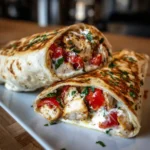
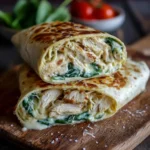
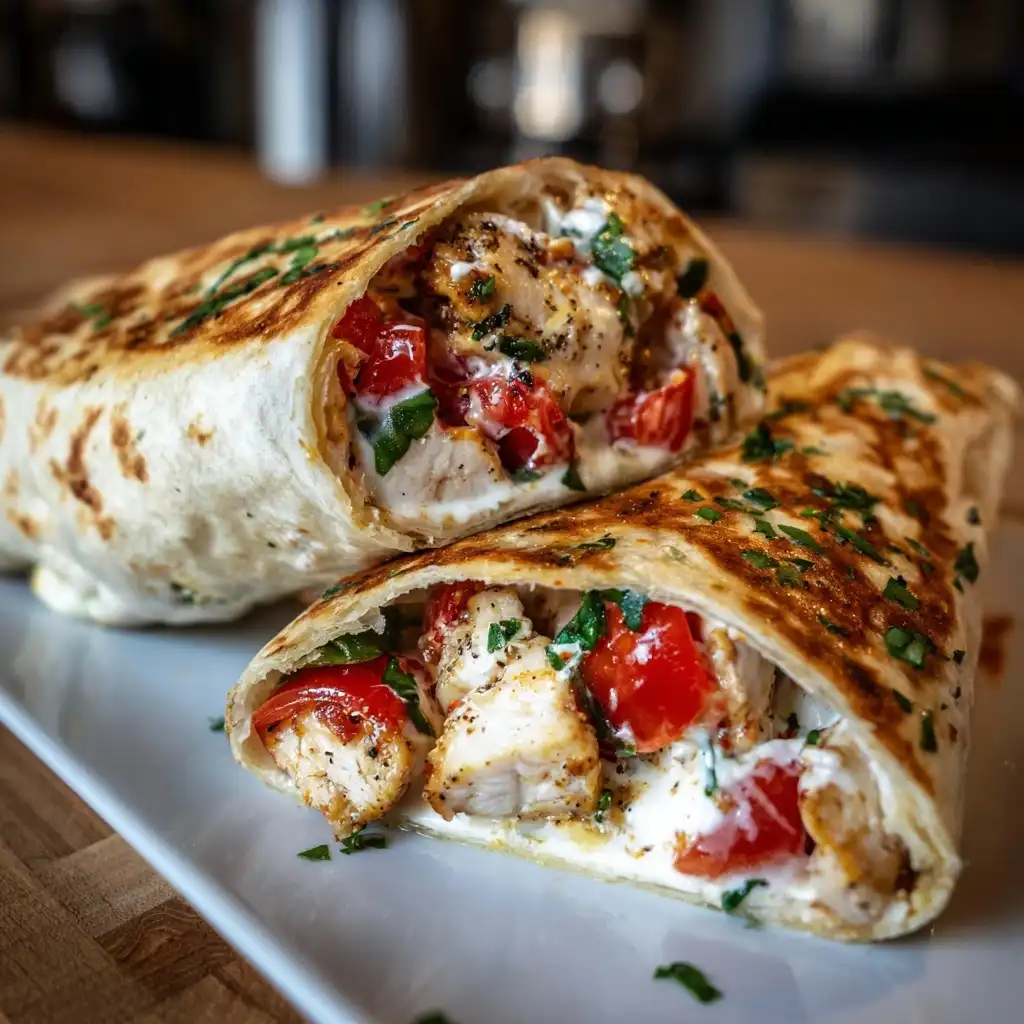
The Chicken Caprese Wrap is a vibrant, restaurant-worthy fusion dish that marries the rustic charm of Italian cuisine with the convenience and portability of modern meal prep. Born from the beloved classic Caprese salad—traditionally composed of ripe tomatoes, fresh mozzarella, fragrant basil, and a drizzle of balsamic glaze—the wrap reimagines these iconic flavors in a handheld, protein-packed format. Tender grilled or pan-seared chicken breast serves as the savory foundation, while creamy mozzarella, juicy heirloom or vine-ripened tomatoes, and aromatic fresh basil provide layers of texture and brightness. Wrapped snugly in a soft, pliable whole-wheat, spinach, or herb-infused tortilla—and often elevated with a luscious basil pesto or balsamic reduction—it delivers a harmonious balance of richness, acidity, freshness, and umami. Whether served as a satisfying lunch, post-workout recovery meal, picnic staple, or light dinner, the Chicken Caprese Wrap embodies effortless elegance, nutritional integrity, and bold Mediterranean flavor—all in one beautifully rolled package.
The History
While the Chicken Caprese Wrap has no single documented origin story, its evolution reflects broader culinary trends spanning decades. Its roots trace back to the Insalata Caprese, a simple yet iconic salad hailing from the island of Capri in Italy’s Campania region, believed to have emerged in the early 20th century—possibly as early as the 1920s—as a celebration of local, seasonal ingredients: San Marzano tomatoes (red), mozzarella di bufala (white), and fresh basil (green)—a patriotic homage to the colors of the Italian flag. As Italian-American cuisine evolved post–World War II, chefs and home cooks began experimenting with Caprese elements beyond the plate—adding them to bruschetta, pasta dishes, flatbreads, and even sandwiches. The rise of the “wrap” as a mainstream American food format gained momentum in the 1980s and ’90s, propelled by health-conscious dining movements, the popularity of fast-casual concepts like Subway and Panera Bread, and increasing demand for portable, customizable meals. By the mid-2000s, food bloggers, cooking shows, and gourmet delis began showcasing hybrid recipes like the Chicken Caprese Wrap—leveraging pre-grilled chicken (a pantry staple for busy professionals) and artisanal ingredients now widely accessible in supermarkets. Today, it stands as a testament to cross-cultural culinary innovation: an Italian soul wrapped in American practicality, continuously refined by home cooks, dietitians, meal-prep enthusiasts, and social media creators who value both taste and intentionality.
Ingredients Breakdown
Every exceptional Chicken Caprese Wrap begins with thoughtfully selected, high-quality components—each playing a distinct sensory and functional role:
- Chicken Breast: Boneless, skinless, and preferably organic or air-chilled for tenderness and clean flavor. Served warm or at room temperature, it provides lean protein, structural integrity, and a neutral canvas for bolder ingredients.
- Fresh Mozzarella: Ideally mozzarella di bufala (buffalo milk) or high-moisture fior di latte (cow’s milk). Its delicate, milky sweetness and melt-in-your-mouth creaminess contrast beautifully with acidity and herbs. Avoid low-moisture shreds—they lack authenticity and can become rubbery.
- Ripe Tomatoes: Heirloom varieties (Brandywine, Cherokee Purple), beefsteak, or flavorful vine-ripened tomatoes offer optimal juiciness, sweetness, and acidity. Roma tomatoes are acceptable for lower moisture but sacrifice some complexity.
- Fresh Basil Leaves: Large, vibrant, unblemished leaves—not dried or powdered. They contribute essential volatile oils (eugenol, linalool) responsible for the wrap’s unmistakable aromatic lift and antioxidant richness.
- Tortilla: A 10- to 12-inch flour or whole-grain tortilla, preferably with added spinach, tomato, or herbs for visual appeal and subtle earthiness. Must be pliable enough to roll without cracking—lightly warmed before assembly is non-negotiable.
- Basil Pesto: Homemade is ideal—blended fresh basil, garlic, pine nuts (or walnuts), extra-virgin olive oil, Parmigiano-Reggiano, lemon juice, and sea salt. Store-bought versions work, but check labels for preservatives, added sugars, and low-quality oils.
- Balsamic Glaze (Reduction): Not ordinary balsamic vinegar—this is a slow-simmered, syrupy condiment with intensified sweetness and tang. Enhances visual presentation with glossy ribbons and deepens the overall flavor profile.
- Extra-Virgin Olive Oil: Drizzled just before wrapping or used in marinade; choose a robust, peppery, cold-pressed variety for polyphenol benefits and authentic Italian character.
- Seasonings: Flaky sea salt (Maldon or Fleur de Sel), freshly cracked black pepper, and optional minced garlic or lemon zest for brightness and complexity.
Optional enhancements include arugula for peppery bite, roasted red peppers for smokiness, sun-dried tomatoes for concentrated sweetness, or a whisper of honey in the glaze for balance.
Step-by-Step Recipe
- Prepare the Chicken: Pat 2 boneless, skinless chicken breasts dry. Season generously with salt, pepper, and 1 tsp dried oregano (optional). Heat 1 tbsp extra-virgin olive oil in a stainless-steel or cast-iron skillet over medium-high heat. Sear chicken 5–6 minutes per side until golden and internal temperature reaches 165°F (74°C). Transfer to a cutting board, tent loosely with foil, and rest 5 minutes. Slice thinly against the grain into uniform ¼-inch strips.
- Warm the Tortillas: Stack 2 large (10–12 inch) whole-wheat or spinach tortillas. Wrap in a damp paper towel and microwave for 15–20 seconds—or heat individually on a dry skillet for 20 seconds per side until soft and pliable. Keep covered with a clean kitchen towel to retain warmth and flexibility.
- Assemble the Base Layer: Lay a warm tortilla flat on a clean surface. Spread 2 tbsp freshly made basil pesto evenly across the center, leaving a 1.5-inch border around the edges. This acts as both flavor base and “glue” to hold ingredients.
- Add the Cheese: Arrange 3–4 thin slices (about 2 oz) of fresh mozzarella in a single overlapping layer directly over the pesto. For best melt-and-bind effect, use room-temperature cheese—not chilled.
- Layer the Chicken & Tomatoes: Place warm sliced chicken in a neat horizontal row across the center third of the tortilla. Top with 4–5 thick, even slices of ripe tomato (pat dry with paper towels first to prevent sogginess). Sprinkle lightly with flaky sea salt and freshly ground black pepper.
- Incorporate Fresh Herbs: Tuck 6–8 large, whole fresh basil leaves gently over the tomatoes—avoid stacking; let them lie flat for maximum aroma release when bitten.
- Add Greens (Optional but Recommended): Scatter ¼ cup baby arugula or butter lettuce over the basil for textural contrast and added nutrients—do not overload, or rolling will be difficult.
- Drizzle & Finish: Using a small spoon or squeeze bottle, zigzag 1 tbsp balsamic glaze over the entire filling. Optional: add a final drizzle of high-quality extra-virgin olive oil and a pinch of lemon zest.
- Roll with Precision: Fold the bottom edge up over the filling, then tightly tuck and roll forward, keeping tension consistent. Fold in the left and right sides as you go—like folding an envelope—to seal in juices and prevent unraveling. Apply gentle, even pressure as you roll to compact layers without squeezing out fillings.
- Rest & Slice (Optional): Let the wrap rest seam-side down for 2 minutes to allow pesto and glaze to set slightly. For elegant presentation, slice diagonally in half with a serrated knife—wipe blade between cuts for clean edges.
Tips
- Dry Your Tomatoes Thoroughly: Excess moisture is the #1 cause of soggy, unraveled wraps. After slicing, place tomato rounds on layered paper towels, sprinkle lightly with salt, and let sit 3–5 minutes before assembling—then gently blot again.
- Use Room-Temperature Cheese: Cold mozzarella resists melding and can tear the tortilla during rolling. Let it sit out for 10–15 minutes before use.
- Don’t Skip the Resting Step for Chicken: Resting allows juices to redistribute, ensuring every slice stays moist and flavorful—not dry or stringy.
- Warm Tortillas Strategically: Overheating makes them brittle; underheating makes them stiff. Aim for pliable, soft, and slightly steamy—not hot to the touch.
- Control Pesto Consistency: If your pesto is too thick, stir in ½ tsp lemon juice or olive oil to loosen. Too thin? Add a pinch more grated Parmesan or a few more basil leaves and pulse briefly.
- Roll Tight, But Not Too Tight: You want secure cohesion—not a compressed burrito. If ingredients bulge or the tortilla tears, you’ve overfilled or rolled too aggressively.
- Meal-Prep Smart: Assemble wraps up to 24 hours ahead—but store *unwrapped* in parchment-lined airtight containers with parchment between layers. Add glaze and fresh basil only just before serving to preserve vibrancy.
- Double-Wrap for On-the-Go: For picnics or commutes, wrap finished rolls tightly in parchment paper, then aluminum foil or reusable beeswax wrap—keeps shape intact and prevents leakage.
- Cut Against the Grain for Chicken: Always slice cooked chicken perpendicular to the muscle fibers—this shortens them, yielding tender, easy-to-chew strips rather than chewy strings.
- Toast the Wrap (Optional Crisp Upgrade): Lightly grill assembled wraps in a panini press or dry skillet over medium-low heat for 60–90 seconds per side until golden and crisp—enhances texture without compromising freshness.
Variations and Customizations
The Chicken Caprese Wrap is inherently adaptable—ideal for dietary preferences, seasonal availability, and flavor experimentation. Here are 12 thoughtful variations, each preserving the core Caprese identity while offering creative nuance:
- Grilled Vegetable Caprese: Replace chicken with charred zucchini ribbons, grilled eggplant medallions, and roasted bell peppers—ideal for vegetarian or Meatless Monday meals.
- Caprese & Quinoa Power Wrap: Add ⅓ cup cooked tri-color quinoa beneath the pesto for added fiber, protein, and hearty texture—great for sustained energy.
- Mediterranean Chickpea Twist: Swap chicken for spiced, roasted chickpeas (tossed in smoked paprika, cumin, and olive oil) for plant-based protein and crunch.
- Prosciutto-Caprese Fusion: Layer 2–3 thin slices of dry-cured prosciutto beneath the mozzarella—adds salty depth and luxurious mouthfeel (omit if avoiding cured meats).
- Avocado-Basil Cream Wrap: Blend ½ ripe avocado with 1 tbsp pesto, 1 tsp lemon juice, and pinch of salt; spread as creamy base instead of plain pesto—boosts healthy fats and creaminess.
- Caprese Breakfast Wrap: Use scrambled eggs or frittata strips instead of chicken, add a sprinkle of crumbled feta, and finish with microgreens—perfect for weekend brunch.
- Spicy Arrabbiata Style: Stir ½ tsp crushed red pepper flakes into pesto or drizzle with homemade arrabbiata sauce (tomato + chili + garlic) for heat lovers.
- Fig & Balsamic Elegance: Add 2–3 thin slices of fresh Black Mission figs or chopped dried figs—complements balsamic glaze with honeyed sophistication.
- Everything Bagel Caprese: Sprinkle everything bagel seasoning (sesame, poppy, garlic, onion, salt) over mozzarella before adding tomatoes—adds addictive crunch and umami.
- Low-Carb Lettuce Wrap: Ditch the tortilla entirely—use large butter lettuce or romaine leaves as vessels. Best served immediately to maintain structure.
- Keto-Friendly Version: Use almond-flour or coconut-flour tortillas, increase olive oil and avocado, omit balsamic glaze (replace with sugar-free version or apple cider vinegar reduction), and add sliced olives.
- Kid-Friendly “No-Basil” Wrap: Substitute mild spinach or baby kale for basil, use mild mozzarella, skip balsamic glaze, and serve with a side of marinara for dipping—introduces flavors gently.
For gluten-sensitive individuals, certified gluten-free tortillas (made with brown rice, cassava, or teff flour) perform exceptionally well—just verify they’re soft enough to roll without cracking. Vegan versions thrive using house-made cashew mozzarella, grilled tofu or tempeh “chicken,” and nut-based pesto—though authenticity shifts intentionally toward inspiration.
Health Considerations and Nutritional Value
A well-constructed Chicken Caprese Wrap is a nutrient-dense, balanced meal aligned with principles of the Mediterranean Diet—consistently ranked #1 by U.S. News & World Report for overall health, heart wellness, diabetes management, and longevity. A standard 12-inch wrap (using 4 oz grilled chicken breast, 2 oz fresh mozzarella, ½ medium tomato, 1 tbsp pesto, 1 tsp balsamic glaze, 1 tsp olive oil, and a whole-wheat tortilla) delivers approximately:
- Calories: ~485–520 kcal
- Protein: 34–38 g (65–75% from high-biological-value chicken and dairy—supports muscle synthesis and satiety)
- Healthy Fats: 22–26 g (predominantly monounsaturated from olive oil, avocado oil in pesto, and mozzarella—linked to reduced LDL cholesterol and improved endothelial function)
- Carbohydrates: 32–36 g (mostly complex, fiber-rich carbs from whole-wheat tortilla and tomato—low glycemic impact; ~5–7 g dietary fiber)
- Vitamins & Minerals: Exceptionally rich in Vitamin K (from basil and greens), Vitamin C (tomatoes, basil, lemon in pesto), calcium (mozzarella), potassium (tomatoes, chicken), and antioxidants including lycopene (tomatoes), beta-carotene (basil), oleocanthal (olive oil), and polyphenols (balsamic vinegar).
Dietary Notes:
- Heart Health: No trans fats, minimal saturated fat (mozzarella contributes ~5 g sat fat—well within daily limits), zero added sugars (if glaze is homemade or verified sugar-free).
- Blood Sugar Friendly: Low glycemic load due to balanced macros and fiber content—ideal for prediabetes or insulin resistance when portion-controlled.
- Digestive Wellness: Basil contains eugenol, shown to support gastric motility; tomatoes and olive oil promote bile secretion and healthy digestion.
- Anti-Inflammatory Profile: Rich in omega-9s, polyphenols, and vitamin E—clinically associated with reduced systemic inflammation markers like CRP and IL-6.
- Weight Management Support: High-protein, high-fiber composition promotes prolonged satiety, reduces between-meal cravings, and supports lean mass retention during calorie-controlled phases.
Cautions: Those managing sodium intake should opt for low-sodium mozzarella, unsalted pesto, and limit added salt—total sodium hovers around 480–620 mg per wrap (within FDA’s “good source” threshold). Individuals with histamine intolerance may wish to moderate aged cheeses and fermented balsamic (opt for raw, unfiltered apple cider vinegar reduction instead). Lactose-intolerant individuals typically tolerate fresh mozzarella well (very low lactose), but can substitute lactose-free mozzarella or young goat cheese.
Ingredients
- 2 (6 oz) boneless, skinless chicken breasts, organic preferred
- 1 tbsp extra-virgin olive oil (for cooking)
- 1 tsp kosher salt, plus more to taste
- ½ tsp freshly ground black pepper
- 2 large (10–12 inch) whole-wheat or spinach tortillas (certified gluten-free if needed)
- ¼ cup freshly made basil pesto (see note below)
- 4 oz fresh mozzarella (fior di latte or mozzarella di bufala), sliced ¼-inch thick
- 1 medium ripe beefsteak or heirloom tomato, sliced ¼-inch thick (about 5–6 slices)
- 12–16 large fresh basil leaves, washed and patted dry
- 2 tbsp high-quality balsamic glaze (reduction)
- Flaky sea salt (e.g., Maldon) and additional black pepper, for finishing
- Optional: ¼ cup baby arugula or butter lettuce
- Optional: 1 tsp lemon zest (finely grated)
Note on Pesto: For best results, make fresh: combine 2 cups packed fresh basil leaves, ⅓ cup extra-virgin olive oil, 2 tbsp pine nuts (toasted), 1 small garlic clove, 3 tbsp grated Parmigiano-Reggiano, 1 tsp fresh lemon juice, ¼ tsp sea salt. Blend until smooth but still textured. Yields ~¾ cup—store in airtight container with thin layer of oil on top for up to 5 days refrigerated.
Directions
- Marinate & Cook Chicken: In a small bowl, mix 1 tsp olive oil, 1 tsp salt, ½ tsp pepper, and optional 1 tsp dried oregano. Rub evenly over chicken breasts. Let sit at room temperature 15 minutes. Heat remaining 2 tsp olive oil in skillet over medium-high. Cook chicken 5–6 minutes per side until deeply golden and internal temp hits 165°F. Rest 5 minutes, then slice thinly against the grain.
- Prep Components: While chicken rests, slice mozzarella and tomato. Pat tomato slices dry thoroughly with paper towels. Wash and dry basil leaves. Warm tortillas as directed in Tips section.
- Spread Pesto: Lay one warm tortilla flat. Spread 2 tbsp pesto in even layer over center third, leaving 1.5-inch border.
- Layer Cheese: Arrange mozzarella slices over pesto in single overlapping layer.
- Add Chicken & Tomato: Place warm chicken strips horizontally across center. Top with tomato slices. Sprinkle lightly with flaky salt and black pepper.
- Incorporate Basil & Greens: Gently tuck whole basil leaves over tomatoes. Scatter arugula (if using) evenly.
- Finish with Glaze & Zest: Drizzle balsamic glaze in zigzag pattern. Add lemon zest (if desired) and final pinch of flaky salt.
- Roll Securely: Fold bottom edge up over filling. Tightly roll forward, tucking sides in as you go. Apply firm, even pressure—seam should stay sealed.
- Rest & Serve: Place seam-side down. Rest 2 minutes. Slice diagonally with serrated knife. Serve immediately—or wrap for later as instructed in Tips.
FAQ
- Can I make this wrap ahead of time?
- Yes—with smart timing. Fully assemble and refrigerate up to 24 hours—but omit balsamic glaze and fresh basil until just before serving. Wrap tightly in parchment + foil to retain moisture and shape. Pesto may darken slightly but remains safe and flavorful.
- What’s the best tortilla to use?
- Look for soft, pliable, high-moisture tortillas—brands like La Tortilla Factory Whole Wheat, Mission Carb Balance, or locally milled stone-ground corn or sprouted grain options work beautifully. Avoid ultra-thin or crispy varieties—they crack easily.
- Can I use shredded mozzarella?
- Not recommended. Shredded low-moisture mozzarella lacks the delicate creaminess and meltability of fresh mozzarella—and often contains anti-caking starches that interfere with binding. If fresh isn’t available, try burrata (drained) or fresh goat cheese as alternatives.
- Is there a dairy-free version?
- Absolutely. Use cashew-based mozzarella (soaked cashews, lemon, nutritional yeast, tapioca starch, salt), tofu “chicken” marinated in Italian herbs, and vegan basil pesto (substitute nutritional yeast for Parmesan). Ensure balsamic glaze is sugar-free or date-sweetened.
- Why does my wrap fall apart?
- Most commonly due to excess moisture (wet tomatoes, cold cheese), under-warmed tortilla, overfilling, or insufficient tucking technique. Always pat tomatoes dry, warm tortillas properly, and roll with confident, steady pressure—not haste.
- Can I freeze Chicken Caprese Wraps?
- Freezing is not advised—the high water content in tomatoes and mozzarella leads to ice crystal formation, resulting in sogginess and texture degradation upon thawing. However, cooked chicken and pesto freeze exceptionally well separately for future use.
- What sides pair well with this wrap?
- Keep it Mediterranean: a simple arugula-lemon vinaigrette salad, marinated white beans, roasted asparagus with lemon zest, or a chilled cucumber-tomato-feta salad. Avoid heavy starches—let the wrap shine.
- How do I prevent the pesto from turning brown?
- Pesto oxidizes when exposed to air. To preserve vibrant green color: always cover surface directly with plastic wrap (no air pockets), add extra olive oil layer on top, or squeeze in ½ tsp lemon juice before storing. Use within 3–4 days.
- Can I grill the wrap?
- Yes! Preheat grill or griddle to medium-low. Lightly brush outside of assembled wrap with olive oil. Grill 60–90 seconds per side until golden and crisp—don’t press down. Adds smoky depth and seals in juices beautifully.
- Is this suitable for kids?
- Highly adaptable. Omit balsamic glaze (too tart), reduce garlic in pesto, use mild mozzarella, and swap basil for spinach or mild greens. Let kids assemble their own mini versions—engages picky eaters and builds food confidence.
Summary
The Chicken Caprese Wrap is a masterclass in Mediterranean-inspired simplicity—uniting tender grilled chicken, creamy fresh mozzarella, sweet-juicy tomatoes, fragrant basil, and vibrant pesto in a portable, nutrient-rich format that satisfies both palate and purpose.
With customizable variations, scalable nutrition, and chef-level flavor achievable in under 30 minutes, it’s not just a recipe—it’s a versatile, joyful cornerstone of mindful, delicious living.