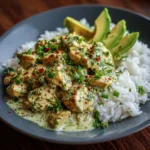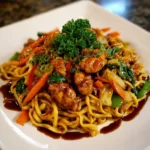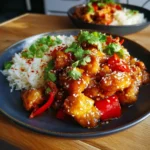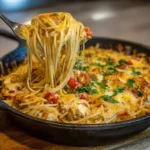
Introduction
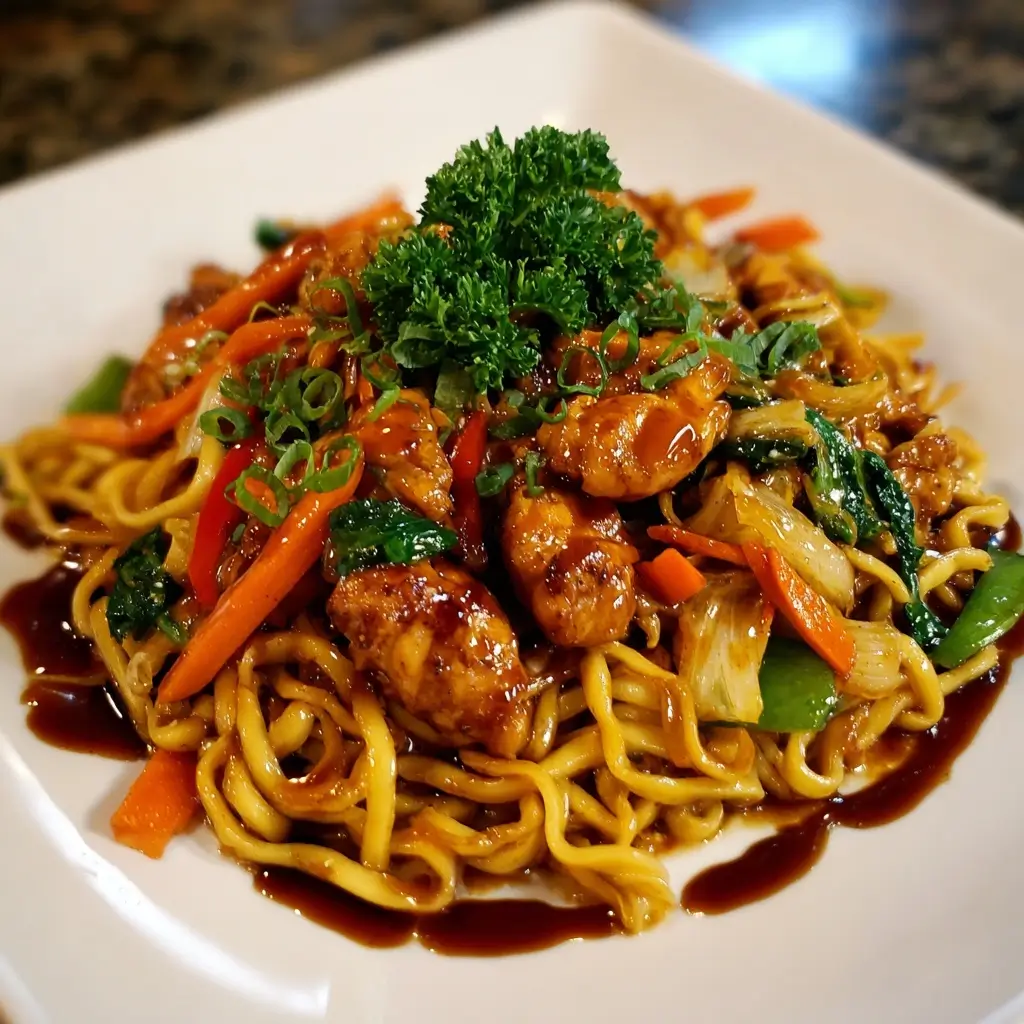
Chicken Fried Noodles are a beloved, globally inspired comfort dish that bridges the culinary traditions of East Asia, Southeast Asia, and Western home cooking. Unlike traditional stir-fried noodles that emphasize minimalism and wok hei (the distinctive smoky aroma of high-heat cooking), Chicken Fried Noodles embrace hearty, accessible flavors—tender chicken, crisp vegetables, chewy or springy noodles, and a rich, savory-sweet umami sauce—all tossed together in a single pan for maximum convenience and flavor cohesion. Whether served as a quick weeknight dinner, a satisfying lunchbox staple, or a crowd-pleasing centerpiece at family gatherings, this dish delivers warmth, texture contrast, and deep, layered taste in every bite. Its versatility allows it to adapt seamlessly to pantry staples, dietary preferences, and regional palates—making it not just a recipe, but a culinary canvas.
The History
The origins of Chicken Fried Noodles are neither singular nor strictly defined—they are the delicious result of culinary cross-pollination spanning centuries and continents. While fried noodle dishes trace back to ancient China (with archaeological evidence of wheat-based noodles dating to the Han Dynasty, 206 BCE–220 CE), the modern “chicken fried noodles” iteration emerged most prominently in the mid-20th century through several converging streams. First, Chinese immigrants in North America adapted classic chow mein techniques—using shredded chicken instead of traditional pork or beef, incorporating locally available vegetables like bell peppers and carrots, and adjusting sauce profiles to suit Western palates with milder soy, touchable sweetness, and subtle garlic-ginger depth. Simultaneously, in Southeast Asia—particularly Malaysia, Singapore, and Indonesia—versions like *Mee Goreng Ayam* evolved, featuring yellow egg noodles stir-fried with marinated chicken, shrimp paste (belacan), turmeric, and chili sambal. Post-war American military bases in Japan and Korea also catalyzed fusion: U.S. service members introduced ingredients like ketchup and Worcestershire sauce, which locals incorporated into *Yakisoba*-inspired dishes with chicken. By the 1970s and ’80s, frozen food manufacturers (e.g., Chef’s Choice, House Foods, and later brands like Blue Dragon and Lee Kum Kee) standardized simplified versions for supermarkets—cementing “chicken fried noodles” as a household phrase in English-speaking countries. Today, it exists in countless forms: from hawker stall street food drenched in caramelized shallot oil to vegan café bowls with seitan and tamari-glazed shiitakes—each telling a story of migration, adaptation, and shared nourishment.
Ingredients Breakdown
Understanding each component is key to mastering Chicken Fried Noodles—not just for replication, but for confident customization. Below is a detailed, function-driven analysis of core and optional ingredients:
- Noodles: The foundation. Egg noodles (fresh or dried) offer richness and chew; rice noodles (like wide pad thai or thin vermicelli) provide gluten-free, neutral absorbency; udon delivers bouncy, substantial heft; soba adds nutty complexity and fiber. Pre-boiled or par-cooked noodles prevent mushiness during stir-frying—undercooking by 1–2 minutes is ideal, as they finish cooking in the hot wok.
- Chicken: Boneless, skinless thighs are preferred over breasts for superior moisture retention, richer flavor, and resistance to drying out under high heat. Thinly sliced against the grain ensures tenderness. Marinating (even briefly) in soy sauce, rice wine, cornstarch, and white pepper both seasons and tenderizes via enzymatic and textural action.
- Aromatics: Garlic, ginger, and green onions form the aromatic trinity. Minced or grated garlic releases allicin rapidly; julienned or smashed ginger contributes bright, spicy warmth; white and light green parts of scallions add pungent freshness, while dark greens garnish at the end for color and bite.
- Vegetables: A balance of crunch, color, and nutrient density. Carrots (julienned or matchstick) lend sweetness and beta-carotene; bell peppers (red, yellow, or orange) contribute vitamin C and vibrant hue; cabbage (Napa or green) adds volume and delicate sweetness; broccoli florets bring earthy depth and fiber. Snow peas, bean sprouts, baby corn, and bok choy are frequent additions—each added at precise times based on cook time (e.g., sprouts go in last to retain crispness).
- Sauce Base: The soul of the dish. Soy sauce (light for saltiness, dark for color and molasses-like depth) provides umami backbone. Oyster sauce contributes briny-sweet richness (vegetarian oyster sauce made from mushrooms is an excellent substitute). Rice vinegar or lime juice adds essential brightness to cut through fat and richness. A touch of sesame oil (added off-heat) imparts nutty aroma without burning. Cornstarch slurry (mixed with cold water or broth) thickens the sauce into a glossy, clingy glaze—not too runny, not overly stiff.
- Fats & Heat Conductors: High-smoke-point oils are non-negotiable: peanut, canola, grapeseed, or refined avocado oil ensure proper searing without acrid smoke. A small amount of toasted sesame oil stirred in at the end enhances fragrance. Optional additions include chili oil for heat, fermented black beans for funk, or preserved mustard greens for tangy depth.
- Garnishes: More than decoration—they elevate temperature, texture, and final flavor notes. Crispy fried shallots or garlic chips add crunch and sweetness; roasted peanuts or cashews lend buttery richness; lime wedges offer acidity on demand; fresh cilantro or Thai basil brings herbal lift; pickled red onions introduce vibrant acidity and color.
Step-by-Step Recipe
This meticulously timed, chef-tested method prioritizes control, consistency, and restaurant-quality results—even in a home kitchen with standard equipment.
- Prep All Ingredients Mise en Place (15–20 min): Slice chicken into uniform ¼-inch strips. Marinate with 1 tbsp light soy sauce, 1 tsp Shaoxing wine (or dry sherry), 1 tsp cornstarch, ½ tsp white pepper, and 1 tsp neutral oil—set aside 10–15 min. Julienne carrots, bell peppers, and cabbage; mince garlic and ginger; slice scallions (whites and greens separated); soak dried shiitakes (if using) and squeeze dry, slicing thinly. Cook noodles per package directions—but reduce boiling time by 90 seconds. Drain thoroughly, rinse under cold water to stop cooking, then toss with 1 tsp oil to prevent sticking. Whisk together sauce: 3 tbsp light soy sauce, 1½ tbsp oyster sauce, 1 tbsp rice vinegar, 1 tsp sugar, ½ tsp sesame oil, 2 tsp cornstarch, and ¼ cup low-sodium chicken broth (or water). Set aside.
- Heat and Oil the Wok or Large Skillet (2 min): Place a 14-inch flat-bottomed wok or heavy-bottomed stainless steel/cast iron skillet over high heat for 90 seconds until lightly smoking. Add 2 tbsp neutral oil, swirl to coat, and heat until shimmering (but not smoking violently).
- Stir-Fry Chicken in Batches (3–4 min): Add half the chicken in a single layer. Let sear untouched for 45 seconds to develop fond, then stir-fry vigorously for 1.5–2 minutes until 90% cooked—opaque with slight pink near bones (if using bone-in pieces, adjust time). Transfer to a clean bowl. Repeat with remaining chicken. Do not overcrowd—this ensures browning, not steaming.
- Build Aromatics and Vegetables (3 min): Return wok to high heat; add 1 tsp oil if needed. Add ginger and garlic—stir 15 seconds until fragrant (do not brown). Immediately add scallion whites, carrots, and bell peppers. Stir-fry 1 minute until edges begin to soften but retain crunch. Push veggies to the perimeter, add cabbage and any longer-cooking greens (bok choy stems), stir-fry 30 seconds. Then add quick-cooking items: snow peas, bean sprouts, and dark green scallion parts—stir 20 seconds only.
- Combine and Sauce (2 min): Return all chicken to wok. Give sauce mixture a final whisk (cornstarch settles quickly) and pour evenly over ingredients. Immediately lower heat to medium-high and stir continuously for 60–90 seconds as sauce thickens, bubbles, and coats everything in a glistening, cohesive film. If too thick, splash in 1 tsp warm broth; if too thin, cook 15 seconds longer.
- Incorporate Noodles and Finish (1.5 min): Add drained noodles. Using two long chopsticks or tongs, gently lift and fold noodles from bottom upward—never sawing or pressing—to avoid breaking them. Toss 60 seconds until fully heated through and evenly coated. Taste and adjust: more soy for salt, rice vinegar for brightness, sugar for balance, white pepper for warmth.
- Garnish and Serve Immediately (30 sec): Transfer to a pre-warmed serving platter or individual bowls. Drizzle with ½ tsp toasted sesame oil. Scatter with crispy shallots, chopped roasted peanuts, lime wedges, and fresh cilantro. Serve piping hot—texture degrades rapidly as noodles cool and absorb moisture.
Tips
- Wok Hei Is Achievable at Home: Maximize high heat, dry ingredients, and minimal oil. Ensure your stove outputs ≥12,000 BTUs (or use a propane burner outdoors). Preheat wok until a drop of water dances and evaporates instantly—this guarantees rapid sear and volatile compound development.
- Never Skip the Cornstarch Slurry: It’s not just for thickening—it creates a protective gel layer around proteins and noodles, sealing in moisture and helping sauce adhere rather than pool.
- Rinse Noodles Thoroughly: Excess surface starch causes clumping and gummy texture. Rinsing under cold water halts cooking and removes stickiness—critical for separation and even saucing.
- Understand the “Order of Operations”: Hard vegetables first (carrots, broccoli stems), medium next (peppers, cabbage), soft last (spinach, sprouts, herbs). This prevents overcooking and preserves nutritional integrity and texture.
- Use a Lid Sparingly—but Strategically: If vegetables resist softening due to low home-stove power, cover for 30 seconds to steam gently—then uncover immediately and continue stir-frying to re-evaporate moisture and restore crispness.
- Season in Layers: Marinate protein, season aromatics lightly with salt, and adjust final balance in sauce. This builds dimensional flavor instead of one-note saltiness.
- Rest Chicken After Cooking: Let cooked chicken sit 2 minutes before adding back to wok—this allows juices to redistribute, preventing dryness when reintroduced to heat.
- Double the Sauce—Freeze Portions: Make a large batch of unthickened sauce base (no cornstarch), portion into ice cube trays, freeze, then transfer to bags. Thaw one cube + 1 tsp cornstarch + 2 tbsp broth for instant, consistent flavor anytime.
- Clean As You Go: Keep a damp towel nearby to wipe utensils and wok rim. Have a small bowl for used marinade containers and trimmings. Efficiency prevents rushed steps and improves food safety.
- Invest in Proper Tools: A pair of long-handled, heat-resistant bamboo or metal tongs offers control and reach. A flat, wide spatula helps scrape fond. A fine-mesh spider strainer is invaluable for rinsing and draining noodles cleanly.
Variations and Customizations
Chicken Fried Noodles are inherently modular—here’s how to transform them across cuisines, diets, and occasions:
- Regional Twists: Malaysian Mee Goreng Ayam: Use yellow noodles, add 1 tsp shrimp paste (belacan), 1 chopped bird’s eye chili, and top with boiled egg halves and lime. Korean Dak-Bulgogi Noodles: Swap soy for gochujang-based sauce (2 tbsp gochujang, 1 tbsp soy, 1 tbsp honey, 1 tsp grated pear), add kimchi ribbons and toasted sesame seeds. Thai Basil Chicken Noodles: Replace oyster sauce with fish sauce, add Thai basil leaves at the end, and serve with crushed peanuts and chili flakes.
- Dietary Adaptations: Gluten-Free: Use 100% rice noodles or buckwheat soba (check label), tamari instead of soy, and certified GF oyster sauce or mushroom “oyster” sauce. Vegan/Vegetarian: Substitute chicken with extra-firm tofu (pressed & pan-seared), seitan strips, or king oyster mushroom “scallops.” Use vegetarian oyster sauce and add 1 tsp nutritional yeast for umami depth. Low-Carb/Keto: Replace noodles with spiralized zucchini (zoodles), shirataki noodles (rinsed well), or blanched cabbage ribbons—add extra healthy fats (avocado oil, sesame oil, nuts) to compensate for reduced carbs.
- Protein Swaps: Shrimp (add in last 60 seconds), thinly sliced beef (marinate with baking soda for velvet tenderness), ground chicken or turkey (cook like taco meat, breaking finely), smoked chicken breast (for depth), or shredded rotisserie chicken (add at final toss to warm through only).
- Vegetable Rotations: Seasonal swaps keep nutrition diverse: asparagus in spring, cherry tomatoes and zucchini in summer, roasted sweet potatoes and kale in fall, leeks and parsnips in winter. Fermented additions (kimchi, sauerkraut, preserved radish) boost gut health and tang.
- Flavor Profiles: Smoky: Add ½ tsp chipotle powder or smoked paprika to sauce. Herbal: Stir in chopped lemongrass, kaffir lime leaves, or dill at the end. Creamy: Finish with 1 tbsp coconut milk or cashew cream. Umami Bomb: Add 1 tsp rehydrated dried porcini powder or ½ tsp MSG (optional but effective).
- Meal-Prep Friendly: Cook components separately: portion noodles, pre-chop veggies, marinate and freeze chicken in sauce portions. Reheat components individually—combine only when serving—to preserve texture. Stores refrigerated up to 4 days (noodles may soften slightly but remain flavorful).
- Kid-Friendly Version: Omit chilies and strong aromatics; use mild white miso instead of oyster sauce; add diced apple or pineapple for natural sweetness; shape into fun “noodle nests” with a fried egg “sun” on top.
- Gourmet Upgrade: Use free-range chicken thighs, hand-cut artisanal noodles, heirloom carrots and purple cabbage, house-made chili crisp, and finishing drizzle of aged black vinegar or yuzu kosho.
Health Considerations and Nutritional Value
A single 2-cup serving (approx. 450g) of homemade Chicken Fried Noodles—with lean chicken thighs, abundant vegetables, whole-grain or legume-based noodles, and mindful sauce use—offers balanced macronutrients and broad-spectrum micronutrients. Here’s a detailed nutritional snapshot (based on USDA and peer-reviewed dietary databases):
- Calories & Macronutrients: ~520–650 kcal depending on oil and noodle choice. Protein: 32–40g (excellent complete source from chicken + noodles); Healthy Fats: 18–24g (mostly unsaturated from peanut/canola oil, sesame oil, and nuts); Complex Carbohydrates: 55–70g (fiber-rich if using brown rice, buckwheat, or whole-wheat noodles—providing 6–9g dietary fiber).
- Vitamins & Minerals: Exceptionally high in Vitamin A (from carrots & peppers—supports vision/immunity), Vitamin C (bell peppers, broccoli—antioxidant & collagen synthesis), Vitamin K (cabbage, bok choy—bone & blood health), B6 & B12 (chicken—nerve function & energy metabolism), Iron (chicken thighs + spinach—if added—oxygen transport), and Selenium (chicken—thyroid & antioxidant support).
- Functional Benefits: Ginger and garlic possess anti-inflammatory and antimicrobial properties; cruciferous vegetables (cabbage, broccoli) contain sulforaphane linked to cellular detoxification; fermented garnishes (kimchi, pickles) supply probiotics for gut microbiome diversity; moderate sodium intake (controlled via low-sodium soy/tamari) supports cardiovascular wellness when balanced with potassium-rich vegetables.
- Considerations & Mitigations: Sodium can accumulate quickly—opt for low-sodium soy sauce, skip added salt, and rinse canned beans/sprouts. Added sugars in commercial oyster sauce or ketchup-based variants can spike glycemic load—choose unsweetened versions or make your own sauce. Deep-fried garnishes (shallots, garlic) add calories—bake or air-fry instead. For those managing cholesterol, leaner chicken breast or plant proteins reduce saturated fat, while increasing soluble fiber (oats, flax, psyllium) alongside the meal aids lipid regulation.
- Dietitian-Approved Swaps: Replace ½ the noodles with riced cauliflower for lower-carb impact without sacrificing volume; use Greek yogurt mixed with lime and herbs as a cooling, high-protein side dip; add 1 tbsp ground flax or chia to sauce for omega-3s and viscosity; choose organic, pasture-raised chicken to minimize antibiotic exposure and maximize CLA (conjugated linoleic acid) content.
- Not Just “Comfort Food”—It’s Functional Nutrition: When thoughtfully composed, Chicken Fried Noodles align with Mediterranean, DASH, and planetary health diet principles—emphasizing plants, lean protein, whole grains, and minimally processed ingredients. Its adaptability makes it a powerful tool for addressing malnutrition in recovery, supporting athletic fueling, or meeting increased protein needs during aging or pregnancy.
Ingredients
Makes 4 generous servings
- 12 oz (340g) fresh or dried Chinese egg noodles, rice noodles, or udon
- 1½ lbs (680g) boneless, skinless chicken thighs, sliced into ¼-inch strips
- 3 tbsp neutral high-heat oil (peanut, canola, or grapeseed), divided
- 1 tbsp minced fresh ginger
- 4 cloves garlic, finely minced
- 3 medium carrots, julienned (about 1½ cups)
- 1 large red bell pepper, thinly sliced (1 cup)
- 4 cups shredded Napa or green cabbage
- 1 cup snow peas, trimmed and halved diagonally
- 1 cup bean sprouts (mung or soy)
- 4 green onions, thinly sliced (whites and greens separated)
- ¼ cup low-sodium chicken broth or water
For the Marinade:
- 1 tbsp light soy sauce
- 1 tsp Shaoxing wine or dry sherry
- 1 tsp cornstarch
- ½ tsp freshly ground white pepper
- 1 tsp neutral oil
For the Sauce:
- 3 tbsp light soy sauce
- 1½ tbsp oyster sauce (vegetarian if desired)
- 1 tbsp unseasoned rice vinegar
- 1 tsp granulated sugar or coconut sugar
- ½ tsp toasted sesame oil
- 2 tsp cornstarch
Garnishes (optional but recommended):
- 1 tbsp toasted sesame oil (for finishing)
- ¼ cup crispy fried shallots
- ⅓ cup roasted unsalted peanuts or cashews
- Lime wedges
- Fresh cilantro or Thai basil leaves
Directions
- Marinate the chicken: In a medium bowl, combine chicken strips with marinade ingredients. Mix well, cover, and refrigerate for 10–15 minutes (or up to 2 hours for deeper flavor).
- Cook the noodles: Bring a large pot of salted water to a rolling boil. Add noodles and cook according to package instructions—but reduce time by 1 to 1.5 minutes. Drain thoroughly in a colander, rinse under cold running water until cool, then gently shake dry. Toss with 1 tsp neutral oil to prevent sticking. Set aside.
- Prepare sauce: In a small bowl, whisk together all sauce ingredients until smooth and lump-free. Set aside.
- Stir-fry chicken: Heat 1 tbsp oil in a 14-inch wok or large heavy-bottomed skillet over high heat until shimmering. Add half the chicken in a single layer. Let sear 45 seconds undisturbed, then stir-fry 1.5–2 minutes until mostly cooked through. Transfer to a clean bowl. Repeat with remaining chicken using another 1 tbsp oil. Set aside.
- Stir-fry aromatics and vegetables: Return wok to high heat. Add remaining 1 tbsp oil. Add ginger and garlic; stir 15 seconds until fragrant. Add scallion whites, carrots, and bell peppers; stir-fry 1 minute. Push to edges. Add cabbage and stir-fry 30 seconds. Then add snow peas and stir-fry 20 seconds. Finally, add bean sprouts and scallion greens; stir-fry 15 seconds only.
- Combine and sauce: Return all chicken to wok. Give sauce mixture a vigorous whisk, then pour evenly over ingredients. Reduce heat to medium-high and stir constantly for 60–90 seconds until sauce thickens, bubbles, and coats everything uniformly.
- Add noodles: Add cooled noodles. Using tongs or chopsticks, gently lift and fold noodles from bottom upward for 60 seconds until fully heated and evenly coated. Avoid aggressive stirring that breaks noodles.
- Finish and serve: Remove from heat. Drizzle with toasted sesame oil. Transfer to warmed serving platter or bowls. Top generously with crispy shallots, roasted peanuts, lime wedges, and fresh herbs. Serve immediately while hot and crisp.
FAQ
- Can I use frozen noodles?
- Yes—but thaw completely and pat *very* dry with paper towels. Frozen noodles often contain excess ice crystals that release water and cause steaming instead of frying. For best results, opt for fresh or dried varieties.
- Why does my sauce become gloopy or separate?
- Two common causes: (1) Cornstarch wasn’t fully dissolved before heating—always mix with cold liquid first; (2) Sauce was overheated after thickening—once glossy and bubbly, remove from heat immediately. Overcooking breaks down starch chains, causing weeping or splitting.
- How do I prevent soggy noodles?
- Rinse thoroughly post-boil, shake aggressively in colander, and toss with oil *before* stir-frying. Never add noodles to the wok while still wet. Also, avoid covering the wok once noodles are added—trapped steam softens them.
- Can I make this ahead of time?
- You can prep everything in advance (chop, marinate, sauce, cook noodles), but stir-fry only when ready to serve. Fully assembled leftovers will soften overnight—but taste delicious reheated in a wok with a splash of broth and extra crunch (e.g., fresh sprouts, crushed nuts).
- Is there a low-sodium version?
- Absolutely. Use low-sodium soy sauce, omit added salt, skip oyster sauce (or use a low-sodium mushroom-based alternative), and boost flavor with citrus zest, toasted sesame seeds, roasted garlic, and umami-rich ingredients like sun-dried tomatoes or dried shiitakes.
- What’s the best way to reheat leftovers?
- Do NOT microwave—this steams and gummifies noodles. Instead, heat a wok or skillet over medium-high, add 1 tsp oil, then add noodles and protein/veggies. Splash with 1 tbsp broth or water, toss constantly 2–3 minutes until sizzling and revived. Finish with fresh herbs and lime.
- Can I double this recipe?
- Yes—but cook in *batches*. Doubling ingredients in one wok lowers temperature drastically, leading to steamed, oily, uneven results. Use two skillets or repeat the process twice for optimal texture and flavor development.
- My wok isn’t “smoking”—does that matter?
- Smoke point indicates readiness—but visible smoke isn’t necessary. Look for visual cues: oil should shimmer and ripple like water; a drop of water should dance and evaporate in 1–2 seconds. That’s your signal to proceed.
- Are Chicken Fried Noodles the same as Chow Mein?
- They share ancestry but differ in technique and intent. Traditional chow mein uses *crisp-fried* noodles (deep- or pan-fried until crunchy) topped with saucy stir-fry. Chicken Fried Noodles feature *soft-yet-chewy* noodles fully integrated into the stir-fry with a cohesive