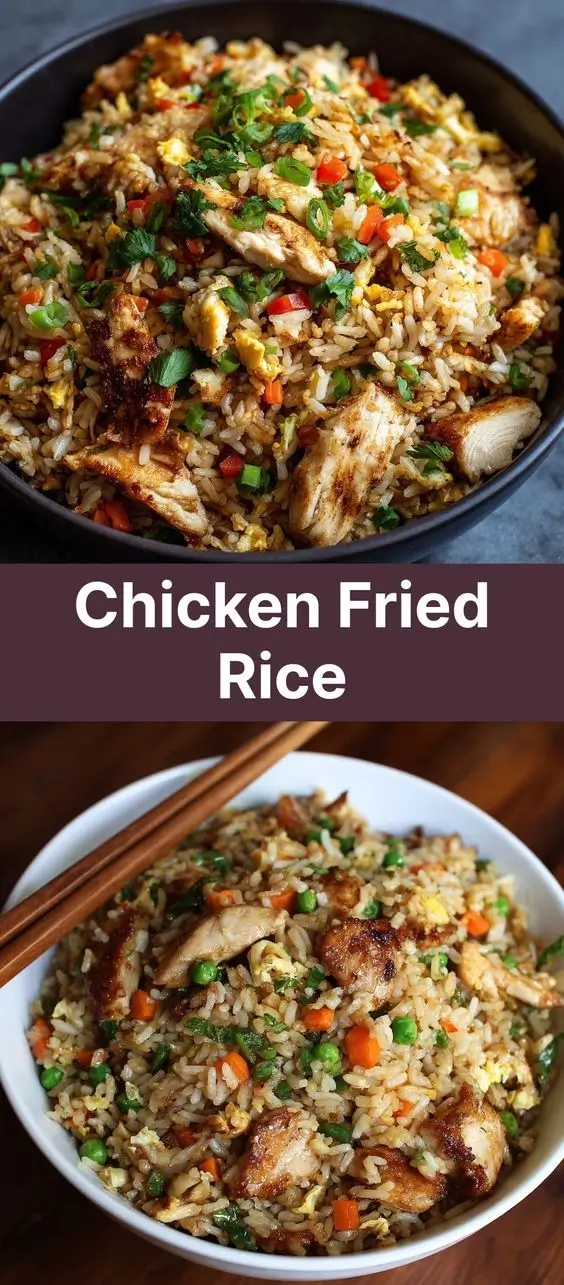
Chicken Fried Rice: A Flavorful Classic Loved Around the World
The History of Chicken Fried Rice
Chicken fried rice is a beloved staple dish that traces its roots back to ancient China, where fried rice was first developed as a practical way to use leftover rice and prevent food waste. Historical records suggest that fried rice originated during the Sui Dynasty (589–618 AD), particularly in Yangzhou, a city renowned for its culinary traditions. Over centuries, the dish evolved and spread across Asia, adapting to local tastes and ingredients. When Chinese immigrants brought their cuisine to the United States and other Western countries during the 19th and 20th centuries, chicken fried rice became a cornerstone of Chinese-American food culture.
In its journey around the world, chicken fried rice absorbed influences from Thai, Japanese, Korean, and even Hawaiian cuisines, each adding unique spices, sauces, and cooking techniques. Today, it stands as a global comfort food—ubiquitous in takeout menus, home kitchens, and restaurant specials alike. Its enduring popularity lies not only in its rich flavor and satisfying texture but also in its versatility and ease of preparation. Whether served as a quick weeknight meal or part of an elaborate feast, chicken fried rice continues to capture hearts with every bite.
Ingredients Breakdown: What Makes Chicken Fried Rice Irresistible
The magic of chicken fried rice lies in the harmony of simple yet flavorful ingredients, each contributing to the dish’s overall taste, texture, and aroma. Let’s explore the key components:
- Cooked Rice: Traditionally, day-old long-grain white rice is preferred because it’s drier and less sticky, allowing it to fry evenly without clumping. Freshly cooked rice tends to be too moist and can become mushy when stir-fried.
- Chicken: Boneless, skinless chicken breasts or thighs are commonly used. They’re diced into small cubes for even cooking and quick integration into the rice. For enhanced flavor, some cooks marinate the chicken in soy sauce, garlic, and a splash of rice wine before cooking.
- Vegetables: A colorful mix such as peas, carrots, onions, green onions, bell peppers, and sometimes corn or broccoli adds freshness, crunch, and nutritional value. Frozen vegetables work perfectly and are often more convenient.
- Eggs: Scrambled directly into the hot wok or skillet, eggs add protein and a creamy richness that blends beautifully with the rice.
- Aromatics: Minced garlic, grated ginger, and chopped green onions form the aromatic base that elevates the entire dish.
- Sauces: Soy sauce is essential for umami and saltiness. Some variations include oyster sauce, hoisin sauce, sesame oil, or fish sauce for added depth. Light soy sauce preserves color, while dark soy sauce adds richness and hue.
- Oils: A neutral high-smoke-point oil like vegetable, canola, or peanut oil is ideal for stir-frying. A few drops of toasted sesame oil at the end enhance fragrance.
- Seasonings: Salt, white pepper, and occasionally a pinch of sugar help balance flavors. Red pepper flakes or chili oil can be added for heat.
Step-by-Step Recipe: How to Make Perfect Chicken Fried Rice at Home
Creating restaurant-quality chicken fried rice at home is easier than you might think. Follow these detailed steps for a foolproof result every time.
- Prepare Ingredients: Dice 1.5 cups of cooked chicken into small pieces. Chop ¼ cup each of onion and carrots, measure ½ cup frozen peas, and slice 2–3 green onions. Mince 2 cloves of garlic and grate a small piece of fresh ginger. Beat 2 large eggs in a bowl and set aside. Have 3 cups of cold, cooked rice ready (preferably refrigerated overnight).
- Cook the Chicken: Heat 1 tablespoon of oil in a large wok or non-stick skillet over medium-high heat. Add the chicken pieces and stir-fry for 3–4 minutes until fully cooked and lightly browned. Remove and set aside.
- Scramble the Eggs: In the same pan, add a little more oil if needed. Pour in the beaten eggs and scramble gently until just set but still soft. Remove and combine with the cooked chicken.
- Sauté Aromatics and Vegetables: Add another tablespoon of oil. Toss in onions, carrots, and any other hard vegetables. Stir-fry for 2–3 minutes until slightly tender. Add garlic and ginger, cooking for another 30 seconds until fragrant. Stir in peas and soft vegetables.
- Add Rice: Increase heat to high. Add the cold rice, breaking up any clumps with a spatula. Stir constantly for 2–3 minutes to heat through and allow the grains to separate.
- Combine Everything: Return the chicken and eggs to the pan. Mix thoroughly with the rice and vegetables.
- Season: Drizzle 2–3 tablespoons of soy sauce evenly over the mixture. Add 1 teaspoon of oyster sauce (optional) and ½ teaspoon of toasted sesame oil. Season with a pinch of white pepper and salt to taste.
- Final Touch: Stir in most of the sliced green onions, reserving some for garnish. Cook for another minute to meld flavors.
- Serve Hot: Transfer to serving plates, garnish with remaining green onions, and serve immediately with chopsticks or a fork.
Tips for the Best Chicken Fried Rice
- Use Cold Rice: This cannot be overstated. Refrigerated rice has lost excess moisture, which prevents sogginess and allows for better searing.
- High Heat is Key: Stir-frying requires intense heat to achieve the characteristic “wok hei” (breath of the wok)—a smoky, charred aroma that defines authentic fried rice.
- Don’t Overcrowd the Pan: Work in batches if necessary. Overfilling lowers the temperature and causes steaming instead of frying.
- Prep Everything Ahead: Once you start cooking, the process moves quickly. Having all ingredients chopped and measured ensures smooth execution.
- Less Sauce, More Flavor: Avoid drenching the rice in soy sauce. Start with less—you can always add more—and rely on aromatics and proper technique for depth.
- Break Up Rice Clumps Early: Use a sturdy spatula to press and separate rice grains right after adding them to the pan.
- Toast the Rice: Allow the rice to sit undisturbed for 15–20 seconds between stirs to develop light browning and crisp edges.
- Finish with Sesame Oil: Always add toasted sesame oil at the end to preserve its delicate nutty aroma.
Variations and Customizations
One of the greatest strengths of chicken fried rice is its adaptability. Here are some popular twists to suit different palates and dietary needs:
- Thai-Style Chicken Fried Rice: Incorporate fish sauce, lime juice, and fresh cilantro. Top with crushed peanuts and a fried egg for extra richness.
- Korean Kimchi Fried Rice (Kimchi Bokkeumbap): Replace half the vegetables with chopped kimchi and kimchi juice. Add gochujang (Korean chili paste) for heat and serve with a sunny-side-up egg.
- Pineapple Chicken Fried Rice: Inspired by Hawaiian and Southeast Asian flavors, this version includes diced pineapple, cashews, raisins, and curry powder for a sweet-savory profile.
- Vegetarian/Vegan Option: Omit the chicken and use tofu or tempeh instead. Ensure sauces are vegan (e.g., skip oyster sauce or use mushroom-based alternatives).
- Low-Carb/Keto Version: Substitute rice with riced cauliflower. Sauté separately and combine at the end to avoid excess moisture.
- Spicy Szechuan Style: Add dried red chilies, Szechuan peppercorns, and chili oil for a numbing, fiery kick.
- Seafood Fusion: Mix in cooked shrimp or crab meat along with the chicken for a luxurious surf-and-turf twist.
- Japanese Yakitori Fried Rice: Use teriyaki-marinated chicken and finish with bonito flakes and nori strips.
Health Considerations and Nutritional Value
While chicken fried rice is delicious, understanding its nutritional content helps make healthier choices:
Nutrition per Serving (approx. 1.5 cups, homemade with white rice):
- Calories: ~350–450 kcal
- Protein: 20–25g (from chicken and eggs)
- Carbohydrates: 45–55g (mainly from rice)
- Fat: 10–15g (depends on oil and chicken cut)
- Sodium: 700–1000mg (can be reduced by using low-sodium soy sauce)
- Fiber: 3–5g (especially with added vegetables)
Health Tips:
- Choose Brown Rice: Swap white rice for brown or jasmine brown rice to increase fiber and retain more nutrients.
- Lean Protein: Use skinless chicken breast instead of thigh to reduce saturated fat.
- Limit Oil: Measure oil instead of pouring freely—stick to 1–2 tablespoons for the entire batch.
- Boost Veggies: Increase the vegetable-to-rice ratio for more vitamins, minerals, and antioxidants.
- Reduce Sodium: Opt for low-sodium soy sauce, and consider coconut aminos as a milder alternative.
- Watch Portion Sizes: Serve with a side salad or miso soup to create a balanced meal without overeating.
Ingredients
- 3 cups cold cooked white rice (preferably day-old)
- 1.5 cups cooked chicken, diced (breast or thigh)
- 2 large eggs, beaten
- 1/4 cup chopped onion
- 1/4 cup diced carrots
- 1/2 cup frozen peas
- 2–3 green onions, sliced (white and green parts separated)
- 2 cloves garlic, minced
- 1 tsp grated fresh ginger
- 3 tbsp soy sauce (or to taste)
- 1 tsp oyster sauce (optional)
- 1 tsp toasted sesame oil
- 2–3 tbsp vegetable oil (divided)
- Salt and white pepper to taste
Directions
- Heat 1 tablespoon of vegetable oil in a wok or large skillet over medium-high heat. Add diced chicken and stir-fry for 3–4 minutes until golden and cooked through. Transfer to a plate.
- Add another teaspoon of oil to the pan. Pour in beaten eggs and scramble gently until soft curds form. Remove and set aside with chicken.
- Add remaining oil. Sauté onions and carrots for 2 minutes, then add white parts of green onions, garlic, and ginger; cook for 30 seconds until fragrant.
- Stir in peas and cook for another minute.
- Increase heat to high. Add cold rice, breaking up clumps. Stir-fry for 2–3 minutes until heated through and slightly toasted.
- Return chicken and eggs to the pan. Mix well.
- Pour soy sauce and oyster sauce around the edges of the pan so it sizzles and coats the rice evenly. Add sesame oil.
- Season with salt and white pepper. Stir in green parts of green onions.
- Cook for 1 more minute, then remove from heat.
- Serve immediately in bowls, optionally garnished with extra green onions or sesame seeds.
FAQ
Can I use freshly cooked rice?
Yes, but it must be spread out to cool and dry slightly. Ideally, refrigerate for at least 1 hour to mimic the texture of day-old rice.
Can I freeze chicken fried rice?
Absolutely. Store in an airtight container for up to 3 months. Reheat in a skillet over medium heat with a splash of water to restore moisture.
Is chicken fried rice gluten-free?
Not always. Traditional soy sauce contains wheat. Use tamari or certified gluten-free soy sauce to make it safe for gluten-sensitive individuals.
Why is my fried rice sticky?
Likely due to using fresh, moist rice or too much sauce. Always use cold rice and measure liquids carefully.
Can I make it without eggs?
Yes. Simply omit the eggs. The dish will still be flavorful, especially if you boost umami with mushrooms or extra soy sauce.
What kind of rice is best?
Long-grain varieties like jasmine or basmati work well. Medium-grain white rice is also acceptable. Avoid short-grain or sushi rice, which is too sticky.
How do I get the smoky wok flavor at home?
Achieve “wok hei” by using very high heat, minimal oil, and constant stirring. A carbon steel wok over a gas flame works best. Electric stoves may require longer searing.
Summary
Chicken fried rice is a timeless, versatile dish that combines tender chicken, fluffy rice, vibrant vegetables, and savory sauces into one satisfying meal. Easy to customize and perfect for using leftovers, it’s a kitchen favorite across cultures and generations.