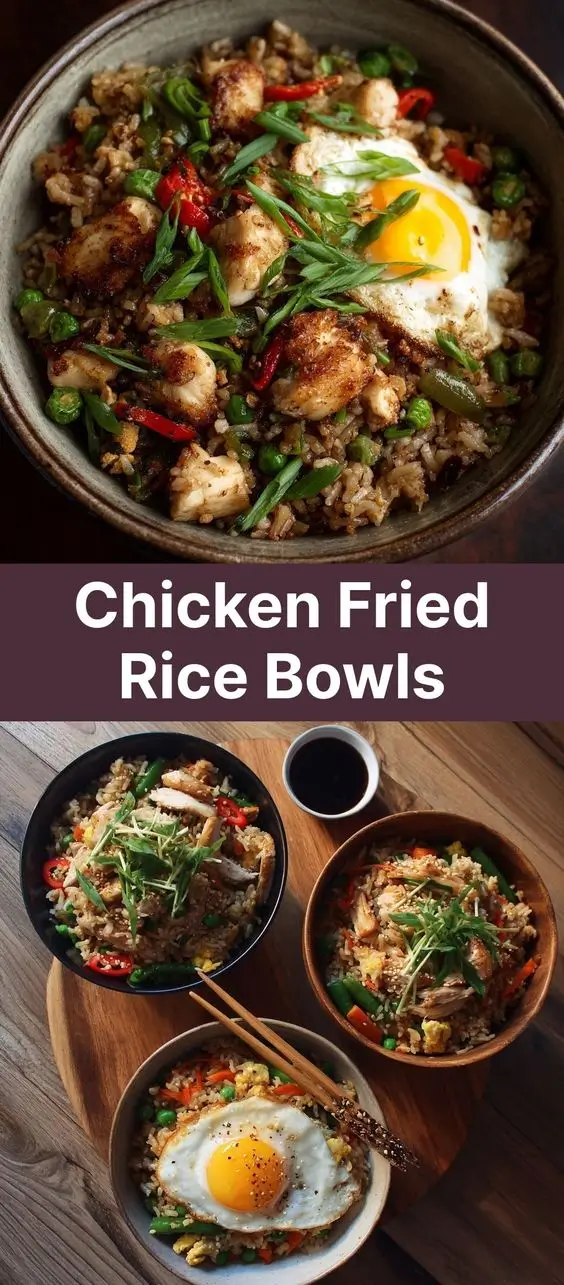
Chicken Fried Rice Bowls: A Flavorful, Hearty Meal You Can’t Resist
The History of Chicken Fried Rice Bowls
Chicken fried rice bowls trace their roots back to traditional Chinese cuisine, where fried rice has been a staple for centuries. Originating during the Sui Dynasty (589–618 AD), fried rice was initially created as a way to repurpose leftover rice and prevent food waste. Over time, it evolved into a beloved dish across Asia, with regional variations emerging in China, Japan, Korea, and Southeast Asia.
The modern “bowl” concept—where a complete meal is served in a single bowl combining grains, protein, vegetables, and sauce—gained popularity in the 20th century, particularly with the rise of fast-casual dining in the United States. The chicken fried rice bowl emerged as a fusion dish, blending authentic Asian flavors with Western convenience culture. Today, it’s a go-to meal for home cooks and restaurants alike, celebrated for its balance of flavor, nutrition, and ease of preparation.
From humble beginnings as a peasant dish to its current status as a global comfort food favorite, chicken fried rice bowls represent culinary ingenuity and cultural adaptation. Whether served in a street food stall in Bangkok or prepared in a suburban kitchen in California, this dish continues to bring people together through its warm, satisfying essence.
Ingredients Breakdown
Creating the perfect chicken fried rice bowl starts with high-quality, fresh ingredients. Each component plays a crucial role in delivering texture, aroma, and taste. Here’s a detailed look at what goes into an exceptional version of this classic dish:
- Cooked and Chilled White Rice: Preferably jasmine or long-grain white rice, cooked the day before and refrigerated. Cold rice has less moisture, which prevents mushiness and ensures each grain fries evenly.
- Chicken Breast or Thighs: Boneless, skinless chicken breast offers lean protein, while thighs provide richer flavor and juicier texture. Cut into small, uniform cubes for even cooking.
- Vegetables: A colorful mix enhances both nutrition and visual appeal. Common choices include peas, carrots, bell peppers, green onions, corn, broccoli florets, and mushrooms. Fresh or frozen work well.
- Eggs: Scrambled into the rice, eggs add creaminess and protein. They also help coat the rice grains, creating that signature fried rice texture.
- Garlic and Ginger: Freshly minced garlic and grated ginger are essential for building depth and warmth in the flavor profile.
- Soy Sauce: Use low-sodium soy sauce to control salt levels. It provides umami richness and color. Tamari can be used for a gluten-free option.
- Sesame Oil: A finishing drizzle adds nutty aroma and complexity. Never cook with pure sesame oil on high heat—it burns easily.
- Neutral Cooking Oil: Such as vegetable, canola, or avocado oil, ideal for stir-frying at high temperatures without smoking.
- Rice Vinegar or Mirin: A splash adds brightness and subtle sweetness, balancing the savory elements.
- Green Onions: For garnish. Sliced thinly, they add freshness and a mild oniony crunch.
- Sriracha or Chili Garlic Sauce (optional): For those who enjoy a spicy kick.
Optional add-ins include edamame, water chestnuts, baby corn, bean sprouts, or even pineapple chunks for a sweet-tangy twist. The beauty of this dish lies in its flexibility—feel free to tailor the ingredient list to your pantry and preferences.
Step-by-Step Recipe
Follow these detailed steps to create restaurant-quality chicken fried rice bowls right in your kitchen:
- Prepare Ingredients Ahead: Dice chicken into ½-inch cubes. Chop all vegetables uniformly. Mince garlic and grate ginger. Beat eggs in a small bowl. Have soy sauce, oils, and other liquids measured and ready. This step is critical—stir-frying moves quickly!
- Cook the Chicken: Heat 1 tablespoon of neutral oil in a large wok or non-stick skillet over medium-high heat. Add chicken cubes in a single layer and cook until golden brown and fully cooked through (about 5–7 minutes). Remove and set aside.
- Scramble the Eggs: In the same pan, add a little more oil if needed. Pour in beaten eggs and scramble gently until just set but still soft. Remove and set aside with the chicken.
- Sauté Aromatics: Add another tablespoon of oil. Toss in minced garlic and grated ginger, stirring constantly for 30 seconds until fragrant—be careful not to burn them.
- Add Vegetables: Increase heat to high and add harder vegetables first (like carrots and bell peppers), stir-frying for 2 minutes. Then add softer ones (peas, corn, green onions) and cook for another 1–2 minutes until crisp-tender.
- Incorporate Rice: Add the chilled rice, breaking up any clumps with a spatula. Spread it out to toast slightly against the hot surface for 1–2 minutes before mixing everything together.
- Season the Dish: Drizzle soy sauce evenly over the rice. Add a splash of rice vinegar or mirin. Stir well to distribute the seasoning and achieve a consistent golden hue.
- Combine All Components: Return the cooked chicken and scrambled eggs to the pan. Mix thoroughly, allowing all ingredients to heat through and absorb the flavors. Taste and adjust seasoning as needed.
- Finish with Sesame Oil: Remove from heat and drizzle with 1–2 teaspoons of toasted sesame oil. Toss one final time to release the aromatic essence.
- Assemble the Bowls: Divide the fried rice mixture among serving bowls. Garnish generously with sliced green onions, extra sesame seeds, and a drizzle of sriracha if desired.
Your chicken fried rice bowls are now ready to serve! For optimal experience, enjoy immediately while hot and fragrant.
Tips for Perfect Chicken Fried Rice Bowls
- Use Day-Old Rice: Freshly cooked rice is too moist and will steam instead of fry. Refrigerating it overnight dries it out, leading to better texture.
- High Heat is Key: Stir-frying requires intense heat to sear ingredients quickly, locking in flavor and maintaining crispness in vegetables.
- Don’t Crowd the Pan: If cooking in batches, do so to avoid steaming instead of frying. Overcrowding lowers the pan temperature dramatically.
- Prep Everything Beforehand: Once you start cooking, there’s no time to chop or measure. Mise en place is essential.
- Season in Layers: Add a pinch of salt early when cooking chicken, then rely on soy sauce later. This builds deeper flavor.
- Customize Doneness: Prefer crispier edges on your rice? Let it sit undisturbed for 30 seconds before stirring to develop a slight crust.
- Baste with Sauce: For extra flavor, mix a bit of soy sauce with water or broth and splash it in during the final toss—it creates steam that infuses the rice.
- Rest Protein Separately: Keep cooked chicken warm under foil while preparing other components to maintain juiciness.
Variations and Customizations
One of the greatest strengths of chicken fried rice bowls is their adaptability. Here are some creative ways to switch things up:
- Protein Swaps: Replace chicken with shrimp, beef strips, tofu, pork, or even duck. Each brings a unique flavor and texture profile.
- Grain Alternatives: Use brown rice, cauliflower rice (for low-carb/keto), quinoa, barley, or forbidden black rice for different nutritional benefits and appearances.
- Asian Fusion Twists:
- Teriyaki Style: Glaze with homemade teriyaki sauce made from soy sauce, honey, garlic, and ginger.
- Korean-Inspired: Add gochujang (Korean chili paste), kimchi, and top with a fried egg and sesame seeds.
- Thai Version: Incorporate curry powder, coconut milk, lime juice, and fresh cilantro.
- Vegetarian/Vegan Option: Omit chicken and eggs. Boost plant-based protein with edamame, chickpeas, or tempeh. Use flax eggs and vegan sauces.
- Pineapple Chicken Fried Rice: Add diced fresh pineapple for a sweet-and-sour tropical flair—great with cashews and red bell pepper.
- Mediterranean Fusion: Swap soy sauce for lemon-herb vinaigrette, add olives, feta, cucumber, and cherry tomatoes.
- Breakfast Bowl: Turn it into a morning meal by adding bacon, hash browns, and serving with a runny fried egg on top.
You can also theme your bowls based on dietary goals—high-protein, low-carb, gluten-free, paleo, or dairy-free—all without sacrificing taste.
Health Considerations and Nutritional Value
Chicken fried rice bowls can be a balanced, nutritious meal when prepared thoughtfully. Here’s a breakdown of the health aspects:
Nutritional Highlights (per average serving):
- Calories: Approximately 400–550 kcal depending on portion size and oil usage.
- Protein: Around 25–35g from chicken and eggs—excellent for muscle repair and satiety.
- Carbohydrates: 45–60g, primarily from rice and vegetables. Opting for brown rice increases fiber content to about 4–6g per serving.
- Fats: 10–18g, mostly unsaturated from healthy oils. Sesame oil contains heart-healthy monounsaturated fats.
- Sodium: Can range from 600–1000mg. Using low-sodium soy sauce and limiting added salt helps manage blood pressure.
Health Benefits:
- Rich in B vitamins (especially B12 and niacin) from chicken, supporting energy metabolism.
- Antioxidants from colorful vegetables like carrots (beta-carotene) and bell peppers (vitamin C).
- Ginger and garlic offer anti-inflammatory and immune-boosting properties.
- Choline from eggs supports brain health.
Dietary Adjustments:
- Lower Calorie: Reduce oil, use more vegetables, and opt for cauliflower rice.
- Low Sodium: Substitute coconut aminos for soy sauce and avoid pre-seasoned proteins.
- Diabetic-Friendly: Control carb intake with smaller rice portions and high-fiber alternatives.
- Kid-Friendly: Finely dice ingredients, reduce spice, and add mild cheese or sweet peas.
When made with whole ingredients and mindful techniques, chicken fried rice bowls can support weight management, muscle growth, and overall wellness.
Ingredients
- 2 cups cooked and chilled white rice (jasmine or long-grain)
- 1 lb boneless, skinless chicken breasts or thighs, cubed
- 3 tbsp neutral cooking oil (divided)
- 2 large eggs, beaten
- 1 cup mixed vegetables (frozen or fresh: peas, carrots, corn, bell peppers)
- 3 cloves garlic, minced
- 1 tbsp fresh ginger, grated
- 3 tbsp low-sodium soy sauce (or tamari for gluten-free)
- 1 tsp rice vinegar or mirin
- 1–2 tsp toasted sesame oil
- 4 green onions, sliced (white and green parts separated)
- Sesame seeds and sriracha (for garnish, optional)
Directions
- Heat 1 tbsp of cooking oil in a large wok or skillet over medium-high heat. Add chicken cubes and cook until golden and cooked through (5–7 minutes). Transfer to a plate and set aside.
- In the same pan, add a little more oil if needed. Pour in beaten eggs and scramble until softly set. Remove and set aside with the chicken.
- Add remaining oil, then sauté garlic, ginger, and the white parts of green onions for 30 seconds until aromatic.
- Add mixed vegetables and stir-fry for 2–3 minutes until tender-crisp.
- Increase heat to high, add chilled rice, and spread out to toast for 1 minute before stirring.
- Pour soy sauce and rice vinegar over the rice. Stir well to combine and evenly color the rice.
- Return chicken and eggs to the pan. Mix thoroughly and cook for another 2 minutes to heat through.
- Remove from heat. Drizzle with sesame oil and toss to infuse fragrance.
- Divide into bowls. Top with green onion slices, sesame seeds, and a drizzle of sriracha if desired.
- Serve immediately and enjoy!
FAQ
Can I use fresh rice instead of day-old rice?
Yes, but spread freshly cooked rice on a tray and refrigerate for at least 1–2 hours to dry it out. Otherwise, it may become mushy when stir-fried.
Can I freeze chicken fried rice?
Absolutely. Store in airtight containers for up to 3 months. Reheat in a skillet with a splash of water to restore moisture.
Is chicken fried rice healthy?
It can be! Focus on lean protein, plenty of veggies, limited oil, and controlled sodium. Choose brown rice for added fiber.
What can I substitute for soy sauce?
Coconut aminos (lower sodium, sweeter), tamari (gluten-free), or liquid aminos are excellent alternatives.
How do I make it spicier?
Add crushed red pepper flakes, chili garlic sauce, sambal oelek, or a dash of hot sauce during cooking or as a topping.
Can I make it ahead for meal prep?
Yes—this dish is ideal for weekly meal prep. Portion into containers and refrigerate for up to 4 days. Reheat in microwave or stovetop.
Why is my fried rice sticky?
Likely due to using warm, fresh rice or too much soy sauce. Always use cold rice and add sauce gradually.
Summary
Chicken fried rice bowls are a delicious, versatile, and nutritious meal that combines tender chicken, fluffy rice, vibrant vegetables, and savory seasonings in one satisfying dish.
Easy to customize, perfect for leftovers, and packed with flavor, this recipe is a weeknight dinner hero that never gets old.