Introduction
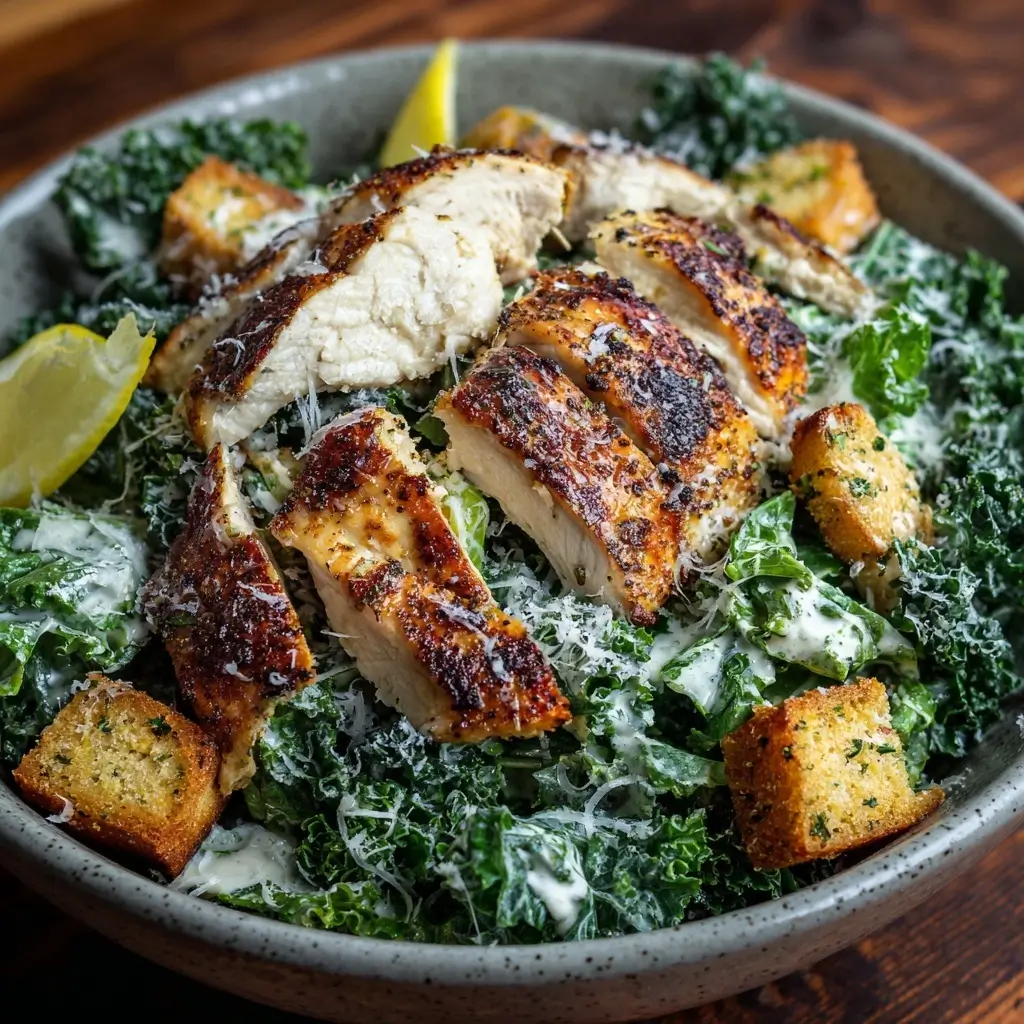
Welcome to the ultimate guide to the Chicken Kale Caesar Salad — a vibrant, nutrient-dense, and deeply satisfying modern twist on the classic Caesar. This isn’t your average lunchtime side dish; it’s a complete, balanced meal that marries the bold, umami-rich flavors of traditional Caesar dressing with the hearty texture and earthy sweetness of curly kale — all elevated by tender, herb-marinated grilled or roasted chicken breast. Whether you’re meal prepping for the week, seeking a protein-packed post-workout recovery bowl, or simply craving something fresh yet deeply flavorful, this salad delivers on every front: crunch, creaminess, savory depth, and wholesome nutrition. Unlike delicate romaine-based versions that wilt within hours, kale’s robust structure holds up beautifully — making this recipe ideal for make-ahead lunches, potlucks, or even elegant dinner party starters. In this comprehensive guide, we’ll explore its cultural roots, deconstruct each ingredient with culinary and nutritional insight, walk through foolproof preparation techniques, share pro tips for maximum flavor and texture, offer creative variations for dietary preferences (vegan, keto, dairy-free, gluten-free), analyze its macro- and micronutrient profile, and answer the most frequently asked questions — all so you can master this powerhouse salad with confidence and joy.
The History
The Chicken Kale Caesar Salad is a delicious example of culinary evolution — a 21st-century fusion born from the marriage of two iconic food movements: the enduring legacy of the Caesar salad and the kale revolution of the early 2000s. The original Caesar salad was invented in 1924 by Italian-Mexican restaurateur Caesar Cardini in Tijuana, Mexico — not Italy, as many assume. Facing a sudden influx of American guests on July 4th and dwindling pantry supplies, Cardini improvised with what he had: romaine lettuce, garlic, croutons, Parmesan, raw egg, olive oil, lemon juice, and Worcestershire sauce — tossing it tableside for theatrical flair. The addition of grilled chicken came later, popularized in the 1960s–70s as American diners sought heartier, protein-forward versions — transforming the salad into a standalone entrée.
Kale’s ascent to culinary stardom began decades later. Though long a staple in European peasant cooking — particularly in Portugal (couve) and Scotland (kail) — kale entered mainstream U.S. consciousness around 2008–2010, hailed as a “superfood” due to its extraordinary concentration of vitamins A, C, and K, calcium, antioxidants like quercetin and kaempferol, and fiber. Chefs and home cooks alike began substituting sturdy lacinato (“dinosaur”) or curly kale for delicate romaine — not only for nutritional density but also for structural integrity: kale doesn’t sulk under dressing, resists wilting, and develops a richer, more complex flavor when massaged. The Chicken Kale Caesar Salad thus represents a convergence of tradition and innovation — honoring Cardini’s spirit of resourceful creativity while embracing contemporary wellness values, sustainable eating habits, and global flavor sensibilities (e.g., incorporating anchovy paste for depth, using fermented capers for brightness, or finishing with toasted nutritional yeast for a vegan “cheesy” note).
Ingredients Breakdown
Every element in this Chicken Kale Caesar Salad plays a distinct functional and sensory role — from foundational texture to aromatic complexity, enzymatic tenderness, and umami amplification. Understanding *why* each ingredient matters helps you adapt intelligently, troubleshoot issues (like bitterness or sogginess), and elevate flavor without excess salt or fat.
Kale (Curly or Lacinato)
Use 1 large bunch (about 8–10 oz / 225–280 g) of organic curly kale or lacinato kale. Curly kale offers pronounced ruffled texture and a slightly peppery, grassy bite; lacinato (Tuscan) kale is flatter, sweeter, and more tender. Both are rich in vitamin K (over 600% DV per cup, raw), vitamin A (as beta-carotene), folate, and glucosinolates — sulfur-containing compounds linked to detoxification support and anti-inflammatory activity. Crucially, kale contains natural enzymes (myrosinase) that activate beneficial compounds when chopped and allowed to rest — enhancing bioavailability. Massaging kale with olive oil and acid breaks down tough cellulose fibers, softening its texture and mellowing bitterness.
Grass-Fed or Organic Chicken Breast
Two boneless, skinless chicken breasts (about 1 lb / 450 g total), preferably air-chilled and humanely raised. Chicken provides ~53 g of high-quality, complete protein per serving — essential for muscle synthesis, satiety, and metabolic health. Opting for pasture-raised or organic ensures lower antibiotic use, better omega-3:omega-6 ratios, and higher levels of vitamin E and selenium. Marinating in lemon zest, garlic, Dijon, and herbs not only adds flavor but also introduces proteolytic enzymes (from garlic and citrus) that gently tenderize the meat.
Homemade Caesar Dressing (Key Components)
- Anchovies (2–3 fillets or 1 tsp paste): Not merely “fishy” — they’re the secret umami engine, providing inosinate nucleotides that synergize with glutamates in Parmesan and lemon to create deep, savory complexity. Anchovies also contribute calcium, iron, and heart-healthy omega-3s (EPA/DHA).
- Fresh Garlic (1–2 cloves, finely minced): Raw garlic delivers allicin — a potent antimicrobial and cardiovascular-supportive compound activated upon crushing. Its pungency mellows beautifully when emulsified into the dressing.
- Dijon Mustard (1 tbsp): Acts as both flavor enhancer and emulsifier — its vinegar content stabilizes the oil-and-acid suspension while adding tangy depth and trace selenium.
- Fresh Lemon Juice (3 tbsp, plus zest): Bright acidity cuts richness, balances salt, and enhances iron absorption from kale (vitamin C + non-heme iron). Lemon zest contributes volatile citrus oils for aromatic lift.
- Extra-Virgin Olive Oil (½ cup): Use cold-pressed, early-harvest EVOO with peppery finish. Rich in polyphenols (oleocanthal, hydroxytyrosol), monounsaturated fats, and vitamin E — proven to reduce LDL oxidation and support endothelial function.
- Raw Pasture-Raised Egg Yolk (1 large): Traditional binder and source of lecithin for emulsification, plus choline (critical for brain and liver health) and lutein/zeaxanthin (eye-protective carotenoids). For safety-conscious cooks, pasteurized in-shell eggs or sous-vide yolk (140°F/60°C for 75 min) are excellent alternatives.
- Parmigiano-Reggiano (¼ cup, finely grated): Authentic, aged (24+ months) Italian Parmesan adds nutty, crystalline umami and calcium. Avoid pre-grated “Parmesan-style” blends — they often contain cellulose fillers and lack enzymatic depth.
- Worcestershire Sauce (1 tsp): Fermented blend of vinegar, molasses, tamarind, and anchovies — contributes layered acidity, sweetness, and fermentation-derived B vitamins.
Croutons
Make your own from day-old sourdough or whole-grain bread (3 cups cubed). Toasted in olive oil, garlic, and rosemary, they add crunch, resistant starch (for gut microbiome support), and Maillard-reaction complexity. Store-bought croutons often contain preservatives, hydrogenated oils, and excess sodium — skipping them or making your own vastly improves nutritional integrity.
Finishing Touches
Freshly cracked black pepper (antioxidant piperine enhances nutrient absorption), flaky sea salt (unrefined, mineral-rich), and optional additions like shaved radish (crisp heat), pickled red onion (bright acidity), or hemp seeds (plant-based omega-3s and magnesium) round out flavor, texture, and phytonutrient diversity.
Step-by-Step Recipe
This meticulously tested method ensures consistent results — from perfectly tender chicken to luxuriously creamy, emulsified dressing and kale that’s tender without being mushy.
Step 1: Prep & Marinate the Chicken (30 min – 2 hrs)
- Place chicken breasts between two sheets of parchment paper and gently pound to ½-inch uniform thickness using a meat mallet or heavy skillet. This ensures even cooking and prevents dryness.
- In a small bowl, whisk together 2 tbsp fresh lemon juice, 1 tbsp extra-virgin olive oil, 2 minced garlic cloves, 1 tsp Dijon mustard, 1 tsp lemon zest, ½ tsp dried oregano, ¼ tsp freshly ground black pepper, and ¼ tsp sea salt.
- Place chicken in a shallow dish, pour marinade over both sides, and refrigerate uncovered (for better surface evaporation and sear potential) for at least 30 minutes — or up to 2 hours. Do not exceed 2 hours with acidic marinade, as it may begin to “cook” the surface.
Step 2: Make the Croutons (15 min)
- Preheat oven to 375°F (190°C). Line a baking sheet with parchment.
- Toss 3 cups ¾-inch sourdough cubes with 2 tbsp EVOO, 1 minced garlic clove, 1 tsp fresh rosemary (finely chopped), ¼ tsp sea salt, and ⅛ tsp black pepper.
- Spread evenly. Bake 12–15 minutes, flipping halfway, until golden and crisp. Cool completely — they’ll crisp further as they cool.
Step 3: Prepare the Kale (10 min + resting)
- Remove thick, fibrous stems from kale leaves. Stack leaves, roll tightly, and slice thinly into ribbons (“chiffonade”).
- Place in a large bowl. Drizzle with 1 tbsp EVOO and 1 tsp lemon juice. Using clean hands, massage vigorously for 2–3 minutes — until leaves darken, soften, and reduce by ~30% in volume. This step is non-negotiable for tenderness and flavor integration.
- Let rest 10 minutes — during which time the kale absorbs acid and oil, becoming supple and ready to hold dressing.
Step 4: Cook the Chicken (12–15 min)
- Heat 1 tbsp EVOO in a cast-iron or stainless skillet over medium-high heat until shimmering.
- Pat chicken very dry with paper towels (critical for browning). Season lightly with salt and pepper.
- Add to hot pan; press gently with spatula. Sear undisturbed 5–6 minutes until deeply golden and easily releases. Flip and cook 4–5 more minutes until internal temperature reaches 155°F (68°C) — carryover heat will bring it to safe 165°F (74°C).
- Transfer to cutting board; tent loosely with foil. Rest 5 minutes — juices redistribute, yielding moist, succulent slices.
Step 5: Whisk the Caesar Dressing (5 min)
- In a medium bowl, mash anchovies and garlic to a smooth paste using the back of a spoon.
- Add Dijon, lemon juice, Worcestershire, and egg yolk. Whisk 1 minute until frothy.
- Slowly drizzle in olive oil — first drop by drop, then in a thin, steady stream — whisking constantly until thick, pale, and fully emulsified (like mayonnaise). If it breaks, start over with a new yolk and slowly whisk broken mixture in.
- Stir in grated Parmesan. Taste and adjust: more lemon for brightness, anchovy for umami, salt for balance. Dressing should be assertive — it mellows when tossed with kale.
Step 6: Assemble & Serve (5 min)
- Thinly slice rested chicken on a sharp diagonal.
- Add massaged kale to a large serving bowl. Pour over ¾ of the dressing. Using tongs, toss thoroughly — lifting and turning — until every leaf glistens. Add more dressing only if needed (kale is thirsty!).
- Gently fold in croutons and sliced chicken.
- Top with remaining Parmesan, freshly cracked black pepper, lemon zest, and optional garnishes (e.g., microgreens, capers, or chili flakes).
- Serve immediately — or refrigerate dressed salad (without croutons) up to 24 hours. Add croutons and chicken just before serving for optimal texture.
Tips
- Massage Matters: Never skip massaging kale — it transforms texture and reduces bitterness. For extra tenderness, add ¼ tsp apple cider vinegar during massage — its mild acidity further softens fibers.
- Dressing Emulsion Hack: If your dressing breaks, place 1 tsp cold water in a clean bowl and slowly whisk in the broken dressing, a teaspoon at a time, until smooth and creamy.
- Chicken Perfection Secret: Brine chicken briefly (15 min in 2 cups water + 2 tbsp salt) before marinating for unparalleled juiciness and seasoning penetration — especially helpful for lean breast meat.
- Garlic Intensity Control: For milder garlic flavor, blanch minced garlic in boiling water for 10 seconds before adding to dressing — it tames raw pungency while preserving aroma.
- Make-Ahead Strategy: Prep components separately up to 3 days ahead: cooked chicken (sliced, chilled), croutons (in airtight container), dressing (refrigerated, stir before use), and massaged kale (store in sealed container with paper towel to absorb moisture).
- Texture Contrast: For double crunch, toast slivered almonds or pepitas alongside croutons — their nutty oil complements Caesar’s richness beautifully.
- Lemon Zest First: Always zest lemons before juicing — the oils are most abundant on unwaxed, room-temperature fruit and provide unmatched aromatic intensity.
- Salting Smart: Salt kale *after* massaging — salting too early draws out water and hinders oil absorption, leading to soggy results.
- Temperature Balance: Serve chicken warm (not hot) and kale chilled — the contrast enhances mouthfeel and prevents wilting.
- Tool Tip: Use a microplane grater for ultra-fine, fluffy Parmesan — it melts into the dressing seamlessly and clings to leaves better than coarse shreds.
Variations and Customizations
This recipe is endlessly adaptable — whether accommodating allergies, dietary philosophies, seasonal produce, or flavor cravings. Here are rigorously tested, chef-approved options:
Dietary Adaptations
- Vegan Caesar: Replace chicken with marinated baked tofu or crispy chickpeas. Swap anchovies for 1 tsp white miso + ½ tsp nori powder. Use vegan Parmesan (nutritional yeast + cashews + lemon + salt) and sub aquafaba (3 tbsp) for egg yolk. Boost umami with capers and sun-dried tomato paste.
- Dairy-Free: Omit Parmesan or use aged nutritional yeast (3 tbsp) + 1 tsp lemon juice + pinch of garlic powder. Ensure Worcestershire is anchovy-free (many brands now offer vegan versions).
- Gluten-Free: Use GF-certified tamari instead of Worcestershire (which often contains malt vinegar), and ensure croutons are made from certified GF bread (e.g., gluten-free sourdough or seed-based crackers).
- Keto/Low-Carb: Increase healthy fats: add ¼ avocado (sliced), 1 tbsp hemp hearts, or 2 tbsp chopped walnuts. Skip croutons entirely or replace with crushed pork rinds or roasted sunflower seeds. Double the olive oil in dressing.
- Paleo/Whole30: Omit cheese, anchovies, and Worcestershire. Build umami with 1 tsp fish sauce (check for compliant brand), 1 tsp coconut aminos, and 1 tbsp sun-dried tomatoes (oil-packed, drained). Use almond flour croutons or roasted butternut squash cubes.
Protein Swaps
- Grilled Shrimp: Marinate jumbo shrimp in lemon, garlic, and paprika; grill 2–3 min per side. Adds iodine and astaxanthin (a potent antioxidant).
- Smoked Turkey Breast: Thinly sliced, low-sodium smoked turkey adds savory depth and convenience — ideal for quick assembly.
- Hard-Boiled Eggs: Quartered eggs add extra choline, vitamin D, and binding richness — perfect for vegetarian version.
- Seared Scallops: Dry-sear diver scallops in brown butter for luxurious elegance and marine omega-3s.
Vegetable & Texture Twists
- Seasonal Greens: Blend kale with baby spinach, arugula (for peppery bite), or shredded Brussels sprouts (roasted or raw) for layered texture and phytochemical diversity.
- Roasted Veggies: Toss in ½ cup roasted sweet potato cubes, caramelized fennel, or blistered cherry tomatoes for sweetness and complexity.
- Briny Accents: Add 1 tbsp chopped cornichons, 1 tsp capers, or 2 tbsp kalamata olives for bright, salty counterpoints.
- Herb Infusions: Stir 1 tbsp chopped fresh dill, chives, or tarragon into dressing — dill pairs exceptionally well with anchovy and lemon.
- Heat Element: Fold in ½ tsp Calabrian chili paste or sprinkle with Aleppo pepper for gentle warmth that enhances umami perception.
Global Flavor Inspirations
- Mediterranean: Add crumbled feta, diced cucumber, and chopped mint; swap lemon for sumac in dressing.
- Asian-Fusion: Use tamari, rice vinegar, toasted sesame oil, and ginger in dressing; top with edamame, shredded carrot, and sesame seeds.
- Mexican-Inspired: Add black beans, roasted corn, pickled red onion, and cotija cheese; lime juice replaces lemon, and chipotle powder warms the dressing.
- Indian-Spiced: Infuse dressing with ½ tsp garam masala and 1 tsp mango chutney; top with roasted cauliflower and cilantro.
Health Considerations and Nutritional Value
A single serving (approx. 6 cups total, with 5 oz chicken, 4 cups kale, ¼ cup croutons, and 3 tbsp dressing) delivers an exceptional balance of macronutrients and phytonutrients — designed to support sustained energy, metabolic health, gut resilience, and cellular protection.
Nutrition Snapshot (Per Serving, Approximate)
- Calories: 580–620 kcal
- Protein: 42–46 g (supports muscle maintenance, satiety, thermogenesis)
- Fat: 34–38 g (predominantly monounsaturated from EVOO and chicken; includes ~1.2 g EPA/DHA from anchovies)
- Carbohydrates: 22–26 g (of which 8–10 g is fiber — ~35% DV — promoting digestive regularity and microbiome diversity)
- Vitamin K: >1,000% DV (essential for blood clotting, bone mineralization, and vascular calcification inhibition)
- Vitamin A (as Beta-Carotene): ~220% DV (supports vision, immune function, skin integrity)
- Vitamin C: ~130% DV (collagen synthesis, iron absorption, antioxidant recycling)
- Calcium: ~25% DV (enhanced absorption via vitamin C and lactose-free format)
- Folate: ~30% DV (DNA synthesis, methylation support, prenatal health)
- Iron: ~18% DV (non-heme iron from kale, significantly boosted by vitamin C in lemon juice)
Science-Backed Benefits
Kale’s Glucosinolates: When chopped and allowed to rest, myrosinase enzyme converts glucoraphanin into sulforaphane — a compound shown in clinical studies to upregulate phase II detoxification enzymes, reduce oxidative stress markers (e.g., 8-OHdG), and modulate NF-kB inflammatory pathways.
Olive Oil Polyphenols: Oleocanthal exhibits ibuprofen-like COX inhibition (shown in vitro), while hydroxytyrosol reduces LDL oxidation by up to 50% in human trials — lowering atherosclerosis risk.
Anchovy-Derived Omega-3s: Even small amounts (1 tsp paste = ~150 mg EPA/DHA) contribute meaningfully to the anti-inflammatory omega-3 pool, especially when paired with kale’s vitamin E — which protects those delicate fats from oxidation.
Probiotic Potential: Using raw garlic and fermented Worcestershire introduces beneficial microbes and prebiotic fructans (inulin-type fibers) that feed Bifidobacteria and Lactobacillus strains — supporting gut barrier integrity and immune modulation.
Considerations for Specific Populations
- Warfarin Users: Kale’s high vitamin K content requires consistency — consume similar amounts daily rather than sporadic large servings to maintain stable INR. Consult your hematologist before major dietary shifts.
- Thyroid Conditions: Raw kale contains goitrogens (glucosinolates); steaming or massaging reduces activity by ~30%. Those with hypothyroidism should prioritize cooked kale 3–4x/week and ensure adequate iodine intake (e.g., from seafood or iodized salt).
- Kidney Disease (Stage 3+): Monitor potassium (kale = ~350 mg/cup raw) and phosphorus (naturally occurring, well-absorbed). Pair with low-potassium veggies like cabbage or zucchini if restricted.
- Low-FODMAP: Kale is low-FODMAP in servings ≤1 cup raw. Avoid garlic/onion in dressing — use garlic-infused oil instead. Skip croutons made with wheat or rye.
- Egg Allergy: Substitute pasteurized egg yolk with 1 tbsp silken tofu + ½ tsp xanthan gum, or use commercial vegan Caesar base.
Ingredients
- 1 large bunch curly or lacinato kale (8–10 oz / 225–280 g), stems removed, leaves thinly sliced
- 2 boneless, skinless chicken breasts (about 1 lb / 450 g), pounded to ½-inch thickness
- For Chicken Marinade:
– 2 tbsp fresh lemon juice
– 1 tbsp extra-virgin olive oil
– 2 garlic cloves, minced
– 1 tsp Dijon mustard
– 1 tsp lemon zest
– ½ tsp dried oregano
– ¼ tsp freshly ground black pepper
– ¼ tsp sea salt - For Croutons:
– 3 cups ¾-inch sourdough or whole-grain bread cubes
– 2 tbsp extra-virgin olive oil
– 1 garlic clove, minced
– 1 tsp fresh rosemary, finely chopped
– ¼ tsp sea salt
– ⅛ tsp black pepper - For Caesar Dressing:
– 2–3 anchovy fillets (or 1 tsp anchovy paste)
– 2 garlic cloves, minced
– 1 tbsp Dijon mustard
– 3 tbsp fresh lemon juice (plus extra zest for garnish)
– 1 tsp Worcestershire sauce
– 1 large raw pasture-raised or pasteurized egg yolk
– ½ cup extra-virgin olive oil (high-quality, peppery)
– ¼ cup finely grated authentic Parmigiano-Reggiano
– Sea salt and freshly cracked black pepper to taste - Optional Garnishes:
– Extra grated Parmesan
– Flaky sea salt
– Freshly cracked black pepper
– Lemon zest
– Microgreens or fresh parsley
– Pickled red onion or capers
Directions
- Marinate Chicken: In a shallow dish, combine all marinade ingredients. Add chicken, turning to coat. Refrigerate uncovered for 3