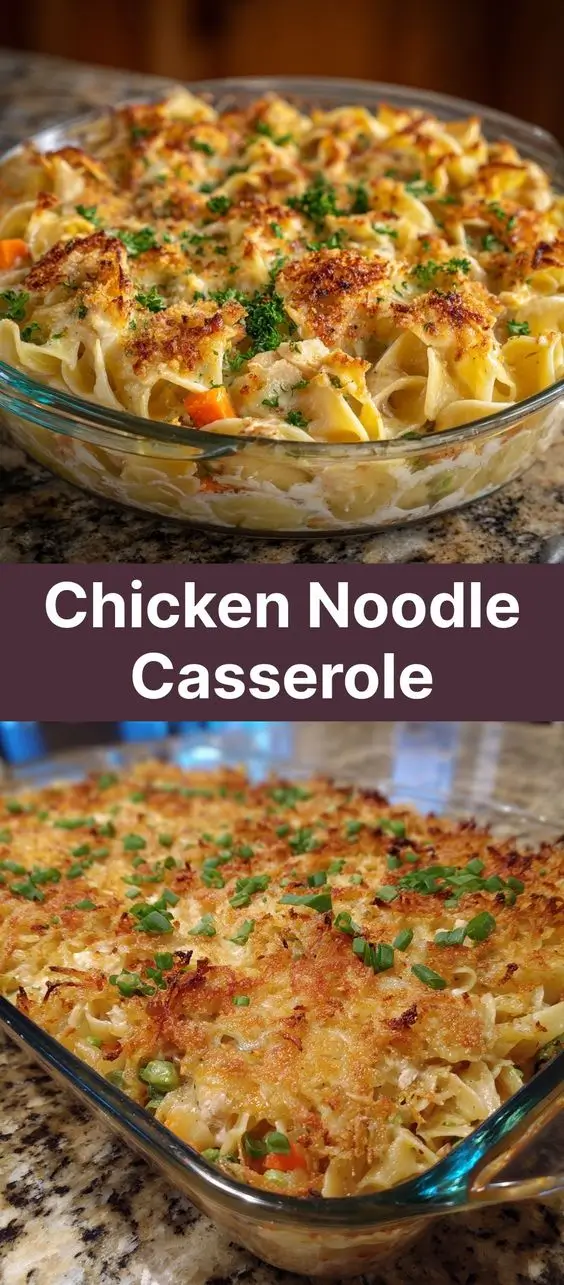
Chicken Noodle Casserole: A Comforting Classic Reimagined
The History of Chicken Noodle Casserole
The origins of chicken noodle casserole trace back to mid-20th century American home cooking, particularly during the 1950s when convenience foods and one-dish meals gained popularity. The rise of canned soups—especially cream of mushroom soup—by major food companies like Campbell’s led to a culinary revolution in household kitchens. Home cooks began combining these creamy canned soups with pantry staples such as egg noodles, cooked chicken, and frozen vegetables to create hearty, family-friendly dishes that required minimal prep time.
Chicken noodle casserole quickly became a staple at potlucks, church suppers, and weeknight dinners across America. Its roots lie in both traditional European casseroles and the American love for comfort food. It was an evolution of older dishes like chicken pot pie and baked chicken and pasta recipes, but simplified and adapted for modern lifestyles. Over time, regional variations emerged, incorporating local ingredients and cultural preferences, from Southern-style versions with buttery biscuits on top to Midwestern renditions featuring wild rice and creamed corn.
In recent decades, as awareness around nutrition and homemade cooking has grown, the recipe has undergone numerous upgrades. Modern interpretations often swap canned soup for scratch-made sauces, incorporate whole grain noodles, organic poultry, and fresh vegetables. Despite these evolutions, the essence of the dish remains unchanged: a warm, creamy, satisfying blend of tender chicken, soft noodles, and savory flavors baked into golden perfection. Today, chicken noodle casserole stands not just as a meal, but as a symbol of home, care, and culinary tradition passed down through generations.
Ingredients Breakdown: What Makes This Casserole Shine
The magic of a great chicken noodle casserole lies in its balance of textures and flavors. Each ingredient plays a crucial role in creating the final comforting masterpiece. Let’s take a detailed look at what goes into this beloved dish:
- Cooked Chicken: Typically boneless, skinless chicken breasts or thighs are used. Poaching, boiling, or roasting ensures tenderness without drying out the meat. Shredded or diced, it adds protein and savory depth.
- Egg Noodles: Wide or medium egg noodles are preferred for their rich flavor and ability to hold sauce well. They cook up soft yet retain some bite after baking.
- Cream of Mushroom Soup (or Homemade Sauce): The classic shortcut ingredient, though many now use a roux-based white sauce with sautéed mushrooms for better flavor and control over sodium and additives.
- Milk or Broth: Used to thin the sauce, adding creaminess and moisture. Whole milk provides richness; chicken broth enhances savoriness.
- Vegetables: Commonly include peas, carrots, celery, onions, and sometimes broccoli or green beans. These add color, nutrients, and texture contrast.
- Aromatics: Onion and garlic are essential for building flavor. Sautéing them before mixing into the casserole deepens the taste profile.
- Butter and Flour: Often used together to make a roux, forming the base of a homemade creamy sauce instead of relying on canned soup.
- Cheese (Optional): Cheddar, Parmesan, or Swiss can be stirred in or sprinkled on top for extra richness and browning.
- Breadcrumbs or Topping: Buttered breadcrumbs, crushed crackers (like Ritz), French fried onions, or even tater tots provide a crispy, golden crust that contrasts beautifully with the soft interior.
- Herbs and Seasonings: Thyme, parsley, rosemary, paprika, salt, and pepper bring aromatic complexity and elevate the overall flavor.
High-quality ingredients make a noticeable difference. Opting for organic chicken, farm-fresh eggs in the noodles, real butter, and low-sodium broth allows you to craft a casserole that’s both delicious and wholesome. Even small touches—like using freshly grated cheese instead of pre-shredded—can enhance meltability and flavor due to the absence of anti-caking agents.
Step-by-Step Recipe: How to Make the Perfect Chicken Noodle Casserole
Follow this comprehensive guide to create a foolproof chicken noodle casserole that’s creamy, flavorful, and perfectly baked every time.
Ingredients
- 8 oz (about 2 cups) wide egg noodles
- 3 cups cooked chicken, shredded or diced
- 2 tablespoons unsalted butter
- 1 cup chopped yellow onion
- 1/2 cup chopped celery
- 1/2 cup chopped carrots
- 2 cloves garlic, minced
- 1/4 cup all-purpose flour
- 2 cups whole milk (or half-and-half for richer texture)
- 1 cup low-sodium chicken broth
- 8 oz cremini mushrooms, sliced (optional)
- 1 cup frozen peas
- 1 teaspoon dried thyme
- 1/2 teaspoon dried rosemary
- Salt and freshly ground black pepper to taste
- 1 cup shredded sharp cheddar cheese (optional)
- 1/2 cup grated Parmesan cheese
- 1 cup seasoned breadcrumbs or crushed buttery crackers
- 2 tablespoons melted butter (for topping)
- 2 tablespoons chopped fresh parsley (for garnish)
Directions
- Preheat Oven: Set your oven to 375°F (190°C). Lightly grease a 9×13-inch baking dish with non-stick spray or butter.
- Cook the Noodles: Bring a large pot of salted water to a boil. Add egg noodles and cook according to package instructions until al dente (usually 6–7 minutes). Drain and set aside.
- Prepare the Filling Base: In a large skillet or Dutch oven, melt 2 tablespoons of butter over medium heat. Add onions, celery, and carrots. Cook for 6–8 minutes, stirring occasionally, until softened. Add mushrooms (if using) and continue cooking for another 5 minutes until they release moisture and begin to brown. Stir in garlic and cook for 30 seconds until fragrant.
- Make the Roux-Based Sauce: Sprinkle flour over the vegetable mixture and stir constantly for 1–2 minutes to cook off the raw flour taste. Gradually whisk in milk and chicken broth, ensuring no lumps form. Continue cooking and stirring until the sauce thickens and begins to bubble gently—about 5–7 minutes.
- Add Seasonings and Mix-Ins: Stir in thyme, rosemary, salt, and pepper. Taste and adjust seasoning as needed. Fold in cooked chicken, frozen peas, cooked noodles, cheddar, and half of the Parmesan cheese. Mix thoroughly until everything is evenly coated with sauce.
- Transfer to Baking Dish: Pour the mixture into the prepared baking dish, spreading it out evenly.
- Prepare the Topping: In a small bowl, combine breadcrumbs (or crushed crackers) with melted butter and the remaining Parmesan cheese. Sprinkle this mixture evenly over the casserole for a golden, crunchy topping.
- Bake: Place the dish in the preheated oven and bake uncovered for 25–30 minutes, or until the top is golden brown and the edges are bubbling.
- Rest and Serve: Remove from oven and let rest for 5–10 minutes before serving. This allows the sauce to settle and makes scooping easier. Garnish with fresh parsley.
Tips for the Best Chicken Noodle Casserole
- Don’t Overcook the Noodles: Since they’ll continue to absorb liquid while baking, always cook them al dente. Mushy noodles ruin the texture.
- Use Homemade Stock When Possible: Freshly made chicken stock adds superior flavor compared to store-bought versions.
- Sauté Vegetables Well: Taking time to properly soften and slightly caramelize the onions and other veggies builds a deeper flavor foundation.
- Balancing Creaminess: If the sauce seems too thick before baking, add a splash more milk or broth. If too thin, let it simmer longer on the stove.
- Layer Flavors: Season at multiple stages—not just at the end. Salt each component (veggies, sauce, filling) lightly for balanced taste.
- Cool Before Baking (Optional): Assembling the casserole ahead and refrigerating it for an hour helps the noodles absorb flavors better and prevents sogginess.
- Crispy Topping Tip: For extra crunch, broil the casserole for 1–2 minutes at the end—but watch closely to avoid burning.
- Reheating Without Drying Out: Add a tablespoon of milk or broth when reheating leftovers in the microwave or oven to restore moisture.
Variations and Customizations
One of the greatest strengths of chicken noodle casserole is its adaptability. Here are some popular twists to suit different tastes and dietary needs:
- Cream of Chicken Version: Replace cream of mushroom with cream of chicken soup for a lighter flavor profile.
- Dairy-Free Option: Use coconut milk or unsweetened almond milk with a dairy-free butter substitute and omit cheese or use vegan alternatives.
- Gluten-Free Adaptation: Substitute regular noodles with gluten-free egg noodles or rice noodles, and replace flour with cornstarch or gluten-free flour blend for thickening.
- Keto-Friendly Version: Swap noodles for spiralized zucchini or cauliflower florets, use heavy cream instead of milk, and thicken with xanthan gum. Top with cheese and pork rinds for crunch.
- Tex-Mex Style: Add diced green chilies, cumin, chili powder, and shredded Monterey Jack cheese. Top with tortilla strips and serve with sour cream and avocado.
- Italian-Inspired: Use penne pasta, sun-dried tomatoes, spinach, mozzarella, and marinara-swirled sauce. Top with garlic breadcrumbs.
- Wild Rice and Mushroom: Replace egg noodles with cooked wild rice blend and double the mushrooms for an earthy, upscale twist.
- Breakfast Casserole Fusion: Incorporate scrambled eggs, breakfast sausage, and hash browns for a brunch-ready version.
- Slow Cooker Method: Combine all ingredients (except topping) in a slow cooker and cook on low for 4–6 hours. Transfer to a baking dish, add topping, and broil briefly to crisp.
- Freezer-Friendly Make-Ahead: Assemble the entire casserole (without baking), wrap tightly, and freeze for up to 3 months. Thaw overnight in the fridge before baking.
Health Considerations and Nutritional Value
While traditionally seen as a comfort food high in carbohydrates and fat, chicken noodle casserole can be modified to fit various health goals. Here’s a nutritional breakdown of a standard serving (1/6 of recipe, approx. 1.5 cups) using the base recipe above:
| Nutrient | Amount per Serving |
|---|---|
| Calories | Approx. 480 kcal |
| Protein | 32g |
| Total Fat | 20g |
| Saturated Fat | 10g |
| Carbohydrates | 42g |
| Dietary Fiber | 3g |
| Sugars | 6g |
| Sodium | 600–800mg (varies by ingredients) |
| Calcium | 20% DV |
| Iron | 15% DV |
Health Benefits:
- High-Quality Protein: Chicken provides lean protein essential for muscle repair and satiety.
- Energy-Providing Carbs: Noodles offer complex carbohydrates that fuel daily activities.
- Vitamins from Veggies: Carrots supply beta-carotene (vitamin A), peas offer vitamin K and fiber, while onions and garlic contain antioxidants and anti-inflammatory compounds.
- B Vitamins: Eggs in noodles and chicken contribute B12, niacin, and selenium, supporting metabolism and immune function.
Ways to Make It Healthier:
- Use whole wheat or legume-based noodles for added fiber and protein.
- Reduce butter and cheese or opt for reduced-fat versions.
- Increase vegetable content—add spinach, kale, bell peppers, or broccoli.
- Choose skinless chicken breast and trim any visible fat.
- Control sodium by using low-sodium broth and limiting added salt.
- Bake rather than fry components to minimize excess oil.
Note: Those managing conditions like hypertension, diabetes, or heart disease should monitor portion sizes and customize accordingly. Consulting a dietitian can help tailor the recipe to specific medical needs.
Frequently Asked Questions (FAQ)
Q: Can I use rotisserie chicken?
A: Absolutely! Rotisserie chicken is a fantastic time-saver and adds excellent flavor. Just remove the skin and bones, then shred the meat.
Q: Can I prepare this casserole ahead of time?
A: Yes. You can assemble it up to 24 hours in advance and refrigerate. Add 5–10 minutes to the baking time if going straight from fridge to oven.
Q: How long do leftovers last?
A: Properly stored in an airtight container, leftovers will keep for 3–4 days in the refrigerator.
Q: Can I freeze chicken noodle casserole?
A: Yes, though dairy-based sauces may separate slightly upon thawing. For best results, freeze before baking. Thaw in the refrigerator overnight and bake as directed.
Q: Why is my casserole dry?
A: This can happen if the noodles absorbed too much liquid. Try adding more sauce or broth next time, or cover with foil during part of baking.
Q: Can I make it without eggs in the noodles?
A: Yes—substitute with regular pasta like fettuccine, linguine, or gluten-free options depending on dietary needs.
Q: Is there a vegetarian version?
A: Definitely. Omit chicken, use vegetable broth, and replace with plant-based protein like chickpeas, lentils, tofu, or tempeh.
Q: What can I serve with chicken noodle casserole?
A: It pairs wonderfully with a simple green salad, steamed green beans, roasted Brussels sprouts, or a slice of crusty bread.
Summary
Chicken noodle casserole is a timeless, versatile dish that brings warmth and satisfaction to any table, blending tender chicken, rich sauce, and soft noodles under a golden, crispy topping. Whether made from scratch or simplified with pantry staples, it remains a beloved favorite for families, busy weeknights, and comforting meals alike.