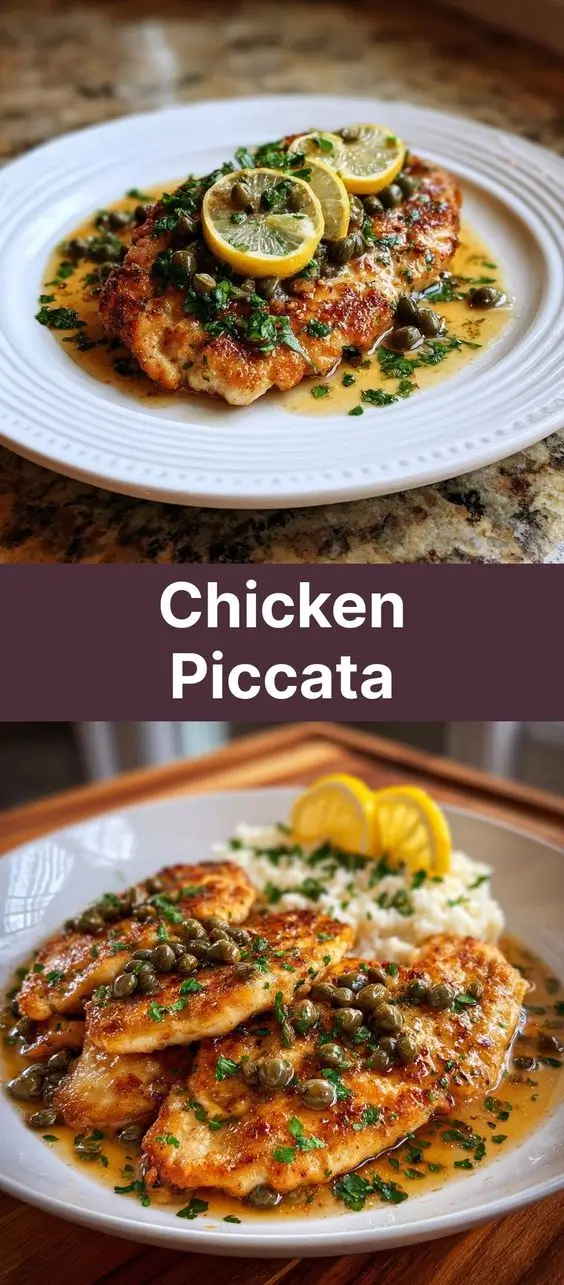
Chicken Piccata: A Classic Italian-American Delight
Chicken Piccata is a beloved dish that graces the menus of Italian-American restaurants across the United States and beyond. Known for its bright, tangy flavor and delicate texture, this dish features tender chicken cutlets bathed in a zesty lemon-butter sauce with capers and white wine. Its simplicity belies its elegance, making it a favorite among home cooks and professional chefs alike. Whether served over pasta, rice, or alongside a crisp green salad, Chicken Piccata offers a perfect balance of acidity, richness, and savory depth.
The History of Chicken Piccata
The origins of Chicken Piccata trace back to Italy, though the exact regional roots are often debated. The word “piccata” comes from the Italian word piccante, meaning “piquant” or “tangy,” which refers to the sharp, sour flavor profile created by lemon juice and vinegar. While traditionally, piccata referred to dishes made with veal—specifically Vitello alla Piccata—chicken eventually replaced veal in many American-Italian kitchens due to its affordability, accessibility, and milder taste.
In southern Italy, particularly in regions like Campania and Sicily, variations of lemon-infused meat dishes have long existed. However, the modern version of Chicken Piccata as we know it today was likely developed in the mid-20th century by Italian immigrants in the United States. These culinary innovators adapted traditional recipes using locally available ingredients, giving rise to a uniquely American interpretation of an Italian classic.
Over time, Chicken Piccata gained widespread popularity thanks to its quick preparation, restaurant-quality results, and versatility. It became a staple of Italian-American cuisine and continues to be celebrated for its vibrant taste and elegant presentation.
Ingredients Breakdown: What Makes Chicken Piccata Shine
The magic of Chicken Piccata lies in the harmony of its core ingredients. Each component plays a crucial role in building layers of flavor, texture, and aroma:
- Chicken Breast: Boneless, skinless chicken breasts are typically used. They’re sliced into thin cutlets to ensure quick and even cooking. For extra tenderness, some recipes call for pounding the chicken to an even thickness.
- All-Purpose Flour: Used for dredging the chicken before pan-frying. It creates a light golden crust and helps thicken the sauce slightly when browned bits (fond) are incorporated later.
- Lemon: Freshly squeezed lemon juice is essential—it provides the signature tartness that defines the dish. Lemon zest can also be added for intensified citrus fragrance.
- Capers: These small, briny flower buds add a punch of saltiness and acidity. Rinsed before use to remove excess brine, they burst with flavor in every bite.
- Butter: Unsalted butter enriches the sauce, adding creaminess and body. Some recipes finish the sauce with cold butter swirled in at the end (a technique called monter au beurre) for a velvety texture.
- Olive Oil: Often used in combination with butter for sautéing, olive oil adds fruitiness and prevents the butter from burning.
- White Wine: Dry white wine such as Sauvignon Blanc or Pinot Grigio deglazes the pan and introduces complexity. It enhances the acidity while mellowing the overall flavor.
- Chicken Stock or Broth: Adds depth and volume to the sauce without overpowering the other flavors.
- Garlic: Minced or thinly sliced garlic brings aromatic warmth. It should be cooked gently to avoid bitterness.
- Parsley: Fresh flat-leaf parsley is used both during cooking and as a garnish. It contributes a fresh, herbaceous note that balances the richness.
- Salt and Pepper: Essential seasonings to enhance all elements of the dish.
Step-by-Step Recipe: How to Make Perfect Chicken Piccata at Home
Follow this detailed guide to create a restaurant-worthy Chicken Piccata in your own kitchen:
Ingredients
- 4 boneless, skinless chicken breasts (about 6 oz each)
- ¾ cup all-purpose flour
- 1 tsp salt
- ½ tsp black pepper
- ½ tsp paprika (optional, for color)
- 3 tbsp olive oil (divided)
- 4 tbsp unsalted butter (divided)
- 4 cloves garlic, minced
- ½ cup dry white wine (e.g., Sauvignon Blanc)
- ½ cup low-sodium chicken broth
- ⅓ cup fresh lemon juice (from about 2 large lemons)
- 1 tbsp lemon zest (optional but recommended)
- 3 tbsp capers, drained and rinsed
- ¼ cup fresh parsley, chopped
Directions
- Prepare the Chicken: Place chicken breasts on a cutting board. If they’re thick, slice them horizontally into two thin cutlets. Alternatively, place between sheets of plastic wrap and gently pound to an even ¼-inch thickness using a meat mallet or rolling pin. This ensures even cooking and tender results.
- Dredge the Chicken: In a shallow bowl, mix flour, salt, pepper, and paprika. Lightly coat each chicken cutlet in the flour mixture, shaking off any excess. Set aside on a plate.
- Heat the Pan: In a large skillet (preferably stainless steel or nonstick), heat 2 tablespoons of olive oil and 1 tablespoon of butter over medium-high heat until hot but not smoking.
- Sear the Chicken: Add the chicken cutlets in a single layer, being careful not to overcrowd the pan. Cook for 3–4 minutes per side, or until golden brown and cooked through (internal temperature should reach 165°F). Transfer to a plate and cover loosely with foil to keep warm.
- Make the Sauce: Reduce the heat to medium. Add the remaining 1 tablespoon of olive oil to the same skillet. Add minced garlic and sauté for 30 seconds until fragrant—do not let it brown.
- Deglaze the Pan: Pour in the white wine, scraping the bottom of the pan with a wooden spoon to release the flavorful browned bits (fond). Let the wine simmer for 2–3 minutes until reduced by half.
- Add Liquids: Stir in the chicken broth, lemon juice, lemon zest, and capers. Bring to a gentle boil and cook for another 3–4 minutes to allow the sauce to reduce slightly and meld together.
- Finish the Sauce: Reduce heat to low. Swirl in the remaining 3 tablespoons of cold butter, one piece at a time, stirring constantly until fully incorporated. This gives the sauce a rich, glossy finish.
- Return Chicken to Pan: Carefully add the chicken cutlets back into the skillet. Spoon the sauce over them and simmer gently for 1–2 minutes to reheat and absorb flavors.
- Garnish and Serve: Sprinkle generously with chopped parsley. Serve immediately with your choice of side.
Tips for the Best Chicken Piccata
- Use Fresh Lemons: Bottled lemon juice lacks brightness and may contain preservatives. Always squeeze lemons fresh for optimal flavor.
- Don’t Overcook the Chicken: Thin cutlets cook quickly. Overcooking leads to dry, tough meat. Remove them from the pan as soon as they’re golden and firm.
- Control the Heat: When making the sauce, keep the heat moderate to prevent the butter from separating or the garlic from burning.
- Don’t Skip the Fond: Those browned bits left after searing the chicken are packed with flavor. Deglazing the pan properly unlocks their full potential.
- Butter Emulsification: Adding cold butter at the end thickens and enriches the sauce. Whisk continuously to create a smooth emulsion.
- Rest Before Serving: Allow the dish to sit for a minute after plating—this helps the sauce cling better to the chicken.
- Prep Ahead: Dredge the chicken and have all ingredients measured and ready (mise en place) since the cooking process moves fast.
Variations and Customizations
While traditional Chicken Piccata is timeless, there are many ways to personalize the recipe to suit dietary preferences or creative flair:
- Seafood Piccata: Substitute chicken with thin fillets of sole, tilapia, or scallops for a lighter, coastal twist.
- Mushroom Addition: Sauté sliced mushrooms (like cremini or shiitake) along with the garlic for an earthy dimension.
- Creamy Version: Stir in a splash of heavy cream or crème fraîche at the end for a richer, more luxurious sauce.
- Gluten-Free Option: Replace all-purpose flour with rice flour, cornstarch, or a gluten-free flour blend for dredging.
- Dairy-Free Adaptation: Use olive oil instead of butter throughout, or substitute with vegan butter for a similar mouthfeel.
- Extra Zest: Add orange or lime zest for a unique citrus variation.
- Spicy Kick: Include red pepper flakes when sautéing the garlic for a hint of heat.
- Herb Variations: Try tarragon, chives, or basil in place of parsley for different herbal notes.
- Wine Substitutes: If avoiding alcohol, replace wine with additional broth mixed with 1 tsp apple cider vinegar or white wine vinegar.
Health Considerations and Nutritional Value
Chicken Piccata can be part of a balanced diet when prepared thoughtfully. Here’s a breakdown of its nutritional aspects:
Nutritional Highlights (per serving, approximately 1 chicken cutlet with sauce):
- Calories: ~350–400 kcal
- Protein: ~35–40g (excellent source of lean protein)
- Fat: ~18–22g (mostly from butter and olive oil; includes heart-healthy monounsaturated fats)
- Carbohydrates: ~15–20g (primarily from flour and minimal natural sugars)
- Sodium: ~600–900mg (can vary significantly based on broth, capers, and added salt)
- Vitamin C: High from fresh lemon juice (supports immunity and iron absorption)
- B Vitamins: Found in chicken, especially niacin and B6, important for metabolism.
Health Tips:
- Reduce Sodium: Use low-sodium broth, rinse capers thoroughly, and limit added salt.
- Lower Fat: Reduce butter usage or use a butter substitute. You can also blot excess oil after cooking the chicken.
- Boost Fiber: Serve over whole wheat pasta, quinoa, or farro instead of refined grains.
- Add Vegetables: Pair with steamed broccoli, sautéed spinach, roasted asparagus, or a mixed greens salad to increase fiber and micronutrients.
- Portion Control: Stick to one cutlet per person and emphasize vegetables on the plate.
Frequently Asked Questions (FAQ)
What does “piccata” mean?
“Piccata” is an Italian culinary term referring to a dish that is cooked with lemon, garlic, and capers, resulting in a sharp, tangy flavor. Originally applied to veal, it now commonly describes chicken prepared in this style.
Can I make Chicken Piccata ahead of time?
You can prepare components in advance—dredge the chicken, measure out ingredients, or even make the sauce base—but it’s best assembled just before serving. Reheating may cause the chicken to become tough or the sauce to break.
Why did my sauce separate?
A broken sauce usually occurs when the butter is added too quickly, the heat is too high, or the sauce isn’t reduced enough before finishing. To fix it, remove from heat, whisk vigorously, or blend briefly with an immersion blender to re-emulsify.
Can I freeze Chicken Piccata?
Freezing is not recommended, especially due to the dairy-based sauce, which may separate upon thawing. The texture of the chicken can also degrade. It’s best enjoyed fresh.
What wine pairs well with Chicken Piccata?
A crisp, acidic white wine complements the dish beautifully. Try Sauvignon Blanc, Pinot Grigio, Vermentino, or a dry Italian Soave. Serve the same wine you cook with for consistency.
Is Chicken Piccata spicy?
No, despite the name sounding similar to “spicy,” piccata refers to the piquant, lemony flavor—not heat. Unless red pepper flakes are added, it is not spicy.
Can I use chicken thighs instead of breasts?
Yes, boneless, skinless chicken thighs can be used. They offer more flavor and moisture but take slightly longer to cook. Adjust thickness by slicing or pounding if needed.
How do I store leftovers?
Store in an airtight container in the refrigerator for up to 3 days. Reheat gently in a skillet over low heat with a splash of broth to refresh the sauce.
Summary
Chicken Piccata is a vibrant, zesty dish that combines tender pan-seared chicken with a luscious lemon-caper sauce, delivering a perfect balance of tangy, salty, and rich flavors. Rooted in Italian tradition and perfected in American kitchens, it remains a timeless favorite for weeknight dinners and special occasions alike.