Chicken Piccata: A Zesty Italian-American Classic
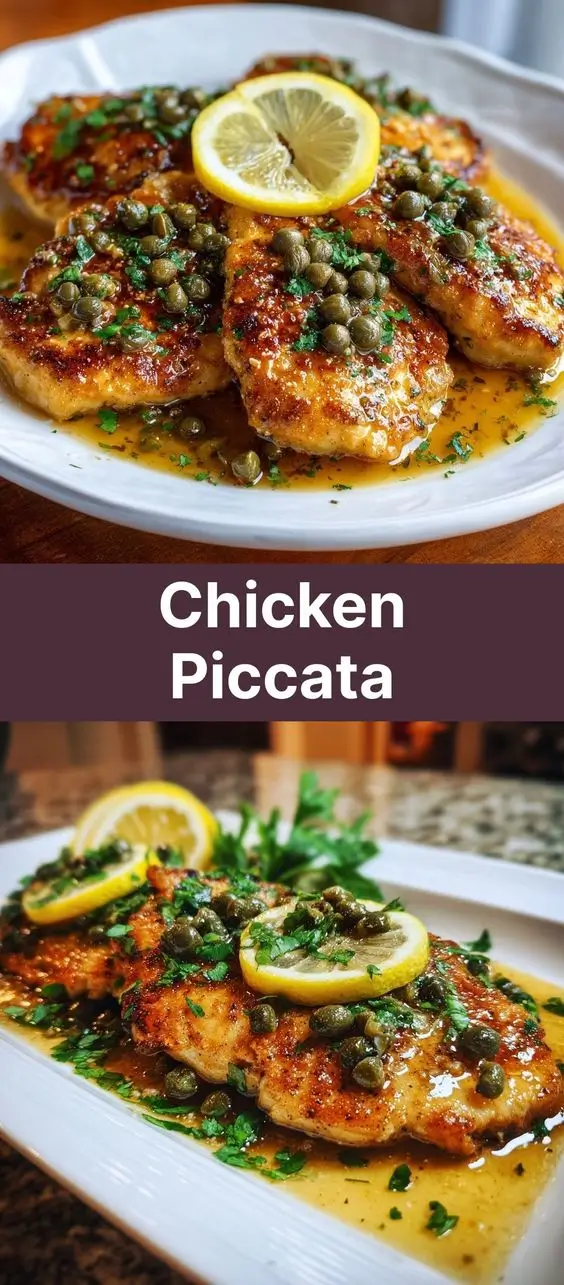
Chicken Piccata is a beloved dish that combines tender chicken cutlets with a vibrant, tangy sauce made from lemon juice, white wine, capers, and butter. Known for its bright flavor profile and elegant simplicity, it has become a staple in Italian-American cuisine and fine dining restaurants across the United States. Whether served over pasta, rice, or alongside a crisp green salad, Chicken Piccata offers a perfect balance of richness and acidity that delights the palate.
The History of Chicken Piccata
The origins of Chicken Piccata trace back to Italy, specifically the southern regions such as Campania and Sicily, where traditional recipes often feature piccata—a cooking method characterized by thinly sliced meat dredged in flour and cooked in a sharp, acidic sauce. The word “piccata” comes from the Italian verb piccare, meaning “to prick” or “to make sharp,” which refers both to the way the meat was historically tenderized and to the piquant nature of the sauce.
While the original version of this dish used veal (known as Vitello alla Piccata), chicken became a popular alternative in mid-20th century America due to its affordability and widespread availability. Italian immigrants adapted their traditional recipes using local ingredients, giving rise to what we now recognize as Chicken Piccata. Over time, it gained popularity in American homes and restaurants alike, becoming emblematic of refined yet approachable Italian-American cooking.
The dish’s enduring appeal lies not only in its delicious taste but also in its versatility. It reflects a culinary tradition rooted in maximizing flavor with minimal ingredients—a hallmark of rustic Italian cooking elevated through technique and balance.
Ingredients Breakdown: What Makes Chicken Piccata Shine
The magic of Chicken Piccata lies in its carefully balanced ingredients, each contributing to the overall harmony of texture and taste. Here’s a detailed look at every component:
- Chicken Cutlets: Boneless, skinless chicken breasts are typically pounded thin to ensure quick, even cooking. This also allows them to absorb more flavor from the sauce.
- All-Purpose Flour: Used for light dredging, flour helps create a delicate golden crust when the chicken is sautéed and thickens the sauce slightly.
- Salt and Black Pepper: Essential seasonings that enhance the natural flavor of the chicken and complement the zesty sauce.
- Olive Oil: Adds richness and aids in browning the chicken. Extra virgin olive oil contributes a subtle fruitiness.
- Unsalted Butter: Provides a creamy mouthfeel and rounds out the sharpness of the lemon and wine. Some is used during cooking; more is whisked in at the end for a silky finish.
- Garlic: Minced fresh garlic adds depth and aromatic complexity without overpowering the dish.
- Dry White Wine: Such as Sauvignon Blanc, Pinot Grigio, or Chardonnay, deglazes the pan and forms the base of the sauce, adding acidity and elegance.
- Chicken Broth: Enhances umami and helps build body in the sauce while keeping it moist and flavorful.
- Fresh Lemon Juice: The star of the show—bright, tart lemon juice gives the dish its signature tang. Freshly squeezed juice is essential for optimal flavor.
- Lemon Zest: Adds an intense citrus aroma and boosts the lemon presence without extra acidity.
- Capers: These briny, pickled flower buds from the Mediterranean add a distinct salty-tangy punch that defines Piccata sauce. Rinse them briefly if too salty.
- Fresh Parsley: Flat-leaf parsley is used both during cooking and as a garnish, lending freshness and color contrast.
Optional additions include a splash of heavy cream for a richer sauce or a pinch of red pepper flakes for heat, though purists may argue these deviate from authenticity.
Step-by-Step Recipe for Perfect Chicken Piccata
Follow this detailed guide to prepare restaurant-quality Chicken Piccata at home:
- Prepare the Chicken: Start with two boneless, skinless chicken breasts. Slice each horizontally into two thin cutlets, then place between sheets of plastic wrap or parchment paper. Gently pound with a meat mallet or rolling pin until about ¼ inch thick. This ensures tenderness and even cooking.
- Dredge the Chicken: In a shallow bowl, mix ½ cup all-purpose flour with 1 teaspoon salt and ½ teaspoon black pepper. Lightly coat each chicken cutlet in the flour mixture, shaking off excess. Set aside on a plate.
- Sear the Chicken: Heat 2 tablespoons olive oil and 1 tablespoon unsalted butter in a large skillet over medium-high heat. Once hot, add the chicken in a single layer—do not overcrowd. Cook for 3–4 minutes per side, until golden brown and cooked through (internal temperature should reach 165°F). Transfer to a plate and cover loosely with foil to keep warm.
- Make the Sauce Base: Reduce heat to medium. Add another tablespoon of butter to the same skillet. Stir in 2 cloves minced garlic and cook for 30 seconds until fragrant, being careful not to burn.
- Deglaze with Wine: Pour in ½ cup dry white wine, scraping the bottom of the pan with a wooden spoon to release any browned bits (fond), which adds immense flavor to the sauce. Simmer for 2–3 minutes until reduced by half.
- Add Broth and Seasonings: Stir in ½ cup low-sodium chicken broth, 3 tablespoons rinsed capers, and the juice of one lemon (about ¼ cup). Add 1 teaspoon lemon zest and 2 tablespoons chopped parsley. Bring to a simmer and cook for 4–5 minutes to allow flavors to meld and sauce to reduce slightly.
- Thicken the Sauce (Optional): If you prefer a thicker sauce, mix 1 teaspoon cornstarch with 1 tablespoon cold water and stir into the simmering liquid. Cook for another minute until glossy and slightly thickened.
- Finish with Butter: Remove the skillet from heat. Swirl in 2 tablespoons cold unsalted butter, one piece at a time, until fully incorporated. This step, called monter au beurre, gives the sauce a rich, velvety texture.
- Return Chicken to Pan: Carefully place the cooked chicken back into the skillet, spooning the sauce over the top. Let it warm through for 1–2 minutes.
- Serve Immediately: Plate the chicken and generously ladle the sauce over each portion. Garnish with additional lemon slices, zest, and fresh parsley.
Tips for Mastering Chicken Piccata
- Use Fresh Lemon Juice: Bottled lemon juice lacks brightness and can have off-flavors. Always use freshly squeezed lemons for the best result.
- Don’t Skip the Zest: Lemon zest contains aromatic oils that elevate the entire dish. Use a microplane for fine grating.
- Rinse Capers: Unless you enjoy extreme saltiness, rinse capers under cold water to remove excess brine before using.
- Control the Heat: Cooking the sauce over too high heat can cause the lemon juice to turn bitter. Keep it at a gentle simmer.
- Prevent Overcooking Chicken: Thin cutlets cook quickly. If they’re browning too fast, lower the heat slightly.
- Rest the Chicken: Allowing the seared chicken to rest prevents it from drying out when returned to the sauce.
- Baste While Cooking: For extra flavor, spoon some of the developing sauce over the chicken while it sears.
- Use a Non-Reactive Pan: Avoid aluminum pans when cooking with acidic ingredients like lemon juice and wine. Stainless steel or nonstick skillets work best.
- Balance the Sauce: Taste before serving. If too tart, swirl in a bit more butter. If too mild, add a squeeze more lemon or a few extra capers.
Variations and Customizations
While classic Chicken Piccata remains timeless, there are many creative ways to adapt the recipe to suit different tastes, dietary needs, or pantry limitations:
- Protein Swap: Try Veal Piccata for a more traditional version, or use turkey cutlets for a leaner option. Even firm fish like halibut or tilapia can be prepared alla piccata.
- Dairy-Free Version: Replace butter with olive oil or vegan butter alternatives. The sauce will be lighter but still flavorful.
- Gluten-Free Adaptation: Use gluten-free all-purpose flour or almond flour for dredging. Ensure your broth and wine are certified gluten-free.
- Creamy Piccata: Add ¼ cup heavy cream or crème fraîche at the end for a richer, mellowed sauce—ideal for those sensitive to acidity.
- Herb Variations: Add thyme, oregano, or basil for a different herbal note. Tarragon pairs especially well with lemon.
- Spicy Kick: Introduce crushed red pepper flakes or a dash of hot sauce to give the dish some heat.
- Extra Vegetables: Sauté sliced mushrooms, artichoke hearts, or spinach in the pan before adding the wine for a heartier meal.
- Low-Sodium Option: Use homemade or low-sodium broth, limit added salt, and opt for low-salt capers.
- Wine Substitute: No wine? Use additional chicken broth with a splash of white wine vinegar or apple cider vinegar (1 tsp per ¼ cup) to mimic acidity.
- Pasta Integration: Toss cooked angel hair, fettuccine, or orzo directly in the sauce before plating for a cohesive dish.
Health Considerations and Nutritional Value
Chicken Piccata can be part of a balanced diet when prepared thoughtfully. Here’s a nutritional breakdown per serving (assuming four servings, one cutlet with sauce):
- Calories: ~300–350 kcal
- Protein: 30g – High-quality protein supports muscle maintenance and satiety.
- Fat: 15–20g – Mostly from healthy fats in olive oil and butter. Can be reduced with modifications.
- Carbohydrates: 10–12g – Primarily from flour and minimal natural sugars.
- Sodium: Varies widely (500–900mg) depending on broth, capers, and added salt. Rinsing capers and using low-sodium ingredients helps control this.
- Vitamin C: Significant amount from lemon juice, supporting immune function and iron absorption.
- Iron & B Vitamins: Found naturally in chicken, aiding energy metabolism.
Health Tips:
- Limit butter to reduce saturated fat content.
- Increase vegetable content by serving with steamed broccoli, asparagus, or a mixed greens salad.
- Pair with whole grain pasta or quinoa instead of refined carbs for added fiber.
- Avoid excessive alcohol consumption by ensuring the wine is fully reduced—most alcohol evaporates during cooking.
- For heart-healthy eating, emphasize olive oil and moderate dairy intake.
Full Ingredients List
- 4 boneless, skinless chicken breasts (thinly sliced into 8 cutlets)
- ½ cup all-purpose flour (or gluten-free alternative)
- 1 tsp salt (divided)
- ½ tsp black pepper (divided)
- 3 tbsp olive oil (divided)
- 4 tbsp unsalted butter (divided)
- 2 cloves garlic, minced
- ½ cup dry white wine (e.g., Sauvignon Blanc)
- ½ cup low-sodium chicken broth
- Juice of 1 large lemon (about ¼ cup)
- 1 tsp lemon zest
- 3 tbsp capers, rinsed
- ¼ cup fresh flat-leaf parsley, chopped (plus extra for garnish)
- Lemon slices, for garnish
Detailed Directions
- Place chicken breasts between two sheets of plastic wrap. Using a meat mallet or heavy pan, gently pound to ¼-inch thickness. Trim if necessary for uniform size.
- In a shallow dish, combine flour, ½ tsp salt, and ¼ tsp black pepper. Dredge each cutlet lightly, shaking off excess. Set aside.
- Heat 2 tbsp olive oil and 1 tbsp butter in a large skillet over medium-high heat until shimmering.
- Add chicken in batches to avoid crowding. Cook 3–4 minutes per side until golden and internal temperature reaches 165°F. Transfer to a plate and cover with foil.
- Reduce heat to medium. Add remaining 1 tbsp butter to the skillet. Stir in garlic and cook 30 seconds until fragrant.
- Pour in white wine, scraping up browned bits. Simmer 2–3 minutes until reduced by half.
- Add chicken broth, lemon juice, lemon zest, capers, and 2 tbsp parsley. Bring to a gentle simmer and cook 4–5 minutes to concentrate flavors.
- (Optional) For a thicker sauce, stir in a cornstarch slurry (1 tsp cornstarch + 1 tbsp water) and simmer 1 minute.
- Remove from heat. Whisk in remaining 2 tbsp cold butter, one piece at a time, until smooth and glossy.
- Return chicken to the skillet, turning to coat in sauce. Warm through 1–2 minutes over low heat.
- Taste and adjust seasoning—add more salt, pepper, or lemon if needed.
- Serve immediately with sauce spooned over the top. Garnish with lemon slices and fresh parsley.
Frequently Asked Questions (FAQ)
Q: Can I make Chicken Piccata ahead of time?
A: While best served fresh, you can prep components in advance. Pound and dredge chicken up to 24 hours ahead and refrigerate. Make the sauce separately and reheat, adding butter just before serving.
Q: Why is my sauce too sour?
A: Too much lemon juice or unbalanced flavors can make the sauce overly tart. Adjust by adding more butter, a touch of honey, or extra broth to dilute.
Q: Can I freeze Chicken Piccata?
A: Freezing is not recommended due to the dairy and delicate texture of the sauce, which may separate upon thawing. However, cooked chicken without sauce freezes well for up to 3 months.
Q: What wine should I use?
A: Choose a dry, crisp white wine you’d enjoy drinking—Sauvignon Blanc, Pinot Grigio, or unoaked Chardonnay work best. Avoid “cooking wine” as it contains added salt and preservatives.
Q: Can I use bottled lemon juice?
A: Not ideal. Fresh lemon juice provides superior brightness and lacks the metallic aftertaste of preserved versions.
Q: How do I store leftovers?
A: Store in an airtight container in the refrigerator for up to 3 days. Reheat gently on the stove over low heat to preserve texture.
Q: Is Chicken Piccata spicy?
A: No, it’s not inherently spicy. The term “piccata” refers to the sharp, tangy flavor from lemon and capers, not heat. You can add red pepper flakes if desired.
Q: What sides go well with Chicken Piccata?
A: Classic pairings include linguine, mashed potatoes, risotto, orzo, or a simple arugula salad. Roasted vegetables like asparagus or green beans also complement the dish beautifully.
Summary
Chicken Piccata is a luminous dish that marries tender sautéed chicken with a vibrant sauce of lemon, wine, capers, and herbs—offering a perfect harmony of tart, savory, and rich flavors. Easy to prepare yet elegant enough for guests, it exemplifies the brilliance of Italian-American comfort food at its finest.