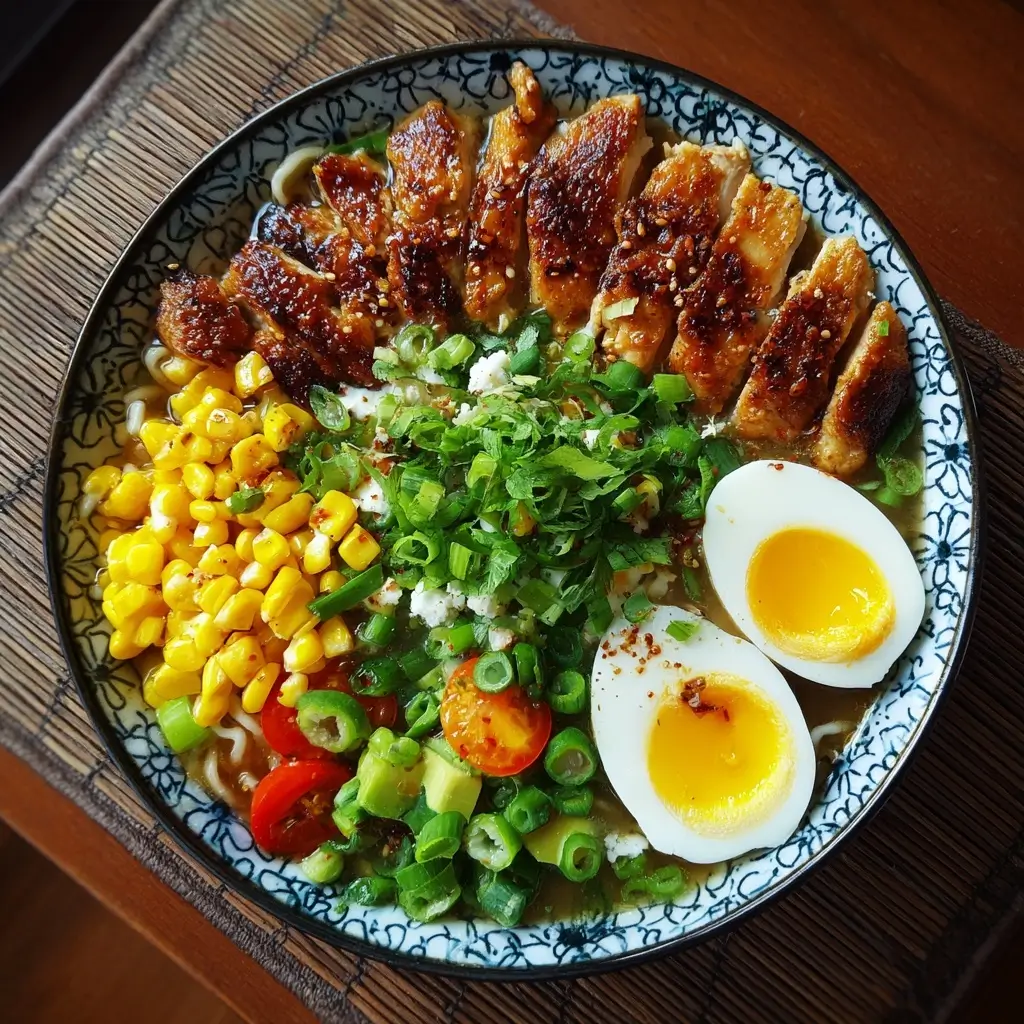
Chicken Ramen Bowl: A Comforting Bowl of Umami Delight
The History of the Chicken Ramen Bowl
Ramen, as we know it today, has a rich and complex history that traces back to China but was perfected in Japan. Although ramen’s origins can be linked to Chinese wheat noodles introduced during the late 19th or early 20th century, it wasn’t until the post-World War II era that ramen evolved into a uniquely Japanese dish. With limited resources and a growing need for affordable, filling meals, ramen became a staple across Japan, with regional variations emerging based on local tastes and available ingredients.
The chicken ramen bowl, while less traditional than pork-based tonkotsu or soy sauce-based shoyu ramen, has gained immense popularity due to its lighter profile and universal appeal. Unlike its heavier counterparts, chicken ramen relies on a clear, aromatic broth made from simmered chicken bones, vegetables, and seasonings. It reflects a modern shift toward healthier, more balanced meals without sacrificing depth of flavor. Today, the chicken ramen bowl is enjoyed not only in Japan but worldwide, especially in health-conscious and home cooking communities where simplicity meets elegance.
Ingredients Breakdown: What Makes a Chicken Ramen Bowl Shine?
The magic of a great chicken ramen bowl lies not in complexity, but in the harmony of high-quality, thoughtfully chosen ingredients. Each component plays a vital role in building layers of flavor, texture, and visual appeal. Let’s break down the core elements:
- Chicken Broth: The foundation of the dish. Homemade broth made from chicken bones (preferably with some meat still attached), simmered for several hours with aromatics like ginger, garlic, scallions, and kombu (dried kelp), yields a rich, golden liquid bursting with umami.
- Ramen Noodles: Fresh or dried wheat noodles with a springy, chewy texture. They should hold up well in hot broth without becoming mushy. Look for alkaline noodles (containing kansui) for authentic texture.
- Protein: Poached or roasted chicken breast, shredded rotisserie chicken, or even sous-vide chicken thighs add tender, juicy bites. Some versions use marinated soft-boiled eggs (ajitsuke tamago) for extra richness.
- Aromatics and Vegetables: Thinly sliced scallions, fresh garlic, grated ginger, sautéed mushrooms (shiitake or enoki), baby bok choy, corn kernels, or spinach elevate both flavor and nutrition.
- Seasoning Agents: Soy sauce (or tamari for gluten-free), mirin, rice vinegar, sesame oil, miso paste, or white pepper are used to fine-tune the broth’s taste—balancing saltiness, sweetness, acidity, and warmth.
- Toppings: Nori (seaweed sheets), toasted sesame seeds, chili oil, pickled ginger, kimchi, or crispy fried shallots add contrast and excitement.
- Fats: A drizzle of chili oil, sesame oil, or schmaltz (chicken fat) enhances mouthfeel and carries flavor throughout the bowl.
Step-by-Step Recipe: How to Make the Perfect Chicken Ramen Bowl at Home
Creating a restaurant-quality chicken ramen bowl at home is simpler than you might think. Follow this detailed guide for a deeply satisfying meal that warms the soul.
Ingredients
- 1 lb (450g) bone-in chicken pieces (thighs and/or wings)
- 8 cups water (or enough to cover chicken)
- 1-inch piece fresh ginger, smashed
- 4 cloves garlic, lightly crushed
- 2 scallions, cut in half
- 1 small onion, halved
- 1 sheet kombu (optional, for umami boost)
- 2 star anise (optional)
- 2 tbsp soy sauce
- 1 tbsp mirin
- Salt and white pepper to taste
- 7 oz (200g) fresh ramen noodles (or dried)
- 1 cup shredded cooked chicken (from the broth or separate)
- 2 soft-boiled eggs (6-minute boil, then cooled and peeled)
- 1 cup baby bok choy or spinach
- ½ cup sliced shiitake mushrooms (sautéed)
- 2 scallions, thinly sliced
- 1 sheet nori, cut into strips
- 1 tsp toasted sesame seeds
- 1 tbsp sesame oil or chili oil (for finishing)
Directions
- Make the Broth: In a large pot, combine chicken, water, ginger, garlic, scallions, onion, kombu, and star anise. Bring to a gentle boil over medium heat, then reduce to a simmer. Skim off any foam that rises to the surface. Simmer uncovered for 1 to 1.5 hours, allowing flavors to meld and concentrate.
- Strain and Season: Remove chicken and set aside to cool. Strain the broth through a fine-mesh sieve, discarding solids. Return broth to the pot. Shred the chicken meat, discarding skin and bones. Add soy sauce, mirin, salt, and white pepper to the broth. Taste and adjust seasoning—aim for a balanced, savory depth.
- Cook the Noodles: Bring a separate pot of water to a boil. Cook ramen noodles according to package instructions (usually 2–4 minutes for fresh, 3–5 for dried). Drain and rinse briefly under cold water to stop cooking. Set aside.
- Prepare Vegetables: Blanch bok choy or spinach in boiling water for 30 seconds, then plunge into ice water. Sauté mushrooms in a little oil until golden. Keep warm.
- Assemble the Bowls: Divide cooked noodles among deep serving bowls. Top with shredded chicken, blanched greens, sautéed mushrooms, and halved soft-boiled eggs.
- Pour Hot Broth: Ladle the hot, seasoned broth over each bowl, ensuring the steam releases the aroma instantly.
- Garnish Generously: Sprinkle with sliced scallions, nori strips, sesame seeds, and a drizzle of sesame or chili oil. Serve immediately.
Tips for the Best Chicken Ramen Bowl
- Bone-In Chicken for Better Broth: Bones contribute collagen and gelatin, which give the broth body and silkiness. Wings and backs are excellent for stock.
- Skim Regularly: Removing impurities during simmering results in a cleaner, clearer broth.
- Don’t Rush the Simmer: Low and slow extraction ensures maximum flavor and nutrients are drawn out.
- Customize Noodle Texture: Undercook slightly if you plan to let the bowl sit before eating, as noodles will continue to absorb broth.
- Layer Flavors: Add miso paste at the end (dissolved in a bit of hot broth first) for deeper umami without losing probiotics.
- Keep Components Separate Until Serving: For meal prep, store broth, noodles, and toppings separately to maintain optimal texture.
- Use Rotisserie Chicken for Speed: Save time by using store-bought rotisserie chicken. Use the carcass to make a quick broth.
Variations and Customizations
The beauty of the chicken ramen bowl lies in its adaptability. Here are popular ways to tailor it to your taste or dietary needs:
- Spicy Miso Chicken Ramen: Stir in red miso paste and a spoonful of gochujang or chili oil for heat and complexity.
- Coconut Curry Chicken Ramen: Replace half the water with coconut milk and add curry powder or paste for a Thai-inspired twist.
- Vegetarian/Vegan Option: Omit chicken and use mushroom or vegetable broth. Replace protein with tofu, tempeh, or edamame.
- Low-Carb/Keto Version: Swap noodles for spiralized zucchini (zoodles) or shirataki noodles. Increase healthy fats with avocado or extra egg yolks.
- Gluten-Free Ramen: Use gluten-free ramen noodles or rice noodles, and substitute tamari for soy sauce.
- Lemongrass-Ginger Infusion: Add lemongrass stalks and extra ginger to the broth for a bright, citrusy note.
- Weeknight Express: Use high-quality store-bought chicken broth, instant ramen (discard seasoning packet), and pre-cooked chicken for a 15-minute version.
- Korean-Inspired: Top with kimchi, bulgogi-style chicken, and a fried egg for a fusion take.
Health Considerations and Nutritional Value
When prepared mindfully, a chicken ramen bowl can be a nutritious, well-rounded meal. Here’s what makes it a potentially healthy choice:
- Lean Protein: Chicken breast or thigh provides essential amino acids for muscle repair and satiety.
- Hydration and Digestion: The warm broth supports hydration and may soothe digestion, especially when infused with ginger and garlic.
- Nutrient-Dense Toppings: Vegetables like bok choy, spinach, and mushrooms offer fiber, vitamins A, C, K, and antioxidants.
- Healthy Fats: Sesame oil and egg yolks contribute monounsaturated fats and support nutrient absorption.
- Collagen-Rich Broth: Long-simmered chicken bones release collagen, which may benefit joint and skin health.
Nutritional Estimate (per serving, approximate):
- Calories: 450–550
- Protein: 25–35g
- Carbohydrates: 45–55g (varies with noodles)
- Fat: 15–20g
- Sodium: 800–1200mg (can be reduced by using low-sodium soy sauce)
To enhance nutritional balance, consider increasing vegetable volume, choosing whole grain or legume-based noodles, and moderating sodium with herbs and spices instead of salt.
Frequently Asked Questions (FAQ)
Can I make chicken ramen ahead of time?
Yes! Prepare the broth and cook toppings in advance. Store them separately in airtight containers in the refrigerator for up to 4 days. Reheat broth and assemble just before serving for best texture.
Is ramen the same as instant noodles?
No. Authentic ramen refers to fresh or dried wheat noodles served in broth with various toppings. Instant ramen is a processed, dehydrated version often high in sodium and preservatives. This recipe focuses on homemade, wholesome ramen.
How do I prevent my ramen from getting soggy?
Always keep noodles, broth, and toppings separate until ready to eat. If reheating, warm the broth first, then add noodles briefly to heat through.
Can I freeze chicken ramen broth?
Absolutely. Cool the broth completely and freeze in portion-sized containers for up to 3 months. Thaw overnight in the fridge before reheating.
What’s the best way to reheat a chicken ramen bowl?
Reheat the broth gently on the stove. Warm noodles separately in hot water for 30 seconds. Combine and add fresh garnishes for brightness.
Are ramen noodles gluten-free?
Traditional ramen noodles contain wheat and are not gluten-free. However, gluten-free alternatives made from rice, mung bean, or buckwheat are available.
Can I use chicken breast only for the broth?
You can, but bone-in pieces yield better flavor and body. If using only breast, consider adding a chicken foot or a splash of fish sauce for extra gelatin and umami.
Summary
The chicken ramen bowl is a harmonious blend of nourishing broth, chewy noodles, tender chicken, and vibrant toppings—a customizable comfort food rooted in tradition yet adaptable to modern tastes. Whether made from scratch or simplified for weeknights, it delivers warmth, flavor, and satisfaction in every spoonful.