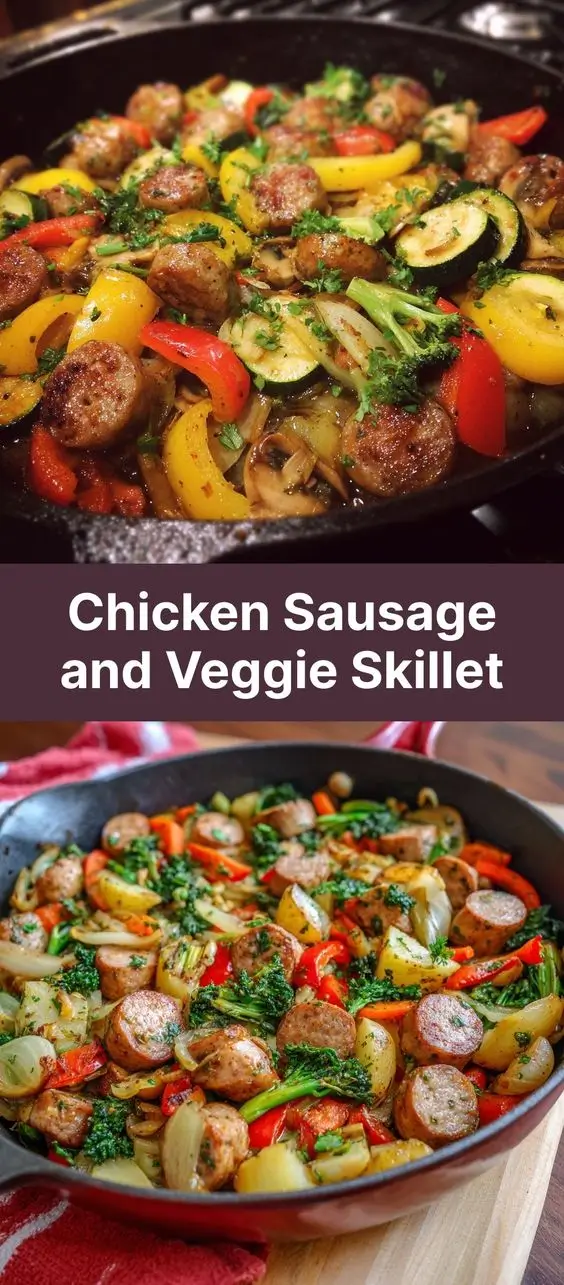
Chicken Sausage and Veggie Skillet: A Flavorful, Nutritious One-Pan Wonder
The History
The concept of skillet meals dates back centuries, originating from the practical need to cook hearty, satisfying food using minimal equipment. In rural households across Europe and North America, cast iron skillets were essential kitchen tools—versatile enough to go from stovetop to oven, ideal for frying, sautéing, searing, and simmering. The tradition of combining meats and vegetables in a single pan evolved out of necessity during times when resources were limited, and waste was unacceptable.
Skillet dishes became especially popular in American cuisine during the 19th and early 20th centuries. With roots in Southern cooking and rustic farmhouse kitchens, these one-pan meals emphasized simplicity, flavor, and nutrition. Over time, as dietary preferences shifted toward leaner proteins and plant-forward eating, traditional sausage and potato skillets began to evolve. Enter the modern twist: chicken sausage and veggie skillet—a healthier adaptation that maintains all the comfort of its predecessors while catering to contemporary health-conscious eaters.
Chicken sausage itself has origins in Mediterranean and Middle Eastern culinary traditions, where seasoned ground poultry was stuffed into casings long before pork or beef versions became widespread. Today’s pre-seasoned chicken sausages come in an array of flavors—from Italian-style with fennel and garlic to spicy Andouille-inspired blends—making them perfect for quick weeknight meals like this skillet dish.
This particular recipe embodies the fusion of old-world practicality and new-age wellness. It reflects how home cooks today value both convenience and quality ingredients, blending global seasonings with fresh produce and lean protein for a meal that’s fast, flavorful, and nourishing.
Ingredients Breakdown
One of the greatest strengths of the chicken sausage and veggie skillet is its use of accessible, wholesome ingredients that work together harmoniously. Let’s take a closer look at each component:
- Chicken Sausage (1 lb): Typically available in mild, sweet Italian, spicy, or apple sage varieties, chicken sausage offers a lower-fat alternative to pork sausage without sacrificing savory depth. Most store-bought options are pre-cooked, meaning they only need reheating, which makes them ideal for quick meals. Look for brands with minimal fillers and no artificial preservatives for the best taste and nutritional profile.
- Olive Oil (2 tbsp): Used as the cooking fat, extra virgin olive oil adds richness, promotes browning, and carries flavors beautifully. Its monounsaturated fats contribute heart-healthy benefits and help absorb fat-soluble vitamins from the vegetables.
- Yellow Onion (1 medium, diced): Onions provide a natural sweetness and aromatic base. When sautéed, they caramelize slightly, forming the flavor foundation of the entire dish.
- Garlic (3 cloves, minced): Fresh garlic introduces a pungent, earthy note that enhances the overall complexity. Be careful not to burn it—add it toward the end of aromatics cooking for optimal flavor.
- Red Bell Pepper (1 large, sliced): Adds vibrant color, crunch, and a mildly sweet taste. Rich in vitamin C and antioxidants, red peppers boost both nutrition and visual appeal.
- Zucchini (2 medium, halved and sliced): A summer squash that softens nicely when cooked but retains structure. Zucchini contributes moisture, fiber, and subtle freshness.
- Yellow Squash (2 medium, sliced): Similar to zucchini but with a slightly buttery flavor. Together, these squashes create a beautiful medley.
- Cherry Tomatoes (1 cup, halved): These burst with juicy acidity when heated, cutting through the richness of the sausage and adding brightness.
- Fresh Rosemary (1 tsp chopped) or Dried (½ tsp): An herbal note that pairs exceptionally well with chicken and roasted vegetables. Rosemary also has anti-inflammatory properties.
- Fresh Thyme (1 tsp chopped) or Dried (½ tsp): Complements rosemary with a more delicate, floral aroma. Works subtly in the background to elevate other flavors.
- Salt and Black Pepper (to taste): Essential seasonings that enhance all components. Use kosher salt for better control over texture and flavor distribution.
- Vegetable or Chicken Broth (¼ cup): Deglazes the pan, lifting browned bits (fond), and creates a light sauce that binds everything together. Low-sodium versions allow you to control salt content.
- Optional Add-ins: Spinach, kale, mushrooms, green beans, potatoes, sweet potatoes, corn, or even white beans for added fiber and texture.
- Garnish (optional): Fresh parsley, grated Parmesan cheese, lemon zest, or crumbled feta can be used to finish the dish with extra flair.
Step-by-Step Recipe
- Prepare Ingredients: Before turning on the heat, chop all vegetables uniformly so they cook evenly. Slice the chicken sausage into half-moons about ½ inch thick. Mince garlic and herbs. Having everything ready (mise en place) ensures smooth cooking.
- Heat the Skillet: Place a large cast iron or non-stick skillet over medium-high heat. Add olive oil and let it warm until shimmering but not smoking—about 1–2 minutes.
- Brown the Sausage: Add the sliced chicken sausage to the hot pan. Cook undisturbed for 2–3 minutes to develop a golden crust, then stir and continue cooking for another 3–4 minutes until fully heated through and lightly browned. Remove sausage temporarily and set aside if your pan isn’t large enough to avoid overcrowding.
- Sauté Aromatics: In the same skillet, add diced onions. Cook for 3–4 minutes, stirring occasionally, until translucent and beginning to soften. Add minced garlic and stir constantly for about 30 seconds to release fragrance—do not let it burn.
- Add Dense Vegetables: Stir in bell peppers and cook for 3–4 minutes until slightly tender but still crisp. If including potatoes or sweet potatoes (raw), add them here along with a splash of broth and cover for 5–7 minutes to steam until fork-tender.
- Incorporate Softer Veggies: Add zucchini, yellow squash, and any other quick-cooking vegetables. Cook uncovered for 5–6 minutes, stirring occasionally, allowing excess liquid to evaporate and vegetables to lightly brown.
- Return Sausage to Pan: Add the cooked chicken sausage back into the skillet, mixing thoroughly with the vegetables.
- Add Tomatoes and Herbs: Toss in cherry tomatoes, rosemary, thyme, salt, and pepper. Stir gently to combine. Cook for an additional 2–3 minutes until tomatoes begin to soften and release their juices.
- Finish with Broth: Pour in vegetable or chicken broth, scraping the bottom of the pan to lift any flavorful browned bits. Allow the mixture to simmer for 2–3 minutes until the sauce reduces slightly and coats the ingredients.
- Taste and Adjust: Sample the dish and adjust seasoning as needed—more salt, pepper, herbs, or even a splash of balsamic vinegar or lemon juice for brightness.
- Serve Hot: Remove from heat. Optionally garnish with fresh parsley, Parmesan, or a drizzle of olive oil. Serve immediately.
Tips
- Don’t Overcrowd the Pan: Cooking too many ingredients at once lowers the temperature and causes steaming instead of browning. For best results, use a large 12-inch skillet or work in batches.
- Pre-Cook Hearty Veggies: If using raw potatoes, parboil or microwave them briefly before adding to the skillet to speed up cooking and ensure tenderness.
- Use Pre-Cooked Sausage Wisely: Since most chicken sausages are pre-cooked, avoid overcooking them to prevent dryness. Browning is primarily for flavor and texture.
- Control Moisture: Zucchini and tomatoes release water. To avoid a soggy skillet, cook uncovered and allow evaporation. You can also salt zucchini slices lightly and let them sit for 10 minutes before patting dry.
- Layer Flavors: Build depth by sautéing onions first, deglazing with broth, and finishing with fresh herbs. Each step adds complexity.
- Cook Garlic Last Among Aromatics: Garlic burns quickly. Always add it after onions and cook just until fragrant.
- Cast Iron Advantage: Cast iron retains heat exceptionally well and provides superior browning. If possible, use a seasoned cast iron skillet for authentic results.
- Leftover Magic: This dish tastes even better the next day as flavors meld. Reheat gently on the stove or in the oven to preserve texture.
- Make It Crispy: For a caramelized top layer, transfer the finished skillet to a preheated oven (400°F) for 5–7 minutes under the broiler.
- Acidity is Key: A final squeeze of lemon juice or dash of vinegar brightens the whole dish—don’t skip this touch!
Variations and Customizations
The beauty of this skillet lies in its adaptability. Here are some creative ways to customize it based on dietary needs, preferences, or what’s in your fridge:
- Low-Carb/Keto Version: Skip starchy veggies like potatoes. Focus on leafy greens, broccoli, cauliflower, mushrooms, and high-fat additions like avocado or olives. Use full-fat sausage and increase healthy fats with extra olive oil or butter.
- Vegan/Vegetarian Option: Replace chicken sausage with plant-based sausage (such as Beyond Meat or Field Roast). Use vegetable broth and load up on hearty veggies like eggplant, portobello mushrooms, and artichokes.
- Mediterranean Twist: Use herbed chicken sausage and add kalamata olives, sun-dried tomatoes, spinach, and crumbled feta. Finish with oregano and a sprinkle of lemon zest.
- Southwest Style: Choose spicy chorizo-flavored chicken sausage. Add black beans, corn, jalapeños, cumin, chili powder, and smoked paprika. Top with cilantro and serve with lime wedges.
- Breakfast Skillet: Add cooked hash browns or diced sweet potatoes. Push the mixture to the sides and crack eggs into the center. Cover and cook until eggs are set, then mix or serve topped with runny yolks.
- Creamy Version: Stir in a few tablespoons of cream cheese, Greek yogurt, or coconut milk at the end for a richer texture. Great for colder months.
- Asian-Inspired: Swap Italian sausage for teriyaki or ginger-lemon chicken sausage. Use sesame oil, soy sauce, ginger, bok choy, snap peas, and carrots. Garnish with green onions and sesame seeds.
- Paleo-Friendly: Omit dairy and legumes. Stick to compliant sausages (check labels for additives) and focus on colorful vegetables and healthy fats.
- Gluten-Free: Naturally gluten-free as written, but always verify sausage labels to ensure no hidden gluten-containing fillers.
- Meal Prep Friendly: Double the batch and portion into containers for 4–5 days of easy lunches. Freeze individual servings for up to 3 months.
Health Considerations and Nutritional Value
This chicken sausage and veggie skillet is not only delicious but also packed with nutrients that support overall health:
Nutritional Highlights (per serving, approx. 1/4 of recipe):
- Calories: ~320–380 kcal (varies based on sausage and oil)
- Protein: 20–25g – supports muscle repair and satiety
- Fat: 18–22g – mostly unsaturated from olive oil and lean poultry
- Carbohydrates: 20–25g – primarily from fiber-rich vegetables
- Dietary Fiber: 5–7g – promotes digestive health and stabilizes blood sugar
- Sodium: 600–900mg – depends on sausage choice; opt for low-sodium versions when possible
- Vitamin A: High – from bell peppers and squash
- Vitamin C: Very high – especially from red peppers and tomatoes
- Potassium: Good source – helps regulate blood pressure
- Antioxidants: Abundant – lycopene in tomatoes, beta-carotene in squash, polyphenols in olive oil
Health Benefits:
- Heart-Healthy: Lean chicken sausage and olive oil reduce saturated fat intake compared to pork sausage. Monounsaturated fats support cardiovascular wellness.
- Weight Management: High in protein and fiber, this dish keeps you full longer, reducing snacking and overeating.
- Blood Sugar Balance: Low glycemic index due to absence of refined carbs. Ideal for diabetics or those managing insulin levels.
- Anti-Inflammatory Properties: Garlic, rosemary, thyme, olive oil, and colorful vegetables contain compounds known to reduce inflammation.
- Digestive Support: Fiber from vegetables feeds beneficial gut bacteria and improves bowel regularity.
- Immune Boosting: Rich in vitamins A, C, and E—key players in immune function.
Considerations:
- Sodium Watch: Many pre-packaged chicken sausages are high in sodium. Read labels carefully and rinse briefly if necessary. Alternatively, make homemade chicken sausage patties with controlled seasoning.
- Allergens: Check sausage packaging for potential allergens like dairy, soy, or gluten. Some brands include casein or modified food starch.
- Pregnancy and Food Safety: Ensure chicken sausage is fully cooked (internal temp ≥165°F). Avoid raw sprouts or unpasteurized cheeses if adding garnishes.
- Kidney Health: Those on potassium-restricted diets should moderate intake of tomatoes, potatoes, and certain vegetables.
Ingredients
- 1 pound pre-cooked chicken sausage (Italian, spicy, or mild), sliced into ½-inch rounds
- 2 tablespoons extra virgin olive oil
- 1 medium yellow onion, diced
- 3 cloves garlic, minced
- 1 large red bell pepper, thinly sliced
- 2 medium zucchinis, halved lengthwise and sliced
- 2 medium yellow squashes, sliced
- 1 cup cherry tomatoes, halved
- 1 teaspoon fresh rosemary, chopped (or ½ tsp dried)
- 1 teaspoon fresh thyme, chopped (or ½ tsp dried)
- Salt and freshly ground black pepper, to taste
- ¼ cup low-sodium vegetable or chicken broth
- Optional: 2 cups fresh baby spinach or kale
- Optional garnishes: chopped parsley, grated Parmesan, lemon zest, crumbled feta
Directions
- Heat olive oil in a large cast iron or non-stick skillet over medium-high heat.
- Add sliced chicken sausage and cook for 5–6 minutes, stirring occasionally, until golden brown on edges. Remove and set aside.
- In the same skillet, add diced onion and sauté for 3–4 minutes until softened and translucent.
- Add minced garlic and stir for 30 seconds until fragrant.
- Stir in red bell pepper and cook for 3–4 minutes until slightly tender.
- Add zucchini and yellow squash. Cook for 5–6 minutes, stirring occasionally, until vegetables are tender-crisp.
- If using spinach or kale, stir it in now and cook just until wilted—about 1–2 minutes.
- Return the cooked sausage to the skillet. Mix well with vegetables.
- Add cherry tomatoes, rosemary, thyme, salt, and pepper. Stir gently to combine.
- Pour in broth, scraping the bottom of the pan to incorporate flavorful browned bits.
- Simmer for 2–3 minutes until sauce slightly reduces and ingredients are heated through.
- Taste and adjust seasoning. Add more herbs, salt, or a splash of lemon juice if desired.
- Remove from heat. Garnish with fresh parsley, Parmesan, or a drizzle of olive oil.
- Serve hot as a standalone meal or alongside quinoa, brown rice, or crusty whole-grain bread.
FAQ
- Can I use frozen vegetables?
- Yes, but thaw and drain them first to prevent excess moisture. Frozen bell peppers, onions, and mixed vegetables work in a pinch, though fresh yields better texture and flavor.
- Is this recipe gluten-free?
- Generally yes, but always check the label on the chicken sausage to confirm it doesn’t contain wheat-based fillers or binders.
- Can I make this ahead of time?
- Absolutely! Prepare the full recipe and refrigerate for up to 4 days. Reheat on the stove over medium heat with a splash of broth to refresh moisture.
- Can I freeze this skillet?
- Yes. Cool completely, then store in airtight freezer-safe containers for up to 3 months. Thaw overnight in the fridge before reheating.
- What kind of pan should I use?
- A 12-inch cast iron skillet is ideal for even heating and browning. Non-stick or stainless steel pans also work well.
- Can I add potatoes?
- Yes! Add diced potatoes (about 1½ cups) with the bell peppers. You may need to cover the pan for 5–7 minutes to steam them until tender, then uncover to crisp up.
- How do I prevent mushy vegetables?
- Avoid overcrowding, cook over medium-high heat, and don’t cover the pan unless steaming potatoes. Let moisture evaporate naturally for firmer texture.
- Can I use turkey sausage instead?
- Yes—turkey sausage works identically and often has similar flavor profiles. Just ensure it’s pre-cooked.
- Is this suitable for meal prep?
- Perfect for meal prep! Divide into containers with optional grains for balanced, grab-and-go lunches.
- Can I cook this in the oven?
- You can start on the stove and finish in the oven at 375°F for 15–20 minutes, especially if adding raw potatoes or baking eggs on top.
Summary
The Chicken Sausage and Veggie Skillet is a vibrant, nutritious one-pan meal that combines lean protein with colorful, fiber-rich vegetables in a savory herb-infused blend—perfect for busy weeknights or healthy meal prep.
Quick to prepare, endlessly customizable, and packed with flavor and wellness benefits, this skillet satisfies hunger and nourishes the body, making it a must-have in every modern home cook’s repertoire.