Chicken Sausage Pasta Primavera: A Flavorful, Wholesome Dish for Every Home Cook
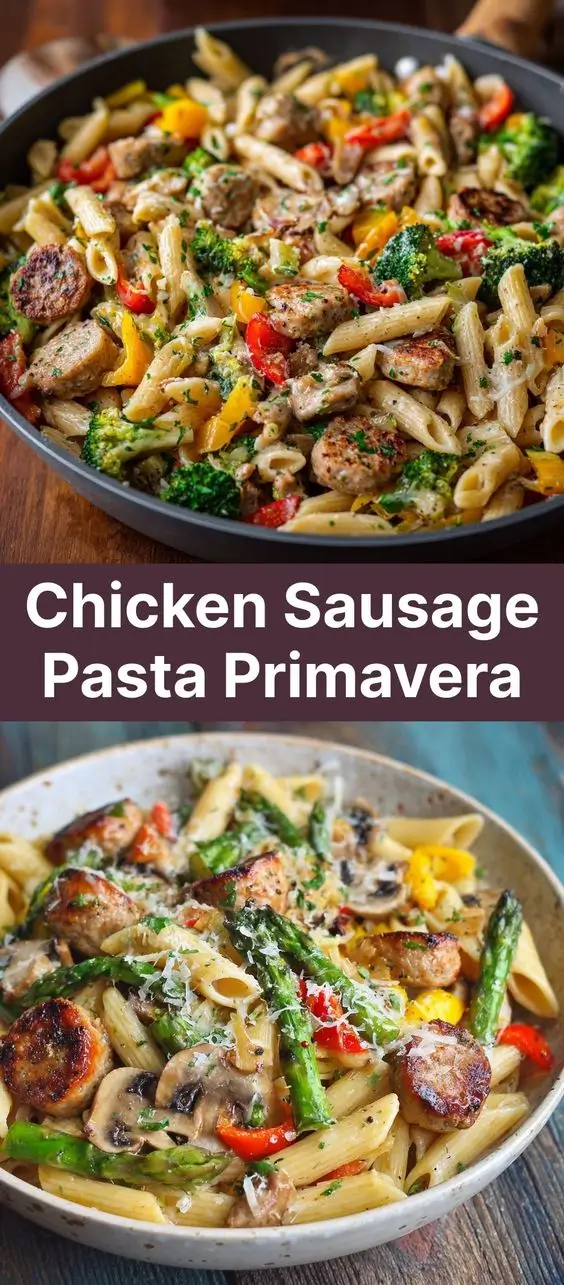
Chicken Sausage Pasta Primavera is a vibrant, nutritious, and satisfying dish that brings together the savory richness of chicken sausage with the fresh, colorful bounty of seasonal vegetables tossed in a light, aromatic sauce over al dente pasta. This modern take on the classic Italian Pasta Primavera—which traditionally celebrates spring vegetables—elevates the concept by incorporating lean protein for a well-balanced meal perfect for weeknight dinners or weekend entertaining. With its harmonious blend of textures and flavors, this dish has become a staple in health-conscious kitchens without sacrificing indulgence.
The History
The origins of Pasta Primavera trace back to the 1970s in New York City, where it was reportedly invented at the legendary restaurant Le Cirque. Though variations existed earlier in Italy, the American version popularized the idea of tossing pasta with a medley of fresh spring vegetables in a creamy or oil-based sauce. The name “Primavera,” meaning “spring” in Italian, reflects the dish’s emphasis on seasonal produce—peas, asparagus, zucchini, carrots, and bell peppers—harvested at their peak.
Over time, chefs and home cooks alike began adapting the recipe to include proteins like grilled chicken, shrimp, or sausage, transforming it from a simple vegetable pasta into a more complete meal. Chicken sausage emerged as a favorite addition due to its bold flavor, lower fat content compared to pork sausage, and wide variety of seasonings—from spicy Italian to herbed and apple-infused. Today, Chicken Sausage Pasta Primavera stands as a testament to culinary evolution, blending tradition with modern dietary preferences and convenience.
Ingredients Breakdown
What makes Chicken Sausage Pasta Primavera so versatile and appealing is the thoughtful selection of ingredients that contribute to both flavor and nutrition. Here’s a detailed breakdown:
- Chicken Sausage: Typically made from ground chicken seasoned with herbs and spices such as fennel, garlic, paprika, and red pepper flakes. Opt for high-quality, low-sodium varieties with minimal fillers. Spicy Italian or sweet Italian styles work best, depending on your heat preference.
- Pasta: Traditionally, long, ribbon-like pastas like fettuccine or linguine are used, but you can substitute with penne, rotini, or even whole wheat or gluten-free alternatives for dietary needs.
- Fresh Vegetables: The “primavera” mix usually includes broccoli florets, sliced bell peppers (red, yellow, orange), zucchini, yellow squash, cherry tomatoes, carrots, and peas. These provide color, crunch, fiber, vitamins, and antioxidants.
- Aromatics: Onion, garlic, and shallots form the flavor base, sautéed to release their natural sweetness and depth.
- Liquid Base: A combination of low-sodium chicken broth and white wine (optional) enhances the sauce with complexity while keeping it lighter than cream-based versions.
- Sauce Enhancers: Olive oil, lemon juice, grated Parmesan cheese, and a touch of butter or cream (optional) create a silky, rich coating for the pasta.
- Herbs and Seasonings: Fresh basil, parsley, thyme, red pepper flakes, salt, and black pepper elevate the dish with brightness and subtle heat.
Step-by-Step Recipe
- Prepare Ingredients: Slice 1 pound of chicken sausage into half-moons. Chop 2 cups each of broccoli florets, zucchini, yellow squash, and bell peppers. Mince 3 cloves of garlic and 1 small onion. Measure out 12 oz of pasta, 1 cup of frozen peas, and 1/2 cup of grated Parmesan.
- Cook the Pasta: Bring a large pot of salted water to a boil. Add the pasta and cook until al dente (about 8–10 minutes, depending on type). Reserve 1 cup of pasta water before draining. Set aside.
- Sear the Sausage: In a large skillet or Dutch oven, heat 1 tablespoon of olive oil over medium-high heat. Add the sliced chicken sausage and cook for 5–6 minutes, turning occasionally, until browned and cooked through. Remove and set aside.
- Sauté the Vegetables: In the same pan, add another tablespoon of olive oil if needed. Sauté onions for 2–3 minutes until translucent. Add garlic and cook for 30 seconds until fragrant. Stir in broccoli, bell peppers, zucchini, and carrots. Cook for 5–7 minutes, stirring frequently, until vegetables are crisp-tender. Add peas and cook for 1 more minute.
- Build the Sauce: Pour in 1/2 cup of low-sodium chicken broth and 1/4 cup of dry white wine (optional). Scrape up any browned bits from the bottom of the pan. Let simmer for 2–3 minutes to reduce slightly.
- Combine Everything: Return the cooked sausage to the skillet. Add the drained pasta and toss to combine. Drizzle with 2 tablespoons of fresh lemon juice and 1 tablespoon of butter (optional). Add reserved pasta water gradually (1/4 cup at a time) to achieve a glossy, cohesive sauce.
- Finish and Serve: Stir in grated Parmesan, chopped fresh basil, and parsley. Season with salt, black pepper, and red pepper flakes to taste. Garnish with extra Parmesan and a lemon wedge. Serve immediately.
Tips for Perfect Chicken Sausage Pasta Primavera
- Don’t Overcook the Veggies: Keep them bright and slightly crisp to maintain texture and nutrients. If using delicate vegetables like spinach or arugula, stir them in at the very end just to wilt.
- Use Quality Sausage: Choose chicken sausages with recognizable ingredients and no artificial preservatives. Homemade or artisanal brands often offer better flavor and texture.
- Reserve Pasta Water: The starchy liquid is key to emulsifying the sauce and helping it cling to the pasta and vegetables.
- Brown the Sausage Well: A good sear adds depth of flavor and prevents the meat from becoming rubbery.
- Balance Acidity: Lemon juice brightens the dish, but adjust to taste. Too much can overpower; too little may leave the dish flat.
- Make It Ahead: You can prep the vegetables and cook the sausage a day in advance. Reheat gently when ready to assemble.
- Reheat Gently: When reheating leftovers, add a splash of broth or water to refresh the sauce and prevent drying.
Variations and Customizations
One of the greatest strengths of Chicken Sausage Pasta Primavera is its adaptability. Whether you’re catering to dietary restrictions, seasonal availability, or personal taste, here are some creative twists:
- Dairy-Free Version: Skip the Parmesan or use nutritional yeast for a cheesy flavor. Use olive oil instead of butter.
- Creamy Twist: Stir in 1/4 cup of heavy cream, crème fraîche, or Greek yogurt for a richer sauce.
- Gluten-Free Option: Use gluten-free pasta made from rice, quinoa, or chickpeas. Ensure all other ingredients (like sausage) are certified GF.
- Vegan Adaptation: Replace chicken sausage with plant-based sausage and omit cheese. Use vegetable broth and add roasted tofu or tempeh for protein.
- Seafood Spin: Swap chicken sausage with grilled shrimp or scallops for a coastal flair.
- Low-Carb/Keto: Substitute pasta with spiralized zucchini noodles (zoodles) or shirataki noodles. Increase healthy fats with avocado or olive oil.
- Mediterranean Style: Add sun-dried tomatoes, kalamata olives, artichoke hearts, and a sprinkle of oregano.
- Asian Fusion: Use soy-ginger chicken sausage, swap veggies for bok choy and snap peas, and finish with sesame oil and green onions.
Health Considerations and Nutritional Value
Chicken Sausage Pasta Primavera is inherently more balanced than many traditional pasta dishes, offering a robust profile of macronutrients and micronutrients:
- Protein: Chicken sausage provides approximately 15–20g of protein per 3-oz serving, supporting muscle maintenance and satiety.
- Fiber: Whole grain pasta and a variety of vegetables contribute 5–8g of fiber per serving, promoting digestive health and blood sugar regulation.
- Healthy Fats: Olive oil delivers heart-healthy monounsaturated fats and antioxidants like polyphenols.
- Vitamins and Minerals: Bell peppers (vitamin C), broccoli (vitamin K, folate), carrots (beta-carotene), and spinach (iron, calcium) make this dish a powerhouse of essential nutrients.
- Lower Sodium Options: Using low-sodium sausage and broth, along with minimizing added salt, helps keep blood pressure in check.
A typical serving (about 1.5 cups) contains roughly:
- Calories: 400–480
- Protein: 22–28g
- Carbohydrates: 45–55g (higher with whole grain pasta)
- Fat: 12–18g (mostly unsaturated)
- Fiber: 6–9g
- Sodium: 600–900mg (varies widely based on ingredients)
For those managing cholesterol, diabetes, or weight, portion control and ingredient choices are key. Pairing this dish with a side salad or steamed greens enhances its nutritional value without adding excess calories.
Ingredients
- 12 oz (340g) pasta (fettuccine, penne, or choice of variety)
- 1 lb (450g) chicken sausage (spicy or sweet Italian style), sliced into 1/2-inch rounds
- 2 tbsp olive oil, divided
- 1 small yellow onion, finely chopped
- 3 garlic cloves, minced
- 1.5 cups broccoli florets
- 1 medium zucchini, halved and sliced
- 1 medium yellow squash, halved and sliced
- 1 red bell pepper, thinly sliced
- 1 cup shredded carrots
- 1 cup frozen peas, thawed
- 1/2 cup cherry tomatoes, halved
- 1/2 cup low-sodium chicken broth
- 1/4 cup dry white wine (optional)
- 2 tbsp fresh lemon juice
- 1 tbsp butter (optional, for richness)
- 1/2 cup grated Parmesan cheese, plus extra for serving
- 1/4 cup fresh basil, chopped
- 2 tbsp fresh parsley, chopped
- 1/4 tsp red pepper flakes (adjust to taste)
- Salt and freshly ground black pepper, to taste
- Reserved pasta water, as needed
Directions
- Bring a large pot of salted water to a rolling boil. Add pasta and cook according to package instructions until al dente. Drain, reserving 1 cup of cooking water, and set aside.
- In a large skillet or sauté pan, heat 1 tablespoon of olive oil over medium-high heat. Add sliced chicken sausage and cook for 5–6 minutes, turning occasionally, until golden brown and fully cooked. Transfer to a plate and set aside.
- Add remaining olive oil to the same pan. Reduce heat to medium. Add chopped onion and sauté for 3 minutes until soft and translucent. Stir in garlic and cook for 30 seconds until fragrant.
- Add broccoli, zucchini, yellow squash, bell pepper, and carrots. Sauté for 6–7 minutes, stirring occasionally, until vegetables are tender-crisp. Add peas and cherry tomatoes; cook for 1–2 minutes more.
- Pour in chicken broth and white wine (if using). Simmer for 2–3 minutes to reduce slightly and intensify flavor.
- Return the cooked sausage to the skillet. Add the drained pasta and toss well to combine.
- Drizzle with lemon juice and add butter (if using). Begin incorporating reserved pasta water, 1/4 cup at a time, until the sauce coats the ingredients smoothly.
- Stir in Parmesan cheese, fresh basil, parsley, red pepper flakes, salt, and black pepper. Adjust seasoning to taste.
- Serve hot, garnished with additional Parmesan, fresh herbs, and a lemon wedge on the side.
FAQ
Can I use frozen vegetables?
Yes, but they may release more water and become softer. Thaw and pat dry before adding to avoid a soggy dish. Fresh is ideal for texture and flavor.
How do I store leftovers?
Store in an airtight container in the refrigerator for up to 4 days. Reheat gently on the stove with a splash of broth or water to restore moisture.
Can I freeze this dish?
While technically possible, pasta may become mushy upon thawing. Best enjoyed fresh or refrigerated short-term.
Is chicken sausage already cooked?
Most pre-packaged chicken sausages are fully cooked and only need reheating, but always check the label. If raw, ensure internal temperature reaches 165°F (74°C).
What can I serve with Chicken Sausage Pasta Primavera?
A simple green salad, garlic bread, or roasted vegetables complement the dish well. For wine pairings, try a crisp Pinot Grigio or Sauvignon Blanc.
Can I make this in one pot?
Yes! Cook the sausage first, remove, then sauté veggies in the same pot. Add pasta, broth, and water, and simmer until pasta is cooked. Return sausage and finish with cheese and herbs.
Summary
Chicken Sausage Pasta Primavera is a vibrant, nutrient-rich dish that combines lean protein, whole grains, and a rainbow of fresh vegetables in a light, flavorful sauce—perfect for healthy, satisfying meals. Easy to customize and packed with seasonal goodness, it’s a modern classic that belongs in every home cook’s repertoire.