Chicken Shawarma Bowls: A Flavorful Middle Eastern Delight
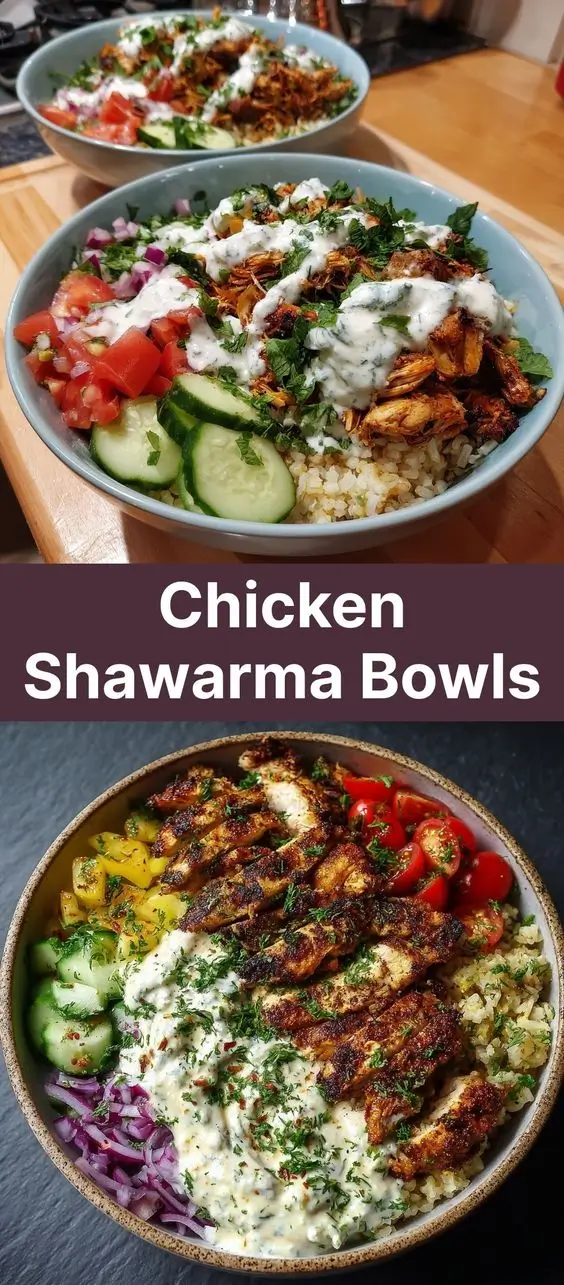
Chicken Shawarma Bowls have taken the culinary world by storm, offering a healthy, satisfying, and incredibly flavorful alternative to traditional fast food. These vibrant bowls bring together tender, spiced chicken, fresh vegetables, aromatic rice or grain bases, and creamy sauces in one harmonious dish. Whether you’re enjoying them at a local eatery or making them at home, Chicken Shawarma Bowls provide a balanced meal that’s both nutritious and deeply satisfying. In this comprehensive guide, we’ll dive into every aspect of crafting the perfect Chicken Shawarma Bowl—from its rich history and ingredient breakdown to detailed cooking instructions, variations, health benefits, and frequently asked questions.
The History of Shawarma
Shawarma is a popular Middle Eastern dish with roots tracing back to the Ottoman Empire in the 19th century. The word “shawarma” comes from the Turkish word “çevirme,” meaning “turning,” which refers to the vertical rotisserie on which thin layers of marinated meat are stacked and slowly roasted. As the cylinder of meat rotates near a heat source, it cooks evenly, allowing chefs to shave off thin slices for sandwiches, platters, or bowls.
Originally made with lamb or beef, shawarma evolved as it spread across regions such as Lebanon, Syria, Egypt, Palestine, and beyond. With growing global migration and cultural exchange, chicken became a favored protein due to its lighter taste, affordability, and widespread availability. Today, Chicken Shawarma is one of the most beloved versions, especially among health-conscious eaters and those seeking leaner protein options.
The transition from sandwich form to bowl format emerged more recently, particularly in Western countries where grain bowls gained popularity as part of clean eating trends and customizable meal concepts. The Chicken Shawarma Bowl maintains all the authentic flavors—spices, marinades, accompaniments—but presents them in an open, deconstructed style that emphasizes freshness, balance, and visual appeal.
Ingredients Breakdown: What Makes a Chicken Shawarma Bowl Special?
A well-crafted Chicken Shawarma Bowl isn’t just about throwing ingredients together—it’s about layering textures, temperatures, and tastes. Each component plays a vital role:
1. The Chicken
The star of the show. Boneless, skinless chicken thighs or breasts are typically used. Thighs are preferred by many because they stay juicier during cooking and absorb marinade better. The meat is thinly sliced before marinating to maximize flavor penetration.
2. The Marinade & Spices
This is where the magic happens. Authentic shawarma seasoning includes a blend of warm spices like cumin, coriander, paprika, turmeric, cinnamon, cardamom, cloves, nutmeg, and black pepper. Garlic, lemon juice, olive oil, and sometimes yogurt form the base, tenderizing the meat while infusing deep, complex flavors.
3. The Base
Bowls usually start with a foundation of grains. Common choices include:
- Basmati Rice: Fragrant, long-grain rice cooked with a touch of saffron or turmeric.
- Couscous: Light and fluffy, often flavored with herbs or lemon zest.
- Quinoa: A high-protein, gluten-free option packed with nutrients.
- Farfalle or Orzo Pasta: Sometimes used for a unique twist.
- Greens: Mixed greens, spinach, or kale can be used for low-carb or keto-friendly bowls.
4. Fresh Vegetables
Crucial for crunch and freshness. Typical additions:
- Diced cucumbers
- Cherry tomatoes (halved)
- Red onions (thinly sliced or pickled)
- Romaine lettuce or shredded cabbage
- Grilled bell peppers or zucchini
- Fresh parsley and mint leaves
5. Toppings & Extras
Elevate your bowl with:
- Tahini sauce or garlic toum
- Hummus
- Pickles (turnips, lemons, or cucumbers)
- Feta cheese or halloumi (grilled or crumbled)
- Olive tapenade
- Toasted pine nuts or slivered almonds
- Lemon wedges for serving
6. Sauces
No Chicken Shawarma Bowl is complete without a luscious sauce drizzled on top. Popular options include:
- Tahini Sauce: Made from sesame paste, lemon juice, garlic, and water—creamy and slightly nutty.
- Garlic Yogurt Sauce: Greek yogurt blended with minced garlic, dill, lemon, and salt.
- Toum: A Lebanese garlic emulsion similar to aioli but stronger and fluffier.
- Hot Sauce: Harissa or zhug (a spicy Yemeni green sauce) for heat lovers.
Step-by-Step Recipe: How to Make Chicken Shawarma Bowls at Home
Ingredients
- 1.5 lbs (700g) boneless, skinless chicken thighs, thinly sliced
- ¼ cup olive oil
- 3 tbsp lemon juice (about 1 large lemon)
- 4 garlic cloves, minced
- 1 tsp ground cumin
- 1 tsp ground coriander
- 1 tsp smoked paprika
- ½ tsp ground turmeric
- ½ tsp ground cinnamon
- ¼ tsp ground cardamom
- ¼ tsp cayenne pepper (optional, for heat)
- 1 tsp sea salt
- ½ tsp black pepper
- 1 cup plain Greek yogurt (for sauce)
- 1 tbsp tahini
- 1 small clove garlic, grated
- 1 tbsp lemon juice (additional)
- Salt to taste
- 2 cups cooked basmati rice or quinoa
- 1 medium cucumber, diced
- 1 cup cherry tomatoes, halved
- ½ red onion, thinly sliced
- 2 cups shredded romaine lettuce or mixed greens
- ¼ cup chopped fresh parsley
- ¼ cup crumbled feta cheese (optional)
- 2 tbsp toasted pine nuts
- Lemon wedges, for serving
Directions
- Marinate the Chicken: In a large bowl, whisk together olive oil, lemon juice, minced garlic, cumin, coriander, paprika, turmeric, cinnamon, cardamom, cayenne, salt, and black pepper. Add the sliced chicken and toss until fully coated. Cover and refrigerate for at least 2 hours, preferably overnight (up to 24 hours) for maximum flavor.
- Prepare the Sauce: While the chicken marinates, make the garlic yogurt sauce. In a small bowl, combine Greek yogurt, tahini, grated garlic, lemon juice, and a pinch of salt. Whisk until smooth. Add a splash of water if needed to reach a drizzling consistency. Chill until ready to serve.
- Cook the Grain Base: Prepare your chosen grain (rice, quinoa, etc.) according to package instructions. For extra flavor, cook rice in chicken broth instead of water and add a pinch of saffron or turmeric.
- Cook the Chicken: Heat a large skillet or grill pan over medium-high heat. Remove chicken from marinade (shake off excess) and cook in batches without overcrowding. Sear for 5–7 minutes, turning occasionally, until golden brown and cooked through (internal temperature should reach 165°F / 74°C). Let rest for a few minutes before slicing into strips or leaving as chunks.
- Assemble the Bowls: Begin with a generous scoop of warm grain base in each bowl. Arrange sections of shredded lettuce, diced cucumber, cherry tomatoes, red onion, and fresh parsley around the bowl. Place a portion of the cooked chicken in the center.
- Add Finishing Touches: Drizzle generously with garlic yogurt sauce. Sprinkle with crumbled feta, toasted pine nuts, and a squeeze of fresh lemon juice. Serve immediately with extra sauce and lemon wedges on the side.
Pro Tips for the Best Chicken Shawarma Bowls
- Don’t Skip the Marination Time: Even 30 minutes helps, but 8+ hours makes a dramatic difference in tenderness and flavor absorption.
- Use Chicken Thighs: They’re more forgiving than breasts and less likely to dry out during cooking.
- High Heat Cooking: Get a good sear on the chicken to develop those caramelized edges reminiscent of street-food-style shawarma.
- Prep Ahead: Cook the chicken and grains in advance; store separately in the fridge for up to 3 days. Reheat chicken in a skillet to maintain texture.
- Customize Textures: Add roasted sweet potatoes, grilled eggplant, or falafel balls for heartier bowls.
- Sauce Consistency: Adjust your sauce thickness based on preference—thinner for drizzling, thicker for dolloping.
- Pickled Red Onions: Soak sliced red onions in vinegar, sugar, and salt for 20 minutes for a tangy, colorful garnish.
- Warm Your Bowls: Briefly warm serving bowls in the oven to keep food hot longer.
Variations and Customizations
One of the greatest strengths of Chicken Shawarma Bowls is their versatility. Here are some creative ways to switch things up:
Low-Carb / Keto Version
Replace grains with cauliflower rice, shredded Brussels sprouts, or a bed of massaged kale. Boost fat content with avocado slices, olives, and extra tahini sauce.
Vegetarian Option
Swap chicken for marinated and grilled tofu, tempeh, or chickpeas tossed in shawarma spices and roasted until crispy.
Mediterranean Twist
Incorporate kalamata olives, artichoke hearts, sun-dried tomatoes, and tzatziki sauce for a Greek-inspired variation.
Mexican Fusion
Use cilantro-lime rice, black beans, corn, pico de gallo, and a chipotle-tahini sauce for a cross-cultural mashup.
Meal Prep Friendly
Make a big batch of marinated chicken and divide into containers with pre-portioned grains and veggies. Add sauce just before eating to prevent sogginess.
Kid-Friendly Version
Reduce or omit spicy spices like cayenne. Use mild garlic sauce and include fun toppings like cheese cubes and sweet bell peppers.
Gluten-Free Adaptation
All standard ingredients in this recipe are naturally gluten-free. Just ensure your spices and sauces are certified GF if needed.
Health Considerations and Nutritional Value
Chicken Shawarma Bowls can be a wholesome, nutrient-dense meal when prepared mindfully. Here’s a breakdown of key nutritional aspects:
Protein Powerhouse
Chicken thighs and breasts are excellent sources of lean protein, essential for muscle repair, satiety, and metabolic health. One serving (~4 oz chicken) provides about 25–30g of protein.
Healthy Fats
Olive oil, tahini, feta, and nuts contribute monounsaturated and polyunsaturated fats, which support heart health and help absorb fat-soluble vitamins.
Fiber-Rich Components
Vegetables, whole grains (like quinoa), and legumes (if added) increase dietary fiber intake, promoting digestive health and stable blood sugar levels.
Vitamins & Minerals
The diverse ingredients deliver a wide array of micronutrients:
- Vitamin C: From lemon juice, tomatoes, and bell peppers—boosts immunity.
- Vitamin A: Carotenoids in carrots, spinach, and paprika support eye health.
- Iron: Found in chicken, spinach, and lentils—vital for oxygen transport.
- Calcium: Present in dairy (feta, yogurt)—important for bones.
- B Vitamins: Especially B6 and B12 in chicken—support energy metabolism.
Sodium Awareness
While delicious, shawarma marinades and store-bought sauces can be high in sodium. To reduce salt:
- Use low-sodium soy sauce or tamari if included.
- Limit added salt in marinade.
- Choose unsalted nuts and cheeses.
- Make sauces at home to control ingredients.
Balancing Calories
A typical Chicken Shawarma Bowl ranges from 500–700 calories depending on portion size and ingredients. To lighten it:
- Use less oil in cooking.
- Opt for non-fat Greek yogurt in sauces.
- Go easy on cheese and nuts.
- Load up on non-starchy vegetables.
Overall, Chicken Shawarma Bowls offer a balanced macronutrient profile—moderate carbs, high protein, and healthy fats—making them suitable for various diets including Mediterranean, flexitarian, and even intermittent fasting (when timed appropriately).
Frequently Asked Questions (FAQ)
Can I bake the chicken instead of pan-frying?
Yes! Preheat oven to 400°F (200°C). Place marinated chicken on a lined baking sheet and roast for 20–25 minutes, flipping halfway, until cooked through. Broil for the last 2–3 minutes for browning.
How long does marinated chicken last in the fridge?
Up to 2 days in a sealed container. Do not freeze raw marinated chicken unless necessary; acid in citrus can begin to “cook” the meat over time.
Is shawarma spice the same as za’atar?
No. Shawarma spice is a warm, savory blend focused on cumin, coriander, and paprika. Za’atar is a herbal mix of thyme, sumac, sesame seeds, and salt—used differently in cooking.
Can I use store-bought shawarma seasoning?
Absolutely. Many brands offer quality blends, though homemade allows customization. Check labels for fillers or excess salt.
What can I substitute for tahini?
If unavailable, try almond butter or cashew butter (unsweetened), though the flavor will differ slightly. For a completely different sauce, use ranch or tzatziki.
Are Chicken Shawarma Bowls freezer-friendly?
Cooked chicken freezes well for up to 3 months. Grains can also be frozen but may become slightly mushy upon reheating. Sauces with yogurt or tahini don’t freeze ideally—best made fresh.
Can I make this in a slow cooker?
Yes. Combine marinated chicken with ¼ cup water or broth in a slow cooker. Cook on low for 4–5 hours. Shred and broil briefly afterward for texture.
Is Chicken Shawarma healthy?
When made with lean meat, minimal oil, whole grains, and plenty of veggies, yes. Avoid deep-fried versions and heavy sauces to keep it nutritious.
Can I use frozen vegetables?
Fresh is best for texture and color, but thawed and drained frozen vegetables (like peas or corn) can work in a pinch. Avoid using them raw in cold bowls.
How do I reheat leftovers?
Reheat chicken and grains separately in a skillet or microwave. Add fresh toppings and sauce after reheating to preserve crispness.
Summary
Chicken Shawarma Bowls combine bold Middle Eastern flavors with modern, health-focused meal concepts, offering a delicious and balanced way to enjoy one of the world’s most iconic street foods. Packed with protein, fresh produce, and aromatic spices, these bowls are as nourishing as they are flavorful.