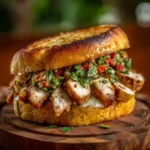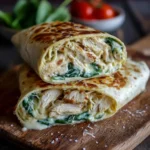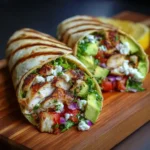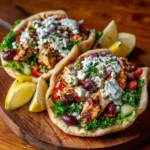
Introduction
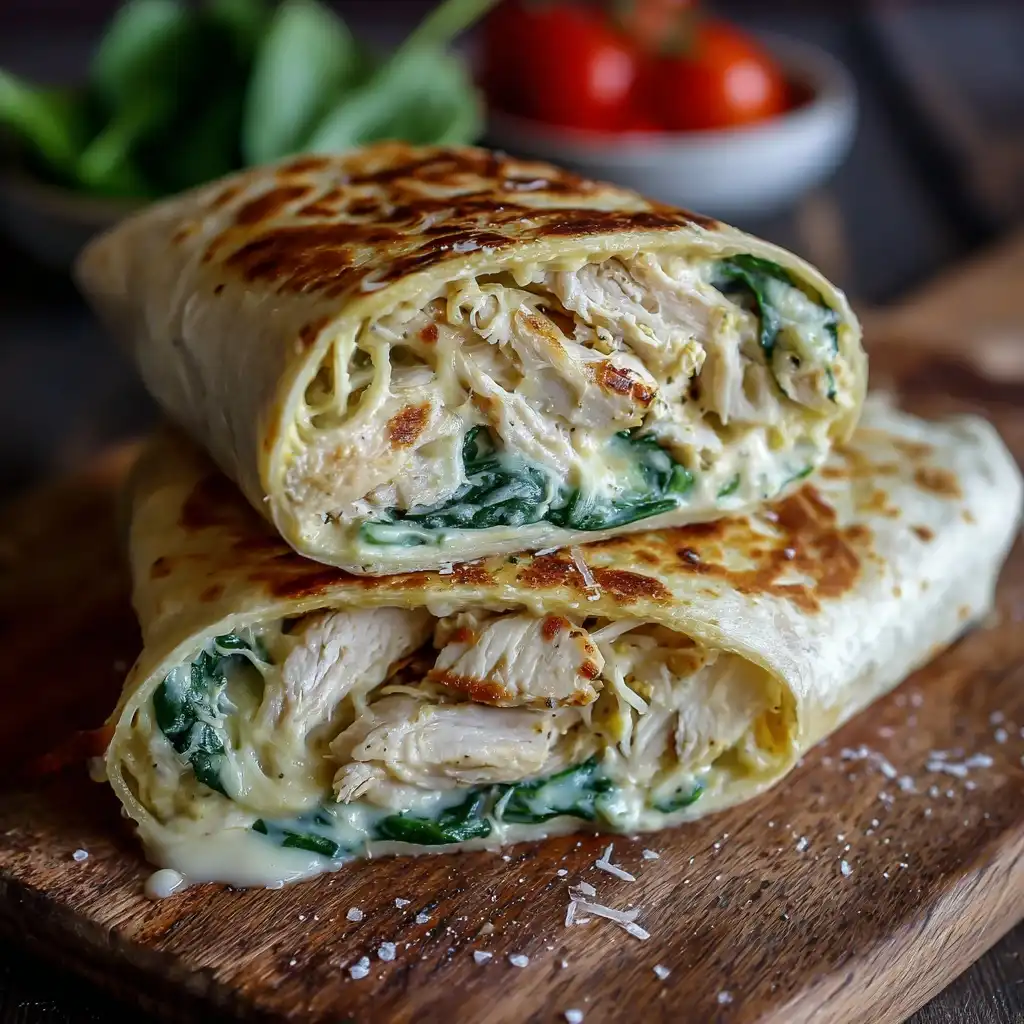
Welcome to the ultimate guide for the Chicken Spinach Alfredo Wrap — a creamy, protein-packed, restaurant-quality handheld meal that’s as satisfying as it is simple to prepare. Whether you’re packing lunch for work, whipping up a quick weeknight dinner, or craving something comforting yet nutritious, this wrap delivers rich flavor, velvety texture, and wholesome ingredients in every bite. Unlike traditional pasta-based Alfredo dishes, this innovative version swaps noodles for soft, pliable tortillas—creating a portable, mess-minimized, and endlessly customizable meal that balances indulgence with real-food integrity. With tender grilled chicken, vibrant fresh spinach, and a luscious homemade Alfredo sauce folded into warm flour tortillas, it’s comfort food reimagined for modern life: fast enough for busy days, elegant enough for weekend entertaining, and adaptable for dietary preferences ranging from gluten-conscious to dairy-light.
The History
The Chicken Spinach Alfredo Wrap is a delicious product of culinary evolution — born from the fusion of Italian-American tradition and American fast-casual innovation. Its roots trace back to Fettuccine Alfredo, a dish famously popularized in early 20th-century Rome by restaurateur Alfredo di Lelio, who served hand-tossed pasta draped in butter and Parmigiano-Reggiano. When Italian immigrants brought variations of this rich, cheese-forward sauce to the U.S., American chefs adapted it with heavy cream, garlic, and additional cheeses — giving rise to the “American Alfredo” we know today. In the 1980s and ’90s, as health-conscious dining trends gained momentum and grab-and-go culture expanded, chefs and home cooks alike began rethinking classic dishes through the lens of portability and balance. The wrap format — already popularized by Mexican-inspired burritos and Middle Eastern gyros — offered the perfect vessel. By the early 2000s, food blogs, cooking shows, and café menus across the country began featuring “Alfredo wraps,” often incorporating grilled chicken and leafy greens to add lean protein and nutrients. The addition of spinach was both practical and purposeful: its mild flavor melds seamlessly with creamy sauces, its vibrant green color enhances visual appeal, and its nutrient density helps offset the richness of the Alfredo — transforming an occasionally heavy dish into something more rounded, intentional, and everyday-friendly. Today, the Chicken Spinach Alfredo Wrap stands as a beloved staple in meal-prep communities, dietitian-recommended lunch plans, and even gourmet food trucks — a testament to how tradition, technique, and thoughtful adaptation can create timeless new favorites.
Ingredients Breakdown
Understanding each component not only ensures optimal flavor and texture but also empowers smart substitutions and informed nutrition decisions. Below is a detailed, chef-level breakdown of every ingredient — including why it matters, what to look for, and functional insights beyond the basic list:
- Chicken Breast (boneless, skinless): The lean protein anchor. Opt for organic, air-chilled, or pasture-raised when possible for superior moisture retention and cleaner flavor. Brining (even a quick 15-minute soak in saltwater) significantly improves juiciness and seasoning penetration.
- Fresh Baby Spinach: Chosen over mature spinach for its tender texture, mild sweetness, and resistance to wilting under warm sauce. Its high water content actually helps temper the richness of the Alfredo while contributing iron, folate, vitamin K, and antioxidants like lutein and beta-carotene.
- Garlic (fresh, minced): Not powdered or jarred — fresh garlic provides enzymatic complexity and aromatic depth that builds the foundational “savoriness” (umami) of the sauce. Sautéing gently in butter unlocks allicin compounds while mellowing sharpness.
- Unsalted Butter: Essential for both flavor and emulsion stability. Unsalted allows precise sodium control; European-style (82–84% butterfat) yields a silkier, more luxurious mouthfeel and better sauce cohesion.
- Heavy Cream (36–40% fat): The backbone of authentic Alfredo richness. Lower-fat alternatives (half-and-half, whole milk) will thin the sauce, reduce viscosity, and increase risk of curdling. Ultra-pasteurized cream works but may lack subtle nuttiness; pasteurized (not ultra-) preferred.
- Grated Parmigiano-Reggiano (authentic, not pre-grated): Aged minimum 24 months, with crystalline texture and deep umami-sweetness. Pre-grated versions contain anti-caking agents (e.g., cellulose) that inhibit smooth melting and impart grittiness. Microplane grating maximizes surface area for rapid, even dissolution.
- Freshly Ground Black Pepper: Critical for aromatic lift and piperine-enhanced nutrient absorption (especially for fat-soluble vitamins in spinach and cheese). Coarse grind added at the end preserves volatile oils.
- Sea Salt or Kosher Salt: Used in layers — in chicken brine/marinade, in sauce reduction, and as final finish — to enhance natural flavors without overpowering.
- Flour Tortillas (10-inch, low-moisture, medium-thick): Ideal thickness prevents tearing during rolling yet stays pliable. Look for clean-label options (whole wheat, sprouted grain, or cassava-based for gluten-free). Avoid overly thin “street taco” size or stiff “burrito” grade — 10-inch provides ideal surface-to-filling ratio. Warming before filling makes them infinitely more rollable and less prone to cracking.
- Optional Enhancements: A splash of dry white wine (like Pinot Grigio) adds brightness and acidity to cut richness; a pinch of freshly grated nutmeg complements dairy notes; a drizzle of truffle oil or lemon zest offers gourmet flair without heaviness.
Step-by-Step Recipe
- Prepare the Chicken: Pat 2 boneless, skinless chicken breasts (about 1 lb total) very dry with paper towels. Season generously on both sides with 1 tsp kosher salt, ½ tsp black pepper, and ½ tsp garlic powder. Heat 1 tbsp olive oil in a stainless steel or cast-iron skillet over medium-high heat until shimmering. Add chicken and cook undisturbed for 6–7 minutes per side, or until internal temperature reaches 165°F (74°C) and juices run clear. Transfer to a cutting board, tent loosely with foil, and rest for 5 minutes. Slice thinly against the grain into ¼-inch strips — this maximizes tenderness and surface area for sauce adhesion.
- Make the Alfredo Sauce: In the same skillet (do not wipe out residual chicken fond — it adds immense flavor), melt 3 tbsp unsalted butter over medium-low heat. Add 2 finely minced garlic cloves and sauté gently for 45–60 seconds until fragrant but not browned. Pour in 1 cup cold heavy cream, whisking constantly. Bring to a gentle simmer — small bubbles should form around edges, but do not boil vigorously. Reduce heat to low and simmer uncovered for 4–5 minutes, stirring frequently, until cream thickens slightly and coats the back of a spoon (~20% reduction). Remove from heat. Gradually whisk in 1 cup freshly grated Parmigiano-Reggiano, ¼ tsp freshly ground nutmeg, and a generous pinch of white pepper. Continue whisking until completely smooth and glossy — about 1 minute. Taste and adjust salt — remember chicken is already seasoned, so go light here. Keep warm on lowest setting or in a thermos if prepping ahead.
- Wilt the Spinach: In a separate wide sauté pan or large nonstick skillet, heat 1 tsp olive oil over medium heat. Add 5 oz fresh baby spinach (packed) and a pinch of salt. Toss constantly with tongs for 60–90 seconds, just until leaves are fully collapsed and vibrant green. Do not overcook — residual heat will continue to wilt. Immediately transfer to a fine-mesh strainer and press firmly with the back of a spoon to remove excess liquid (critical step — wet spinach = soggy wrap).
- Warm & Prep Tortillas: Heat a dry cast-iron or nonstick skillet over medium heat. One at a time, warm each 10-inch flour tortilla for 15–20 seconds per side until soft, pliable, and lightly speckled. Stack wrapped in a clean kitchen towel or tortilla warmer to retain steam and flexibility.
- Assemble the Wrap: Lay one warm tortilla flat on a clean work surface. Spoon ⅓ cup warm Alfredo sauce in a horizontal band across the center, leaving 1.5 inches bare at top and bottom. Evenly distribute ¼ of the sliced chicken over sauce, followed by ¼ of the drained spinach. Sprinkle with an extra 1 tbsp grated Parmigiano and a few twists of black pepper. Carefully fold the bottom edge up over the filling, then fold in both sides snugly, and roll tightly away from you — applying gentle, even pressure to seal. Repeat with remaining tortillas.
- Optional Crisp Finish (Highly Recommended): Heat 1 tsp butter and 1 tsp olive oil in a clean skillet over medium heat. Place assembled wraps seam-side down and cook undisturbed for 2–3 minutes until golden brown and crisp. Flip and cook opposite side for another 2 minutes. This creates a structural “crust” that holds everything together and adds textural contrast.
- Serve Immediately: Slice each wrap diagonally in half with a sharp serrated knife. Serve warm, garnished with extra grated Parmigiano, a lemon wedge, and optional microgreens or chopped fresh parsley for brightness and color.
Tips
- Prevent Sogginess: Always squeeze excess moisture from spinach — use a clean kitchen towel or salad spinner after wilting. Also, never assemble wraps more than 15 minutes before serving unless refrigerated and crisped just before eating.
- Sauce Consistency Control: If your Alfredo thickens too much upon standing, whisk in 1 tsp warm cream or milk at a time until desired pourable-yet-coating consistency returns. Never add cold liquid — it risks breaking the emulsion.
- Tortilla Flexibility Hack: If tortillas crack during rolling, they’re too cool or too dry. Re-warm briefly or brush lightly with warm milk or melted butter before folding.
- Meal Prep Friendly: Cook and slice chicken, make sauce (cool completely), and wash/spin-dry spinach up to 3 days ahead. Store components separately in airtight containers in the refrigerator. Assemble and crisp wraps fresh — they hold beautifully for up to 2 hours at room temperature or 24 hours refrigerated (re-crisp in skillet or air fryer).
- Cutting Technique: Use a serrated knife and apply gentle sawing motion — pressing straight down compresses fillings and causes leakage. Chill assembled wraps for 10 minutes before slicing for cleanest cuts.
- Flavor Layering Tip: Marinate chicken in 1 tbsp lemon juice, 1 tsp Dijon mustard, and 1 minced garlic clove for 20 minutes before cooking — adds brightness and helps tenderize.
- Leftover Magic: Extra Alfredo sauce freezes beautifully for up to 3 months (portion in ice cube trays, then transfer to freezer bags). Thaw overnight in fridge and gently reheat with a splash of cream.
Variations and Customizations
This recipe is intentionally designed as a versatile canvas — accommodating dietary needs, seasonal produce, pantry limitations, and global flavor inspirations. Here’s an expansive toolkit of proven, chef-tested adaptations:
- Dairy-Free / Vegan Option: Replace butter with vegan butter (Miyoko’s or Forager), heavy cream with full-fat canned coconut milk (chilled, solid cream scooped off top), and Parmigiano with nutritional yeast + white miso paste (1 tbsp yeast + ½ tsp miso per ¼ cup “cheese”). Add ½ tsp onion powder and ¼ tsp turmeric for depth and color. Use grilled tofu or tempeh instead of chicken.
- Gluten-Free Version: Use certified GF 10-inch tortillas (Tumaro’s, Siete Almond Flour, or Mission GF). Ensure all sauces, seasonings, and cheese are GF-certified (some shredded cheeses contain gluten-containing anti-caking agents).
- Low-Carb / Keto-Friendly: Swap tortillas for large, flexible collard green leaves (blanched 10 seconds in boiling water, then shocked in ice water), or use low-carb almond-flour wraps (like Nucoa or Julian Bakery). Increase healthy fats: add ¼ avocado per wrap or 1 tbsp toasted pine nuts.
- Mediterranean Twist: Add sun-dried tomatoes (oil-packed, chopped), kalamata olives, crumbled feta, and fresh oregano. Replace Parmigiano with Pecorino Romano and add a splash of red wine vinegar to sauce.
- Spicy Arrabbiata-Inspired: Stir 1–2 tsp Calabrian chile paste or harissa into the Alfredo sauce. Top finished wrap with pickled jalapeños and a sprinkle of crushed red pepper flakes.
- Roasted Veggie Upgrade: Add caramelized onions, roasted bell peppers, or sautéed mushrooms — roast veggies ahead and cool completely before assembling to prevent steam-induced sogginess.
- Breakfast Wrap Variation: Substitute cooked scrambled eggs or frittata cubes for chicken, add a slice of crispy prosciutto, and finish with arugula instead of spinach and a dollop of lemon-herb ricotta.
- Herb-Forward Freshness: Fold in 2 tbsp chopped fresh basil, dill, or chives into warm sauce just before assembling. Or garnish with edible flowers (nasturtiums, pansies) for special occasions.
- Global Fusion Options:
- Thai-Inspired: Add 1 tsp red curry paste to sauce, swap spinach for baby bok choy, top with crushed peanuts and lime zest.
- Indian-Inspired: Infuse cream with ½ tsp garam masala and 1 tsp grated ginger; garnish with cilantro and mango chutney drizzle.
- Mexican-Inspired: Add chipotle in adobo (minced), black beans, corn, and cotija cheese; serve with avocado crema.
Health Considerations and Nutritional Value
A single standard Chicken Spinach Alfredo Wrap (made with 10-inch whole wheat tortilla, 4 oz chicken breast, 1 cup homemade Alfredo using 3 tbsp butter + 1 cup heavy cream + 1 cup Parmigiano, and 5 oz spinach) delivers approximately:
- Calories: ~620–680 kcal
- Protein: 42–46 g (excellent source; supports muscle maintenance, satiety, and metabolic health)
- Fat: 34–38 g (predominantly unsaturated from olive oil, butter, and cheese; includes conjugated linoleic acid [CLA] from dairy)
- Carbohydrates: 36–40 g (mostly complex carbs and fiber from whole wheat tortilla and spinach)
- Fiber: 6–8 g (supports digestive regularity, microbiome diversity, and blood sugar balance)
- Key Micronutrients:
- Vitamin K (from spinach): >500% DV — essential for blood clotting and bone mineralization
- Calcium (from cheese + spinach): ~350 mg — contributes to skeletal and dental health
- Folate (spinach): ~150 mcg — vital for DNA synthesis and especially important during pregnancy
- Selenium (chicken): ~35 mcg — potent antioxidant supporting thyroid function and immune resilience
- Vitamin B12 (chicken + cheese): ~2.5 mcg — critical for nerve health and red blood cell formation
Health Notes & Smart Swaps:
- For Heart Health: Replace half the heavy cream with evaporated skim milk; use grass-fed butter (higher in omega-3s and CLA); add 1 tbsp ground flaxseed to sauce for soluble fiber and ALA.
- For Blood Sugar Balance: Pair with a side of apple cider vinegar-dressed mixed greens — acetic acid slows gastric emptying and blunts post-meal glucose spikes.
- For Digestive Sensitivity: Choose lactose-free Parmigiano (aged cheeses naturally contain minimal lactose) or use fermented dairy alternatives like kefir-based Alfredo.
- For Sodium Management: Skip added salt in sauce; rely on herbaceous seasonings (garlic, lemon zest, smoked paprika); rinse canned beans if adding legume variations.
- For Gut Health: Stir 1 tbsp unpasteurized sauerkraut juice or kimchi brine into cooled sauce before assembly — adds live probiotics without altering flavor profile.
- Portion Awareness: While nutrient-dense, the calorie and fat content warrants mindfulness for weight management goals. Enjoying one wrap as a balanced meal (with side salad or roasted vegetables) fits well within most healthy eating patterns — including Mediterranean, DASH, and flexitarian frameworks.
Ingredients
- 2 boneless, skinless chicken breasts (about 1 lb / 450 g)
- 1 tsp kosher salt, divided
- ½ tsp freshly ground black pepper, divided
- 1 tbsp olive oil (for cooking chicken)
- 3 tbsp unsalted butter
- 2 garlic cloves, finely minced
- 1 cup heavy cream (36–40% fat)
- 1 cup freshly grated Parmigiano-Reggiano cheese (not pre-grated)
- ¼ tsp freshly grated nutmeg
- Pinch of white pepper
- 5 oz fresh baby spinach (about 6 loosely packed cups)
- 1 tsp olive oil (for wilting spinach)
- Four 10-inch flour tortillas (whole wheat, sprouted, or gluten-free as needed)
- Extra grated Parmigiano and freshly cracked black pepper, for garnish
- Lemon wedges and fresh parsley or microgreens, for serving (optional)
Directions
- Season chicken breasts evenly with ½ tsp salt and ¼ tsp black pepper. Heat olive oil in a large skillet over medium-high heat. Add chicken and cook 6–7 minutes per side until golden and internal temperature reaches 165°F (74°C). Transfer to a cutting board, tent with foil, and rest 5 minutes. Slice thinly against the grain.
- In the same skillet, melt butter over medium-low heat. Add garlic and sauté 45–60 seconds until fragrant. Whisk in heavy cream and bring to a gentle simmer. Reduce heat to low and simmer uncovered 4–5 minutes, stirring often, until slightly thickened.
- Remove from heat. Gradually whisk in grated Parmigiano, nutmeg, white pepper, and remaining ½ tsp salt. Stir until smooth and glossy — about 1 minute. Keep warm.
- In a separate skillet, heat 1 tsp olive oil over medium heat. Add spinach and a pinch of salt. Toss 60–90 seconds until wilted. Transfer to a fine-mesh strainer and press firmly to remove all excess water.
- Warm tortillas one at a time in a dry skillet for 15–20 seconds per side until soft and pliable. Stack in a towel to keep warm and flexible.
- Assemble: Lay a warm tortilla flat. Spread ⅓ cup warm Alfredo sauce horizontally across center. Top with ¼ of sliced chicken, ¼ of drained spinach, extra 1 tbsp Parmigiano, and a few twists of black pepper.
- Fold bottom edge up over filling, fold in sides, then roll tightly away from you. Repeat with remaining tortillas.
- (Optional but recommended) Heat 1 tsp butter + 1 tsp olive oil in skillet over medium heat. Place wraps seam-side down and cook 2–3 minutes per side until golden and crisp.
- Slice each wrap diagonally in half. Serve immediately with extra Parmigiano, lemon wedges, and fresh herbs.
FAQ
- Can I make this recipe ahead of time?
- Yes! Cook and slice chicken, make Alfredo sauce (cool completely), and wash/spin-dry spinach up to 3 days in advance. Store separately in airtight containers in the refrigerator. Assemble wraps no more than 15 minutes before serving — or refrigerate assembled wraps (un-crisped) for up to 24 hours, then crisp in a skillet or air fryer just before eating.
- Why does my Alfredo sauce break or become grainy?
- Sauce breaking usually occurs due to overheating (boiling instead of gentle simmering), adding cold cheese to hot liquid, or using pre-grated cheese with anti-caking agents. Always remove from heat before adding cheese, grate cheese fresh, and stir constantly with a whisk. If broken, whisk in 1 tsp warm cream and ½ tsp Dijon mustard to help re-emulsify.
- Can I freeze Chicken Spinach Alfredo Wraps?
- Freezing assembled wraps is not recommended — tortillas become gummy and sauce separates upon thawing. However, you can freeze components separately: cooked chicken (up to 4 months), Alfredo sauce (up to 3 months in portioned ice cube trays), and even pre-portioned spinach (blanch first, then freeze in bags). Thaw overnight in fridge and assemble fresh.
- What’s the best tortilla to use — and can I make my own?
- A 10-inch medium-thickness flour tortilla offers ideal strength and pliability. Brands like La Tortilla Factory, Siete, or Food for Life sprouted grain work exceptionally well. Yes, you can make homemade tortillas — a simple blend of all-purpose or whole wheat flour, warm water, salt, and a touch of oil yields tender, flavorful results. Let dough rest 30+ minutes for easy rolling.
- My wrap fell apart while rolling — what went wrong?
- Most commonly: tortillas were too cool or dry, filling was too wet (especially from un-drained spinach), or too much sauce was used. Always warm tortillas before assembling, drain spinach thoroughly, and stick to ⅓ cup sauce per wrap. If still tearing, lightly brush tortilla with warm milk or butter before filling — acts as a natural “glue.”
- Is there a lower-calorie version without sacrificing flavor?
- Absolutely. Use ½ cup heavy cream + ½ cup evaporated skim milk instead of 1 cup cream; replace half the butter with roasted garlic-infused olive oil; opt for a high-protein, low-carb tortilla (like almond flour); and boost volume with extra spinach or zucchini ribbons. Flavor remains robust thanks to layered seasonings and quality cheese.
- Can I use rotisserie chicken?
- Yes — it’s a fantastic time-saver! Shred or slice 2 cups (about 10 oz) rotisserie chicken. Skip the cooking step, but still season lightly with salt and pepper. Be mindful of sodium content in store-bought chicken — rinse briefly if overly salty, and reduce added salt in sauce accordingly.
- What sides pair well with this wrap?
- Keep it balanced: a bright citrus-herb quinoa salad, oven-roasted asparagus with lemon zest, chilled cucumber-dill soup, or a simple arugula salad with shaved fennel and apple vinaigrette. For heartier meals, serve with tomato bisque or roasted sweet potato wedges.
- How do I reheat leftovers without drying them out?
- Best method: unwrap and place fillings on a microwave-safe plate, cover loosely with damp paper towel, and heat on 50% power for 45–60 seconds. Re-crisp tortilla separately in a dry skillet for 1 minute per side. Alternatively, air fry at 350°F (175°C) for 3–4 minutes — maintains texture far better than conventional oven or microwave alone.
- Is this recipe safe for kids or picky eaters?
- Yes — and highly adaptable. Omit garlic or reduce to 1 clove; use mild provolone or mozzarella instead of sharp Parmigiano; add a thin layer of cream cheese to the tortilla before filling for extra creaminess and binding; mix in finely grated carrots or zucchini ribbons for hidden veggies; or serve components deconstructed for dipping (chicken strips