Chicken Tikka Masala: A Flavorful Journey Through One of the World’s Most Beloved Dishes
Introduction
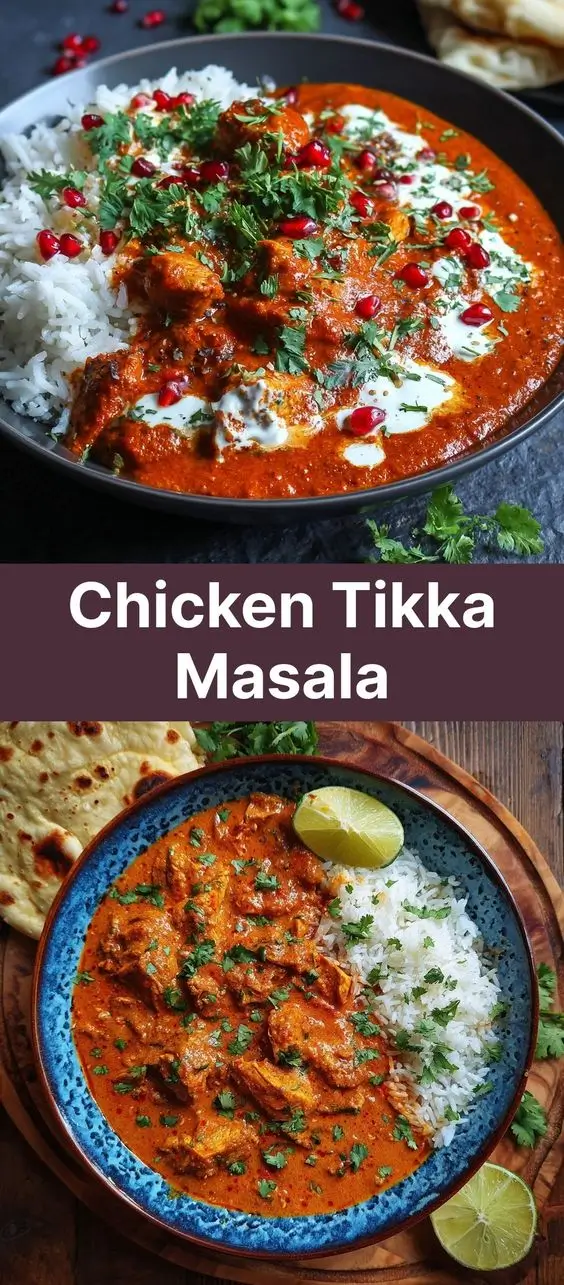
Chicken Tikka Masala is more than just a dish—it’s a culinary phenomenon. Revered across continents, celebrated in homes and restaurants alike, and often hailed as Britain’s national dish, Chicken Tikka Masala represents a beautiful fusion of Indian spices and British culinary adaptation. With its creamy, richly spiced tomato-based sauce and tender pieces of grilled chicken, it offers a harmonious balance of heat, sweetness, tanginess, and aroma that tantalizes the taste buds with every bite.
This iconic dish has transcended cultural boundaries and become a staple on menus from London to Los Angeles, New Delhi to Sydney. Whether enjoyed with fluffy basmati rice, warm naan bread, or alongside a crisp salad, Chicken Tikka Masala delivers comfort and complexity in equal measure. In this comprehensive guide, we’ll explore everything you need to know about this beloved curry—from its fascinating history and core ingredients to detailed cooking instructions, health benefits, variations, and frequently asked questions.
The History
The origin of Chicken Tikka Masala remains shrouded in mystery and debate, but most food historians agree that it was born out of South Asian immigrant communities in the United Kingdom during the mid-20th century. While some claim it originated in India or Pakistan, substantial evidence points to Scotland—or at least Britain—as its true birthplace.
One popular legend attributes the creation of Chicken Tikka Masala to a Bangladeshi chef named Ali Ahmed Aslam, who reportedly owned a restaurant called Shish Mahal in Glasgow during the 1970s. According to the tale, a customer found his chicken tikka too dry and requested something to moisten it. In response, the chef improvised by creating a creamy tomato-based sauce using spices, yogurt, and condensed soup, pouring it over the grilled chicken. The result was an instant hit—and thus, Chicken Tikka Masala was born.
Another theory suggests that British diners, unaccustomed to the dry texture of traditional Indian chicken tikka (marinated and grilled chicken), began asking for gravy to accompany it. Resourceful chefs responded by developing a milder, creamier sauce influenced by Indian flavors but tailored to Western palates.
Despite its disputed origins, Chicken Tikka Masala reflects the dynamic nature of global cuisine—how migration, adaptation, and creativity give rise to new dishes that eventually take on lives of their own. Today, it stands proudly not only as a symbol of British multiculturalism but also as a testament to the universal appeal of bold, aromatic food.
Ingredients Breakdown
Understanding the components of Chicken Tikka Masala is essential for mastering its authentic flavor profile. The dish consists of two main parts: the marinated grilled chicken (tikka) and the luscious masala sauce. Each ingredient plays a vital role in building layers of taste and texture.
For the Chicken Marinade:
- Chicken Breast or Thighs: Boneless, skinless chicken cut into bite-sized cubes. Thighs are preferred for juiciness, while breasts offer leaner meat.
- Plain Yogurt: Acts as a tenderizer and helps the spices adhere to the chicken. Greek yogurt works well due to its thickness.
- Lemon Juice: Adds acidity, enhancing flavor and aiding in tenderization.
- Ginger-Garlic Paste: Freshly made or store-bought; imparts warmth and depth.
- Spices: Includes ground cumin, coriander, turmeric, garam masala, smoked paprika (for color), and chili powder (adjustable for heat).
- Salt and Black Pepper: For seasoning.
- Oil (optional): A little oil prevents sticking during grilling or roasting.
For the Masala Sauce:
- Onions: Finely chopped or pureed; caramelized to build sweetness and body.
- Tomatoes: Canned crushed tomatoes, tomato purée, or fresh ripe tomatoes provide acidity and structure.
- Fresh Garlic and Ginger: Minced or grated for pungency and brightness.
- Butter or Ghee: Adds richness and enhances mouthfeel.
- Heavy Cream or Coconut Milk: Gives the sauce its signature silkiness. Dairy cream adds a luxurious finish, while coconut milk makes it dairy-free and subtly sweet.
- Spices: Cumin seeds, ground coriander, turmeric, garam masala, Kashmiri red chili powder (mild and vibrant), fenugreek leaves (kasuri methi), and cinnamon stick (optional).
- Sugar or Honey: A touch balances the acidity of tomatoes.
- Water or Stock: Adjusts consistency.
- Fresh Cilantro (Coriander Leaves): For garnish and freshness.
Step-by-Step Recipe
Preparation Time:
Marinating: 2–24 hours | Cooking: 45 minutes | Total: ~1 hour 15 minutes (plus marination)
Ingredients
Serves 4–6
- 1.5 lbs (700g) boneless, skinless chicken thighs or breasts, cut into 1.5-inch cubes
- ½ cup plain full-fat yogurt
- 1 tbsp lemon juice
- 1 tbsp ginger-garlic paste
- 1 tsp ground cumin
- 1 tsp ground coriander
- ½ tsp turmeric powder
- ½ tsp smoked paprika
- ½ tsp red chili powder (adjust to taste)
- 1 tsp garam masala
- Salt to taste (about 1 tsp)
- 2 tbsp vegetable oil (divided)
- 1 large onion, finely chopped
- 2 tbsp butter or ghee
- 1 tbsp cumin seeds
- 2 tsp ginger-garlic paste (fresh)
- 1 can (14 oz / 400g) crushed tomatoes
- 1 tsp salt (or to taste)
- ½ tsp turmeric
- 1 tsp ground coriander
- 1 tsp cumin powder
- 1 tsp garam masala
- ½ tsp Kashmiri chili powder (for color and mild heat)
- ¼ tsp fenugreek leaves (crushed kasuri methi)
- ½ cup heavy cream or coconut milk
- 1 tsp sugar or honey
- ¼ cup water or chicken stock (as needed)
- Fresh cilantro, chopped (for garnish)
Directions
- Marinate the Chicken: In a large bowl, combine yogurt, lemon juice, ginger-garlic paste, cumin, coriander, turmeric, smoked paprika, chili powder, garam masala, salt, and 1 tablespoon of oil. Mix well. Add the chicken pieces and coat thoroughly. Cover and refrigerate for at least 2 hours, preferably overnight for maximum flavor infusion.
- Cook the Chicken: Preheat oven to 400°F (200°C). Line a baking sheet with parchment paper or foil. Arrange marinated chicken in a single layer. Roast for 18–22 minutes, turning once halfway through, until cooked through and slightly charred at edges. Alternatively, grill over medium-high heat for smoky flavor. Set aside.
- Prepare the Masala Base: Heat 1 tablespoon oil and butter in a deep skillet or Dutch oven over medium heat. Add cumin seeds and let them sizzle for 10–15 seconds until fragrant.
- Sauté Onions: Add chopped onions and cook for 6–8 minutes, stirring occasionally, until golden brown and soft. Lower heat if browning too quickly.
- Add Ginger-Garlic Paste: Stir in fresh ginger-garlic paste and sauté for 1 minute until aromatic.
- Incorporate Spices: Add turmeric, coriander, cumin, garam masala, and Kashmiri chili powder. Cook for 30 seconds to toast the spices, preventing rawness.
- Add Tomatoes: Pour in crushed tomatoes and stir well. Bring to a simmer and cook uncovered for 12–15 minutes, allowing the sauce to thicken and oils to separate slightly. Use a wooden spoon to break down any chunks.
- Puree the Sauce (Optional): For a smoother texture, use an immersion blender directly in the pot or transfer carefully to a countertop blender. Blend until smooth, then return to heat.
- Finish the Sauce: Stir in cream (or coconut milk), sugar, and crushed fenugreek leaves. Simmer gently for 5 minutes—do not boil vigorously after adding cream to avoid curdling.
- Add Chicken: Gently fold in roasted chicken pieces along with any juices. Simmer for another 5–7 minutes to allow flavors to meld. Add water or stock if the sauce is too thick.
- Taste and Adjust: Check seasoning. Add more salt, cream, or sugar as needed. The final sauce should be creamy, aromatic, mildly spiced, with a hint of sweetness balancing the tomatoes.
- Garnish and Serve: Sprinkle with fresh cilantro. Serve hot with steamed basmati rice, garlic naan, or roti.
Tips
- Use Full-Fat Yogurt: It adheres better to the chicken and yields juicier results.
- Don’t Skip Marination: Even 2 hours helps, but overnight is ideal for deeper flavor penetration.
- Char the Chicken Well: A bit of grill or oven char adds smokiness that elevates the entire dish.
- Caramelize Onions Slowly: Low and slow ensures sweetness without bitterness.
- Bloom the Spices: Always cook ground spices briefly in fat to unlock their essential oils.
- Toast Fenugreek Leaves: Crush dried kasuri methi between your palms before adding to release fragrance.
- Avoid Boiling After Adding Cream: Keep heat low to prevent separation.
- Balance Flavors: Taste throughout—add a pinch more sugar if too acidic, extra cream if too spicy.
- Make Ahead Friendly: Flavors deepen when reheated the next day. Store in fridge for up to 3 days or freeze for 3 months.
Variations and Customizations
Chicken Tikka Masala is wonderfully adaptable. Here are several creative ways to personalize the recipe:
Protein Variations:
- Paneer Tikka Masala: Replace chicken with cubed paneer (Indian cottage cheese) for a vegetarian version.
- Shrimp or Prawns: Substitute with shell-on shrimp for a coastal twist.
- Chickpea or Lentil Version: Create a vegan alternative using chickpeas or lentils as the protein base.
Dietary Modifications:
- Dairy-Free: Use coconut yogurt for marination and full-fat coconut milk instead of cream and butter.
- Low-Fat: Use low-fat yogurt, skip butter, and substitute half-and-half or evaporated milk for heavy cream.
- Keto-Friendly: Omit sugar, use full-fat dairy, and serve with cauliflower rice.
Flavor Twists:
- Smoky Version: Add a dash of liquid smoke or char the onions longer for deeper smokiness.
- Extra Spicy: Increase chili powder or add fresh green chilies like serrano or Thai bird’s eye.
- Fruity Twist: Stir in a few tablespoons of mango puree or apricot jam for subtle sweetness.
- Herb-Infused: Add fresh mint or curry leaves during cooking for a unique aroma.
Global Fusion Ideas:
- Tikka Tacos: Serve shredded chicken tikka masala in tortillas with pickled onions and lime crema.
- Stuffed Peppers: Fill bell peppers with leftover masala and bake until tender.
- Mac & Cheese Upgrade: Mix into macaroni and cheese for a spicy, creamy twist.
- Pizza Topping: Use as a gourmet pizza sauce with mozzarella and red onions.
Health Considerations and Nutritional Value
While Chicken Tikka Masala is indulgent, it can be part of a balanced diet when prepared mindfully. Let’s break down its nutritional aspects:
Nutritional Highlights (per serving, approx. 1.5 cups):
- Calories: ~400–500 kcal (depends on cream/butter content)
- Protein: 30–35g (high-quality complete protein from chicken)
- Fat: 20–30g (mostly unsaturated from oils and dairy; can reduce with modifications)
- Carbohydrates: 15–20g (primarily from onions, tomatoes, and minimal sugar)
- Fiber: 3–4g (from vegetables and tomatoes)
- Vitamins & Minerals: Rich in vitamin B6, niacin, selenium (chicken), vitamin C (tomatoes, lemon), calcium (dairy), and iron.
Health Benefits:
- Anti-Inflammatory Properties: Turmeric contains curcumin, known for its anti-inflammatory and antioxidant effects.
- Digestive Aid: Ginger and cumin support digestion and gut health.
- Immune Support: Garlic has natural antimicrobial properties.
- Lean Protein Source: Chicken promotes muscle maintenance and satiety.
- Lycopene from Tomatoes: A powerful antioxidant linked to heart health and cancer prevention.
Considerations:
- High Sodium: Store-bought sauces or excessive added salt can increase sodium levels. Control salt during home cooking.
- Saturated Fat: Butter and cream contribute saturated fats. Opt for ghee in moderation or substitute with healthier oils and plant-based creams.
- Lactose Sensitivity: Traditional versions contain dairy. Use lactose-free alternatives if needed.
- Portion Control: Serve with plenty of vegetables and limit rice/naan intake for weight management.
How to Make It Healthier:
- Use skinless chicken thighs (more flavorful and less likely to dry out) instead of breast.
- Reduce cream amount and replace half with evaporated skim milk or cashew cream.
- Roast instead of frying to minimize added oil.
- Add spinach, peas, or bell peppers to boost fiber and nutrients.
- Use natural sweeteners like honey instead of refined sugar.
FAQ
1. Is Chicken Tikka Masala Indian?
While inspired by Indian cooking techniques and spices, Chicken Tikka Masala is widely considered a British invention. It evolved from Indian chicken tikka but adapted to suit British tastes with a creamy, mild sauce.
2. Can I make it without a grill or oven?
Yes! You can pan-sear the marinated chicken in a skillet over medium-high heat until browned and cooked through. Just ensure even cooking and some browning for flavor.
3. How do I store leftovers?
Cool completely and store in an airtight container in the refrigerator for up to 3–4 days. Reheat gently on the stove. Freeze for up to 3 months—thaw overnight before reheating.
4. Why did my sauce split?
Cream can curdle if exposed to high heat. Always simmer gently after adding dairy. Using cold cream or rapid boiling increases risk. An immersion blender can help re-emulsify slightly separated sauce.
5. Can I use pre-cooked chicken?
Yes, though freshly marinated and seared chicken tastes best. Leftover rotisserie chicken works in a pinch—just add near the end to warm through.
6. What’s the difference between Chicken Tikka and Chicken Tikka Masala?
Chicken Tikka refers only to the marinated, grilled chicken pieces. Chicken Tikka Masala includes those same pieces served in a spiced, creamy tomato gravy (masala).
7. Can I make it spicy?
Absolutely! Increase chili powder, add fresh green chilies, or include a dash of cayenne pepper. Serve with cooling raita to balance heat.
8. What sides go well with Chicken Tikka Masala?
Popular pairings include:
- Basmati rice (plain or jeera rice)
- Garlic naan or roti
- Cucumber raita (yogurt with cucumber and mint)
- Mango chutney
- Simple green salad with lemon dressing
9. Is it gluten-free?
The core ingredients are naturally gluten-free, but always check labels on spice blends, yogurt, and stock to ensure no hidden gluten. Serve with rice instead of naan for a GF meal.
10. Can I make it in a slow cooker?
Yes! Marinate chicken and sear briefly. Transfer to slow cooker with all sauce ingredients except cream and cilantro. Cook on low for 6–8 hours or high for 3–4. Stir in cream and herbs before serving.
Summary
Chicken Tikka Masala is a rich, creamy, and aromatic curry featuring succulent pieces of spiced grilled chicken nestled in a velvety tomato-based sauce infused with Indian spices.
A global favorite born from cultural fusion, it’s both comforting and complex—perfect for weeknight dinners or impressing guests, and easily customizable to suit various dietary needs and preferences.