Chicken Tikka Masala: A Flavorful Journey Through One of the World’s Most Beloved Dishes
The History: Tracing the Origins of a Culinary Icon
Chicken Tikka Masala is often hailed as Britain’s national dish, but its roots are deeply entwined with South Asian culinary traditions and the rich tapestry of migration, fusion, and cultural exchange. While its exact origins remain a subject of spirited debate among food historians, most agree that Chicken Tikka Masala emerged in the mid-20th century, likely in the Indian diaspora communities of Great Britain. Some accounts suggest it was invented in a Glasgow restaurant in the 1970s when a customer found his chicken tikka too dry and requested a sauce to moisten it—prompting the chef to improvise with tomato soup and spices.
Others trace its lineage back to traditional Mughlai cuisine, where marinated meats were grilled and then simmered in rich gravies. The dish itself appears to be a hybrid of two distinct preparations: chicken tikka, a Punjabi specialty involving marinated boneless chicken chunks roasted in a tandoor, and masala, a spiced sauce typical of North Indian cooking. Over time, the smoky charred pieces of chicken tikka were combined with a creamy, spiced tomato-based gravy, giving birth to the now-iconic Chicken Tikka Masala.
Today, the dish enjoys global acclaim and is served in restaurants from London to Los Angeles, Tokyo to Toronto. In fact, former British Foreign Secretary Robin Cook once declared Chicken Tikka Masala a “true British national dish,” symbolizing multiculturalism and adaptation. Whether born out of necessity or inspired by centuries-old recipes, this dish stands as a testament to the dynamic evolution of food across borders and generations.
Ingredients Breakdown: Understanding the Flavors That Define the Dish
The magic of Chicken Tikka Masala lies not just in its taste but in the harmony of its ingredients. Each component plays a crucial role in building layers of flavor, aroma, and texture. Here’s a detailed breakdown:
For the Chicken Marinade:
- Chicken Breast or Thighs: Boneless, skinless pieces work best. Thighs offer more moisture and tenderness after grilling, while breasts provide a leaner option.
- Yogurt: Acts as a tenderizer due to its lactic acid, helping break down proteins for juicier meat. It also carries spices deep into the chicken.
- Lemon Juice: Adds acidity, enhancing both flavor and tenderization.
- Ginger-Garlic Paste: The aromatic base that delivers pungency and depth. Freshly ground paste is far superior to powdered forms.
- Spices: Paprika (for color), turmeric (earthy warmth and golden hue), cumin (earthy notes), coriander (citrusy undertone), garam masala (complex warmth), and cayenne pepper (heat).
- Oil: Helps retain moisture and prevents sticking during high-heat cooking.
For the Masala Sauce:
- Onions: Finely chopped or pureed; form the foundation of the sauce, caramelizing to add sweetness and body.
- Butter or Ghee: Provides richness and enhances mouthfeel. Ghee imparts a nuttier, more aromatic quality.
- Tomatoes: Canned crushed tomatoes or tomato purée create a tangy base. Some chefs use fresh ripe tomatoes for a brighter taste.
- Cream or Coconut Milk: Gives the sauce its luxurious creaminess. Heavy cream is traditional, though coconut milk offers a dairy-free alternative with a subtle tropical note.
- Spice Blend: Includes ground cumin, coriander, turmeric, paprika, garam masala, and sometimes fenugreek leaves (kasuri methi) for a slightly bitter, maple-like aroma.
- Fresh Herbs: Cilantro (coriander leaves) adds freshness when used as garnish.
Step-by-Step Recipe: Crafting the Perfect Chicken Tikka Masala at Home
Making authentic-tasting Chicken Tikka Masala at home requires patience and attention to detail—but the results are well worth the effort. Follow these comprehensive steps to recreate this beloved dish in your kitchen.
Step 1: Marinate the Chicken (Minimum 2 Hours, Ideally Overnight)
- In a large bowl, combine 500g (about 1 lb) of boneless chicken (cut into 1.5-inch cubes) with ½ cup plain full-fat yogurt, 1 tbsp lemon juice, 1 tbsp ginger-garlic paste, ½ tsp ground cumin, ½ tsp ground coriander, ½ tsp turmeric, 1 tsp paprika, ¼ tsp cayenne pepper, ½ tsp salt, and 1 tbsp oil.
- Mix thoroughly until all pieces are evenly coated. Cover and refrigerate for at least 2 hours—preferably overnight—for maximum flavor infusion.
Step 2: Cook the Marinated Chicken
- Preheat oven to 220°C (425°F). Line a baking tray with parchment paper or foil and place a wire rack on top.
- Arrange the marinated chicken on the rack, ensuring space between each piece for even cooking.
- Bake for 18–22 minutes, flipping halfway, until edges are slightly charred and internal temperature reaches 75°C (165°F).
- Alternatively, grill on a stovetop grill pan or cook under a broiler for a smokier flavor. Set aside.
Step 3: Prepare the Masala Sauce
- In a heavy-bottomed skillet or Dutch oven, melt 3 tbsp butter or ghee over medium heat.
- Add 1 large finely chopped onion and sauté for 8–10 minutes until golden brown. Stir frequently to avoid burning.
- Add 1 tbsp ginger-garlic paste and cook for another minute until fragrant.
- Stir in 1 tsp cumin, 1 tsp coriander, ½ tsp turmeric, 1 tsp paprika, and ½ tsp garam masala. Toast for 30 seconds to bloom the spices.
- Pour in 400g (14 oz) canned crushed tomatoes or tomato purée. Simmer for 15–20 minutes, stirring occasionally, until the sauce thickens and oil begins to separate.
- Use an immersion blender or transfer to a countertop blender to puree the sauce until smooth (optional for silkier texture).
Step 4: Finish the Dish
- Return the sauce to the pot if blended. Stir in ½ cup heavy cream or coconut milk. Bring to a gentle simmer.
- Add the cooked chicken pieces along with any accumulated juices. Simmer for 8–10 minutes to allow flavors to meld.
- Crush 1 tbsp dried fenugreek leaves (kasuri methi) between palms and stir into the curry for authentic aroma.
- Adjust seasoning with salt, a pinch of sugar (to balance acidity), and extra cream if desired.
Step 5: Garnish and Serve
- Remove from heat. Drizzle with a swirl of cream and garnish generously with freshly chopped cilantro.
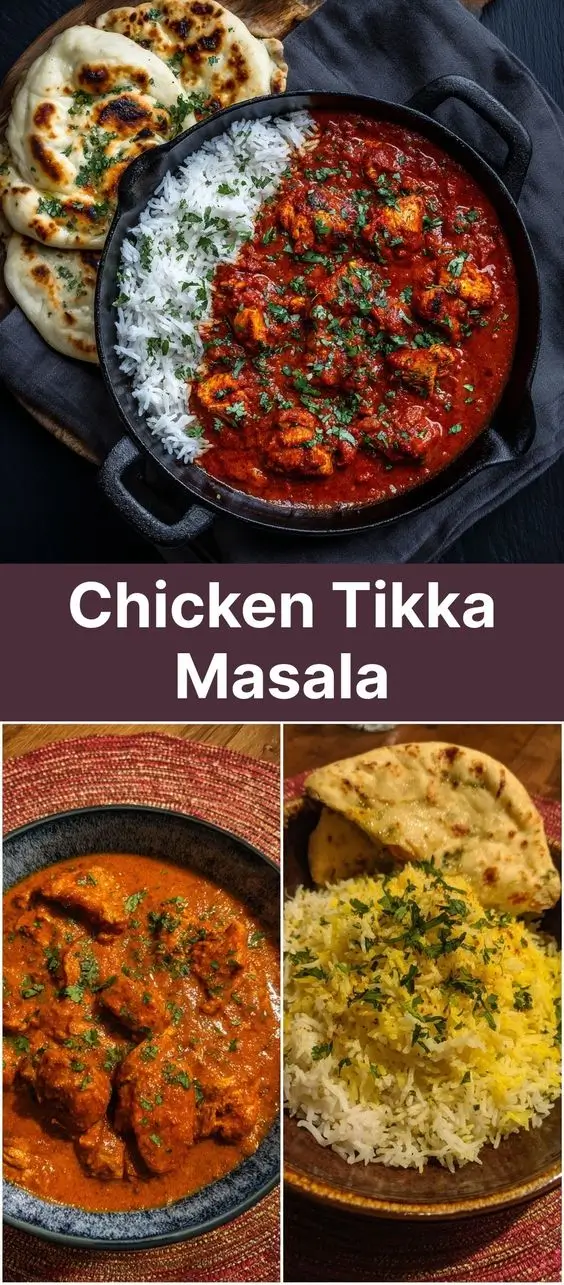
- Serve hot with basmati rice, naan bread, or roti.
Tips for Achieving Restaurant-Quality Chicken Tikka Masala
- Marinate Overnight: Extended marination ensures deeper flavor penetration and more tender chicken.
- Use Full-Fat Yogurt: Low-fat versions may curdle more easily and lack the richness needed for proper texture.
- Char the Chicken: For authentic smoky flavor, finish the chicken under a broiler or on a grill. If available, a charcoal tandoor imparts unmatched aroma.
- Don’t Rush the Onions: Slowly caramelizing onions builds sweetness and depth—key to a balanced sauce.
- Bloom Spices Properly: Cooking ground spices in fat for 20–30 seconds releases their essential oils and prevents raw taste.
- Balance Acidity: Tomato-based sauces can be sharp. A small amount of sugar (½ tsp) or cream helps mellow the tartness.
- Use Kasuri Methi: This ingredient is non-negotiable for authenticity. Its unique aroma defines the dish.
- Rest Before Serving: Letting the curry sit for 10–15 minutes off heat allows flavors to marry beautifully.
- Double the Recipe: This dish tastes even better the next day as flavors continue to develop.
Variations and Customizations: Making the Dish Your Own
While traditional Chicken Tikka Masala follows a specific formula, countless variations exist across regions and households. Here are some creative ways to customize the recipe:
Protein Swaps:
- Paneer Tikka Masala: Replace chicken with cubed paneer (Indian cottage cheese) for a vegetarian version.
- Shrimp or Prawns: Use shell-on shrimp for a coastal twist—cook briefly to avoid overcooking.
- Tofu: Extra-firm tofu, pressed and marinated, works well for a vegan adaptation.
Sauce Variations:
- Smoky Version: Add a drop of liquid smoke or char a tomato and onion directly over flame before blending into the sauce.
- Dairy-Free: Substitute cream with cashew cream (soaked and blended cashews) or full-fat coconut milk.
- Low-Fat: Use Greek yogurt instead of cream and reduce oil usage without sacrificing flavor.
- Green Masala Twist: Blend spinach, cilantro, and mint into the sauce for a vibrant, herby variation.
Heat Level Adjustments:
- Mild: Omit cayenne and chili powder; increase cream content.
- Extra Hot: Add chopped green chilies or a dash of red chili flakes during sauce preparation.
Global Fusion Ideas:
- Korean-Inspired: Add gochujang and sesame oil for a spicy-sweet umami kick.
- Mediterranean Fusion: Incorporate roasted red peppers and smoked paprika for depth.
- Cajun Chicken Tikka: Season marinade with Cajun spice blend for a Southern twist.
Health Considerations and Nutritional Value
Chicken Tikka Masala can be a nutritious meal when prepared with mindful ingredient choices. Here’s a general nutritional profile per serving (approx. 1 cup with chicken and sauce, without rice or bread):
| Nutrient | Amount (Approximate) |
|---|---|
| Calories | 320–400 kcal |
| Protein | 25–30g |
| Total Fat | 18–24g |
| Saturated Fat | 9–12g |
| Carbohydrates | 10–15g |
| Fiber | 2–3g |
| Sugar | 6–8g (naturally occurring) |
| Sodium | 600–800mg |
Health Benefits:
- High-Quality Protein: Chicken provides complete protein essential for muscle repair and satiety.
- Anti-Inflammatory Spices: Turmeric contains curcumin, known for its antioxidant and anti-inflammatory properties.
- Probiotics: Yogurt in the marinade contributes beneficial bacteria for gut health (if using live-culture yogurt).
- Lycopene Source: Tomatoes are rich in lycopene, a powerful antioxidant linked to heart health.
Healthier Modifications:
- Use skinless chicken thighs or breasts to reduce saturated fat.
- Replace heavy cream with evaporated skim milk or low-fat coconut milk.
- Reduce added salt by using herbs like thyme or bay leaf for flavor enhancement.
- Boost fiber by adding diced vegetables like bell peppers, zucchini, or carrots to the sauce.
- Opt for whole grain basmati rice or quinoa instead of white rice.
Cautions:
Traditional versions can be high in saturated fat and sodium, especially in restaurant settings where butter and salt are used liberally. Individuals with hypertension, heart conditions, or lactose intolerance should adjust accordingly. Always check labels on pre-made spice blends, which may contain hidden salt or fillers.
Ingredients
For the Chicken Marinade:
- 500g (1 lb) boneless chicken breast or thighs, cut into 1.5-inch cubes
- ½ cup plain full-fat yogurt
- 1 tbsp lemon juice
- 1 tbsp ginger-garlic paste (or 1.5 tsp each grated ginger and garlic)
- ½ tsp ground cumin
- ½ tsp ground coriander
- ½ tsp turmeric
- 1 tsp paprika
- ¼ tsp cayenne pepper (adjust to taste)
- ½ tsp salt
- 1 tbsp neutral oil (e.g., vegetable or avocado oil)
For the Masala Sauce:
- 3 tbsp butter or ghee
- 1 large onion, finely chopped
- 1 tbsp ginger-garlic paste
- 1 tsp ground cumin
- 1 tsp ground coriander
- ½ tsp turmeric
- 1 tsp paprika
- ½ tsp garam masala
- 400g (14 oz) canned crushed tomatoes or tomato purée
- ½ cup heavy cream, half-and-half, or coconut milk
- 1 tbsp dried fenugreek leaves (kasuri methi), crushed
- Salt to taste
- ½ tsp sugar (optional, to balance acidity)
- Fresh cilantro, chopped (for garnish)
- Heavy cream (for drizzling, optional)
Directions
- Marinate the Chicken: In a bowl, mix all marinade ingredients except chicken. Add chicken pieces and coat evenly. Cover and refrigerate for at least 2 hours, preferably overnight.
- Preheat Oven: Heat oven to 220°C (425°F). Place chicken on a wire rack over a lined baking tray.
- Bake Chicken: Roast for 18–22 minutes, turning once, until fully cooked and slightly charred. Remove and set aside.
- Prepare Sauce Base: In a large pot, melt butter over medium heat. Sauté onions until golden brown (8–10 min).
- Add Aromatics: Stir in ginger-garlic paste; cook 1 minute. Add all ground spices and toast 30 seconds.
- Add Tomatoes: Pour in crushed tomatoes. Simmer 15–20 minutes, stirring occasionally, until oil separates.
- Blend (Optional): For a smoother sauce, blend with an immersion blender or regular blender.
- Add Cream: Stir in cream and bring to a gentle simmer. Do not boil vigorously.
- Add Chicken: Add cooked chicken and juices. Simmer 8–10 minutes.
- Finish with Kasuri Methi: Crush fenugreek leaves and stir in. Adjust salt and add sugar if needed.
- Garnish and Serve: Top with cilantro and a swirl of cream. Serve immediately with rice or naan.
FAQ
1. Is Chicken Tikka Masala Indian?
While inspired by Indian techniques and flavors, Chicken Tikka Masala is widely considered a British creation developed by South Asian immigrants. It does not appear in classical Indian cookbooks but has become globally associated with Indian cuisine.
2. Can I make this ahead of time?
Yes! The sauce and marinated chicken can be made 1–2 days in advance. Assemble and reheat gently before serving. Flavors deepen over time.
3. Can I freeze Chicken Tikka Masala?
Absolutely. Store in airtight containers for up to 3 months. Thaw overnight in the fridge and reheat slowly on the stove, adding a splash of water or cream if needed.
4. Why did my sauce curdle?
Curdling occurs when dairy is exposed to high heat or extreme pH. To prevent this, use room-temperature cream, avoid boiling after adding dairy, and ensure your tomato mixture isn’t overly acidic (add a pinch of sugar).
5. What can I serve with Chicken Tikka Masala?
Classic pairings include steamed basmati rice, garlic naan, roti, or paratha. A side of cucumber raita, mango chutney, or pickled onions complements the richness.
6. Can I use store-bought tikka masala sauce?
Yes, though homemade offers superior flavor. Look for brands with minimal preservatives and natural ingredients. Enhance with fresh garlic, ginger, and kasuri methi.
7. How do I make it spicier?
Add fresh green chilies, extra cayenne, or a dash of hot sauce. You can also increase the amount of black pepper for a different kind of heat.
8. Is it gluten-free?
Yes, provided all ingredients (especially spice blends) are certified gluten-free. Naturally, the recipe contains no wheat, barley, or rye.
Summary
Chicken Tikka Masala is a harmonious fusion of smoky grilled chicken and a luxuriously spiced, creamy tomato-based sauce, celebrated worldwide for its bold flavors and comforting richness.
Whether enjoyed in a London curry house or made from scratch in your kitchen, this dish embodies the beauty of culinary cross-pollination and remains a timeless favorite across cultures.