Introduction
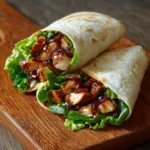
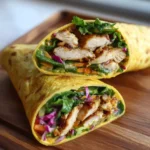
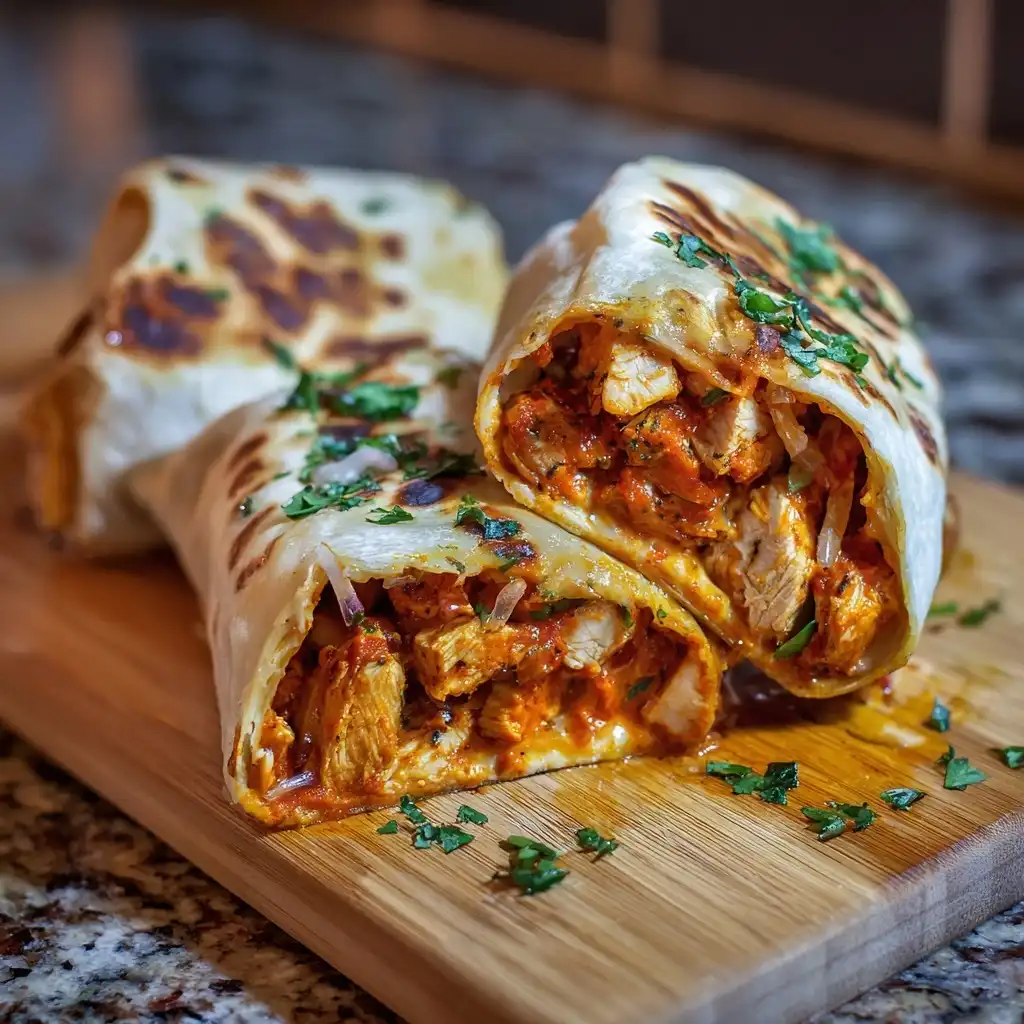
Chicken Tikka Masala Wrap is a vibrant, modern fusion dish that marries the rich, aromatic soul of classic Indian cuisine with the convenient, handheld appeal of a globally beloved street-food format. It transforms the beloved restaurant staple—tender, spiced chicken tikka bathed in creamy tomato-based masala—into a portable, customizable, and deeply satisfying meal wrapped in soft, warm flatbread. Whether you’re packing lunch for work, hosting an informal gathering, or simply craving bold flavors without the fuss of multiple plates and utensils, this wrap delivers layers of texture, warmth, and complexity in every bite. Its genius lies not just in taste, but in adaptability: it welcomes dietary preferences (gluten-free, dairy-free, vegan alternatives), accommodates meal prep routines, and scales effortlessly from solo snack to crowd-pleasing party platter.
The History
While Chicken Tikka Masala itself boasts a famously contested origin story—often cited as a 1970s British-Indian innovation born from resourcefulness (some credit Glasgow chefs who transformed leftover tandoori chicken with tomato soup and spices; others point to London’s Brick Lane kitchens responding to local palates)—the wrap iteration is a distinctly 21st-century evolution. As global food trends embraced portability, health-conscious eating, and cross-cultural flavor layering, chefs and home cooks alike began reimagining regional curries in handheld formats. The rise of artisanal rotis, whole-wheat parathas, and gluten-free wraps across UK and North American grocery aisles accelerated this shift. Food trucks in Toronto, Melbourne, and Manchester were among the first to popularize “curry wraps,” with Chicken Tikka Masala quickly emerging as the flagship due to its balance of smoky depth, tangy sweetness, and gentle heat. Unlike traditional biryani or butter chicken bowls, the wrap format preserves structural integrity—preventing sogginess while allowing each component (marinated chicken, velvety sauce, cooling raita, fresh herbs) to retain its distinct role—making it both a culinary homage and a pragmatic reinvention.
Ingredients Breakdown
Every exceptional Chicken Tikka Masala Wrap begins with intentionality in ingredient selection—not just for authenticity, but for harmony, texture contrast, and functional performance within the wrap structure:
- Chicken Breast or Thighs: Boneless, skinless thighs are preferred for superior moisture retention during grilling or pan-searing; breasts offer leaner texture but require precise marinating and cooking to avoid dryness.
- Yogurt (Full-Fat, Plain, Unsweetened): Acts as both tenderizer and marinade base—its lactic acid breaks down muscle fibers, while its fat content carries fat-soluble spices and prevents sticking on the grill.
- Garam Masala: A cornerstone blend—ideally freshly ground—to provide warm, complex notes (cinnamon, cardamom, cloves, cumin, coriander). Store-bought versions vary widely; seek ones without fillers or excessive salt.
- Smoked Paprika or Kashmiri Red Chili Powder: Imparts deep brick-red hue and mild, fruity heat—critical for visual appeal and layered spice profile without overwhelming burn.
- Fresh Ginger & Garlic (Grated or Paste): Raw pungency mellows beautifully during cooking, contributing enzymatic tenderness and foundational aroma—never substitute with dried unless absolutely necessary.
- Cream or Coconut Milk: Adds luxurious body and richness to the masala sauce; full-fat dairy cream yields classic indulgence, while canned coconut milk offers dairy-free depth and subtle sweetness.
- Tomato Base: A combination of crushed San Marzano tomatoes (for sweetness and low acidity) and tomato paste (for concentrated umami and thickening power) ensures balanced tang and clingable consistency.
- Onion & Capsicum (Bell Pepper): Finely diced red onion adds sharp crunch and color; roasted or grilled capsicum contributes caramelized sweetness and moisture control—key for preventing wrap saturation.
- Flatbread: Options range from traditional roti or paratha (whole wheat, flaky, griddle-cooked) to naan-style wraps, spinach tortillas, or gluten-free almond-flour wraps—each influencing chew, flexibility, and nutritional profile.
- Finishing Elements: Fresh cilantro, mint leaves, sliced red chilies, lemon wedges, and optional pickled onions or mango chutney add brightness, acidity, and textural punctuation.
Step-by-Step Recipe
- Marinate the Chicken (Minimum 2 Hours, Overnight Ideal): In a non-reactive bowl, combine 1½ cups plain full-fat yogurt, 2 tbsp lemon juice, 2 tbsp grated ginger, 2 tbsp minced garlic, 1½ tbsp garam masala, 1 tsp smoked paprika, 1 tsp ground cumin, 1 tsp turmeric, 1 tsp Kashmiri chili powder, 1 tsp salt, and ½ tsp black pepper. Add 1.5 lbs boneless, skinless chicken thighs (cut into 1.5-inch cubes). Mix thoroughly, ensuring each piece is coated. Cover and refrigerate—cold marination allows deeper spice penetration and enzymatic tenderization.
- Prep Grill or Skillet: Preheat grill to medium-high (or cast-iron skillet over medium-high heat). Lightly oil grates or pan. Thread marinated chicken onto skewers if using grill; otherwise, use a flat spatula for skillet searing.
- Cook the Tikka: Grill or pan-sear chicken for 6–8 minutes per side, turning occasionally, until charred at edges and cooked through (internal temp 165°F). Avoid overcrowding—cook in batches if needed. Rest for 5 minutes before dicing into smaller, wrap-friendly pieces (¼–½ inch). Reserve any accumulated juices.
- Build the Masala Sauce: In a heavy-bottomed saucepan, heat 2 tbsp ghee or neutral oil over medium heat. Sauté 1 finely diced yellow onion until golden (8–10 min). Add 1 tbsp ginger-garlic paste and cook 1 minute until fragrant. Stir in 2 tbsp tomato paste; cook 2 minutes until brick-red and oil begins to separate. Add 1 cup crushed tomatoes, ½ cup water or chicken stock, 1 tsp sugar, 1 tsp salt, and ½ tsp garam masala. Simmer uncovered 15 minutes, stirring occasionally, until thickened and deep red. Stir in ⅓ cup heavy cream or coconut milk and simmer gently 3 minutes—do not boil vigorously post-cream addition.
- Combine & Finish: Gently fold rested, diced chicken into warm masala. Add reserved marinade juices (if no raw bits remain) for extra flavor. Simmer 2–3 minutes to marry flavors. Adjust salt, acidity (lemon juice), and heat (chili flakes) to taste. Let cool slightly—warm (not hot) filling prevents wrap softening.
- Prepare Flatbreads: Warm wraps individually on a dry skillet or tava for 20–30 seconds per side until pliable and lightly speckled. Stack under a clean kitchen towel to retain steam and flexibility.
- Assemble the Wrap: Lay warm flatbread on clean surface. Spread 2 tbsp cooled raita (yogurt + grated cucumber + mint + cumin) in center, leaving 1.5-inch border. Spoon ¾ cup warm chicken tikka masala over raita. Top with 2 tbsp finely diced red onion, 1 tbsp roasted red bell pepper strips, 1 tsp fresh cilantro, and optional mint leaves. Drizzle with ½ tsp lemon juice and a pinch of chaat masala or sumac for tang.
- Wrap with Precision: Fold bottom edge up over filling, then fold left and right sides inward (like an envelope), and roll tightly upward from bottom to seal. Optional: Lightly toast seam-side down in skillet for 1 minute to set shape and add crispness.
- Serve Immediately: Cut diagonally in half with serrated knife. Serve with extra raita, lime wedges, and a small side of pickled vegetables or green salad.
Tips
- Marinade Timing Matters: While 2 hours works, 12–24 hours yields dramatically more tender, flavorful chicken—especially crucial when using leaner cuts like breast. Never exceed 48 hours; yogurt’s acidity can begin to “cook” the surface, resulting in mushy texture.
- Control Moisture Meticulously: Before assembling, drain excess liquid from chicken-tikka mixture using a slotted spoon. Pat roasted peppers and onions dry with paper towels. Excess moisture is the #1 cause of soggy, tearing wraps.
- Temperature Is Your Ally: Fill should be *warm*, never piping hot—heat weakens gluten in wheat-based wraps and melts cold ingredients like raita unevenly. Conversely, avoid cold filling—it won’t meld flavors and makes wrapping stiff.
- Warm Wraps Correctly: Use dry heat only—no steam or microwaving (which makes them gummy). A hot, ungreased cast-iron skillet gives ideal pliability and subtle char without added fat.
- Layer Strategically: Raita acts as a moisture barrier—always place it directly on the wrap first. Then add warm filling, then fresh/crunchy toppings last to preserve texture. Never put acidic elements (lemon, pickle) directly against the wrap surface for extended time.
- Roll Tight, But Not Over-Stuffed: Aim for ~¾ cup total filling per 10–12 inch wrap. Overfilling causes bursting; underfilling leads to loose, flimsy rolls. Practice the “envelope fold” technique for professional-grade security.
- Meal Prep Smart: Marinate chicken and prepare masala sauce separately up to 3 days ahead. Cook chicken fresh, then combine just before serving. Store components chilled in airtight containers—never pre-assemble wraps more than 1 hour ahead.
- Tool Up: Use a wide, flexible spatula for lifting and rolling. Keep a small bowl of water nearby to dampen fingertips when sealing edges. A bamboo sushi mat (lightly oiled) helps achieve tight, even rolls for beginners.
- Taste & Adjust Relentlessly: Balance is everything: if sauce tastes flat, add acid (lemon/vinegar); if too sharp, add pinch of sugar or cream; if bland, bloom ½ tsp garam masala in 1 tsp ghee and swirl in.
- Rest Before Cutting: Let assembled wraps rest seam-side down for 2 minutes—this allows residual heat to gently set the raita barrier and tighten the roll. Use a serrated knife for clean cuts without squashing.
Variations and Customizations
This recipe thrives on personalization—here’s how to tailor it across dietary needs, flavor profiles, and cultural inspirations:
- Dairy-Free/Vegan: Substitute yogurt marinade with unsweetened coconut or soy yogurt; replace cream with cashew cream (soaked + blended raw cashews) or full-fat coconut milk; use vegan ghee or avocado oil; swap chicken for extra-firm tofu (pressed, marinated 4+ hours), seitan strips, or seasoned chickpeas. Garnish with toasted coconut flakes and lime zest.
- Gluten-Free: Choose certified GF flatbreads—options include almond-flour wraps, cassava tortillas, brown rice wraps, or large butter lettuce or collard green leaves for ultra-low-carb. Ensure all spice blends and sauces are GF-certified (many garam masalas contain wheat fillers).
- Low-Carb/Keto: Use large, blanched collard green leaves or nori sheets as wrappers. Replace sugar in masala with erythritol or monk fruit; thicken with xanthan gum instead of tomato paste alone. Boost healthy fats with avocado slices or tahini drizzle.
- Spice-Level Spectrum: Mild: Omit chili powders; add 1 tsp fennel seeds and ½ tsp ground mace. Medium: Stick to recipe. Hot: Add 1–2 finely minced serrano chilies to marinade and ½ tsp cayenne to masala. Extra Heat: Finish with chili oil or ghost pepper-infused ghee.
- Regional Twists: Punjabi Style: Add 1 tbsp kasuri methi (dried fenugreek leaves) to masala at end; serve with pickled carrots. Goan Influence: Swap tomato base for roasted kokum pulp + tamarind; add 1 tsp cumin-coriander powder and roasted cashews. Middle Eastern Fusion: Use za’atar-spiced flatbread; top with labneh, pomegranate molasses, and sumac onions.
- Protein Swaps: Paneer tikka (cubed, marinated paneer), shrimp tikka (reduce marinating time to 30 mins), lamb tikka (use shoulder, slow-marinate), or jackfruit “tikka” (young green jackfruit in brine, shredded and roasted).
- Breakfast Wrap: Add scrambled eggs or spiced omelet ribbons to warm tikka masala; top with avocado and microgreens. Serve with chai-spiced maple syrup for dipping.
- Deconstructed “Bowl” Version: Serve components separately in a grain bowl—basmati rice or quinoa base, warm tikka masala, raita, roasted veggies, pappadum crumbles, and lemon wedge. Ideal for portion control or sharing.
- Kid-Friendly Adaptation: Reduce or omit chili; increase cream and yogurt; add mild cheese (paneer or mozzarella) to filling; shape into mini “tikka pockets” using small whole-wheat pita halves.
- Gourmet Presentation: Pipe masala in spiral pattern; layer with edible flowers (nasturtiums, pansies); garnish with gold leaf (food-grade) and saffron-infused cream drizzle. Serve on slate board with mini copper spoons.
Health Considerations and Nutritional Value
A well-constructed Chicken Tikka Masala Wrap can be a nutrient-dense, balanced meal—especially when mindful choices guide each component. Here’s a detailed nutritional snapshot per standard 12-inch wrap (using chicken thighs, whole-wheat roti, full-fat dairy, and moderate cream):
- Calories: ~580–650 kcal (varies by bread choice—almond flour wrap ~420 kcal; white naan ~720 kcal)
- Protein: 38–42g (chicken + yogurt + raita = high-quality complete protein supporting muscle repair and satiety)
- Fat: 24–30g (mostly unsaturated from ghee/oil, cream, and chicken thigh fat—supports hormone health and nutrient absorption of fat-soluble vitamins A, D, E, K)
- Carbohydrates: 52–60g (primarily complex carbs from whole-wheat flatbread and fiber-rich vegetables—provides sustained energy and digestive support)
- Fiber: 7–9g (from whole grains, onions, peppers, and spices like fenugreek—promotes gut microbiome diversity and glycemic control)
- Vitamins & Minerals: Rich in B12 (chicken), vitamin C (bell peppers, lemon), potassium (yogurt, tomatoes), iron (spices + chicken), and antioxidants (turmeric’s curcumin, gingerol in ginger, lycopene in tomatoes)
Health-Smart Modifications:
- Lower Sodium: Use low-sodium tomato products, skip added salt in marinade, rely on spice blends and citrus for flavor. Aim for ≤500mg sodium per wrap.
- Heart-Healthy Fats: Replace ghee with cold-pressed avocado oil; use Greek yogurt-based raita instead of sour cream; add 1 tsp flax or chia seeds to marinade for omega-3s.
- Blood Sugar Friendly: Opt for high-fiber flatbreads (oat, multigrain, or legume-based); add 1 tbsp apple cider vinegar to masala to lower glycemic load; pair with leafy greens to slow glucose absorption.
- Anti-Inflammatory Focus: Maximize turmeric (add black pepper to boost curcumin absorption), include ginger and garlic in generous amounts, finish with antioxidant-rich pomegranate arils or goji berries.
- Allergen Awareness: Clearly label common allergens (dairy, gluten, nuts) when serving publicly. For nut-free versions, avoid almond-based wraps and use sunflower seed butter in place of cashew cream if needed.
- Portion Guidance: One wrap constitutes a balanced main meal. For weight management, pair with a large side salad (no creamy dressings) rather than doubling the wrap.
Note: Those with IBS may benefit from low-FODMAP adjustments—swap onion/garlic for infused oil, use lactose-free yogurt, and choose firm tofu over chicken if sensitive to high-histamine proteins.
Ingredients
- 1½ lbs boneless, skinless chicken thighs, cut into 1.5-inch cubes
- 1½ cups plain full-fat yogurt (unsweetened, unflavored)
- 2 tbsp fresh lemon juice
- 2 tbsp freshly grated ginger
- 2 tbsp minced garlic
- 1½ tbsp garam masala (preferably freshly ground)
- 1 tsp smoked paprika
- 1 tsp ground cumin
- 1 tsp ground turmeric
- 1 tsp Kashmiri red chili powder (or mild paprika + ¼ tsp cayenne)
- 1 tsp fine sea salt (plus more to taste)
- ½ tsp freshly ground black pepper
- 2 tbsp ghee or neutral cooking oil (avocado, grapeseed)
- 1 large yellow onion, finely diced
- 1 tbsp ginger-garlic paste (optional, for depth)
- 2 tbsp tomato paste
- 1 cup high-quality crushed tomatoes (San Marzano preferred)
- ½ cup low-sodium chicken stock or water
- 1 tsp granulated sugar (or coconut sugar)
- ⅓ cup heavy cream or full-fat canned coconut milk
- ¼ cup fresh cilantro leaves, chopped (plus extra for garnish)
- 2 tbsp fresh mint leaves, chopped
- 1 large red bell pepper, roasted, peeled, and thinly sliced
- ½ medium red onion, very finely diced
- 4–6 whole-wheat rotis, parathas, or gluten-free wraps (10–12 inches)
- ½ cup raita (see note below)
- Lemon wedges, for serving
- Chaat masala or sumac, for finishing (optional)
For Quick Raita: Combine 1 cup plain whole-milk yogurt, ½ cup finely grated cucumber (squeezed dry), 1 tbsp chopped mint, 1 tbsp chopped cilantro, ½ tsp roasted cumin powder, ¼ tsp salt, and a pinch of black pepper. Chill 30 minutes before use.
Directions
- Marinate the Chicken: In a large non-reactive bowl, whisk together yogurt, lemon juice, grated ginger, minced garlic, garam masala, smoked paprika, cumin, turmeric, Kashmiri chili powder, salt, and black pepper. Add chicken pieces and stir until fully coated. Cover and refrigerate for at least 2 hours—or ideally, overnight (12–24 hours).
- Preheat Cooking Surface: Prepare grill to medium-high heat or heat a heavy cast-iron skillet over medium-high heat. Lightly oil grates or pan.
- Cook the Tikka: Thread marinated chicken onto metal skewers (if grilling) or place directly in hot skillet. Cook 6–8 minutes per side, turning occasionally, until deeply charred at edges and internal temperature reaches 165°F. Transfer to a cutting board, let rest 5 minutes, then dice into ¼–½ inch pieces. Reserve any juices.
- Prepare Masala Sauce: In a heavy-bottomed saucepan or Dutch oven, heat ghee over medium heat. Add diced onion and sauté 8–10 minutes until golden and translucent. Stir in ginger-garlic paste (if using) and cook 1 minute until fragrant. Add tomato paste and stir constantly for 2 minutes until darkened and oil begins to shimmer around edges.
- Simmer Base: Pour in crushed tomatoes, stock (or water), sugar, 1 tsp salt, and ½ tsp garam masala. Bring to gentle simmer, then reduce heat to low. Partially cover and cook 15 minutes, stirring occasionally, until sauce reduces by one-third and turns deep brick-red.
- Finish Sauce: Stir in heavy cream (or coconut milk) and simmer gently—do not boil—for 3 minutes. Remove from heat. Gently fold in diced chicken and reserved juices. Taste and adjust: add lemon juice for brightness, salt for savoriness, or chili flakes for heat.
- Warm Flatbreads: Heat each flatbread individually on dry skillet for 20–30 seconds per side until soft, pliable, and lightly blistered. Stack under a clean, damp kitchen towel to retain steam.
- Assemble: Lay one warm flatbread flat. Spread 2 tbsp raita in center, leaving 1.5-inch border. Spoon ¾ cup warm chicken tikka masala over raita. Top with 2 tbsp diced red onion, 1 tbsp roasted bell pepper, 1 tsp cilantro, and ½ tsp mint.
- Wrap Securely: Fold bottom edge up over filling. Fold left and right sides inward snugly. Roll tightly upward from bottom to enclose. Press seam gently to seal. Optional: Toast seam-side down in dry skillet 1 minute for crispness.
- Serve: Slice diagonally with serrated knife. Serve immediately with lemon wedges, extra raita, and a sprinkle of chaat masala or sumac.
FAQ
- Can I make this entirely ahead of time?
- Yes—but strategically. Marinate chicken and prepare masala sauce up to 3 days ahead and store separately in airtight containers in the fridge. Cook chicken fresh, then combine with warm (not hot) sauce just before assembling. Pre-assembled wraps hold well for 1 hour at room temperature or up to 4 hours chilled (wrap tightly in parchment + foil), but texture is optimal when served within 30 minutes of assembly.
- Why does my wrap tear or become soggy?
- Sogginess almost always stems from excess moisture: un-drained chicken, wet vegetables, or overly thin sauce. Always pat roasted peppers and onions dry, use a slotted spoon for chicken, and simmer masala until thick enough to coat the back of a spoon. Tearing occurs from cold/stiff wraps or overfilling—always warm flatbreads properly and limit filling to ¾ cup per wrap.
- Can I use store-bought tikka masala sauce?
- You can—but scrutinize labels. Many commercial versions contain excessive sodium (1,000mg+ per ½ cup), added sugars, preservatives, and low-quality oils. If using, reduce added salt in marinade, skip sugar in sauce step, and enrich with 1 tbsp ghee and extra fresh herbs to restore depth and freshness.
- What’s the best flatbread to prevent breakage?
- Traditional whole-wheat roti or paratha offers ideal strength and pliability. For gluten-free, cassava or almond-flour wraps hold up better than rice-based options. Avoid brittle, thin lavash or overly soft, moist tortillas—they lack structural integrity. Test flexibility: a good wrap should bend 180° without cracking.
- Is Chicken Tikka Masala Wrap traditionally Indian?
- Not historically—tikka masala originated in the UK diaspora, and the wrap format is a global street-food adaptation. However, it honors Indian culinary principles: layered spice blooming, yogurt-based marination, and balance of six tastes (sweet, sour, salty, bitter, pungent, astringent). It’s a living expression of culinary evolution—not imitation, but respectful reinterpretation.
- How do I reheat leftovers without ruining texture?
- Reheat chicken-tikka masala filling only—never reheat assembled wraps. Gently warm filling in a saucepan over low heat, stirring frequently. Add a splash of cream or water if dry. Cool to warm (not hot) before rewrapping in a freshly warmed flatbread. Microwaving assembled wraps makes them rubbery and soggy.
- Can I freeze this dish?
- Yes—with caveats. Freeze marinated, uncooked chicken for up to 3 months. Freeze prepared masala sauce (without cream) for up to 2 months. Thaw overnight in fridge, then cook chicken and finish sauce with fresh cream before assembling. Do not freeze assembled wraps—they lose texture and develop ice-crystal damage.
- What wine or beverage pairs well?
- A slightly off-dry Riesling or Gewürztraminer balances heat and complements spices. For non-alcoholic