Introduction
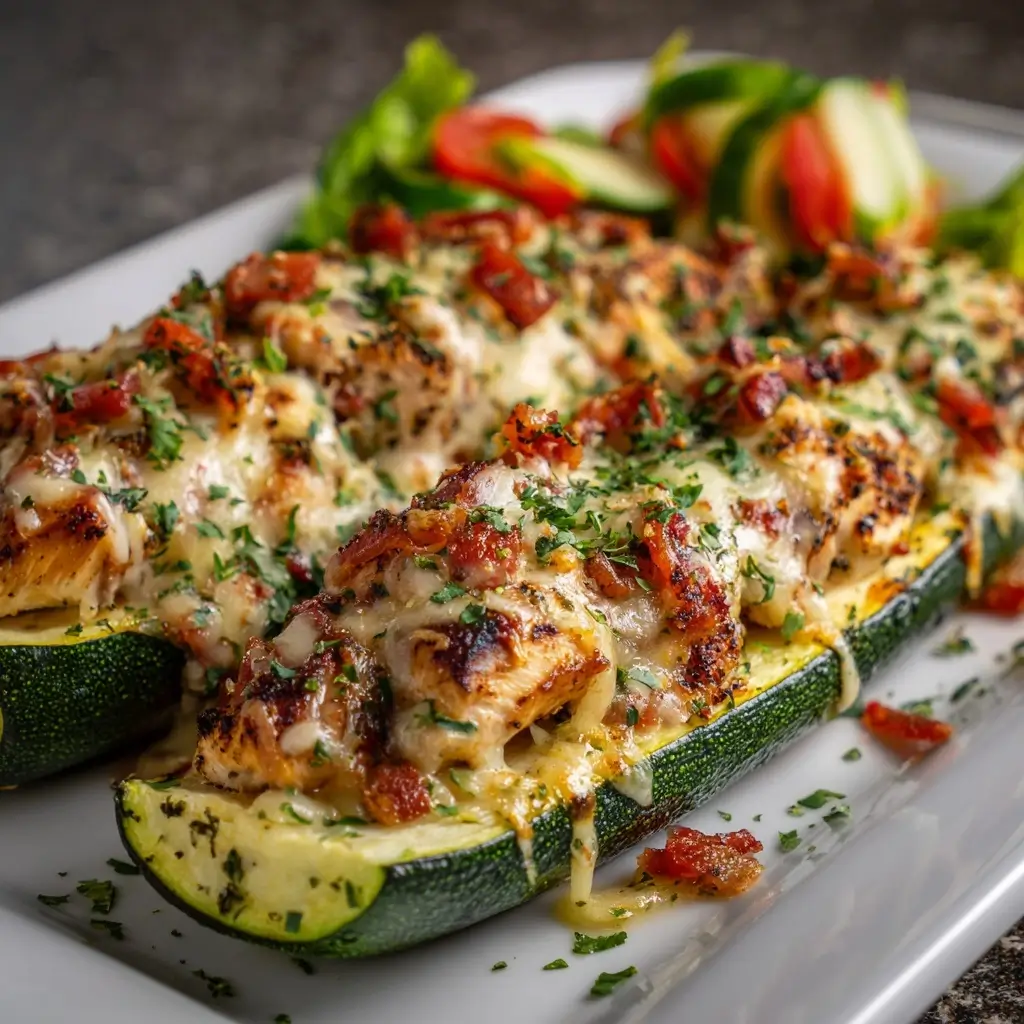
Chicken Zucchini Boats are a vibrant, nutrient-dense, and visually appealing dish that marries the hearty satisfaction of savory chicken filling with the light, refreshing crunch of zucchini—a true culinary fusion of comfort and wellness. Designed for health-conscious home cooks, meal preppers, and busy families alike, this recipe transforms humble zucchini into elegant, edible vessels—naturally gluten-free, low-carb, and keto-friendly—while delivering robust flavor, satisfying texture, and impressive versatility across dietary preferences. Whether served as a weeknight dinner, a protein-packed lunch, or an elegant appetizer at gatherings, Chicken Zucchini Boats exemplify modern healthy cooking: simple in execution but sophisticated in balance, nourishment, and presentation.
The History
While “stuffed vegetable boats” trace their roots to centuries-old Mediterranean, Middle Eastern, and Eastern European cuisines—think Greek gemista, Turkish dolma, or Hungarian töltött paprika—the specific iteration known as Chicken Zucchini Boats is a relatively recent innovation born from the convergence of several 21st-century food movements. The rise of low-carbohydrate, high-protein, and whole-food-based diets—including Atkins, Paleo, Whole30, and ketogenic lifestyles—spurred culinary experimentation with vegetable “containers” as alternatives to grains and refined starches. Zucchini, abundant, affordable, mild in flavor, and structurally sound when hollowed and roasted, quickly emerged as a favorite vessel. Meanwhile, ground or shredded chicken gained popularity as a leaner, more budget-conscious alternative to beef or pork in stuffed preparations. Food bloggers, registered dietitians, and social media chefs began sharing variations widely around 2014–2016, with viral iterations featuring melty cheese, fresh herbs, sun-dried tomatoes, and lemon zest. Over time, the dish evolved beyond a mere “diet food” into a celebrated canvas for global flavors—from Italian herb-and-ricotta fusions to Mexican-inspired chipotle-lime versions and Asian-ginger-sesame renditions—solidifying its place as a modern classic in home kitchens worldwide.
Ingredients Breakdown
Every ingredient in Chicken Zucchini Boats serves both functional and sensory purposes—enhancing structure, moisture retention, flavor depth, nutritional synergy, and textural contrast. Below is a comprehensive, chef-level analysis:
- Zucchini (medium to large, 6–8 inches long): Chosen for ideal cavity-to-flesh ratio; mature yet tender zucchinis hold shape during roasting without collapsing. Their high water content (95%) must be carefully managed via salting and draining to prevent sogginess—yet retained moisture contributes to succulence and natural sweetness when caramelized.
- Olive oil (extra virgin): Not just for roasting—it carries fat-soluble vitamins (A, E, K) from herbs and vegetables, amplifies umami, and aids Maillard browning on zucchini skins. Its polyphenols also act as natural antioxidants during cooking.
- Chicken breast or thigh (ground or finely diced): Breast offers leanness (<1g fat per oz), while thighs provide richer mouthfeel, collagen-derived gelatinous juiciness, and enhanced flavor stability during baking. Pasture-raised or air-chilled poultry yields superior texture and mineral density (higher in selenium, B6, and phosphorus).
- Garlic & yellow onion: Aromatic foundations that build layered savory depth (alliin → allicin transformation when crushed); onions contribute natural fructose for gentle caramelization and binding viscosity when sautéed slowly.
- Fresh herbs (parsley, basil, oregano, thyme): Far more than garnish—volatile oils (e.g., eugenol in basil, carvacrol in oregano) offer antimicrobial properties and synergistic phytonutrient activity. Freshness ensures optimal chlorophyll retention and enzyme integrity (e.g., parsley’s apigenin supports detox pathways).
- Grated Parmesan or Pecorino Romano: Adds umami punch (glutamate-rich), calcium, and controlled saltiness. Authentic Italian varieties contain beneficial lactic acid bacteria and bioactive peptides shown to support cardiovascular health.
- Mozzarella or provolone (low-moisture, part-skim): Provides meltability and stretch due to casein alignment during heating; calcium content supports zucchini’s structural integrity during baking. Avoid pre-shredded cheeses—they contain cellulose anti-caking agents that inhibit proper melting.
- Tomato paste (not sauce): Concentrated lycopene (a heat-stable, fat-soluble antioxidant proven to reduce oxidative stress), natural sugars for browning, and glutamic acid for depth—used sparingly to avoid excess acidity or moisture.
- Lemon zest & juice: Brightens richness, balances fat, enhances iron absorption from chicken (vitamin C), and adds volatile citrus terpenes (e.g., limonene) linked to mood and digestion support.
- Spices (smoked paprika, black pepper, red pepper flakes): Paprika contributes capsanthin (a potent carotenoid), while freshly cracked black pepper boosts curcumin bioavailability if turmeric is added later. Red pepper flakes introduce capsaicin—shown to elevate metabolic rate and satiety signaling.
- Salt (preferably flaky sea salt or pink Himalayan): Critical for seasoning throughout—not just surface-level. Sodium regulates fluid balance in cooked chicken and modulates taste receptor response to umami and sweetness.
Optional functional upgrades: spinach (for folate and magnesium), sun-dried tomatoes (concentrated lycopene and natural glutamate), crumbled feta (tangy probiotic potential), toasted pine nuts (vitamin E and heart-healthy fats), or a drizzle of balsamic glaze (resveratrol and acetic acid for glycemic modulation).
Step-by-Step Recipe
- Select & Prep Zucchini: Choose 4–6 medium zucchinis (6–7 inches, uniform thickness). Wash thoroughly, trim ends, and halve lengthwise. Use a small, sharp spoon or grapefruit knife to scoop out center flesh, leaving ¼-inch thick walls. Reserve scooped pulp—finely dice half for the filling; discard fibrous seeds or save for stock. Place hollowed halves cut-side up on a wire rack set over a baking sheet; sprinkle generously with kosher salt (½ tsp per half) and let drain 20 minutes to draw out excess water. Pat *very* dry with paper towels—this step is non-negotiable for crisp, non-soggy boats.
- Pre-Roast Zucchini Shells: Preheat oven to 425°F (220°C). Brush insides and outsides of zucchini halves with 1 tbsp olive oil; season lightly with salt and pepper. Arrange cut-side up on a parchment-lined baking sheet. Roast 12–15 minutes until edges begin to soften and lightly brown—but still hold shape. Remove and reduce oven to 375°F (190°C). This pre-bake sets the structure and concentrates flavor.
- Build the Filling: Heat 1 tbsp olive oil in a large nonstick skillet over medium heat. Sauté 1 finely diced yellow onion until translucent (~5 min). Add 2 minced garlic cloves; cook 30 seconds until fragrant. Push aromatics to edges; add 1 lb ground chicken (thigh preferred). Break apart with a wooden spoon; cook until no pink remains (~6–7 min), stirring frequently. Drain *any* excess liquid (especially if using breast). Stir in 2 tbsp tomato paste; cook 2 minutes to deepen flavor and remove raw taste. Fold in reserved diced zucchini pulp, ½ cup chopped fresh parsley, 2 tbsp chopped basil, 1 tsp smoked paprika, ½ tsp black pepper, ¼ tsp red pepper flakes, zest of 1 lemon, and juice of ½ lemon. Simmer 3 minutes to meld. Remove from heat; stir in ⅓ cup grated Parmesan and ¾ cup shredded mozzarella. Taste and adjust salt—remember cheese adds sodium.
- Fill & Finish: Spoon filling evenly into pre-roasted zucchini halves, mounding slightly. Top each with remaining ¼ cup mozzarella and a final dusting of Parmesan. Optional: dot with tiny knobs of grass-fed butter for golden crust. Bake at 375°F for 18–22 minutes, until cheese is bubbly and deeply golden at edges, and internal filling temperature reaches 165°F (74°C). For extra crispness, broil 1–2 minutes—watch closely! Let rest 5 minutes before serving to allow carryover cooking and settling.
- Garnish & Serve: Finish with fresh basil ribbons, microgreens, lemon wedges, flaky sea salt, and a drizzle of high-quality olive oil or lemon-infused aioli. Serve immediately while warm and aromatic.
Tips
- Zucchini Selection Matters: Smaller zucchinis (6 inches) have tender skin and fewer seeds; larger ones (8+ inches) yield deeper cavities but require more thorough seed removal. Avoid glossy, overly waxy zucchini—they’re often coated in food-grade wax that impedes roasting and seasoning adhesion.
- Salting Is Science, Not Suggestion: Salt triggers osmosis—pulling water from zucchini cells via ion exchange. Skipping this leads to steam buildup, soggy walls, and separation of filling. Always pat *thoroughly*—damp surfaces repel oil and cause spattering.
- Chicken Texture Control: For ultra-tender filling, pulse cooked chicken in a food processor 2–3 times *after* cooking—don’t over-process. Alternatively, use shredded rotisserie chicken (cool completely first) for shortcut depth—just reduce added salt by ⅓.
- Moisture Management Mastery: If using spinach, squeeze *all* water out in a clean kitchen towel—even frozen spinach must be fully thawed and pressed. Excess liquid = steamed, not baked, boats.
- Cheese Strategy: Combine cheeses with complementary melt points: Parmesan (hard, salty, umami) + mozzarella (stretchy, mild) + optional feta (tangy, crumbly). Pre-grating ensures even distribution and faster melting. Never skip the final cheese layer—it forms the protective, flavorful crust.
- Oven Thermometer Essential: Inconsistent oven temps are the #1 cause of undercooked filling or burnt tops. Use an oven-safe thermometer to verify accuracy—many home ovens run 25–50°F off.
- Resting Is Non-Negotiable: Allowing 5 minutes post-bake lets residual heat finish cooking the center, allows fats to re-emulsify, and prevents filling from sliding out when plated.
- Make-Ahead Magic: Hollow and salt zucchini up to 24 hours ahead; store uncovered in fridge. Cook filling up to 3 days ahead; chill separately. Assemble cold and bake straight from fridge (+3–5 min added time). Freezes beautifully unfilled (blanch zucchini 2 min first) or fully assembled (wrap tightly; bake from frozen +15–20 min).
- Plating Precision: Serve on warm plates (preheat in oven) to maintain temperature. Use a wide, shallow spoon to lift boats cleanly—tilt plate slightly to slide onto spoon without spillage.
Variations and Customizations
Chicken Zucchini Boats are inherently adaptable—designed to reflect regional pantries, seasonal produce, dietary frameworks, and personal cravings. Here’s an expansive guide to creative reinvention:
Global Flavor Profiles
- Mediterranean Lemon-Oregano: Swap basil for 1 tbsp dried oregano + 1 tsp lemon thyme; add ¼ cup crumbled feta, 2 tbsp chopped kalamata olives, and 1 tbsp capers. Finish with lemon zest and mint.
- Mexican Street Corn Style: Replace tomato paste with 2 tbsp chipotle-in-adobo purée; fold in ½ cup roasted corn, 2 tbsp pickled red onion, ¼ cup cotija, and 1 tsp cumin. Garnish with cilantro-lime crema.
- Thai Peanut-Lime: Sauté ginger (1 tbsp grated) and lemongrass (1 stalk, minced) with aromatics; use coconut aminos instead of salt; stir in 3 tbsp creamy peanut butter, 1 tbsp lime juice, and 1 tsp fish sauce. Top with crushed peanuts and Thai basil.
- Italian Sausage & Ricotta: Substitute ½ lb mild Italian sausage for half the chicken; mix in ⅓ cup whole-milk ricotta, 1 tbsp chopped rosemary, and 2 tbsp sundried tomatoes (oil-packed, chopped). Use fontina instead of mozzarella.
- Indian Masala-Inspired: Bloom 1 tsp garam masala, ½ tsp turmeric, and ¼ tsp ground cardamom in oil before adding chicken; stir in 2 tbsp plain yogurt and 1 tbsp mango chutney. Garnish with cilantro and toasted cashews.
Dietary Adaptations
- Keto-Optimized: Increase healthy fats—add 1 tbsp MCT oil to filling, top with avocado slices, and use full-fat cheeses. Skip tomato paste; boost umami with nutritional yeast and mushroom powder.
- Paleo/Whole30 Compliant: Omit all dairy—use mashed cauliflower “ricotta,” almond flour “Parmesan” (almonds + nutritional yeast + salt), and coconut milk reduction for creaminess. Bind with egg white if needed.
- Vegetarian/Vegan Option: Replace chicken with 1.5 cups cooked lentils + ½ cup walnuts (toasted & pulsed), plus 2 tbsp tahini and 1 tsp miso paste for savory depth. Use vegan mozzarella shreds and nutritional yeast.
- Low-Histamine Version: Avoid aged cheeses, tomato paste, spinach, and fermented ingredients. Use fresh mozzarella (not aged), olive oil, lemon juice only (no zest), and fresh herbs like dill or chives.
- High-Protein Powerhouse: Add 2 scoops unflavored collagen peptides to filling (dissolves invisibly); top with hemp hearts and pumpkin seeds. Use 93% lean ground turkey-chicken blend.
Textural & Visual Twists
- Crispy Topping: Mix panko (gluten-free if needed) with melted butter, garlic powder, and parsley; sprinkle over cheese before final bake.
- Stuffed-Then-Stuffed: Fill zucchini with chicken mixture, then nestle a halved cherry tomato or olive into the center of each before baking.
- Deconstructed “Boat” Salad: Serve filling chilled over mixed greens with zucchini ribbons, lemon vinaigrette, and shaved Parmesan.
- Mini Appetizer Size: Use baby zucchini (4 inches); halve crosswise, scoop, and fill. Bake 12–14 minutes at 400°F—perfect for parties.
Health Considerations and Nutritional Value
A single serving (1 large zucchini boat, approx. ¾ cup filling + zucchini) delivers exceptional macro- and micronutrient density with thoughtful caloric efficiency (~320–380 kcal, depending on cheese and oil used). Below is a clinically informed nutritional breakdown and physiological impact assessment:
Macronutrient Profile (Per Serving, Avg.)
- Protein: 32–38g — High biological value complete protein from chicken supports muscle protein synthesis (MPS), satiety hormone regulation (GLP-1, PYY), and immune function (immunoglobulin production). Thigh meat adds conjugated linoleic acid (CLA), studied for anti-inflammatory and metabolic benefits.
- Healthy Fats: 14–18g — Primarily monounsaturated (oleic acid from olive oil) and saturated (from cheese), supporting cell membrane integrity, hormone production, and fat-soluble vitamin absorption. Omega-6:Omega-3 ratio stays balanced (~4:1) when using pasture-raised poultry and extra-virgin olive oil.
- Net Carbs: 8–11g — Zucchini contributes ~4g net carbs (3g fiber); filling adds minimal carbs from herbs, tomato paste, and lemon. Ideal for low-carb, diabetic, and insulin-resistant individuals—glycemic load is negligible (<2).
- Fiber: 3.5–4.5g — From zucchini skin (pectin), herbs, and optional spinach—supports gut microbiome diversity (Bifidobacteria growth), regularity, and postprandial glucose stabilization.
Vitamin & Mineral Highlights
- Vitamin C (45mg, 50% DV) — From zucchini, lemon, and parsley: critical for collagen synthesis, iron absorption, and neutrophil function. Heat-stable in short roasting.
- Vitamin A (1200 IU, 24% DV) — From zucchini (beta-carotene) and cheese (retinol): supports vision, mucosal immunity, and epithelial barrier integrity.
- Vitamin K1 (28mcg, 35% DV) — From zucchini and herbs: essential for blood clotting and bone matrix Gla-protein activation.
- Calcium (220mg, 22% DV) — From cheese and zucchini: bioavailable calcium + vitamin D (from cheese) + K2 (fermented cheeses) creates optimal bone-mineralizing synergy.
- Selenium (24mcg, 44% DV) — From chicken: master antioxidant regulating thyroid metabolism (T4→T3 conversion) and DNA repair enzymes.
- Zinc (3.2mg, 29% DV) — From chicken and cheese: vital for wound healing, taste perception, and thymus gland function.
Clinical & Functional Benefits
- Blood Sugar Stability: Low glycemic index (GI ≈ 15), high protein/fat/fiber matrix slows gastric emptying—ideal for prediabetes, PCOS, and metabolic syndrome management.
- Gut Health Support: Polyphenols (olive oil, herbs), prebiotic fiber (zucchini), and fermented cheese strains promote beneficial microbiota and reduce intestinal permeability.
- Anti-Inflammatory Action: Lycopene (tomato paste), lutein (zucchini), apigenin (parsley), and oleocanthal (olive oil) collectively inhibit NF-kB and COX-2 pathways—comparable to low-dose NSAIDs without GI risk.
- Hydration & Electrolyte Balance: Zucchini’s high water content (95%) plus potassium (320mg/serving) and magnesium (30mg) support cellular hydration and nerve conduction—crucial for athletes and hot-climate dwellers.
- Detoxification Support: Sulforaphane precursors (zucchini) + glutathione cofactors (selenium, vitamin C) enhance Phase II liver detox enzyme activity (GST, UGT).
Considerations & Modifications
- Sodium-Sensitive Individuals: Reduce added salt by 50%; rely on herbs, lemon, garlic, and no-salt-added tomato paste. Rinse canned ingredients if used.
- Lactose Intolerance: Use hard, aged cheeses (Parmesan, Pecorino) naturally low in lactose, or lactose-free mozzarella. Fermented options (aged cheddar) are well-tolerated by most.
- Histamine Concerns: Avoid aged cheeses, spinach, tomato paste, vinegar, and fermented seasonings. Opt for fresh mozzarella, lemon juice only, and dill/chives.
- Renal Considerations: Monitor potassium—zucchini is moderate (320mg), but safe for most CKD Stage 3+ with portion control. Substitute cauliflower rice for lower-potassium filling base if needed.
- Pregnancy/Nursing: Excellent source of choline (from chicken), folate (zucchini), and DHA-supportive fats—add 1 tsp flaxseed oil to filling for plant-based omega-3s.
Ingredients
- 4–6 medium zucchinis (6–7 inches long, about 1.5 lbs total)
- 2 tbsp extra-virgin olive oil, divided (plus more for drizzling)
- 1 tbsp kosher salt, divided (plus flaky sea salt for finishing)
- 1 lb ground chicken (thigh recommended for juiciness)
- 1 medium yellow onion, finely diced
- 2 garlic cloves, minced
- 2 tbsp tomato paste
- ½ cup finely diced zucchini pulp (from scooping)
- ½ cup fresh flat-leaf parsley, finely chopped (plus extra for garnish)
- 2 tbsp fresh basil leaves, finely chopped
- 1 tsp smoked paprika
- ½ tsp freshly ground black pepper
- ¼ tsp red pepper flakes (optional)
- Zest and juice of 1 large lemon (about 1 tbsp juice)
- ⅓ cup grated Parmesan or Pecorino Romano cheese
- 1 cup shredded low-moisture mozzarella cheese, divided
- Fresh lemon wedges, microgreens, and high-quality olive oil for serving
Directions
- Preheat oven to 425°F (220°C). Line a large baking sheet with parchment paper and set a wire rack on top.
- Wash zucchinis and pat dry. Trim both ends. Cut lengthwise in half. Use a small spoon or grapefruit knife to carefully scoop out the center pulp, leaving a ¼-inch-thick shell. Reserve ½ cup of the scooped pulp; dice finely. Discard seeds and excess watery flesh (or save for broth). Place hollowed zucchini halves cut-side up on the wire rack. Sprinkle insides generously with 1 tbsp kosher salt. Let drain 20 minutes.
- After draining, blot zucchini halves *thoroughly* with paper towels—every surface must be completely dry.
- Brush insides and outsides of zucchini shells with 1 tbsp olive oil. Season lightly with remaining ½ tsp kosher salt and black pepper. Arrange cut-side up on the parchment-lined baking sheet. Roast 12–15 minutes, until edges begin to soften and lightly brown. Remove from oven and reduce temperature to 375°F (190°C).
- In a large skillet over medium heat, warm remaining 1 tbsp olive oil. Add diced onion and sauté 5 minutes until soft and translucent. Add garlic; cook 30 seconds until fragrant.
- Add ground chicken. Break apart with a wooden spoon and cook 6–7 minutes until no pink remains and moisture has mostly evaporated. If excess liquid pools, carefully drain using a fine-mesh strainer.
- Stir in tomato paste and cook 2 minutes, stirring constantly, until it darkens slightly and coats the chicken.
- Fold in reserved diced zucchini pulp, parsley, basil, smoked paprika, black pepper, red pepper flakes (if using), lemon zest, and lemon juice. Cook 3 minutes, stirring gently. Remove from heat.
- Stir in grated Parmesan and ¾ cup mozzarella. Taste and adjust seasoning—add salt only if needed.
- Spoon filling evenly into pre-roasted zucchini halves, mounding gently. Top each with remaining ¼ cup mozzarella and a light dusting of Parmesan.
- Bake at 375°F for 18–22 minutes, until cheese is golden and bubbling, and internal temperature of filling reaches 165°F (74°C) when checked with an instant-read thermometer.
- For extra browning, switch to broil for 1–2 minutes—watch closely to prevent burning.
- Let rest 5 minutes. Garnish with fresh parsley, lemon wedges, microgreens, flaky sea salt, and a generous drizzle of olive oil. Serve warm.
FAQ
- Can I make these ahead of time?
- Absolutely. Hollow and salt zucchini up to 24 hours ahead; store uncovered in the refrigerator. Cook filling up to 3 days ahead; cool completely and refrigerate in an airtight container. Assemble cold and bake—add 3–5 minutes to bake time. Fully assembled boats freeze well for up to 3 months (wrap tightly in parchment + foil). Bake from frozen: 375°F for 40–45 minutes, covered with foil for first 30 minutes, then uncovered to brown.
- Why do my zucchini boats get soggy?
- Sogginess almost always stems from inadequate moisture control. Key fixes: (1) Salting and draining for full 20 minutes, (2) Blotting *extremely* dry before oiling, (3) Pre-roasting shells to set structure and evaporate surface water, (4) Avoiding watery fillings—squeeze spinach, drain cooked chicken well, skip juicy tomatoes unless roasted first.
- Can I use ground turkey instead of chicken?
- Yes—but choose 93% lean or higher. Ground turkey breast can dry out easily; add 1 tsp olive oil or 1 tbsp grated zucchini to filling for moisture.