Introduction
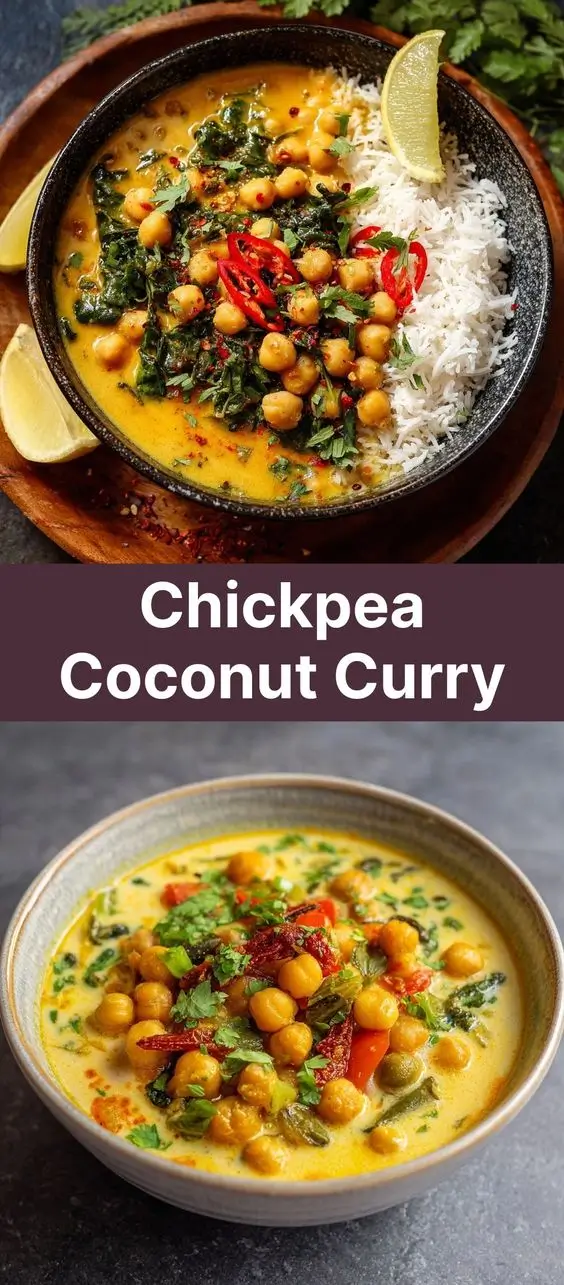
Chickpea Coconut Curry is a rich, creamy, and deeply satisfying plant-based dish that has captured the hearts and palates of food lovers around the world. With its aromatic blend of spices, tender chickpeas, and luscious coconut milk base, this curry delivers both comfort and nutrition in every spoonful. Whether you’re following a vegan lifestyle, exploring meatless meals, or simply craving something warm and flavorful, Chickpea Coconut Curry stands as a versatile and wholesome option that fits seamlessly into any diet. Originating from South Asian culinary traditions but now embraced globally, it exemplifies how simple ingredients can come together to create something extraordinary. This article dives deep into every aspect of the dish—from its historical roots to modern-day variations—so you can master it in your kitchen with confidence and creativity.
The History
The origins of Chickpea Coconut Curry can be traced back to the coastal regions of India, particularly Kerala, Goa, and Karnataka, where coconut is a staple ingredient due to its abundance in tropical climates. While chickpeas (known as chana in Hindi and other Indian languages) have been cultivated in the Indian subcontinent for thousands of years, their combination with coconut milk reflects the influence of regional cooking styles along the Malabar Coast. Unlike the northern parts of India, which often use dairy-based gravies like yogurt or cream, southern Indian curries frequently rely on coconut in various forms—grated, milk, or oil—to add richness and body. Over time, trade routes brought spices such as turmeric, cumin, coriander, and chili to these regions, enriching the flavor profiles of local dishes. The fusion of legumes and coconut-based sauces also spread to Sri Lanka, Southeast Asia, and East Africa through centuries of cultural exchange. Today’s global version of Chickpea Coconut Curry blends traditional techniques with modern adaptations, making it a beloved part of vegetarian and vegan cuisine worldwide. Its evolution mirrors broader trends in food: sustainability, health consciousness, and cross-cultural appreciation.
Ingredients Breakdown
Understanding each ingredient in Chickpea Coconut Curry allows you to appreciate not only the taste but also the nutritional synergy they provide. Let’s break them down:
- Chickpeas (Garbanzo Beans): High in protein and fiber, chickpeas form the hearty backbone of the curry. Canned chickpeas offer convenience, while dried ones soaked and cooked from scratch deliver superior texture and control over sodium levels.
- Coconut Milk: Full-fat canned coconut milk provides a luxurious creaminess and subtle sweetness that balances the spices. Light coconut milk can be used for a thinner consistency, though it may reduce richness.
- Onion: Yellow or white onions are typically sautéed first to build a savory base. They caramelize slightly during cooking, adding depth and natural sweetness.
- Garlic & Ginger: These aromatics contribute warmth, pungency, and complexity. Freshly minced or grated works best; pre-minced versions lack vibrancy.
- Tomatoes: Diced tomatoes (canned or fresh) add acidity and moisture. Some recipes use tomato paste for a more concentrated tangy flavor.
- Curry Spices: A blend usually includes ground cumin, coriander, turmeric, garam masala, and smoked paprika or Kashmiri chili powder for color and mild heat. Whole spices like mustard seeds, cumin seeds, or cardamom pods may be tempered at the beginning for enhanced fragrance.
- Fresh Herbs: Cilantro (coriander leaves) is commonly added at the end for brightness. Thai basil or mint can be used for a twist.
- Lime or Lemon Juice: A splash at the end brightens the entire dish, cutting through the richness of coconut milk.
- Oil: Coconut oil enhances the tropical notes, while neutral oils like avocado or sunflower allow the spices to shine. Ghee can be used for a non-vegan, richer profile.
- Vegetable Broth or Water: Used to adjust consistency—especially if the curry thickens too much during simmering.
- Salt & Pepper: Essential for seasoning balance. Sea salt or kosher salt preferred over table salt for better flavor distribution.
Optional additions include spinach, bell peppers, sweet potatoes, or eggplant for extra vegetables, and cashews or tahini for added creaminess.
Step-by-Step Recipe
- Prepare Ingredients: Drain and rinse two cans (15 oz each) of chickpeas. Dice one medium onion, mince 3–4 garlic cloves, grate 1-inch piece of ginger, and chop 1 cup of tomatoes (or use canned diced).
- Heat Oil: In a large pot or deep skillet, heat 2 tablespoons of coconut oil over medium heat.
- Sauté Aromatics: Add the chopped onion and cook until translucent (about 5 minutes). Stir in garlic and ginger, cooking for another minute until fragrant.
- Bloom Spices: Add 1 tsp cumin, 1 tsp coriander, ½ tsp turmeric, ½ tsp smoked paprika, and ¼ tsp black pepper. Stir constantly for 30 seconds to release essential oils—be careful not to burn.
- Add Tomatoes: Stir in the chopped or canned tomatoes. Cook for 3–4 minutes until they begin to break down and form a thick paste.
- Incorporate Chickpeas: Add the rinsed chickpeas and stir to coat them evenly with the spiced tomato mixture.
- Pour in Coconut Milk: Add 1 can (13.5 oz) of full-fat coconut milk and ½ cup vegetable broth or water. Stir well to combine.
- Simmer: Bring the mixture to a gentle boil, then reduce heat to low. Cover and simmer for 20–25 minutes, stirring occasionally. This allows flavors to meld and chickpeas to absorb the sauce.
- Season & Finish: Taste and season with salt (start with ¾ tsp). Stir in juice of half a lime and a handful of chopped cilantro just before serving.
- Adjust Consistency: If too thick, add more broth. If too thin, simmer uncovered for a few extra minutes.
- Serve: Ladle hot over basmati rice, quinoa, or with naan bread. Garnish with extra cilantro, red chili flakes, or toasted coconut flakes.
Tips
- Use Full-Fat Coconut Milk: It separates less and creates a silkier texture than light versions.
- Don’t Skip Blooming Spices: Cooking ground spices in oil unlocks their full aroma and prevents a raw, dusty taste.
- Soak Cashews for Creaminess: Blend ¼ cup soaked raw cashews with coconut milk beforehand for an ultra-rich, velvety gravy.
- Add Greens: Stir in a couple of handfuls of baby spinach or chopped kale during the last 5 minutes of cooking for added nutrients.
- Toast Whole Spices First: For deeper flavor, temper ½ tsp cumin seeds and 1 crushed cardamom pod in oil before adding onions.
- Let It Rest: Like most curries, Chickpea Coconut Curry tastes even better the next day after the flavors have fully developed.
- Control Heat Level: Adjust spice by increasing or reducing chili powder, or serve with cooling raita (yogurt sauce) on the side.
- Prevent Curdling: Avoid boiling vigorously once coconut milk is added. Simmer gently to maintain smoothness.
- Boost Umami: Add a teaspoon of soy sauce or tamari (gluten-free) or a pinch of asafoetida (hing) for a savory depth without animal products.
- Batch Cook: This curry freezes beautifully for up to 3 months. Store in airtight containers and thaw overnight in the fridge.
Variations and Customizations
One of the greatest strengths of Chickpea Coconut Curry is its adaptability. Here are numerous ways to personalize it:
- Thai-Inspired Version: Replace garam masala with red or green curry paste (2 tbsp), add bamboo shoots, and finish with Thai basil and a squeeze of kaffir lime juice.
- South Indian Style: Use freshly ground coconut chutney, temper with mustard seeds and curry leaves, and serve with steamed rice or dosa.
- Roasted Vegetable Curry: Add roasted cauliflower, sweet potato, or butternut squash for heartier texture and natural sweetness.
- Protein-Packed: Mix in pan-seared tofu cubes, lentils, or white beans alongside chickpeas.
- Spicy Kick: Include diced green chilies, serrano peppers, or a dash of cayenne pepper for those who love heat.
- Creamy Nut Butter Twist: Swirl in 1–2 tablespoons of almond or peanut butter for a nutty variation inspired by West African stews.
- Low-Fat Option: Substitute coconut milk with blended silken tofu or unsweetened oat milk for a lighter version (though flavor will differ).
- Gluten-Free & Allergen-Friendly: Ensure all packaged ingredients (like broths or curry pastes) are certified gluten-free and free from cross-contamination.
- Dessert Fusion Idea: Yes, really! Use a small portion of sweetened coconut milk with cinnamon and banana for a dessert-inspired “curry” parfait layered with granola.
- Instant Pot Method: Sauté aromatics using the sauté function, then add all ingredients except lime and cilantro. Pressure cook on high for 8 minutes, natural release for 10 minutes, then finish as usual.
- Slow Cooker Version: Combine all ingredients (except garnishes) and cook on low for 6–8 hours or high for 3–4 hours.
- Kid-Friendly Makeover: Reduce spices, increase coconut milk, and stir in peas or corn. Serve with fun-shaped rice or naan cut into strips.
Health Considerations and Nutritional Value
Chickpea Coconut Curry isn’t just delicious—it’s packed with health benefits when prepared thoughtfully:
- High in Plant-Based Protein: One cup of chickpeas contains about 15 grams of protein, making this dish excellent for vegetarians and vegans.
- Fiber-Rich: Chickpeas offer nearly 13 grams of fiber per cup, supporting digestive health, blood sugar regulation, and satiety.
- Healthy Fats: Coconut milk contains medium-chain triglycerides (MCTs), which some studies suggest may support metabolism and brain function—though it’s high in saturated fat, so moderation is key.
- Anti-Inflammatory Properties: Turmeric contains curcumin, a powerful anti-inflammatory compound. Pairing it with black pepper increases absorption significantly.
- Low Glycemic Index: Due to fiber and healthy fats, this curry causes a gradual rise in blood sugar, ideal for diabetics.
- Rich in Vitamins & Minerals: Provides iron, folate, magnesium, phosphorus, and B-vitamins essential for energy production and cellular function.
- Potential Downsides: Store-bought canned goods may contain excess sodium or preservatives. Opt for low-sodium versions or make from scratch when possible. Also, individuals with irritable bowel syndrome (IBS) may experience bloating from chickpeas due to oligosaccharides—rinsing thoroughly or using sprouted chickpeas can help.
- Weight Management: High volume, nutrient-dense, and filling—perfect for those looking to manage weight without sacrificing satisfaction.
- Heart Health: While coconut milk raises HDL (“good”) cholesterol, its impact on LDL remains debated. Balance with plenty of vegetables and whole grains.
- Allergies: Contains coconut (a tree nut allergen), so caution is needed for those with allergies. Substitute with oat or soy milk blended with shredded coconut (if tolerated) or skip entirely for a tomato-based version.
A typical serving (1 cup curry over ½ cup rice) contains approximately: 380 calories, 16g protein, 45g carbohydrates, 18g fat (12g saturated), 12g fiber, and 600mg sodium (varies based on ingredients).
Ingredients
- 2 tablespoons coconut oil (or avocado oil)
- 1 medium yellow onion, finely diced
- 4 garlic cloves, minced
- 1-inch piece fresh ginger, grated
- 1 can (15 oz) diced tomatoes (fire-roasted preferred)
- 2 cans (15 oz each) chickpeas, drained and rinsed
- 1 can (13.5 oz) full-fat coconut milk
- ½ cup vegetable broth (low-sodium preferred)
- 1 teaspoon ground cumin
- 1 teaspoon ground coriander
- ½ teaspoon ground turmeric
- ½ teaspoon smoked paprika (or Kashmiri chili powder)
- ¼ teaspoon black pepper
- ¾–1 teaspoon sea salt (to taste)
- Juice of ½ lime
- ½ cup fresh cilantro, chopped
- Optional: ¼ cup cashew cream, 1 cup spinach, 1 tsp garam masala
Directions
- Heat coconut oil in a large saucepan or Dutch oven over medium heat.
- Add diced onion and cook until soft and golden, about 5–7 minutes.
- Stir in minced garlic and grated ginger; cook for 1 minute until fragrant.
- Add ground cumin, coriander, turmeric, smoked paprika, and black pepper. Stir continuously for 30 seconds to toast the spices.
- Pour in diced tomatoes (with juices) and cook for 3–4 minutes, allowing the mixture to thicken slightly.
- Add drained chickpeas and stir to coat with the spiced tomato base.
- Pour in coconut milk and vegetable broth. Stir well to combine.
- Bring to a gentle simmer, then reduce heat to low. Partially cover and cook for 20–25 minutes, stirring occasionally.
- Taste and season with salt. For extra warmth, stir in ½ teaspoon garam masala at this stage.
- If using spinach, add it now and cook until wilted (about 2 minutes).
- Remove from heat. Stir in lime juice and chopped cilantro.
- For a creamier texture, blend ½ cup of the curry with cashew cream and return to the pot.
- Serve hot with basmati rice, quinoa, or warm naan bread.
- Garnish with extra cilantro, sliced green onions, or toasted coconut flakes.
FAQ
Can I make Chickpea Coconut Curry without coconut?
Yes, though it changes the character significantly. Substitute coconut milk with unsweetened almond milk mixed with 1 tbsp tahini or cashew butter for creaminess. You’ll lose the tropical sweetness, so consider adding a pinch of sugar or maple syrup.
Is this curry spicy?
Not inherently. The level of heat depends on your choice of chili powder or added peppers. As written, it’s mildly spiced and family-friendly. Adjust to taste.
How long does it keep in the fridge?
Properly stored in an airtight container, it lasts 5–6 days. Flavors deepen over time, making leftovers even tastier.
Can I freeze it?
Absolutely. Freeze in portion-sized containers for up to 3 months. Thaw overnight in the refrigerator and reheat gently on the stove with a splash of water or broth.
Why did my coconut milk separate?
Coconut milk can separate when overheated or stirred too aggressively. To prevent this, avoid boiling rapidly and stir gently. If separation occurs, whisk in a tablespoon of cornstarch slurry or blend briefly with an immersion blender.
Can I use dried chickpeas instead of canned?
Yes! Soak 1 cup dried chickpeas overnight, then boil until tender (about 60–90 minutes). Using dried chickpeas gives superior texture and reduces sodium intake.
What can I serve with Chickpea Coconut Curry?
Excellent pairings include jasmine or basmati rice, quinoa, millet, roti, naan, or even couscous. A side of cucumber raita, mango chutney, or pickled onions adds contrast.
Is this recipe gluten-free?
Yes, provided all ingredients (especially vegetable broth and spices) are certified gluten-free. Always check labels if cross-contamination is a concern.
Can I make it oil-free?
Yes. Use water or vegetable broth for sautéing (“water-sauté”) instead of oil. Flavor will be lighter but still satisfying, especially with robust spices.
Are there any instant substitutions?
In a rush? Use jarred curry sauce (like Patak’s) as a shortcut—combine with chickpeas and coconut milk, simmer 10 minutes, then finish with lime and herbs.
Summary
Chickpea Coconut Curry is a nourishing, aromatic, and adaptable dish rooted in South Asian tradition yet embraced globally for its creamy texture and bold flavors. Packed with plant-based protein, fiber, and anti-inflammatory spices, it’s as nutritious as it is delicious.