Introduction
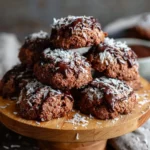
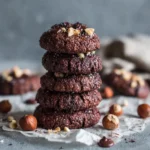
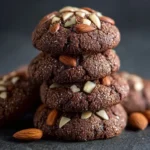
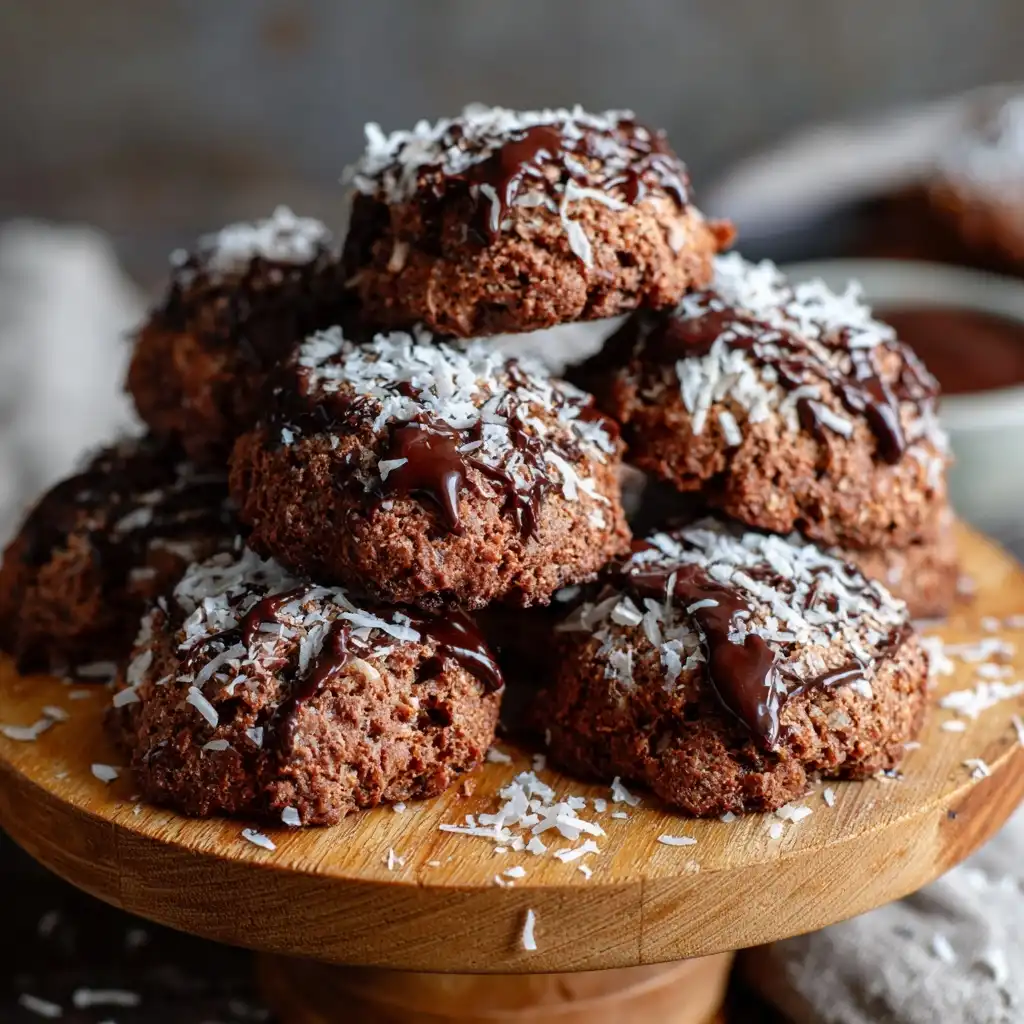
Indulge in the irresistible harmony of rich cocoa and tropical sweetness with Chocolate Coconut Cookies — a beloved classic that marries deep, velvety chocolate with the fragrant, chewy texture of shredded coconut. These cookies are more than just a treat; they’re a sensory experience — crisp at the edges, tender and chewy in the center, studded with melty chocolate morsels and flecked with golden-toasted coconut. Whether served warm from the oven with a glass of cold milk, packed into lunchboxes, gifted in festive tins, or featured at bake sales and holiday cookie exchanges, Chocolate Coconut Cookies evoke nostalgia while remaining refreshingly versatile. Their simplicity belies their sophistication: minimal ingredients, intuitive technique, and maximum flavor — making them equally accessible to novice bakers and cherished by seasoned pastry enthusiasts.
The History
The origins of Chocolate Coconut Cookies trace back to mid-20th-century American home baking, when shredded coconut became widely available in grocery stores following innovations in tropical fruit processing and wartime food distribution networks. While coconut had long been used in confections across Southeast Asia, the Caribbean, and India (think *macaroons*, *barfi*, or *nata de coco* desserts), its integration into mainstream U.S. cookie culture surged alongside the popularity of Nestlé’s semi-sweet chocolate chips — introduced in 1939 and famously popularized through the Toll House Chocolate Chip Cookie recipe. By the 1950s and ’60s, community cookbooks, women’s magazines like Good Housekeeping and Woman’s Day, and corporate recipe leaflets began featuring variations combining chocolate and coconut — sometimes inspired by “Mounds Bar”-style flavor profiles (a nod to the iconic coconut-chocolate candy launched by Peter Paul in 1936). Regional adaptations soon followed: Hawaiian bakers incorporated local macadamia nuts; Southern cooks added buttermilk for tenderness; and health-conscious home chefs experimented with whole wheat flour and natural sweeteners as early as the 1970s. Today, Chocolate Coconut Cookies exist in countless iterations — vegan, gluten-free, keto-friendly, and artisanal — reflecting evolving dietary preferences while honoring their humble, comfort-food roots.
Ingredients Breakdown
Every exceptional Chocolate Coconut Cookie begins with thoughtfully selected, high-quality components — each playing a precise functional and flavor role:
- Unsalted Butter (1 cup, softened): Provides richness, moisture, and flakiness. Softened (not melted) butter ensures proper creaming with sugar, trapping air for lift and tenderness. Unsalted butter gives full control over sodium levels.
- Granulated Sugar (¾ cup) & Brown Sugar (¾ cup, packed): Granulated sugar promotes spreading and crispness; brown sugar (especially dark) contributes molasses notes, acidity for leavening activation, and hygroscopic moisture retention for chewiness.
- Large Eggs (2, room temperature): Act as emulsifiers and structural binders. Room temperature eggs incorporate more evenly into the batter and help stabilize air bubbles during creaming.
- Pure Vanilla Extract (2 tsp): Enhances aromatic complexity and rounds out chocolate’s bitterness. Avoid imitation vanilla for best depth.
- All-Purpose Flour (2¼ cups, spooned & leveled): The primary structure-builder. Spooning (not scooping) prevents compaction and over-measuring — a common cause of dry, tough cookies.
- Natural Unsweetened Cocoa Powder (½ cup, Dutch-process preferred): Imparts intense chocolate flavor and color. Dutch-process cocoa is alkalized for smoother, less acidic notes and superior solubility — ideal for balanced sweetness. If using natural cocoa, add ¼ tsp baking soda to neutralize acidity.
- Baking Soda (1 tsp) & Salt (1 tsp): Baking soda reacts with acidic components (brown sugar, cocoa if natural) to provide lift and spread control. Salt heightens all flavors and balances sweetness — do not omit.
- Old-Fashioned Rolled Oats (1 cup, optional but highly recommended): Adds subtle heartiness, chew, and textural contrast without compromising softness. Not instant oats — these hold shape and absorb moisture gradually.
- Semi-Sweet Chocolate Chips or Chunks (1½ cups): Use high-cocoa-content (55–65%) chips or finely chopped baking chocolate for optimal melt and flavor. Mini chips distribute more evenly; large chunks create decadent pools.
- Unsweetened Shredded Coconut (1½ cups, medium or fine shred): Key to authenticity. Unsweetened retains control over overall sweetness and toasts beautifully. Toast it yourself (see Tips) for unparalleled nuttiness and aroma.
- Optional Flavor Enhancers: 1 tbsp instant espresso powder (deepens chocolate), ¼ tsp ground cinnamon (warm spice accent), or ½ cup toasted macadamia nuts (luxurious crunch).
Step-by-Step Recipe
- Prep & Preheat: Position oven racks in upper and lower thirds. Preheat oven to 350°F (175°C). Line two large baking sheets with parchment paper or silicone baking mats — do not grease, as excess fat encourages spreading.
- Toast the Coconut (Highly Recommended): Spread shredded coconut evenly on a small rimmed baking sheet. Bake for 4–6 minutes, stirring every 90 seconds, until golden and fragrant. Cool completely before adding to dough — this step intensifies flavor and prevents sogginess.
- Cream Butter & Sugars: In a large bowl using a stand mixer fitted with paddle attachment (or hand mixer), beat softened butter, granulated sugar, and brown sugar on medium-high speed for 3–4 minutes until light, fluffy, and pale — scraping bowl halfway. This incorporates vital air for texture.
- Add Wet Ingredients: Beat in eggs one at a time, fully incorporating each before adding the next. Add vanilla and mix until combined — about 15 seconds. Batter may look slightly curdled; this is normal.
- Whisk Dry Ingredients: In a separate medium bowl, whisk together flour, cocoa powder, baking soda, and salt until no streaks remain. If using oats, whisk them in now.
- Combine Dry & Wet: Reduce mixer speed to low. Gradually add dry mixture to wet mixture in three additions, mixing only until *just* incorporated after each — about 10–15 seconds per addition. Overmixing develops gluten and yields tough cookies.
- Fold in Mix-Ins: Using a sturdy spatula, gently fold in chocolate chips/chunks and cooled toasted coconut until evenly distributed. For best results, chill dough at this stage (see Tips).
- Portion Dough: Use a 1.5-tablespoon cookie scoop or rounded tablespoon to portion dough into balls. Roll gently between palms to smooth — do not compress. Place 3 inches apart on prepared sheets (about 12 per sheet).
- Bake Strategically: Bake one sheet at a time in center of oven for 11–13 minutes. Rotate sheet halfway through. Cookies are done when edges are set and lightly golden, centers appear *slightly* soft and puffed, and surface looks dry (not wet or glossy). They will continue to set as they cool.
- Cool Completely: Let cookies rest on baking sheet for 5 minutes — this allows structure to firm. Then transfer carefully to wire racks to cool fully (15–20 minutes). This prevents breakage and ensures ideal chewy-crisp texture.
Tips
- Chill the Dough (Non-Negotiable for Best Results): Refrigerate shaped dough balls for at least 30 minutes — ideally 1–2 hours or up to 72 hours. Chilling solidifies butter, preventing excessive spread, enhancing flavor development, and yielding thicker, more uniform cookies with defined edges.
- Measure Flour Accurately: Use the “spoon-and-level” method: fluff flour in bag, spoon into measuring cup, then level with straight edge. Never scoop directly — this can add up to 25% extra flour, drying out cookies.
- Toast Coconut in Batches: Small quantities toast faster and more evenly. Watch closely — coconut burns easily. Remove from oven as soon as you smell a rich, nutty aroma.
- Use an Oven Thermometer: Many ovens run hot or cold. An accurate reading ensures consistent baking — critical for delicate chocolate-coconut balance.
- Rotate & Swap Sheets: When baking multiple batches, rotate top/bottom sheets and swap positions (top rack → bottom, bottom → top) to ensure even heat exposure.
- Underbake Slightly: Remove cookies when centers still look soft — they firm up dramatically during cooling. Overbaked cookies become brittle and lose chew.
- Room-Temperature Ingredients Are Essential: Cold eggs or butter won’t emulsify properly, leading to dense, greasy, or crumbly results. Take ingredients out 1 hour before starting.
- Freeze Dough Balls for Future Baking: Portion, freeze uncovered until solid (1–2 hrs), then transfer to airtight freezer bag. Bake straight from frozen — add 1–2 minutes to bake time.
- Revive Stale Cookies: Place in a sealed container with a slice of apple or piece of bread overnight — moisture migrates and restores softness.
- Scale Up Confidently: This recipe doubles beautifully. Use a digital kitchen scale for precision when increasing batch size.
Variations and Customizations
Chocolate Coconut Cookies serve as a brilliant canvas for creative expression — dietary needs, seasonal ingredients, global inspirations, and personal taste all find a joyful home here:
- Vegan Version: Replace butter with refined coconut oil (1 cup, solid at room temp); use flax eggs (2 tbsp ground flax + 6 tbsp water, rested 10 min); choose dairy-free chocolate chips and unsweetened coconut. Add 1 tsp apple cider vinegar to react with baking soda for lift.
- Gluten-Free Adaptation: Substitute 1:1 gluten-free all-purpose flour blend (with xanthan gum included). Add ¼ tsp xanthan gum if blend doesn’t contain it. Ensure oats are certified GF if including.
- Whole Grain & High-Fiber: Replace ½ cup all-purpose flour with white whole wheat flour or oat flour. Add 2 tbsp ground flaxseed or chia seeds for omega-3s and binding.
- Keto/Low-Carb Friendly: Use almond flour (2¼ cups), erythritol or monk fruit sweetener (1 cup total), sugar-free chocolate chips, and unsweetened coconut. Add ¼ tsp stevia glycerite for enhanced sweetness perception.
- Tropical Twist: Fold in ½ cup diced dried mango or pineapple, plus ¼ cup toasted macadamia nuts. A pinch of ground cardamom complements the fruit beautifully.
- Espresso-Chocolate Intensity: Stir in 1 tbsp instant espresso powder with dry ingredients. Top baked cookies with flaky sea salt and a drizzle of dark chocolate ganache.
- Spiced Chai Infusion: Add 1 tsp ground ginger, ½ tsp cinnamon, ¼ tsp cardamom, and a pinch of black pepper to dry ingredients. Pair with white chocolate chips for contrast.
- Protein-Packed: Add ¼ cup unflavored or chocolate whey/collagen protein powder (reduce flour by 2 tbsp). Boost with hemp hearts or pumpkin seeds.
- Mini Bite-Sized: Use a 1-teaspoon scoop for elegant mini cookies — bake for 8–10 minutes. Perfect for parties or portion control.
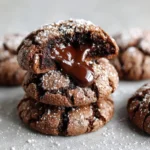
- Stuffed Surprise: Flatten a dough ball, place a small square of caramel or peanut butter cup in center, and seal tightly before rolling. Creates a molten core.
Health Considerations and Nutritional Value
While undeniably indulgent, Chocolate Coconut Cookies can be mindfully crafted to support balanced nutrition — especially when made at home where ingredient transparency and customization are complete. Per standard cookie (based on 36 cookies per batch, ~32g each), approximate nutritional values are:
- Calories: ~165 kcal
- Total Fat: 9g (5.5g saturated — primarily from coconut and cocoa butter)
- Carbohydrates: 19g (12g sugars, 1g fiber)
- Protein: 2g
- Sodium: 120mg
Nutritional Highlights & Benefits:
- Coconut: Contains medium-chain triglycerides (MCTs), lauric acid (immune-supportive), and dietary fiber — especially beneficial when using unsweetened, minimally processed flakes.
- Dark Chocolate (≥60% cacao): Rich in flavonoids and antioxidants linked to improved vascular function, reduced oxidative stress, and mood enhancement via serotonin precursors.
- Whole Grain Options: Swapping part of the flour boosts B vitamins, magnesium, and prebiotic fiber — supporting gut health and sustained energy release.
- Reduced Sugar Strategies: Cutting total sugar by ¼ cup, using ripe banana or date paste (reducing liquid elsewhere), or relying on naturally sweet ingredients like roasted sweet potato puree lowers glycemic impact.
Considerations: Due to saturated fat content (mainly from coconut and chocolate), moderation remains key for individuals managing cholesterol or cardiovascular risk. Those with tree nut allergies should verify coconut is safe (botanically a fruit, but FDA classifies it as a tree nut allergen). For diabetics, pairing cookies with protein/fat (e.g., Greek yogurt dip) slows glucose absorption. Always consult a registered dietitian for personalized guidance.
Ingredients
- 1 cup (227g) unsalted butter, softened to room temperature
- ¾ cup (150g) granulated sugar
- ¾ cup (165g) packed dark brown sugar
- 2 large eggs, room temperature
- 2 teaspoons pure vanilla extract
- 2¼ cups (281g) all-purpose flour, spooned & leveled
- ½ cup (50g) unsweetened Dutch-process cocoa powder
- 1 teaspoon baking soda
- 1 teaspoon fine sea salt
- 1 cup (90g) old-fashioned rolled oats (optional but recommended)
- 1½ cups (270g) semi-sweet chocolate chips or chopped chocolate (55–65% cacao)
- 1½ cups (120g) unsweetened shredded coconut, toasted and cooled
Directions
- Preheat oven to 350°F (175°C). Line two large baking sheets with parchment paper or silicone baking mats.
- Toast coconut: Spread shredded coconut on a small rimmed baking sheet. Bake 4–6 minutes, stirring every 90 seconds, until golden and fragrant. Transfer to a plate and let cool completely.
- In a large bowl, beat butter, granulated sugar, and brown sugar with a mixer on medium-high speed until light and fluffy, about 3–4 minutes. Scrape bowl as needed.
- Add eggs one at a time, beating well after each. Beat in vanilla until combined.
- In a separate bowl, whisk together flour, cocoa powder, baking soda, salt, and oats (if using) until fully blended.
- Reduce mixer speed to low. Gradually add dry ingredients to wet ingredients in three parts, mixing only until just combined after each addition.
- Using a spatula, gently fold in chocolate chips and cooled toasted coconut until evenly distributed.
- For best texture, refrigerate dough balls for 30 minutes to 2 hours (see Tips).
- Use a 1.5-tablespoon cookie scoop to portion dough. Roll gently into balls and place 3 inches apart on prepared sheets (12 per sheet).
- Bake one sheet at a time on center rack for 11–13 minutes, rotating halfway through, until edges are set and centers appear soft but not wet.
- Let cookies cool on baking sheet for 5 minutes, then transfer to wire racks to cool completely before storing.
FAQ
- Can I use sweetened coconut?
- Yes — but reduce granulated sugar by ¼ cup to compensate for added sweetness. Note: Sweetened coconut browns faster and may burn; reduce toasting time by 1–2 minutes.
- Why did my cookies spread too much?
- Most commonly due to warm butter, insufficient chilling, too much sugar, under-measured flour, or hot baking sheets. Always chill dough, measure flour correctly, and let sheets cool between batches.
- Can I make these ahead for holidays?
- Absolutely! Baked cookies stay fresh in an airtight container at room temperature for 1 week, or freeze for up to 3 months. Dough balls freeze beautifully for 3 months — bake from frozen with +1–2 minutes.
- Are these suitable for Passover or Rosh Hashanah?
- Not traditionally — they contain leavening (baking soda) and grain-based flour. For Passover, use matzo cake meal or coconut flour blends (adjust liquids), and skip baking soda unless certified kosher for Passover.
- My cocoa powder clumped — what went wrong?
- Cocoa is hydrophobic and prone to lumping if added directly to wet batter. Always whisk it thoroughly with dry ingredients first to disperse evenly.
- Can I substitute oil for butter?
- You can — use ¾ cup neutral oil (like avocado or grapeseed), but expect flatter, denser, less flavorful cookies with reduced chew. Butter’s water content and emulsifying properties are irreplaceable for ideal texture.
- How do I prevent coconut from burning?
- Toast in thin, even layers on a light-colored baking sheet. Stir frequently. Remove as soon as aroma becomes rich and nutty — residual heat continues cooking.
- Can kids help make these?
- Yes! Children can measure dry ingredients, stir in mix-ins, scoop dough, and press toppings. Supervise oven use and hot surfaces. It’s a wonderful sensory and math-learning activity.
- What’s the best way to store these?
- In an airtight container at room temperature for up to 1 week. For longer storage, layer between parchment and freeze. To maintain chewiness, add a slice of bread to the container — it releases moisture slowly.
- Can I add espresso powder?
- Yes — 1 tablespoon enhances chocolate flavor without tasting like coffee. Whisk it into dry ingredients. Also helps mask any bitterness in lower-quality cocoa.
Summary
Chocolate Coconut Cookies are a timeless fusion of bold cocoa intensity and fragrant, chewy coconut — perfected through careful ingredient selection, strategic toasting, controlled chilling, and mindful baking techniques.
Whether enjoyed classic, reimagined for dietary needs, or elevated with global spices and premium inclusions, they deliver nostalgic comfort with sophisticated depth — proving that the most beloved treats are born from simplicity, intention, and love.