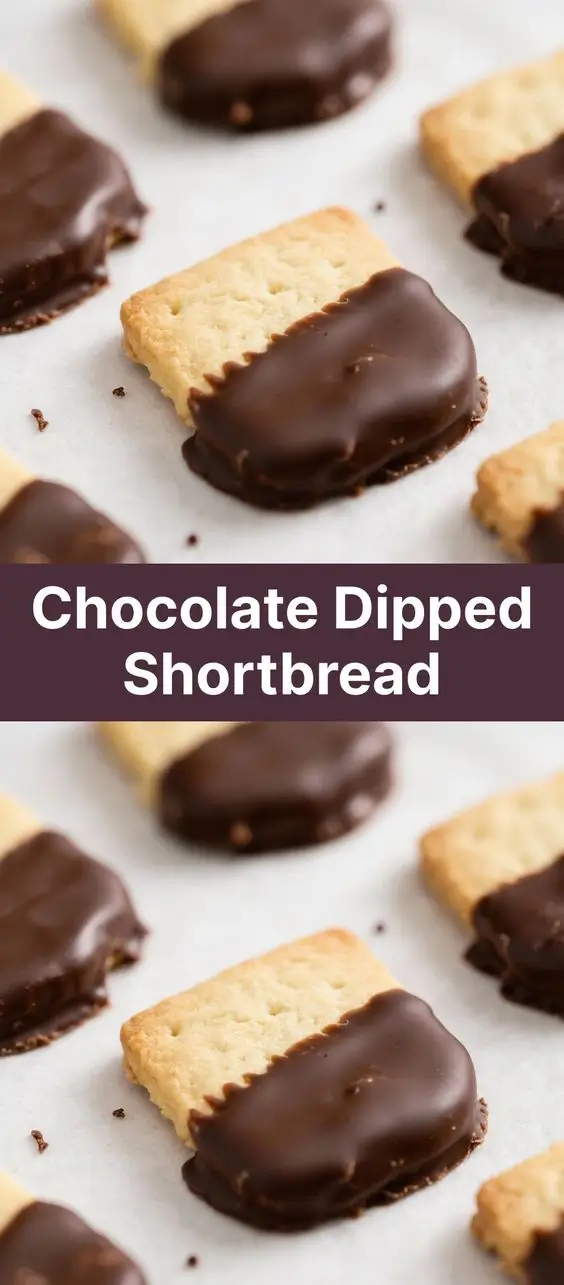
Chocolate Dipped Shortbread: A Timeless Treat of Richness and Simplicity
The History of Chocolate Dipped Shortbread
Shortbread, a beloved buttery biscuit with roots tracing back to 12th-century Scotland, has evolved into one of the most cherished baked goods across Europe and beyond. Originally derived from medieval “biscuit bread”—a twice-baked piece of bread used to extend shelf life—shortbread emerged when bakers began enriching the dough with butter, creating a crumbly, tender confection ideal for special occasions. The name “shortbread” comes from the high fat content (shortening), which inhibits gluten development and produces a delicate, melt-in-your-mouth texture.
By the 16th century, shortbread became associated with Scottish celebrations like Christmas and Hogmanay (Scottish New Year). Mary, Queen of Scots, was particularly fond of a version called “Petticoat Tails,” named for its pie-like shape resembling a woman’s petticoat. Over time, shortbread crossed cultural borders and inspired countless variations. The addition of chocolate—a luxury ingredient once reserved for royalty—transformed traditional shortbread into an indulgent delicacy. Chocolate-dipped shortbread gained popularity in the 20th century as chocolate became more accessible and home baking flourished. Today, this treat combines Old World craftsmanship with modern decadence, symbolizing both elegance and comfort.
Ingredients Breakdown: What Makes It Irresistible?
The magic of chocolate-dipped shortbread lies not only in its flavor but in the careful balance of a few simple, high-quality ingredients. Each plays a critical role in achieving the perfect texture and taste.
- Unsalted Butter: The cornerstone of any good shortbread, real European-style unsalted butter (with higher fat content around 82–84%) delivers richness and a creamy mouthfeel. Using unsalted butter allows you to control the salt level precisely.
- Granulated Sugar: While some recipes use powdered sugar, granulated sugar helps maintain structure without making the dough too soft. It provides subtle sweetness that complements rather than overwhelms the butter.
- All-Purpose Flour: This provides the base structure. For extra tenderness, cake flour can be substituted partially, but all-purpose ensures the right balance between crumbliness and sturdiness.
- Salt: Even in sweet cookies, salt enhances flavor depth. A pinch of sea salt or kosher salt balances the sweetness and intensifies the buttery notes.
- Pure Vanilla Extract: Adds aromatic complexity and rounds out the flavor profile. Always opt for pure extract over imitation for best results.
- Dark, Milk, or White Chocolate: Used for dipping, the chocolate adds contrast in flavor and texture. High-quality couverture chocolate with cocoa butter (not hydrogenated oils) ensures a smooth melt and professional finish. Dark chocolate (60–70% cacao) offers a sophisticated bitterness; milk chocolate brings creaminess; white chocolate gives a sweet, vanilla-forward coating.
- Optional Add-ins: Finishing salt (like Maldon), chopped nuts (hazelnuts, almonds), citrus zest (orange or lemon), espresso powder, or edible gold flakes can elevate presentation and taste.
Step-by-Step Recipe: Crafting Perfect Chocolate Dipped Shortbread at Home
Ingredients
- 1 cup (2 sticks / 226g) unsalted butter, softened to room temperature
- 1/2 cup (100g) granulated sugar
- 2 cups (250g) all-purpose flour
- 1/4 teaspoon fine sea salt
- 1 1/2 teaspoons pure vanilla extract
- 8–10 ounces (225–285g) high-quality chocolate (dark, milk, or white), chopped or in chips
- Optional: flaky sea salt, crushed pistachios, or sprinkles for garnish
Directions
- Preheat Oven & Prepare Pan: Preheat your oven to 325°F (165°C). Line a large baking sheet with parchment paper or a silicone baking mat.
- Cream Butter and Sugar: In a large mixing bowl, beat the softened butter and sugar together using a hand mixer or stand mixer on medium speed until light and fluffy (about 2–3 minutes). Do not overbeat—just until combined and slightly aerated.
- Add Flavorings: Mix in the vanilla extract until fully incorporated.
- Incorporate Dry Ingredients: Gradually add the flour and salt, mixing on low speed just until the dough comes together. It will be soft but not sticky. Avoid overmixing to prevent toughness.
- Shape the Dough: Turn the dough out onto a lightly floured surface. Gently press it into a disc, then roll to about 1/4-inch thickness. Use round, scalloped, or festive-shaped cookie cutters to cut into desired shapes. Alternatively, press the dough into a tart pan or rectangular pan and score into fingers or wedges before baking for a classic look.
- Chill (Optional but Recommended): For cleaner edges and less spreading, chill the cut cookies on the baking sheet for 15–20 minutes before baking.
- Bake: Bake for 18–22 minutes, rotating the tray halfway through, until the edges are just beginning to turn golden. The centers should remain pale. Overbaking leads to hard cookies—shortbread should be tender, not crisp like a sugar cookie.
- Cool Completely: Let the cookies cool on the baking sheet for 5 minutes, then transfer to a wire rack to cool completely. They must be entirely cool before dipping in chocolate.
- Melt the Chocolate: Place chopped chocolate in a dry, heatproof bowl. Melt using a double boiler (bowl over simmering water, ensuring no steam enters) or in the microwave in 20-second intervals, stirring frequently until smooth. If using different chocolates, melt them separately.
- Dip the Cookies: Hold each cookie by the edge and dip halfway into the melted chocolate, allowing excess to drip off. Place on a parchment-lined tray. For full coverage, dip entirely and let set on a wire rack above parchment to catch drips.
- Garnish: Immediately sprinkle with flaky salt, chopped nuts, or colored sprinkles before the chocolate sets.
- Set the Chocolate: Allow the chocolate to harden at room temperature in a cool, dry place (about 1–2 hours). For faster setting, place in the refrigerator for 10–15 minutes—but avoid condensation by sealing in an airtight container afterward.
- Store Properly: Once set, store in an airtight container between layers of parchment paper. Keeps well for up to 2 weeks at room temperature or 1 month frozen.
Tips for Success: Mastering Your Chocolate Dipped Shortbread
- Use Room-Temperature Butter: Softened butter blends evenly without overworking the dough. Cold butter won’t cream properly; melted butter changes texture.
- Don’t Overmix: Once flour is added, mix only until combined. Overmixing develops gluten, leading to tough cookies.
- Roll Evenly: Use rolling pin guides or book spacers to ensure uniform thickness, promoting even baking.
- Bake Low and Slow: A lower oven temperature prevents browning while ensuring thorough cooking through the center.
- Temper Chocolate (Optional): For a glossy, snap-worthy finish, temper your chocolate. This involves carefully controlling the temperature during melting and cooling. However, for home bakers, using high-quality chocolate and proper melting techniques often suffices.
- Avoid Humidity: Chocolate seizes when exposed to moisture. Make sure all utensils are completely dry and work in a low-humidity environment.
- Double-Dip for Thickness: For a thicker chocolate layer, allow the first coat to set completely, then dip again.
- Use Parchment Corners: When lifting cooled cookies from racks after dipping, use the corners of parchment to gently slide them off without smudging chocolate.
Variations and Customizations: Make It Your Own
While classic chocolate-dipped shortbread is divine on its own, endless creative twists can suit any occasion or palate.
- Lemon-Zested Shortbread: Add 1 tablespoon of finely grated lemon zest to the dough for a bright, citrusy note that pairs beautifully with dark chocolate.
- Almond Shortbread: Replace 1/4 cup of flour with almond flour for a nutty depth. Top with sliced almonds before baking or pair with milk chocolate.
- Espresso Chocolate Dip: Stir 1/2 teaspoon instant espresso powder into melted dark chocolate for a mocha twist.
- Sea Salt & Caramel Swirl: After dipping, drizzle with homemade salted caramel before the chocolate sets.
- Festive Colors: Use colored candy melts or tint white chocolate with food-grade powders for holiday-themed treats (e.g., red/green for Christmas, pastels for Easter).
- Gluten-Free Version: Substitute all-purpose flour with a 1:1 gluten-free baking blend containing xanthan gum. Test small batches first for texture.
- Vegan Adaptation: Use plant-based butter (like Miyoko’s or Earth Balance) and dairy-free chocolate. Ensure sugar is vegan-certified if strict.
- Stuffed Shortbread: Create thumbprint centers before baking and fill with jam, Nutella, or peanut butter, then dip in chocolate.
- Mini Sandwiches: Make tiny rounds, sandwich with ganache or raspberry preserves, then dip the entire cookie in chocolate.
- Spiced Shortbread: Add 1/4 teaspoon cinnamon, nutmeg, or cardamom to the dough—ideal for fall and winter holidays.
Health Considerations and Nutritional Value
Chocolate-dipped shortbread is undeniably a treat best enjoyed in moderation due to its high calorie, fat, and sugar content. However, understanding its nutritional profile helps make informed choices.
| Nutrient | Per Cookie (approx. 1 oz / 28g) |
|---|---|
| Calories | 140–170 |
| Total Fat | 9–12g |
| Saturated Fat | 5–7g |
| Carbohydrates | 15–18g |
| Sugars | 8–10g |
| Protein | 1–2g |
| Sodium | 50–80mg |
Health Notes:
- Butter Content: High in saturated fats, so those monitoring cholesterol should consume sparingly.
- Chocolate Choice: Opting for dark chocolate (70%+ cacao) increases antioxidant flavonoids and reduces sugar compared to milk or white chocolate.
- Portion Control: These cookies are rich—one or two satisfy a sweet craving. Serve on a platter with fruit or tea to balance indulgence.
- Allergens: Contains dairy, gluten, and potentially nuts (if added). Always label accordingly when serving guests.
- Energy Density: High-fat, low-fiber content means these are energy-dense but not filling—ideal for quick energy, less so for satiety.
FAQ: Frequently Asked Questions About Chocolate Dipped Shortbread
Can I freeze chocolate-dipped shortbread?
Yes! Freeze unbaked dough discs for up to 3 months, or freeze fully assembled cookies in a single layer before transferring to an airtight container. Thaw at room temperature to prevent condensation on chocolate.
Why did my chocolate crack or separate?
Chocolate can “seize” if exposed to water or overheated. Always use dry tools and melt gently. Adding a teaspoon of coconut oil or paramount crystals can improve fluidity and shine.
Can I use chocolate chips for dipping?
Yes, but they contain stabilizers that make them less smooth. For better results, chop premium chocolate bars or use couverture chocolate.
How do I store chocolate-dipped shortbread?
Keep in an airtight container at cool room temperature away from sunlight. Layer with parchment paper to prevent sticking. Avoid refrigeration unless necessary (due to fillings), as it can cause condensation and dull the chocolate.
Can I make these ahead of time?
Absolutely. Baked, undipped shortbread keeps for 1 week at room temperature. Dip in chocolate 1–2 days before serving for peak freshness and appearance.
Why are my shortbread cookies spreading?
Likely causes include butter that was too soft, insufficient flour, or skipping the chilling step. Chill dough before baking and measure flour correctly (spoon and level, don’t scoop).
Is shortbread the same as sugar cookies?
No. Shortbread has more butter and no leavening (baking soda/powder), resulting in a dense, crumbly texture. Sugar cookies are lighter, often rolled thinner, and may include eggs and leaveners.
Summary
Chocolate dipped shortbread marries the buttery elegance of Scottish tradition with the luxurious allure of fine chocolate, creating a timeless confection perfect for gifting, holidays, or quiet indulgence. With simple ingredients, precise technique, and room for creativity, it remains a favorite among bakers and dessert lovers worldwide.