Introduction
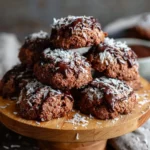
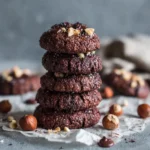
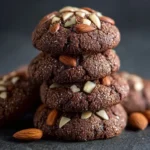
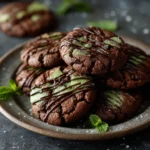
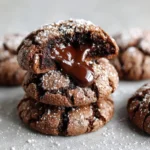
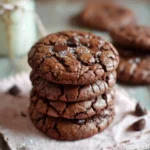
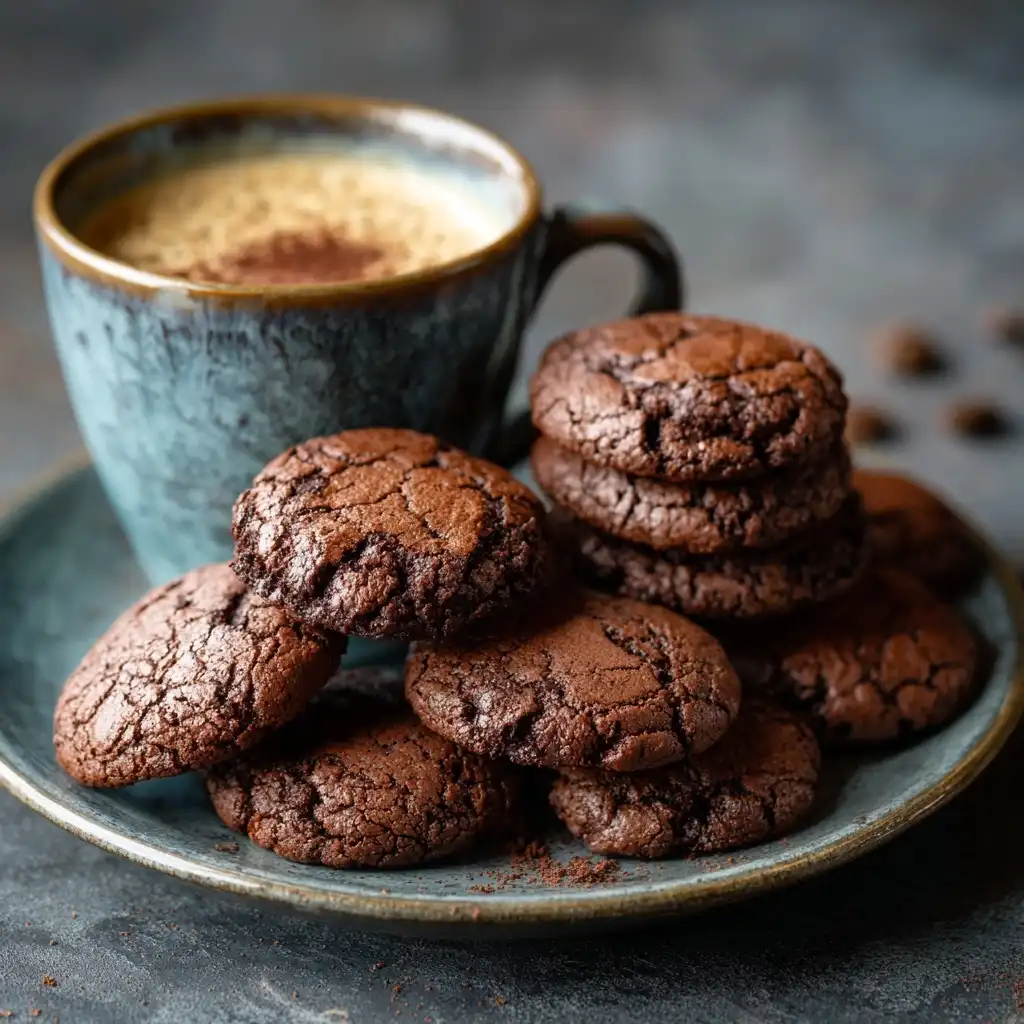
Chocolate Espresso Cookies are a sophisticated, deeply flavorful twist on the classic chocolate chip cookie—elevating comfort baking with the bold, nuanced complexity of finely ground espresso. These cookies strike a masterful balance: rich, velvety dark chocolate meets the bright, slightly bitter, aromatic intensity of real coffee, resulting in a treat that’s both indulgent and complex. Unlike ordinary chocolate cookies, they offer a subtle caffeine lift and a lingering, roasted finish that satisfies even the most discerning palates. Whether enjoyed with morning coffee, as an afternoon pick-me-up, or alongside a glass of cold milk after dinner, Chocolate Espresso Cookies deliver depth, texture, and sophistication in every bite—proving that exceptional flavor doesn’t require complicated techniques, just thoughtful ingredient choices and precise execution.
The History
The origins of Chocolate Espresso Cookies are rooted not in a single documented moment, but in the broader evolution of coffee-infused baking throughout the 20th and early 21st centuries. While espresso powder began appearing in American kitchens in the 1950s—initially used by pastry chefs to intensify chocolate desserts—the fusion of espresso and chocolate chip cookies gained mainstream traction in the 1990s, coinciding with the rise of artisanal coffee culture and the proliferation of high-end grocery stores like Williams-Sonoma and Sur La Table. Influenced by Italian cioccolato e caffè traditions and French pâtisserie techniques (such as using instant espresso to deepen ganache and mousse), home bakers began experimenting with adding finely ground espresso or concentrated brewed coffee to cookie doughs. The breakthrough came when bakers realized that espresso powder—not just for flavor, but for its natural acidity—enhances cocoa’s phenolic compounds, unlocking richer, more rounded chocolate notes without making the cookie taste “coffee-forward.” By the early 2000s, recipes appeared in influential publications like Bon Appétit, Food & Wine, and Martha Stewart Living, often credited to chefs like Dorie Greenspan and Alice Medrich. Today, Chocolate Espresso Cookies are a staple in specialty bakeries from Portland to Paris, frequently featured in subscription boxes, holiday tins, and gourmet gift sets—celebrated not merely as a variation, but as a refined, intentional evolution of the beloved American cookie.
Ingredients Breakdown
Every ingredient in this recipe plays a precise, science-backed role—no element is arbitrary. Below is a detailed functional analysis:
- All-Purpose Flour (2 ¼ cups / 280g): Provides essential gluten structure. A moderate protein content (10–11.7%) ensures chewiness without toughness. Sifting prevents clumping and promotes even hydration.
- Unsweetened Natural Cocoa Powder (¾ cup / 75g): Adds deep, fruity, slightly acidic chocolate notes. Natural (non-alkalized) cocoa retains more flavanols and interacts optimally with espresso’s acids for flavor synergy. Dutch-process cocoa may mute the espresso’s brightness.
- Instant Espresso Powder (2 tablespoons / 12g): The cornerstone of authenticity. Made from freeze-dried, concentrated brewed espresso, it delivers intense, aromatic, non-bitter coffee essence without added moisture. Ground espresso beans or brewed coffee would introduce excess liquid and dilute texture.
- Baking Soda (1 teaspoon): Reacts with the natural acidity in cocoa and espresso to create carbon dioxide bubbles—critical for lift, spread control, and browning via Maillard reactions.
- Sea Salt (1 teaspoon fine, plus ½ tsp flaky for finishing): Enhances sweetness perception, suppresses bitterness, and balances the robustness of cocoa and espresso. Fine salt dissolves fully; flaky Maldon or Fleur de Sel adds textural contrast and bursts of salinity on top.
- Unsalted Butter (1 cup / 227g, browned and cooled): Browning (beurre noisette) transforms butter’s lactose and milk solids into nutty, caramelized, toasty compounds—adding profound depth and aroma. Cooling to ~65°F (18°C) before creaming ensures optimal emulsion and prevents greasiness.
- Granulated Sugar (¾ cup / 150g): Contributes crisp edges and structural stability due to its low moisture and high sucrose content. Promotes caramelization during baking.
- Packed Light Brown Sugar (¾ cup / 165g): Adds moisture (from molasses), chewiness, and subtle caramel/molasses notes that harmonize beautifully with espresso’s roasted tones.
- Large Eggs (2, room temperature): Provide emulsification, structure, and leavening. Room temperature ensures uniform incorporation and prevents seized batter.
- Pure Vanilla Extract (2 teaspoons): Contains over 200 aromatic compounds that bridge chocolate and coffee notes—especially vanillin, which complements both cocoa polyphenols and coffee pyrazines.
- High-Quality Semi-Sweet Chocolate (12 oz / 340g, 60–65% cacao, chopped): Preferably couverture-grade with cocoa butter as the only fat. Chopping ensures irregular, artisanal shards that melt into pools and pockets rather than uniform chips. Avoid chocolate chips with stabilizers—they resist melting and create waxy texture.
- Dark Chocolate Chunks (optional 2 oz / 57g, 70% cacao): For layered complexity—adds bitter counterpoint and textural variation.
Step-by-Step Recipe
- Prepare the Espresso-Cocoa Dry Mix: In a medium bowl, whisk together flour, cocoa powder, instant espresso powder, baking soda, and fine sea salt until fully homogenized and no streaks remain. Pass through a fine-mesh sieve twice to aerate and eliminate any espresso granules or cocoa lumps. Cover and set aside at room temperature.
- Brown the Butter: Place unsalted butter in a light-colored saucepan over medium-low heat. Swirl occasionally as it melts, then foams, and finally begins to crackle softly. Continue cooking until golden-brown specks form on the bottom and the aroma becomes deeply nutty and caramel-like (approx. 8–10 minutes). Immediately pour into a heatproof bowl, scraping all browned bits. Cool uncovered for 30–40 minutes—until lukewarm to the touch (~65°F / 18°C). Do not refrigerate; rapid chilling causes fat separation.
- Cream Sugars and Butter: Using a stand mixer fitted with the paddle attachment (or hand mixer on medium speed), beat the cooled browned butter, granulated sugar, and brown sugar together for 3–4 minutes—until light, fluffy, and noticeably pale. Scrape bowl thoroughly halfway through. Over-creaming isn’t possible here; extended beating incorporates vital air for lift and tenderness.
- Incorporate Wet Ingredients: Add eggs one at a time, beating for 1 full minute after each addition until fully emulsified and glossy. Add vanilla and mix 30 seconds more. Batter should be thick, cohesive, and slightly ribbony.
- Gradually Add Dry Ingredients: With mixer on low speed, add dry mixture in three equal portions, mixing just until no flour streaks remain after each addition—about 15–20 seconds per portion. Overmixing develops gluten and yields tough cookies. Scrape bowl meticulously between additions.
- Fold in Chocolate: Using a flexible silicone spatula, gently fold in chopped semi-sweet chocolate and optional dark chocolate chunks until evenly distributed. Some small cocoa clusters are desirable—they’ll bloom into marbled patterns during baking.
- Chill the Dough (Non-Negotiable Step): Divide dough into two equal portions. Shape each into a 9-inch log, wrap tightly in parchment paper, then in plastic wrap. Refrigerate for *minimum* 24 hours, up to 72 hours. This allows full hydration of flour and cocoa, firming of butter for optimal spread control, and flavor development as espresso and cocoa compounds meld.
- Preheat & Prep: At least 45 minutes before baking, position oven racks in upper and lower thirds. Preheat oven to 350°F (177°C). Line two large baking sheets with parchment paper or silicone baking mats—never greased surfaces, which cause excessive spreading.
- Portion and Bake: Remove one dough log from refrigerator. Slice into ¼-inch-thick rounds (about 16–18 per log) using a sharp, non-serrated knife dipped in hot water and wiped dry between cuts. Space cookies 3 inches apart on prepared sheets. Sprinkle tops generously with flaky sea salt. Bake for 11–13 minutes, rotating trays top-to-bottom and front-to-back at 7 minutes, until edges are set and centers appear soft but no longer raw or shiny. Cracks should begin forming on surface.
- Cool Properly: Let cookies cool on baking sheets for exactly 5 minutes—this allows residual heat to finish setting interiors. Then transfer to wire racks to cool completely (20+ minutes). They will continue to firm as they cool, achieving ideal chew-crisp duality.
Tips
- Espresso Powder Quality Matters: Use reputable brands like King Arthur, Williams Sonoma Reserve, or Lavazza Instant Espresso—not generic “instant coffee.” Check expiration date; stale espresso loses aromatic volatility.
- Browning Butter Is Transformative—but Monitor Closely: It can go from perfect to burnt in under 30 seconds. Keep a close eye once foam subsides and golden flecks appear.
- Chilling Time Is Not Optional: Skipping or shortening the chill leads to flat, greasy, overly spread cookies with muted flavor. 24 hours is the sweet spot; 48 hours yields even deeper, rounder flavor.
- Room-Temperature Eggs Are Essential: Cold eggs can cause the warm browned butter mixture to seize or curdle. If forgotten, place eggs in warm water for 5 minutes.
- Measure Flour Correctly: Spoon flour into measuring cup and level with a straight edge—do not scoop directly from bag, which compacts flour and adds up to 25% extra.
- Use a Digital Scale: Gram measurements ensure consistency, especially critical with cocoa and espresso powder, where volume varies widely by brand and humidity.
- Rotate Trays Mid-Bake: Home ovens have hot spots. Rotating ensures even browning and consistent texture across all cookies.
- Don’t Overbake: Cookies continue cooking on the hot sheet. Remove when edges are set but centers look soft—that’s when they’re perfectly textured.
- Freeze Dough Logs for Later: Wrapped logs keep for up to 3 months frozen. Slice while still frozen (use a serrated knife), then bake straight from freezer—add 1–2 minutes to bake time.
- Revive Stale Cookies: Place in a 300°F oven for 3–4 minutes—moisture redistributes, and aroma reawakens.
Variations and Customizations
This foundational recipe is incredibly adaptable—each variation preserves the espresso-chocolate core while introducing new dimensions of texture, temperature, and cultural inspiration:
- Double Espresso Crunch: Replace 2 tbsp instant espresso with 1 tbsp espresso + 1 tbsp finely ground dark roast coffee beans (for gritty, aromatic crunch). Add ¼ cup toasted hazelnuts.
- Mocha Swirl: After portioning dough, press a ½-teaspoon dollop of high-quality chocolate-hazelnut spread (like Nutella or homemade gianduja) into center of each cookie before baking.
- Spiced Mexican-Inspired: Add 1 tsp ground cinnamon, ¼ tsp ground ancho chile, and a pinch of clove to dry ingredients. Finish with a dusting of chili-lime sugar.
- White Chocolate & Orange Zest: Swap semi-sweet chocolate for high-quality white chocolate (ensure cocoa butter-based), and add 2 tsp finely grated orange zest with wet ingredients. Omit dark chocolate chunks.
- Gluten-Free Adaptation: Substitute 1:1 gluten-free flour blend (with xanthan gum) + 2 tsp psyllium husk powder (for elasticity). Increase chill time to 48 hours for optimal hydration.
- Vegan Version: Use browned coconut oil (refined for neutral taste), flax eggs (2 tbsp ground flax + 6 tbsp water, rested 10 min), coconut sugar (for depth), and vegan dark chocolate. Add 1 tsp apple cider vinegar to react with baking soda.
- Stout-Infused: Replace 2 tbsp of the browned butter with reduced, cooled Guinness stout (simmer ½ cup stout until reduced to 2 tbsp). Adds malty, roasted barley notes.
- Espresso-Sea Salt Caramel: Press a small piece of soft, high-butterfat caramel (made with sea salt and espresso-infused cream) into center of each dough round before baking.
- Mini Cookie Bites: Portion dough using a 1-teaspoon scoop. Bake at 375°F for 7–8 minutes. Perfect for parties or dessert platters.
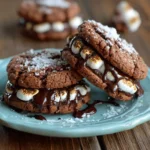
- Cookie Sandwiches: Bake cookies 1–2 minutes less for softer centers, then sandwich with espresso Swiss meringue buttercream or dark chocolate ganache.
Health Considerations and Nutritional Value
A single Chocolate Espresso Cookie (based on 36 cookies per batch) contains approximately:
- Calories: 185 kcal
- Total Fat: 10.5g (6.2g saturated)
- Carbohydrates: 22g (15g sugars, 2g fiber)
- Protein: 2.3g
- Sodium: 135mg
- Caffeine: ~12–18mg per cookie (equivalent to 1–2 sips of brewed coffee)—primarily from espresso powder and cocoa.
Nutritional Highlights & Considerations:
- Antioxidant-Rich: Cocoa and espresso are among the highest dietary sources of polyphenols—including epicatechin, procyanidins, and chlorogenic acid—which support vascular health, insulin sensitivity, and cognitive function.
- Minimal Added Sugar Profile: Compared to many commercial cookies (often 15–20g sugar per serving), this recipe uses moderate sweeteners and relies on cocoa’s natural bitterness to satisfy cravings with less sugar.
- No Artificial Additives: Free from preservatives, emulsifiers, artificial flavors, or hydrogenated oils—making it suitable for clean-label and whole-foods-focused diets.
- Butter Considerations: While browned butter adds flavor complexity, those monitoring saturated fat may substitute up to half the butter with avocado oil or almond butter (adjust liquid as needed).
- Glycemic Impact: Moderate glycemic load due to balanced fat/protein/fiber ratio—slows glucose absorption versus high-sugar, low-fat alternatives.
- Allergen Notes: Contains dairy (butter, chocolate), eggs, and wheat. Naturally soy-free if using soy-free chocolate; always verify chocolate labels for shared equipment warnings (nuts, dairy, gluten).
- Portion Mindfulness: Despite nutritional benefits, these remain energy-dense. Pairing with black coffee or herbal tea enhances satiety and antioxidant synergy.
Ingredients
- 2 ¼ cups (280g) all-purpose flour, spooned & leveled
- ¾ cup (75g) unsweetened natural cocoa powder
- 2 tablespoons (12g) high-quality instant espresso powder
- 1 teaspoon baking soda
- 1 teaspoon fine sea salt
- 1 cup (227g) unsalted butter
- ¾ cup (150g) granulated sugar
- ¾ cup (165g) packed light brown sugar
- 2 large eggs, room temperature
- 2 teaspoons pure vanilla extract
- 12 oz (340g) high-quality semi-sweet chocolate (60–65% cacao), coarsely chopped
- Optional: 2 oz (57g) 70% dark chocolate, coarsely chopped
- Flaky sea salt, for finishing
Directions
- Whisk together flour, cocoa powder, espresso powder, baking soda, and fine sea salt in a medium bowl. Sift twice and set aside.
- In a light-colored saucepan, melt butter over medium-low heat. Cook, swirling occasionally, until golden-brown specks form and aroma is deeply nutty (8–10 min). Pour into a heatproof bowl, including all browned bits. Cool 30–40 min until lukewarm (~65°F).
- In stand mixer with paddle attachment, beat cooled butter, granulated sugar, and brown sugar on medium-high for 3–4 min until pale and fluffy.
- Add eggs one at a time, beating 1 min after each. Add vanilla; mix 30 sec.
- With mixer on low, add dry ingredients in three portions, mixing just until incorporated (15–20 sec each). Scrape bowl thoroughly.
- Fold in chopped chocolate with silicone spatula until evenly distributed.
- Divide dough in half. Shape each into 9-inch log on parchment. Wrap tightly in parchment + plastic. Chill 24–72 hours.
- Preheat oven to 350°F (177°C) with racks in upper/lower thirds. Line two large baking sheets with parchment.
- Remove one log. Slice into ¼-inch rounds (16–18). Space 3″ apart. Sprinkle tops with flaky sea salt.
- Bake 11–13 min, rotating trays at 7 min, until edges are set and centers soft.
- Cool on sheets 5 min. Transfer to wire racks to cool completely (20+ min).
FAQ
- Can I use brewed coffee instead of espresso powder?
- No—brewed coffee adds excess water, disrupting dough hydration and causing uneven spread and steaming instead of browning. Espresso powder is concentrated, dry, and pH-balanced for optimal chemical reactions.
- Why must the dough chill for 24 hours?
- Chilling hydrates the flour and cocoa fully, solidifies butter for controlled spread, concentrates flavors, and allows starches to retrograde—resulting in chewier texture and deeper, more harmonious flavor integration.
- My cookies spread too much—even after chilling. What went wrong?
- Most common causes: butter too warm when creaming, insufficient chilling, expired baking soda (test by mixing ¼ tsp with 2 tsp vinegar—if no vigorous fizz, replace), or measuring flour incorrectly (scooping adds too much).
- Can I make these gluten-free?
- Yes—with caveats. Use a certified gluten-free 1:1 blend containing xanthan gum, add 2 tsp psyllium husk powder, increase chill time to 48 hours, and expect slightly more delicate cookies. Always verify all ingredients (chocolate, espresso powder) are GF-certified.
- How long do baked cookies stay fresh?
- Stored airtight at room temperature: 5 days. Refrigerated: 10 days (may dry out). Frozen (in single layers, then sealed): up to 3 months. Thaw at room temp 30 min or re-crisp in 300°F oven for 4 min.
- Can I double the batch?
- Yes—but brown butter and mix in two separate batches to ensure proper aeration and temperature control. Do not double the mixing time; follow same timing per batch.
- What’s the best chocolate to use?
- Look for couverture chocolate with “cocoa butter” as the only fat (not palm or soy oil). Recommended brands: Valrhona, Guittard, Callebaut, or Ghirardelli Baking Bars. Avoid standard chocolate chips—they contain stabilizers that inhibit melting.
- Can I omit the espresso powder?
- You can, but you’ll lose the defining character. The espresso doesn’t make them “taste like coffee”—it amplifies chocolate, adds dimension, and balances sweetness. Without it, the cookies become a standard chocolate chip cookie.
- Why brown the butter?
- Browning creates over 600 volatile aroma compounds—including diacetyl (buttery), furans (caramel), and pyrazines (nutty/roasted)—that synergize with espresso and cocoa, adding unparalleled depth impossible with plain melted butter.
- Can kids eat these?
- Yes—caffeine content is minimal (~12–18mg per cookie), comparable to a square of dark chocolate. Still, consult your pediatrician for children under age 4 or with caffeine sensitivities.
Summary
Chocolate Espresso Cookies are a masterclass in intentional baking—where browned butter, premium cocoa, and authentic instant espresso unite to create cookies of extraordinary depth, texture, and aromatic complexity. Every step, from 24-hour chilling to precise slicing and strategic salting, is designed to elevate the humble chocolate chip cookie into a sophisticated, soul-satisfying experience.
They’re not just cookies—they’re an invitation to slow down, savor nuance, and celebrate how science, tradition, and quality ingredients converge to transform everyday moments into something truly memorable.