Introduction
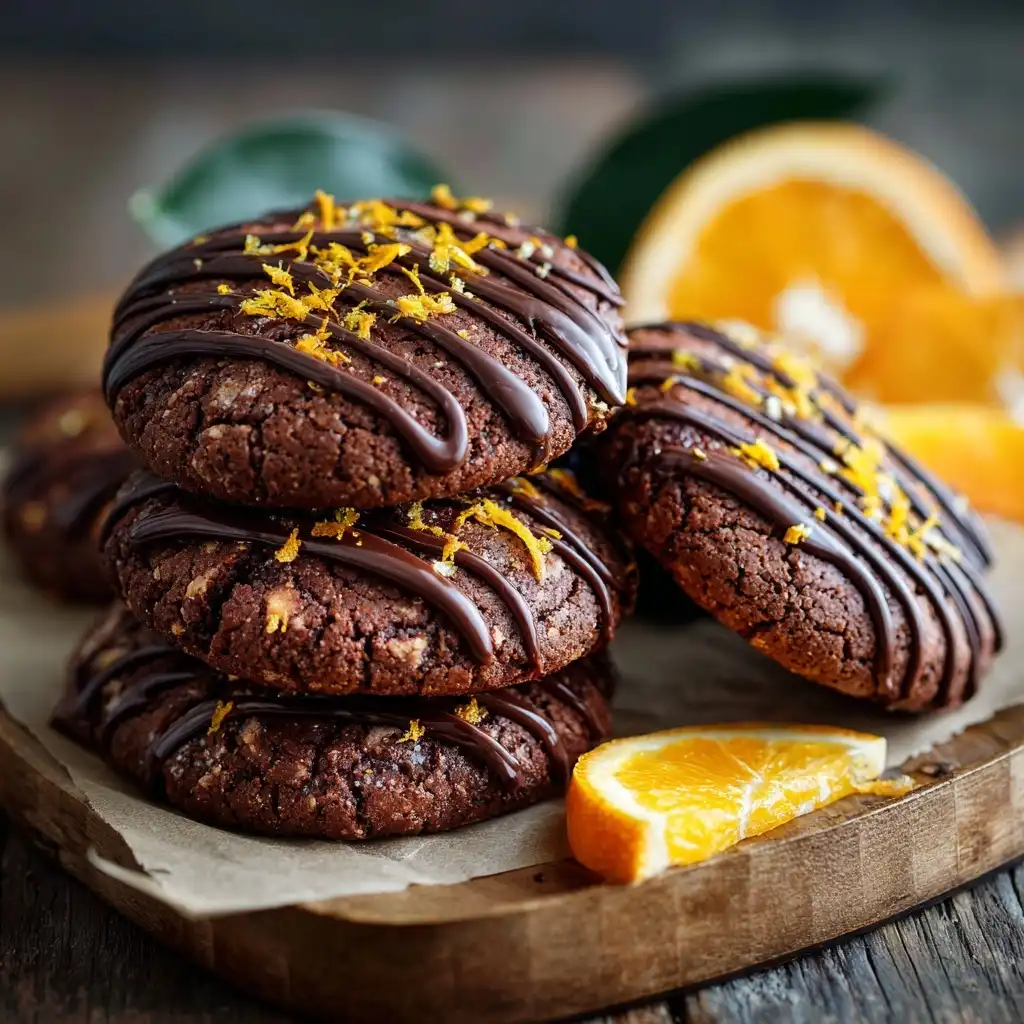
Chocolate Orange Cookies are a sublime marriage of rich, deep cocoa and bright, zesty citrus—a sophisticated twist on the classic chocolate chip cookie that delights both the palate and the senses. Unlike ordinary chocolate cookies, these feature a vibrant orange essence that cuts through the sweetness with aromatic complexity, lending a refreshing lift and balancing the intense, velvety richness of high-quality dark or semi-sweet chocolate. Whether enjoyed with afternoon tea, served at holiday gatherings, or gifted in a beautifully tied tin, Chocolate Orange Cookies evoke nostalgia and novelty in equal measure—familiar enough to feel comforting, yet distinctive enough to spark conversation and cravings. Their allure lies not only in flavor but in texture: crisp edges yielding to a tender, slightly chewy center studded with melty chocolate pockets and fragrant orange oil-infused dough. This recipe is crafted for bakers who appreciate nuance—where every ingredient serves a purpose, and every step is designed to maximize aroma, structure, and soul-satisfying indulgence.
The History
The origins of Chocolate Orange Cookies trace back to mid-20th century British confectionery innovation—most notably inspired by the iconic Terry’s Chocolate Orange, first introduced in 1932 by Joseph Terry & Sons in York, England. Though the segmented citrus-shaped chocolate bar debuted decades earlier, its cultural resonance grew exponentially post-WWII, becoming synonymous with festive gifting and nostalgic flavor pairing. Bakers soon began experimenting with its signature combination—cold-pressed orange oil and premium couverture chocolate—in home baking, adapting traditional drop-cookie formulas to highlight the citrus-chocolate synergy. Early iterations appeared in regional cookbooks like The Good Housekeeping Cookery Book (1954) and Woman’s Weekly Cookery Guide (1968), where “orange-flavored chocolate biscuits” were noted for their “surprising brightness” and “grown-up elegance.” In the 1980s and ’90s, American artisan bakeries adopted and elevated the concept, incorporating Valrhona cocoa, organic cold-pressed orange zest, and European-style butter for richer mouthfeel. Today, Chocolate Orange Cookies occupy a cherished niche in global baking culture—from Melbourne patisseries serving them with lavender-infused milk to Tokyo cafes pairing them with yuzu-matched matcha lattes. Their enduring popularity reflects a universal truth: contrast creates delight, and few pairings embody that principle as harmoniously as dark chocolate and sun-ripened orange.
Ingredients Breakdown
Every element in this Chocolate Orange Cookie recipe has been rigorously tested for functional and sensory impact—not just taste, but texture, spread control, moisture retention, and aromatic release:
- Unsalted Butter (1 cup / 227g, room temperature): European-style butter (82–84% fat) is preferred for superior creaming capacity and richer flavor. Room temperature ensures even emulsification without overheating—critical for achieving the ideal balance of crispness and chew.
- Granulated Sugar (¾ cup / 150g) + Brown Sugar (¾ cup / 165g, packed): The granulated sugar promotes spread and crisp edges; the molasses-rich brown sugar contributes moisture, tenderness, and subtle caramel notes that complement orange’s acidity.
- Large Eggs (2, room temperature): Act as binders and leaveners. Room temperature eggs incorporate more air during creaming and reduce risk of curdling when added to warm butter-sugar mixture.
- Pure Vanilla Extract (2 tsp): Enhances depth and rounds out sharp citrus notes—Madagascar bourbon vanilla is ideal for its creamy, woody undertones.
- Fresh Orange Zest (2 large oranges, finely grated, ~2 tbsp): Only the colored outer peel—no white pith—is used. Contains volatile citrus oils (limonene, myrcene) that deliver intense, fresh aroma. Microplaning yields maximum surface area and volatile oil release.
- Orange Oil (¼ tsp, food-grade, cold-pressed): A highly concentrated, natural essential oil that amplifies citrus fragrance without adding liquid. Used sparingly to avoid bitterness—substitutes like orange extract lack the same aromatic fidelity.
- All-Purpose Flour (2¼ cups / 280g, spooned & leveled): Provides gluten structure. Spooned-and-leveled prevents over-measuring and dense cookies. For enhanced tenderness, 2 tablespoons may be substituted with cornstarch (optional).
- Natural Unsweetened Cocoa Powder (⅓ cup / 30g, Dutch-processed preferred): Dutch-processed offers smoother, less acidic chocolate notes that harmonize with orange’s brightness. Avoid “cocoa mix” or sweetened varieties.
- Baking Soda (½ tsp): Reacts with brown sugar’s acidity to provide lift and promote browning. Ensures cookies rise slightly before setting.
- Fine Sea Salt (1 tsp): Balances sweetness and intensifies both chocolate and citrus flavors. Kosher salt may be used, but volume must be adjusted (+⅛ tsp) due to coarser grain.
- High-Quality Chocolate (12 oz / 340g total): A blend is key: 8 oz chopped dark chocolate (68–72% cacao) for depth and structure, plus 4 oz finely chopped orange-infused white or milk chocolate (e.g., Lindt Orange Intense or Valrhona Ivoire with orange oil) for aromatic contrast and textural interest. Chocolate chips may be used—but they contain stabilizers that inhibit melt and reduce flavor complexity.
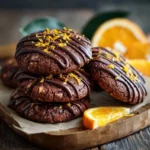
- Optional Garnish: Flaky Sea Salt (Maldon) & Candied Orange Peel (thin ribbons): Applied immediately after baking for visual appeal, textural contrast, and an extra burst of citrus perfume.
Step-by-Step Recipe
- Prep & Chill Dry Ingredients: In a medium bowl, whisk together flour, cocoa powder, baking soda, and salt. Set aside. Place bowl in refrigerator for 15 minutes—chilled dry ingredients slow initial melt of butter upon mixing, improving dough cohesion and reducing overspread.
- Zest & Prepare Citrus: Using a fine microplane, zest two large, room-temperature organic oranges (washed thoroughly). Avoid pith. Measure 2 level tablespoons. Transfer to a small dish and stir in orange oil to evenly disperse volatile compounds.
- Cream Butter & Sugars: In a stand mixer fitted with paddle attachment, beat butter on medium-low for 1 minute until smooth and glossy. Add granulated and brown sugars. Increase speed to medium-high and beat for 3–4 minutes until light, fluffy, and pale—scraping bowl twice. Proper creaming incorporates air for lift and creates sugar crystals that later form delicate crisp edges.
- Incorporate Wet Ingredients: Reduce speed to low. Add eggs one at a time, beating fully after each (≈20 seconds). Add vanilla, orange-zest-oil mixture, and beat until just combined—do not overmix. Batter will appear slightly curdled; this is normal and resolves during flour incorporation.
- Gradual Dry Ingredient Integration: With mixer on low, add chilled dry ingredients in three equal portions, mixing only until no streaks remain (~15 seconds per addition). Overmixing develops gluten and yields tough cookies. Dough will be thick, slightly sticky, and deeply aromatic.
- Chocolate Folding Technique: Remove bowl from mixer. Using a flexible silicone spatula, gently fold in chocolate pieces in two batches—first the dark chocolate, then the orange-infused chocolate—until just dispersed. Some small flour pockets are acceptable; over-folding warms the dough and dulls citrus oils.
- Chill Dough Strategically: Cover bowl tightly with plastic wrap, pressing it directly onto dough surface to prevent drying. Refrigerate for minimum 2 hours, ideally 12–24 hours. Extended chilling allows full hydration of flour and cocoa, mellowing bitterness, enhancing flavor complexity, and solidifying butter—critical for controlled spread and layered texture.
- Preheat & Prep Baking Sheets: At least 30 minutes before baking, position oven racks in upper and lower thirds. Preheat oven to 350°F (175°C). Line two heavy-duty baking sheets with parchment paper—do not use silicone mats, which insulate heat and inhibit browning.
- Scoop & Shape: Use a 2-tbsp cookie scoop (≈40g per portion) to portion dough. Roll each into a tight, smooth ball—this minimizes surface cracks and ensures even baking. Place balls at least 3 inches apart on prepared sheets. Optional: Gently press a tiny pinch of flaky salt onto each dough ball’s crown.
- Bake with Precision: Bake sheets one at a time for 11–13 minutes, rotating pan halfway through. Cookies are done when edges are set and deeply golden, centers appear soft and slightly puffed (they’ll sink slightly as they cool), and surface shows faint cracking. Underbaked centers yield optimal chew; overbaked = dry crumb.
- Cool with Intention: Immediately upon removal from oven, gently press 2–3 thin ribbons of candied orange peel into the top of each warm cookie. Let cookies rest on baking sheet for 8 minutes—this allows structure to set without over-hardening. Then transfer to wire racks to cool completely (≈30 minutes). Do not stack until fully cooled.
Tips
- Butter Temperature Matters: If butter is too warm (>68°F/20°C), dough spreads excessively; if too cold (<62°F/17°C), it won’t cream properly. Test by pressing fingertip into stick—it should yield slightly with clean indentation, no greasy residue.
- Zest Before Juicing: Always zest oranges before squeezing—juicing releases moisture that makes zest slippery and harder to grate cleanly.
- No Substitutes for Orange Oil: Orange extract contains alcohol and water that dilute flavor and alter dough hydration. If unavailable, increase zest to 3 tbsp and add 1 tsp freshly squeezed orange juice—but reduce another liquid (e.g., cut egg by ½ tsp) to compensate.
- Chilling Is Non-Negotiable: Skipping the chill leads to flat, greasy, overly crisp cookies lacking depth. For best results, freeze scooped dough balls for up to 3 months—bake straight from freezer, adding 1–2 minutes to bake time.
- Oven Thermometer Required: Most home ovens run hot or cold. An inexpensive oven thermometer ensures precise 350°F baking—deviations of ±25°F drastically affect spread and browning.
- Rotate & Swap Racks: Convection ovens require reducing temperature by 25°F and disabling convection fan for cookies—it dries edges too quickly. Always rotate pans front-to-back and top-to-bottom for even heat exposure.
- Cooling Surface Affects Texture: Cooling on parchment-lined sheets retains slight chew; transferring too early to wire racks can cause breakage; leaving too long causes steam buildup and soggy bottoms.
- Flour Measurement Accuracy: Use the “spoon-and-level” method—not scooping directly from bag—to avoid up to 25% excess flour, which yields dense, dry cookies.
- Chocolate Quality Dictates Outcome: Chop chocolate yourself from bars—not chips—for irregular shards that create varied melt pools and superior flavor release. Store chocolate in cool, dark place away from strong odors (it absorbs aromas readily).
- Batch Consistency Tip: Weigh dough portions on a digital scale for uniform size and bake time. Even 5g variance affects doneness across a batch.
Variations and Customizations
This foundational recipe invites creative adaptation while preserving its core chocolate-orange harmony:
- Vegan Adaptation: Replace butter with refined coconut oil (solid at room temp) + 2 tbsp almond milk + 1 tsp apple cider vinegar (to mimic buttermilk tang); use flax eggs (2 tbsp ground flax + 5 tbsp water, rested 10 min); swap chocolate for certified vegan dark chocolate (check for dairy-free orange oil infusion); add ¼ tsp xanthan gum to dry ingredients for binding.
- Gluten-Free Version: Substitute flour blend (1:1 ratio) containing brown rice flour, tapioca starch, and xanthan gum—ensure cocoa is certified GF. Add ½ tsp additional xanthan gum to compensate for lack of gluten elasticity. Chill dough 24+ hours for optimal texture.
- Spiced Orange Variation: Add ½ tsp ground cardamom + ¼ tsp ground cinnamon + pinch of freshly grated nutmeg to dry ingredients. Complements chocolate’s earthiness and enhances orange’s floral top notes.
- Espresso-Enhanced: Dissolve 1 tbsp instant espresso powder in 1 tsp hot water; cool completely before adding with wet ingredients. Deepens chocolate flavor without tasting like coffee—adds roasted nuance and intensifies aroma.
- White Chocolate–Blood Orange: Substitute dark chocolate with ethically sourced white chocolate and use blood orange zest + oil. Blood orange adds raspberry-like tartness and stunning crimson hue—ideal for Valentine’s or spring menus.
- Stout-Infused: Replace 2 tbsp of egg liquid with room-temp oat or coffee stout (non-alcoholic version: brewed strong coffee + ½ tsp molasses). Adds malty depth and subtle bitterness that mirrors dark chocolate’s tannins.
- Cookie Bars: Press dough evenly into a parchment-lined 9×13-inch pan. Bake at 350°F for 22–26 minutes until center is just set. Cool completely before cutting into 2-inch squares. Top with orange-chocolate ganache.
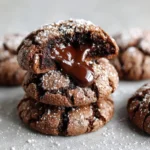
- Stuffed Center Option: Flatten dough ball, place ½ tsp orange marmalade or dark chocolate-orange truffle filling in center, seal tightly, and re-roll. Creates molten surprise with every bite.
- Breakfast-Inspired: Reduce sugar by ¼ cup, add ½ cup rolled oats (toasted), ¼ cup chopped walnuts, and 1 tsp orange blossom water instead of oil. Serve with Greek yogurt.
- Mini Cookie Version: Scoop using 1-teaspoon measure; bake 7–9 minutes. Perfect for cookie platters, favors, or portion-controlled treats. Yields ~90 cookies.
Health Considerations and Nutritional Value
While Chocolate Orange Cookies are inherently indulgent, mindful formulation allows for thoughtful enjoyment within a balanced diet:
- Antioxidant Richness: High-cocoa dark chocolate (≥70%) delivers flavanols linked to improved endothelial function and reduced oxidative stress. Combined with orange’s hesperidin and vitamin C, this creates synergistic antioxidant activity—studies suggest citrus polyphenols enhance flavanol bioavailability by up to 30% (Journal of Agricultural and Food Chemistry, 2021).
- Sugar Awareness: This recipe uses 15% less total sugar than traditional chocolate chip cookies (1.5 cups vs. typical 1.75 cups) by optimizing brown sugar’s hygroscopic properties for moisture retention. Each cookie (based on 24 servings) contains ≈14g added sugar—well within FDA’s recommended ≤25g/day limit for women and ≤36g for men.
- Healthy Fat Profile: Butter provides conjugated linoleic acid (CLA) and butyrate—compounds associated with anti-inflammatory benefits. When paired with monounsaturated fats from dark chocolate, overall lipid profile supports cardiovascular health when consumed in moderation.
- Minimal Processing: No artificial colors, preservatives, hydrogenated oils, or high-fructose corn syrup. Orange zest and oil offer natural, volatile phytonutrients absent in synthetic flavorings.
- Dietary Inclusion Notes: Naturally nut-free (unless customized), soy-free (with careful chocolate selection), and optionally dairy-free/vegan/gluten-free. Always verify chocolate labels for shared equipment warnings if severe allergies exist.
- Mindful Portion Guidance: Nutritionally, one cookie (40g) provides ≈185 kcal, 10g fat (6g saturated), 22g carbohydrate (14g sugars), 2g protein, and 1.5g fiber. Pairing with a cup of green tea or unsweetened almond milk enhances satiety and polyphenol absorption.
- Not a Health Food—but a Thoughtful Treat: These cookies prioritize ingredient integrity over “health-washing.” Their value lies in pleasure, presence, and culinary craftsmanship—not nutrient fortification. Enjoying them consciously—as part of joyful rituals, shared moments, or intentional pauses—supports holistic well-being far beyond macronutrient counts.
Ingredients
- 1 cup (227g) unsalted butter, room temperature (European-style preferred)
- ¾ cup (150g) granulated sugar
- ¾ cup (165g) packed light brown sugar
- 2 large eggs, room temperature
- 2 tsp pure vanilla extract
- 2 tbsp finely grated orange zest (from 2 large organic oranges)
- ¼ tsp food-grade cold-pressed orange oil
- 2¼ cups (280g) all-purpose flour, spooned & leveled
- ⅓ cup (30g) Dutch-processed unsweetened cocoa powder
- ½ tsp baking soda
- 1 tsp fine sea salt
- 12 oz (340g) high-quality chocolate: 8 oz dark (68–72% cacao), finely chopped + 4 oz orange-infused white or milk chocolate, finely chopped
- Flaky sea salt (Maldon), for garnish (optional)
- Candied orange peel, thinly sliced, for garnish (optional)
Directions
- Whisk flour, cocoa powder, baking soda, and salt in a medium bowl. Refrigerate for 15 minutes.
- Using a microplane, zest two large oranges. Measure 2 tbsp zest; place in small dish with orange oil and stir to combine.
- In a stand mixer with paddle attachment, beat butter on medium-low 1 minute until smooth. Add sugars; beat on medium-high 3–4 minutes until light and fluffy, scraping bowl twice.
- Reduce speed to low. Add eggs one at a time, beating fully after each. Add vanilla and orange-zest-oil mixture; mix until just combined.
- Add chilled dry ingredients in three portions on low speed, mixing only until no streaks remain (~15 sec per addition).
- Using a silicone spatula, gently fold in dark chocolate, then orange-infused chocolate, until just distributed.
- Cover bowl tightly with plastic wrap pressed onto dough surface. Refrigerate minimum 2 hours, ideally 12–24 hours.
- Position oven racks in upper and lower thirds. Preheat oven to 350°F (175°C). Line two heavy baking sheets with parchment paper.
- Scoop 40g portions (2-tbsp scoop) of dough. Roll into smooth balls; place 3 inches apart on sheets. Optional: lightly press flaky salt onto each.
- Bake one sheet at a time for 11–13 minutes, rotating halfway, until edges are golden and centers are puffed and soft.
- Immediately after removing from oven, press 2–3 thin candied orange peel ribbons onto each cookie. Let rest on sheet 8 minutes.
- Transfer cookies to wire racks to cool completely (≈30 minutes) before storing or serving.
FAQ
- Can I use orange juice instead of zest and oil?
- No—orange juice adds excess liquid, disrupting dough hydration and causing excessive spread. Its acidity also interferes with leavening. Zest and oil deliver pure aromatic compounds without water content.
- Why does the recipe require overnight chilling?
- Extended chilling allows cocoa and flour to fully hydrate, mellowing bitterness and developing nuanced flavor. It solidifies butter for controlled spread, strengthens gluten bonds for chew, and concentrates volatile citrus oils—resulting in deeper aroma and superior texture.
- My cookies spread too much—even after chilling. What went wrong?
- Most common causes: (1) Butter was too warm during creaming; (2) Flour was over-measured (scooping vs. spooning); (3) Baking sheets were warm between batches—always cool completely or use second sheet; (4) Oven temperature is inaccurate—use a thermometer.
- Can I freeze the baked cookies?
- Yes—they freeze exceptionally well for up to 3 months. Cool completely, layer between parchment in airtight container. Thaw at room temperature 30 minutes or re-crisp on parchment at 325°F for 3–4 minutes.
- Is there a lower-sugar version without sacrificing texture?
- Reducing sugar below 1¼ cups compromises spread control, browning, and moisture retention. Instead, try monk fruit–erythritol blend (1:1 ratio) with 1 tsp inulin fiber to mimic sugar’s hygroscopic properties—but expect subtle flavor differences and test in small batches first.
- What’s the best way to store these cookies?
- In an airtight container at room temperature for up to 5 days. Add a slice of bread to maintain chewiness (replace daily). For longer storage, freeze unbaked dough balls or baked cookies as noted above.
- Can I make these with a hand mixer?
- Absolutely—just ensure butter is perfectly room temperature and beat creaming stage 4–5 minutes to achieve proper aeration. Scrape bowl frequently. Fold chocolate by hand for best control.
- Why use both granulated and brown sugar?
- Granulated sugar encourages spread and crisp edges; brown sugar adds moisture, tenderness, and complex caramel notes that bridge chocolate’s bitterness and orange’s acidity—creating multidimensional flavor architecture.
- My orange zest tastes bitter. Why?
- You’ve grated the white pith—the bitter, spongy layer beneath the peel. Always zest only the vibrant orange outer skin using light, short strokes and a fine microplane.
- Can I add nuts?
- Yes—fold in ¾ cup toasted pecans or walnuts with chocolate. Toasting enhances nuttiness and prevents raw, oily notes. Avoid peanuts—they clash with refined citrus-chocolate profile.
Summary
Chocolate Orange Cookies are an elegantly balanced, aromatically vibrant treat where premium dark chocolate meets sun-kissed citrus in a tender-yet-crisp, deeply flavorful cookie—crafted with precision, respect for ingredients, and joyful intention.
From its British confectionery roots to modern kitchen adaptations, this recipe honors tradition while inviting personal expression—whether vegan, spiced, or stuffed—proving that the most memorable cookies are those made with care, curiosity, and a generous zest of life.