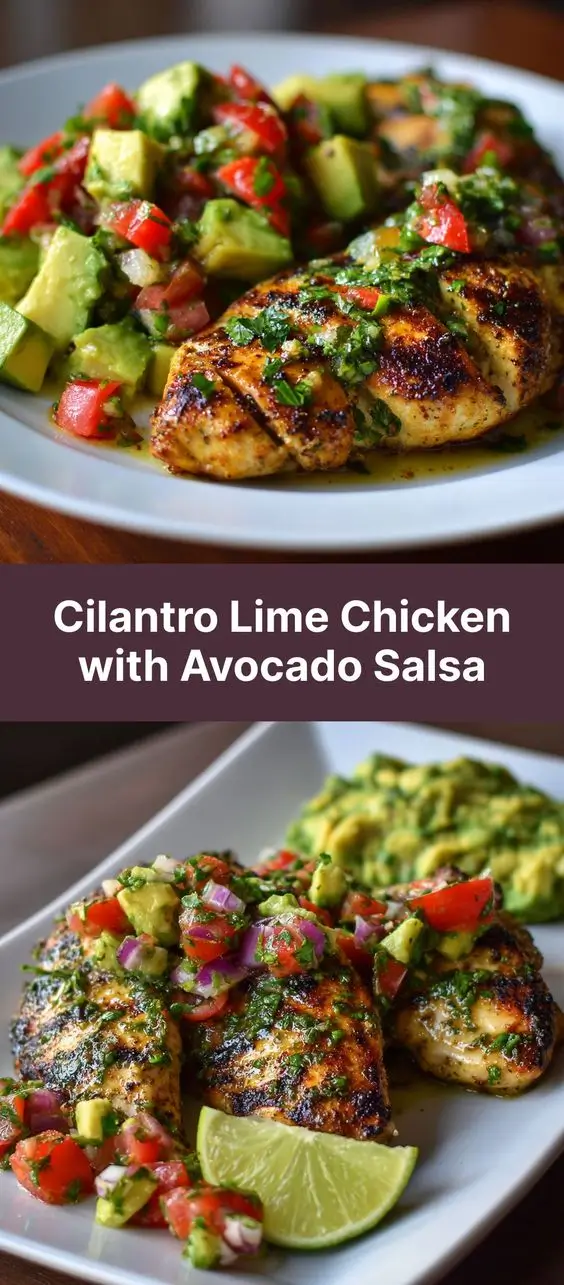
Cilantro Lime Chicken with Avocado Salsa: A Fresh and Flavorful Delight
If you’re looking for a vibrant, zesty, and healthy meal that bursts with bold flavors and fresh ingredients, Cilantro Lime Chicken with Avocado Salsa is the perfect choice. This dish combines tender, citrus-marinated grilled chicken with a bright, creamy avocado salsa that brings together the best of Mexican-inspired cuisine. Whether you’re preparing a weeknight dinner, hosting a backyard barbecue, or packing a nutritious lunch, this recipe delivers on taste, texture, and visual appeal. Let’s dive deep into everything you need to know about making this mouthwatering dish from scratch.
The History
The roots of Cilantro Lime Chicken can be traced back to traditional Latin American and Caribbean cooking, where the use of fresh herbs, citrus juices, and grilled meats has been a culinary staple for centuries. Limes have long been cultivated in tropical regions of Central and South America, and their tangy juice pairs perfectly with bold seasonings like garlic, cumin, and chili. Cilantro, also known as coriander leaves, is another cornerstone of Latin, Asian, and Middle Eastern cuisines, prized for its fresh, citrusy flavor and ability to enhance savory dishes.
In modern times, this dish gained popularity in Tex-Mex and Californian fusion cuisine, especially during the rise of fresh, health-conscious eating in the late 20th century. Restaurants began featuring grilled chicken tacos, burrito bowls, and salads topped with avocado salsa, all highlighting the clean, refreshing profile of cilantro-lime marinades. Today, Cilantro Lime Chicken with Avocado Salsa is a go-to favorite for home cooks who want restaurant-quality flavor with minimal effort and maximum nutrition.
Ingredients Breakdown
To achieve the perfect balance of acidity, heat, creaminess, and protein, it’s essential to understand each ingredient’s role in the recipe:
- Chicken Breasts or Thighs: Boneless, skinless chicken breasts are lean and cook quickly, but thighs offer more moisture and richness due to their higher fat content.
- Fresh Limes: Provide tartness and help tenderize the chicken through natural citric acid. Always use freshly squeezed juice for optimal flavor.
- Fresh Cilantro: Adds a bright, herbal note. The leaves should be vibrant green and free of wilting.
- Garlic: A fundamental aromatic that adds depth and complexity to the marinade.
- Olive Oil: Helps emulsify the marinade, carries flavor, and prevents the chicken from drying out during grilling.
- Honey or Agave (optional): Balances the acidity with a touch of sweetness, enhancing caramelization on the grill.
- Ground Cumin and Chili Powder: Warm spices that give the dish its signature Southwestern flair.
- Avocados: Ripe Hass avocados create a creamy base for the salsa while adding heart-healthy fats.
- Red Onion: Offers a sharp bite and beautiful color contrast in the salsa.
- Jalapeño Pepper: Brings mild to moderate heat; seeds can be removed for less spice.
- Tomatoes: Roma or vine-ripened tomatoes add juiciness and freshness.
- Lime Juice (additional): Prevents avocados from browning and amplifies citrus notes.
- Salt and Black Pepper: Essential for seasoning and bringing all components together.
Step-by-Step Recipe
Marinating the Chicken
- In a large mixing bowl or resealable plastic bag, combine the juice of 3–4 fresh limes (about 1/3 cup), zest of one lime, 1/4 cup chopped fresh cilantro, 3 minced garlic cloves, 1/4 cup olive oil, 1 tablespoon honey, 1 teaspoon ground cumin, 1/2 teaspoon chili powder, 1 teaspoon salt, and 1/2 teaspoon black pepper.
- Whisk or shake well until fully blended.
- Add 4 boneless, skinless chicken breasts (or thighs) to the marinade, ensuring they are fully coated. Seal the bag or cover the bowl and refrigerate for at least 30 minutes — ideally 2 to 4 hours for deeper flavor penetration. Do not exceed 8 hours, as prolonged exposure to lime juice may begin to “cook” the chicken, altering its texture.
Preparing the Avocado Salsa
- While the chicken marinates, prepare the salsa. Dice 2 ripe avocados into small cubes and place them in a medium bowl.
- Add 1/2 cup finely diced red onion, 1 medium tomato (seeded and chopped), 1 jalapeño (finely minced, seeds removed if desired), and 1/4 cup chopped fresh cilantro.
- Squeeze the juice of one lime over the mixture and gently fold everything together using a rubber spatula or spoon to avoid mashing the avocados.
- Season with 1/2 teaspoon salt and a pinch of black pepper. For extra flavor, consider adding a dash of ground cumin or smoked paprika.
- Cover with plastic wrap pressed directly onto the surface of the salsa to minimize oxidation and refrigerate until ready to serve.
Grilling the Chicken
- Preheat your grill (gas or charcoal) to medium-high heat (around 375°F–400°F). Lightly oil the grates to prevent sticking.
- Remove the chicken from the marinade, letting excess drip off. Discard the used marinade.
- Place chicken on the grill and cook for 6–7 minutes per side, depending on thickness, until internal temperature reaches 165°F when checked with a meat thermometer.
- Avoid pressing down on the chicken, which can squeeze out juices and lead to dryness.
- Once cooked, transfer the chicken to a clean plate, tent loosely with foil, and let rest for 5 minutes before slicing. This allows juices to redistribute, resulting in more tender meat.
Serving Suggestions
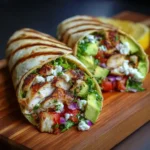
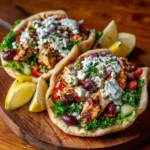
Slice the rested chicken against the grain into thin strips. Serve warm over beds of cilantro-lime rice, quinoa, or cauliflower rice. Spoon generous amounts of chilled avocado salsa on top. Pair with warm tortillas for tacos, layer into burrito bowls with black beans and corn, or serve alongside grilled vegetables for a complete meal.
Tips for Success
- Use Fresh Ingredients: Pre-packaged bottled lime juice lacks the brightness of fresh-squeezed. Similarly, dried cilantro won’t compare to the pungent freshness of the herb straight from the bunch.
- Don’t Over-Marinate: While acidic marinades enhance flavor, too much time (more than 8 hours) can make chicken mushy due to protein breakdown.
- Control the Heat: If grilling indoors using a grill pan or skillet, maintain consistent heat and avoid overcrowding the pan to ensure proper searing.
- Rest the Meat: Skipping the resting phase results in loss of flavorful juices when cutting into the chicken immediately after cooking.
- Prevent Salsa Browning: Press plastic wrap directly onto the salsa surface or add a thin layer of water on top (discard before serving) to limit air exposure.
- Balance Flavors: Taste your salsa before serving. Adjust lime juice for tartness, salt for savoriness, or honey for sweetness if needed.
- Double the Marinade: If planning to baste the chicken while grilling, set aside a portion of the marinade before adding raw chicken.
Variations and Customizations
This versatile recipe lends itself beautifully to creative adaptations based on dietary preferences, seasonal availability, and cultural influences:
- Spicy Version: Add diced serrano peppers or a few dashes of hot sauce like Cholula or Valentina to the salsa. Include crushed red pepper flakes in the marinade for extra kick.
- Mango Avocado Salsa: Incorporate 1 cup of diced fresh mango for a sweet-tart twist that complements the lime perfectly—ideal for summer grilling.
- Pineapple Addition: Grilled pineapple chunks can be folded into the salsa or served alongside the chicken for tropical flair.
- Dairy-Free & Vegan Option: Replace chicken with grilled portobello mushrooms, jackfruit, or tofu marinated in the same cilantro-lime blend.
- Smoky Flavor Boost: Use smoked paprika instead of regular chili powder, or grill over wood chips like mesquite or hickory for added depth.
- Herb Swaps: In regions where cilantro tastes soapy (due to genetic sensitivity), substitute flat-leaf parsley or Thai basil for a similar freshness without the polarizing flavor.
- Cooking Method Alternatives: Bake the chicken at 375°F for 20–25 minutes, pan-sear on the stovetop, or use an air fryer at 370°F for 12–15 minutes for crisp edges.
- Kid-Friendly Twist: Omit jalapeños, reduce garlic, and mix in mild bell peppers or corn to appeal to younger palates.
Health Considerations and Nutritional Value
Cilantro Lime Chicken with Avocado Salsa is not only delicious but also packed with nutrients that support overall wellness:
- Lean Protein Source: Chicken breast provides high-quality protein (about 26g per 3 oz serving), essential for muscle repair, immune function, and satiety.
- Healthy Fats: Avocados contribute monounsaturated fats, which are beneficial for heart health, cholesterol regulation, and nutrient absorption (especially fat-soluble vitamins A, D, E, and K).
- Vitamins and Minerals: This dish is rich in vitamin C (from limes and tomatoes), vitamin K (from cilantro and avocado), potassium (avocado and tomato), and folate (avocado and leafy herbs).
- Antioxidant-Rich: Cilantro contains antioxidants such as quercetin and phenolic acids, which may help reduce inflammation and oxidative stress.
- Low Carb/Keto-Friendly: When served without grains and paired with low-carb sides, this meal fits well within ketogenic and paleo diets.
- Gluten-Free: Naturally gluten-free, making it suitable for individuals with celiac disease or gluten intolerance.
- Digestive Benefits: Lime juice stimulates gastric acid production, potentially aiding digestion, while fiber from avocado and vegetables supports gut health.
Nutritional Estimate (per serving, serves 4):
| Calories | 380 kcal |
| Protein | 34 g |
| Fat | 20 g (mostly unsaturated) |
| Carbohydrates | 15 g |
| Dietary Fiber | 7 g |
| Sugar | 4 g (natural sources) |
| Sodium | 580 mg (adjustable by reducing added salt) |
Note: Values may vary based on ingredient brands, exact measurements, and preparation methods.
Full Ingredients List
For the Cilantro Lime Chicken:
- 4 boneless, skinless chicken breasts (about 1.5 lbs)
- Juice of 3–4 limes (approx. 1/3 cup)
- Zest of 1 lime
- 1/4 cup extra virgin olive oil
- 1/4 cup fresh cilantro, finely chopped
- 3 cloves garlic, minced
- 1 tablespoon honey or agave nectar
- 1 teaspoon ground cumin
- 1/2 teaspoon chili powder
- 1 teaspoon sea salt
- 1/2 teaspoon freshly ground black pepper
For the Avocado Salsa:
- 2 ripe Hass avocados
- 1/2 cup red onion, finely diced
- 1 medium tomato, seeded and diced
- 1 jalapeño pepper, deseeded and minced
- 1/4 cup fresh cilantro, chopped
- Juice of 1 lime
- 1/2 teaspoon salt
- Pinch of black pepper
- (Optional) 1/2 teaspoon ground cumin or smoked paprika
Directions
- Marinate the Chicken: In a bowl or zip-top bag, whisk together lime juice, lime zest, olive oil, chopped cilantro, garlic, honey, cumin, chili powder, salt, and pepper. Add chicken, coat thoroughly, and refrigerate for 30 minutes to 4 hours.
- Prepare the Salsa: Gently combine avocados, red onion, tomato, jalapeño, cilantro, lime juice, salt, and pepper in a bowl. Cover and chill until serving.
- Preheat Grill: Heat outdoor grill or grill pan to medium-high. Oil grates lightly.
- Grill Chicken: Remove chicken from marinade and discard leftover liquid. Grill for 6–7 minutes per side until internal temperature hits 165°F.
- Rest and Slice: Transfer chicken to a plate, tent with foil, and rest for 5 minutes. Slice thinly across the grain.
- Serve: Plate chicken over rice, salad, or tortillas. Top generously with avocado salsa. Garnish with extra cilantro or lime wedges.
FAQ
Can I bake the chicken instead of grilling?
Yes! Bake at 375°F for 20–25 minutes or until internal temperature reaches 165°F. For a grilled effect, broil for the last 2–3 minutes.
How long does the avocado salsa last?
Best consumed within 24 hours. Store in an airtight container with plastic wrap touching the surface to slow browning.
Can I freeze this dish?
Freezing is not recommended for avocado salsa due to texture changes. Cooked chicken can be frozen for up to 3 months; thaw and reheat gently before serving with fresh salsa.
Is this recipe safe for pregnant women?
Yes, as long as the chicken is cooked to 165°F and all produce is washed thoroughly. Avoid unpasteurized dairy additions if included.
What can I do if I don’t have fresh limes?
Bottled lime juice works in a pinch, though flavor will be less vibrant. Lemon juice can substitute, but it alters the profile slightly.
Why is my chicken tough?
Overcooking or using very lean cuts without sufficient marinade time can cause toughness. Try pounding thicker breasts to even thickness before marinating.
Can I make this ahead of time?
Absolutely. Marinate chicken up to 4 hours in advance and prep salsa up to 2 hours before serving for peak freshness.
Summary
Cilantro Lime Chicken with Avocado Salsa is a vibrant, nutrient-packed dish that blends zesty citrus, fragrant herbs, and creamy avocado for a refreshing and satisfying meal. Perfect for grilling season, meal prep, or healthy entertaining, this recipe delivers bold flavor with simple, wholesome ingredients.