Introduction
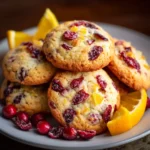
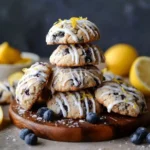
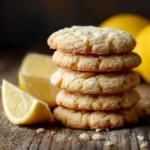
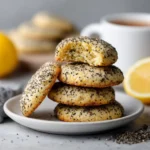
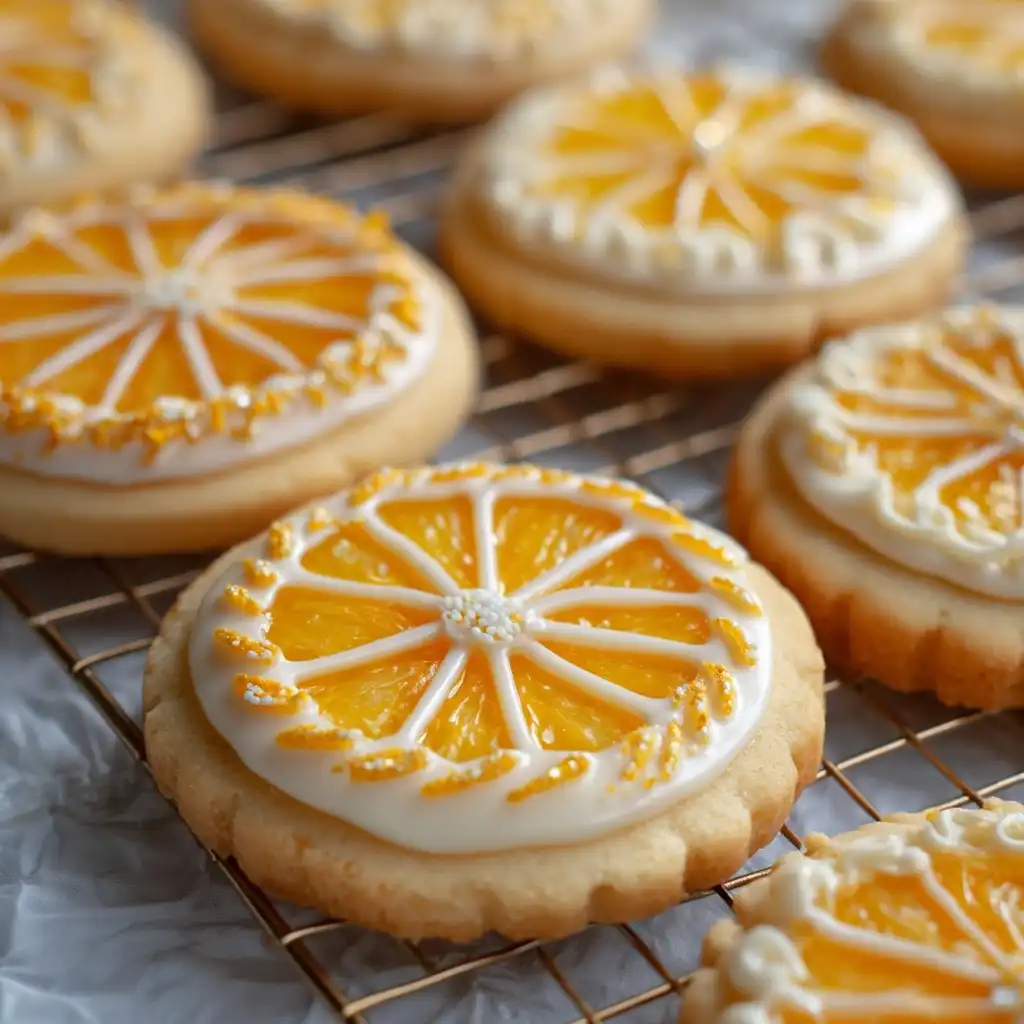
Citrus Butter Cookies are a bright, buttery, and irresistibly aromatic twist on the classic shortbread—elevated with the vibrant essence of fresh citrus. These tender, melt-in-your-mouth cookies strike the perfect balance between rich European-style butteriness and zesty, sun-kissed brightness, making them ideal for holiday platters, afternoon tea service, or anytime you crave something sophisticated yet comforting. Unlike generic lemon cookies, Citrus Butter Cookies honor the full spectrum of citrus—think fragrant orange zest, floral yuzu, tart grapefruit, or even bergamot—allowing bakers to explore nuanced flavor profiles while maintaining structural integrity and delicate crumbliness. Their understated elegance, golden edges, and fine crumb make them as visually refined as they are delicious—equally at home beside a cup of Earl Grey as they are stacked in a hand-painted tin as a thoughtful homemade gift.
The History
The lineage of Citrus Butter Cookies traces back through multiple culinary traditions, converging at the intersection of British shortbread, French sablés, and Mediterranean citrus cultivation. Shortbread itself originated in medieval Scotland as a “biscuit bread”—a twice-baked, unleavened rye loaf that evolved by the 16th century into a refined, butter-forward confection reserved for special occasions like Hogmanay. As citrus fruits—particularly lemons and Seville oranges—became more widely available in Northern Europe following expanded trade routes from the Iberian Peninsula and North Africa in the 17th and 18th centuries, bakers began incorporating zest and juice into sugar-rich doughs to cut richness and add complexity. In Provence, sablés à l’orange appeared in 19th-century farmhouse cookbooks, often made with local olive oil or a blend of butter and citrus-infused honey. Meanwhile, Victorian-era English confectioners experimented with “lemon creams” and “citron biscuits,” using preserved citrus peels and distilled citrus waters. The modern Citrus Butter Cookie, as we know it today—with its emphasis on cold, high-fat European-style butter (82–84% fat), ultra-fine granulated sugar, minimal gluten development, and freshly grated zest rather than extracts—emerged in the late 20th century through the artisanal baking renaissance, championed by chefs like Dorie Greenspan, Alice Medrich, and later, food scientists at King Arthur Baking who emphasized temperature control and ingredient purity. Today, it stands as a global benchmark for citrus-integrated pastry: simple in structure, profound in aroma, and deeply rooted in centuries of cross-cultural exchange.
Ingredients Breakdown
Every element in this recipe is intentionally selected—not only for flavor but for functional impact on texture, shelf life, browning, and mouthfeel:
- Unsalted European-Style Butter (82–84% fat): Higher fat content yields a richer, more tender crumb and superior browning. Cold, cubed butter ensures pockets of steam during baking, contributing to subtle lift and flakiness—even in a shortbread-style cookie. Salt is added separately to ensure precise control over sodium levels.
- Powdered Sugar (10X/Confectioners’ Sugar): Finer crystals dissolve seamlessly into the butter, creating an ultra-smooth, dense, and velvety base without graininess. Its cornstarch content also slightly inhibits gluten formation and contributes to a matte, delicate surface finish.
- Granulated Sugar (optional, small amount): A modest addition (1–2 tbsp) introduces gentle crunch and enhances caramelization at the edges without compromising tenderness.
- All-Purpose Flour (unbleached, 10–11% protein): Provides just enough gluten for cohesion without toughness. For extra refinement, 10–20% cake flour may be substituted to further soften the crumb.
- Fresh Citrus Zest (organic preferred): The essential oil-rich outer peel—never the bitter white pith—is non-negotiable. Zesting before juicing preserves volatile aromatics. One medium lemon yields ~1 tbsp finely grated zest; one navel orange yields ~1½ tbsp. Microplane graters yield the finest, most evenly distributed zest.
- Heavy Cream or Whole Milk (cold): Adds moisture without excess liquid that could activate gluten. Heavy cream (36–40% fat) enriches further and slows spread; milk offers lighter texture. Temperature matters—too warm = greasy dough; too cold = shaggy, hard-to-roll consistency.
- Real Vanilla Extract (double-fold preferred): Complements citrus without masking it. Avoid imitation vanillin, which clashes with bright top notes.
- Fine Sea Salt: Enhances sweetness, balances acidity, and deepens overall flavor perception. Kosher salt is not recommended here due to inconsistent volume-to-weight ratios.
- Optional Additions: A pinch of ground cardamom (0.125 tsp) lifts orange zest; a few drops of rosewater harmonizes with grapefruit; toasted poppy or sesame seeds add textural contrast and nutty depth.
Step-by-Step Recipe
- Chill & Prep: Place butter cubes in the freezer for 15 minutes. Line two half-sheet pans with parchment paper. Measure all dry ingredients and zest citrus—store zest uncovered at room temperature for up to 2 hours to prevent clumping. Chill mixing bowl and whisk attachment (if using stand mixer).
- Cream Butter & Sugars: In a stand mixer fitted with paddle attachment (or large bowl + hand mixer), beat cold butter, powdered sugar, granulated sugar (if using), and salt on medium-low for 2–3 minutes until pale, fluffy, and completely homogenous—no visible butter streaks. Scrape bowl thoroughly. Over-beating warms butter; under-beating leaves grittiness.
- Incorporate Zest & Flavorings: Add citrus zest, vanilla, and any optional spices (e.g., cardamom). Mix on low for 30 seconds to distribute oils evenly throughout the fat matrix—this step infuses the entire dough base with aromatic compounds.
- Add Dry Ingredients: Whisk flour(s) and salt together in a separate bowl. With mixer on lowest speed (or by hand with silicone spatula), gradually add flour mixture in three additions, mixing only until *just* incorporated after each. Do not overmix—gluten development begins at ~45 seconds of continuous mixing. Dough will appear shaggy and slightly crumbly.
- Hydrate Gently: Drizzle cold cream or milk down the side of the bowl while mixer runs on lowest setting—or fold in by hand with spatula—just until dough begins to clump. It should hold together when pinched but not feel wet or sticky. If too dry, add ½ tsp more liquid; if too soft, refrigerate 10 minutes before proceeding.
- Form & Chill Dough: Divide dough in half. On parchment-lined surface, roll each portion into a 1.5-inch diameter log. Wrap tightly in parchment, then plastic wrap. Refrigerate minimum 2 hours (ideally overnight) to fully hydrate flour, firm butter, and mellow flavors. For deeper citrus bloom, chill up to 72 hours.
- Preheat & Slice: Position oven racks in upper and lower thirds. Preheat to 325°F (163°C) — lower temperature prevents over-browning while ensuring even bake-through. Remove logs from fridge 5–7 minutes before slicing (too cold = cracking; too warm = flattening). Using sharp, thin-bladed knife, slice into ¼-inch rounds. Rotate log ¼ turn between cuts for uniform thickness.
- Bake Strategically: Place slices 1.5 inches apart on prepared sheets. Bake 14–17 minutes total—rotate pans top-to-bottom and front-to-back at 8-minute mark. Cookies are done when edges are delicately golden and centers appear set but still slightly soft to the touch—not firm. They will continue to set as they cool.
- Cool & Store: Let cookies rest on pans for 5 minutes, then transfer to wire racks to cool completely (≈30 minutes). Fully cooled cookies achieve optimal snap and flavor clarity. Store airtight at room temperature up to 2 weeks, or freeze unbaked logs up to 3 months.
Tips
- Zest Smart: Always zest citrus at room temperature—it’s easier and yields more oil. Wash fruit thoroughly with vinegar-water solution (1:3) to remove wax and residues. Freeze whole citrus for up to 3 months; thaw partially before zesting for cleaner grating.
- Butter Temperature Is Everything: Butter straight from the fridge (34–38°F / 1–3°C) is ideal. If it feels pliable or leaves an indentation with light finger pressure, it’s too warm. Warm butter causes excessive spread and greasy texture.
- No Overmixing Zone: Once flour hits the mixer, count seconds—not minutes. Stop the moment no dry flour remains. Use bench scraper to gather stray bits instead of continuing to mix.
- Uniform Slicing = Uniform Baking: Chill logs longer if your kitchen exceeds 72°F (22°C). Use dental floss for clean, pressure-free slicing of delicate logs.
- Rotate, Don’t Rearrange: Oven hot spots vary dramatically. Rotating pans—not swapping their positions—ensures consistent airflow and heat exposure.
- Cooling Is Part of Baking: Never skip the 5-minute pan rest. Residual heat finishes internal cooking and sets structure. Rushing leads to breakage and loss of crispness.
- Flour Matters More Than You Think: Weigh flour (120g per cup) rather than scoop-and-level. Humidity affects volume measurements significantly—especially critical in low-moisture doughs.
- Revive Stale Cookies: Place in a single layer on a wire rack inside a turned-off oven with residual heat (~120°F / 49°C) for 8–10 minutes—restores crispness without drying out.
Variations and Customizations
This foundational recipe serves as a canvas for infinite seasonal and cultural reinterpretation—each variation preserving the core principles of butter richness, citrus brightness, and delicate texture:
- Lemon-Rosemary: Substitute 1 tsp finely minced fresh rosemary (needles only) + 1 tbsp lemon zest. Infuse rosemary in melted butter for 10 minutes before chilling and creaming.
- Yuzu-Ginger: Replace half the zest with yuzu (or yuzu powder, 1 tsp), plus 1 tbsp finely grated peeled ginger (squeezed dry) and ¼ tsp ground ginger. Add 1 tsp toasted white sesame seeds pre-slicing.
- Blood Orange–Dark Chocolate: Fold in ⅔ cup finely chopped 70% dark chocolate (tempered or stabilized) and 1 tbsp blood orange zest. Optional: dip cooled cookies halfway in tempered dark chocolate.
- Grapefruit–Thyme–Black Pepper: Use ruby red grapefruit zest, 1 tsp minced fresh thyme, and a generous 12 turns of black pepper mill. Finish baked cookies with flaky Maldon salt.
- Orange–Cardamom–Pistachio: Add ½ tsp freshly ground cardamom, 2 tbsp finely chopped roasted unsalted pistachios, and 1½ tbsp orange zest. Press a whole roasted pistachio onto center of each slice pre-bake.
- Dairy-Free Adaptation: Use high-fat European-style vegan butter (e.g., Miyoko’s or Naturli’) chilled and cubed. Substitute full-fat coconut milk (canned, stirred well) for cream. Increase flour by 1 tbsp to compensate for higher water content.
- Gluten-Free Version: Blend ¾ cup superfine brown rice flour, ¼ cup tapioca starch, ¼ cup potato starch, ¼ cup almond flour, ¼ tsp xanthan gum, and ¼ tsp salt. Chill dough 3+ hours—GF flours require extended hydration.
- Matcha-Citrus Fusion: Replace 1 tbsp flour with ceremonial-grade matcha (sifted twice). Pair with yuzu or Meyer lemon zest. Reduce sugar by 1 tbsp to balance earthy bitterness.
- Spiced Citrus Sablé: Add ¼ tsp ground cinnamon, ⅛ tsp ground cloves, and a pinch of freshly grated nutmeg with the dry ingredients. Best paired with orange or tangerine zest.
- Savory-Citrus Herb Cookies: Omit sugar entirely; increase salt to 1 tsp. Add 2 tbsp finely chopped chives, 1 tbsp lemon zest, and 1 tsp lemon thyme. Serve with cheese boards or charcuterie.
Health Considerations and Nutritional Value
While Citrus Butter Cookies are inherently indulgent—a celebration food rather than everyday fare—their nutritional profile reflects thoughtful ingredient choices and mindful preparation. Per standard 18g cookie (one ¼-inch slice, based on recipe yielding ~48 cookies):
- Calories: ~110–125 kcal (varies with butter fat % and add-ins)
- Total Fat: 7–8g (primarily unsaturated from high-quality butter; contains beneficial CLA and butyrate)
- Saturated Fat: 4.5–5g (within moderate daily limits for heart health when consumed occasionally)
- Carbohydrates: 11–13g (naturally low-glycemic due to absence of refined syrups or juices)
- Sugars: 6–7g (all from added sucrose—no hidden sugars or corn syrup)
- Protein: ~1g (minimal, but supports satiety when paired with dairy or nuts)
- Fiber: Negligible (0.1g), though GF versions with almond or oat flour can provide 0.5–1g per cookie
- Vitamin C & Phytonutrients: Bioavailable antioxidants from fresh citrus zest—including limonene, hesperidin, and naringenin—shown in studies to support vascular function and reduce oxidative stress (though amounts per cookie are modest, cumulative dietary intake matters).
Notable Considerations:
- Butter Quality Impacts Nutrition: Grass-fed butter contains elevated levels of vitamin K2 (menaquinone-4), omega-3s, and conjugated linoleic acid (CLA)—all linked to anti-inflammatory benefits.
- No Artificial Additives: This recipe avoids preservatives, emulsifiers, artificial colors, or synthetic citric acid—relying solely on natural citrus oils for acidity and aroma.
- Glycemic Impact: With no liquid sweeteners and low available glucose, these cookies have a lower glycemic load than many commercial cookies—making them more compatible with balanced blood sugar goals when portion-controlled.
- Allergen Notes: Contains dairy and gluten. Vegan/GF adaptations address key dietary restrictions—but always verify labels on specialty ingredients (e.g., GF oats, vegan butter) for cross-contamination risks.
- Mindful Enjoyment: Nutrition science increasingly emphasizes food synergy and eating context. Paired with herbal tea, fresh fruit, or a small square of dark chocolate, these cookies become part of a pleasurable, intentional ritual—not merely caloric input.
Ingredients
- 1 cup (227g) unsalted European-style butter, cold and cubed (82–84% fat)
- ¾ cup (90g) powdered sugar (10X), sifted
- 1 tablespoon (12g) granulated sugar
- ¼ teaspoon fine sea salt
- 2 tablespoons (6g) finely grated zest (from 1 large lemon OR 1 medium navel orange OR combination)
- 1 teaspoon pure vanilla extract
- 2 cups (240g) unbleached all-purpose flour, spooned & leveled (or 200g AP + 40g cake flour)
- 2–3 tablespoons (30–45g) cold heavy cream or whole milk
Directions
- Place butter cubes in freezer for 15 minutes. Line two half-sheet pans with parchment paper. Grate citrus zest using a microplane; set aside at room temperature.
- In stand mixer fitted with paddle attachment, combine cold butter, powdered sugar, granulated sugar, and salt. Beat on medium-low for 2–3 minutes until pale, smooth, and fluffy—scraping bowl once midway.
- Add citrus zest and vanilla. Mix on low for 30 seconds until fully incorporated and fragrant.
- In separate bowl, whisk together flour and salt. With mixer on lowest speed, gradually add flour mixture in three parts, mixing only until no dry streaks remain after each addition (~10 seconds per addition).
- Drizzle in 2 tbsp cold cream while mixer runs on lowest setting. Mix just until dough begins to clump. If too crumbly, add remaining cream ½ tsp at a time. Dough should hold together when squeezed but not feel wet.
- Divide dough in half. On parchment-lined surface, roll each portion into 1.5-inch-diameter log. Wrap tightly in parchment, then plastic wrap. Refrigerate minimum 2 hours—or up to 72 hours for intensified flavor.
- Preheat oven to 325°F (163°C) with racks in upper and lower thirds. Let chilled logs sit at room temperature 5–7 minutes before slicing.
- Using sharp knife, slice logs into ¼-inch rounds. Place 1.5 inches apart on prepared pans.
- Bake 14–17 minutes, rotating pans top-to-bottom and front-to-back at 8-minute mark, until edges are lightly golden and centers look set but slightly soft.
- Let cookies cool on pans for 5 minutes, then transfer to wire racks to cool completely before storing.
FAQ
- Can I use bottled citrus juice or extract instead of fresh zest?
- No—bottled juice adds unwanted water and acidity that disrupts dough structure and promotes spread; extracts lack the full-spectrum volatile oils responsible for authentic citrus aroma and complexity. Fresh zest is irreplaceable for both flavor and functionality.
- Why do my cookies spread too much?
- Most common causes: butter too warm during mixing or slicing; insufficient chilling of dough logs; oven temperature too high; or excess liquid (cream/milk). Also check if flour was measured by volume without proper spoon-and-level technique—under-flouring is a frequent culprit.
- Can I freeze the baked cookies?
- Yes—but only after they are fully cooled. Layer between parchment in airtight container; freeze up to 3 months. Thaw at room temperature for 30 minutes. For best texture, refresh in 300°F oven for 3–4 minutes before serving.
- What’s the difference between using lemon vs. orange zest?
- Lemon zest delivers high-frequency, tart-crisp top notes with pronounced citral; orange zest offers rounder, sweeter, floral-linalool-driven depth with less acidity. Combining both (e.g., 1 tsp lemon + 1 tsp orange) creates layered complexity—bright yet grounded.
- My dough cracked when slicing—what went wrong?
- Dough was too cold. Let logs temper 2–3 minutes longer. Alternatively, dough may be too dry—add ½ tsp more cream next time. Or, your knife wasn’t sharp enough: use chef’s knife honed to ≤15° angle or dental floss for seamless cuts.
- Can I make these without a stand mixer?
- Absolutely. Use large bowl and pastry cutter or two forks to cut cold butter into sugars until sandy. Then use silicone spatula to fold in dry ingredients and liquid by hand—be extra vigilant about minimal mixing.
- How do I prevent burnt bottoms?
- Use light-colored aluminum half-sheet pans (not dark nonstick or insulated). Double-up pans (one nested inside another) for insulation. Ensure oven is properly calibrated—many run hot; use independent oven thermometer.
- Can I add citrus juice to the dough?
- Not recommended in standard version—it increases hydration, activates gluten, and encourages spread. Save juice for glazes, fillings, or accompanying beverages. If determined, reduce cream by equal amount and add juice last—expect slightly softer texture.
- Why does the recipe specify European-style butter?
- Higher fat (≥82%) means less water—less steam during baking, reduced risk of toughness or sogginess, richer mouthfeel, and superior browning via Maillard reaction. American butter (80% fat) works, but results will be slightly less tender and flavorful.
- Are these cookies suitable for Passover or other religious observances?
- Not inherently—they contain chametz (leavened grain). However, a certified kosher-for-Passover version can be made using matzo cake meal + potato starch blend (consult rabbinic authority for precise ratios) and kosher-for-Passover butter. Always verify all ingredients carry reliable certification.
Summary
Citrus Butter Cookies are a masterclass in minimalist luxury—where the purity of cold, cultured butter meets the electric vibrancy of freshly grated citrus zest, all bound by precise technique and patient chilling. They reward attention to detail, celebrate seasonality, and deliver an experience that is at once nostalgic and refreshingly modern.
Whether enjoyed plain with a steaming mug of jasmine green tea or adorned with edible blossoms and artisanal sea salt, each bite affirms that the most profound pleasures often reside in the simplest, most thoughtfully executed gestures—like the quiet alchemy of butter, sugar, flour, and sun-ripened fruit.