Introduction
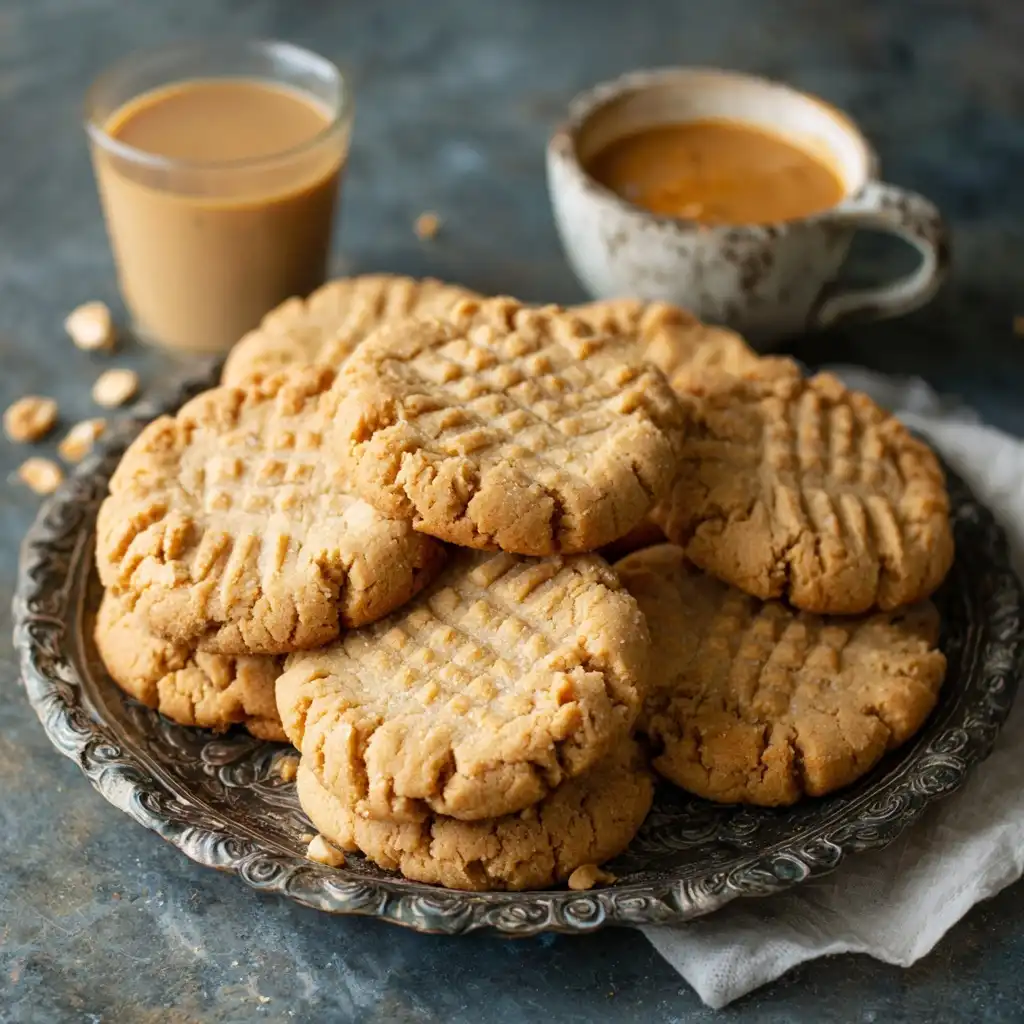
Classic Peanut Butter Cookies are the timeless, beloved staple of American baking—warm, nostalgic, and deeply satisfying. With their signature crisscross pattern, tender-yet-chewy texture, and rich, nutty aroma, these cookies evoke childhood lunchboxes, holiday cookie platters, and cozy Sunday afternoons. Unlike many modern variations that rely on elaborate add-ins or gourmet twists, the classic version celebrates simplicity: just a handful of pantry staples transformed through precise technique into something profoundly comforting. Whether you’re a first-time baker or a seasoned pro, mastering this recipe is a rite of passage—and once you nail the balance of sweetness, salt, and peanut butter intensity, you’ll understand why generations have returned to this recipe again and again.
The History
The origins of the peanut butter cookie trace back to the late 19th and early 20th centuries, emerging alongside the industrialization of peanut processing and the rise of home economics in the United States. While peanuts were cultivated in South America for millennia, it wasn’t until Dr. John Harvey Kellogg patented a process for making peanut paste in 1895—and later George Washington Carver’s extensive agricultural research and promotion of peanuts as a crop alternative—that peanut butter entered mainstream American kitchens. The earliest known printed recipe for peanut butter cookies appeared in the 1916 edition of *The Boston Cooking-School Cook Book* by Fannie Farmer, though it was relatively obscure. It wasn’t until the 1930s—amid the Great Depression—that peanut butter cookies gained widespread popularity, valued for their affordability, high protein content, and shelf-stable ingredients. The iconic fork-crossed design? First documented in the 1932 *Schneider’s Cookbook*, where the crisscross pattern was introduced not only for visual appeal but also to ensure even baking and proper flattening of the dense dough. By the 1950s, the recipe had been standardized in major publications like *Betty Crocker’s Picture Cook Book* and *The Joy of Cooking*, cementing its status as a foundational American cookie. Today, it remains a cultural touchstone—featured in films, literature, and even U.S. presidential campaign trail snacks—and continues to evolve while staying rooted in its humble, hearty heritage.
Ingredients Breakdown
Every ingredient in a classic peanut butter cookie plays a deliberate, functional role—not just flavor, but structure, moisture control, leavening, and mouthfeel. Understanding why each is included empowers bakers to troubleshoot, substitute wisely, and elevate results:
- Peanut Butter (1 cup, smooth or creamy): The heart and soul—provides fat, protein, flavor, and binding power. Opt for 100% natural peanut butter (just peanuts + salt) for authentic taste and optimal spread control; avoid “no-stir” varieties with added hydrogenated oils, which can cause greasiness or uneven texture. Creamy yields softer, more uniform cookies; crunchy adds subtle textural contrast but may slightly reduce dough cohesion.
- Granulated Sugar (¾ cup): Adds sweetness, aids in caramelization during baking, and contributes to crisp edges. Its fine crystals dissolve easily and help create the signature slight crunch around the perimeter.
- Brown Sugar (¾ cup, packed light or dark): Provides moisture, chewiness, and molasses-derived depth. Dark brown sugar intensifies flavor with notes of caramel and toffee; light brown delivers milder warmth. Packing ensures accurate volume and moisture retention.
- Unsalted Butter (½ cup, softened): Adds richness, tenderness, and flakiness potential. Softened (not melted) butter creams smoothly with sugars to trap air—critical for lift and delicate crumb. Unsalted allows full sodium control, especially important given peanut butter’s inherent salt content.
- Large Egg (1, room temperature): Acts as binder, emulsifier, and moisture source. Room temperature ensures even incorporation and prevents re-solidification of butter. The yolk contributes fat and richness; the white adds structure and slight chew.
- Vanilla Extract (1 tsp, pure): Enhances overall aroma and rounds out peanut’s earthiness. Imitation vanilla lacks complexity and can taste artificial against bold peanut butter.
- All-Purpose Flour (1¾ cups, spooned & leveled): The structural backbone. Too much leads to dryness and toughness; too little causes excessive spread. Spooning flour into the measuring cup (rather than scooping) prevents compaction and over-measuring—a common cause of dense cookies.
- Baking Soda (1 tsp): The sole leavening agent—reacts with brown sugar’s acidity to produce carbon dioxide, encouraging gentle rise and airy tenderness. Freshness is non-negotiable; test by mixing ¼ tsp with 2 tsp vinegar—if it doesn’t bubble vigorously, replace it.
- Ground Salt (½ tsp, fine sea or kosher): Not merely for seasoning—it amplifies all other flavors, balances sweetness, and strengthens gluten just enough for cohesion without chewiness. Omitting salt risks flat, cloying results.
Optional—but highly recommended—for authenticity: a pinch of freshly ground cinnamon (⅛ tsp) to subtly deepen warmth without straying from “classic” status.
Step-by-Step Recipe
- Prep & Preheat: Position oven racks in the upper and lower thirds. Preheat oven to 350°F (175°C). Line two large baking sheets with parchment paper or silicone baking mats—never grease directly, as excess fat encourages spreading and sticking.
- Cream Butter & Sugars: In a large bowl, beat softened unsalted butter, granulated sugar, and brown sugar with an electric mixer on medium speed for 2–3 minutes until pale, fluffy, and completely homogeneous—scraping the bowl halfway. Proper creaming incorporates air, which translates to lift and delicate texture.
- Add Wet Ingredients: Beat in peanut butter until fully integrated (about 45 seconds). Add egg and vanilla; beat on medium-low for 60–90 seconds until smooth and slightly glossy. Avoid overmixing past this point to prevent gluten development.
- Whisk Dry Ingredients: In a separate medium bowl, whisk together flour, baking soda, and salt thoroughly—ensuring even distribution of leavener and salt, critical for consistent rise and seasoning.
- Combine Gradually: Reduce mixer speed to low. Add dry ingredients in three equal additions, mixing only until no streaks remain after each addition—approximately 15–20 seconds per addition. Stop immediately when the dough just comes together; it will be soft, slightly sticky, and hold its shape when pinched. Overmixing = tough cookies.
- Chill (Non-Negotiable Step): Cover bowl tightly and refrigerate dough for at least 60 minutes—or up to 72 hours. Chilling solidifies fats, slows spread, enhances flavor melding, and makes portioning manageable. Skipping this step guarantees thin, greasy, irregular cookies.
- Portion & Score: Scoop chilled dough using a 1.5-tablespoon cookie scoop (or level tablespoon) into 1½-inch balls. Place 2 inches apart on prepared sheets. Using a fork dipped lightly in flour (to prevent sticking), press each ball firmly in one direction, rotate 90°, then press again to create the deep, clean crisscross pattern—pressing to about ½-inch thickness. This scoring controls expansion and ensures even baking.
- Bake Strategically: Bake one sheet at a time in center of oven for 10–12 minutes. Rotate pan front-to-back halfway through. Cookies are done when edges are set and lightly golden, centers appear puffed and matte (not shiny), and surface feels just barely firm to gentle fingertip pressure. They will look underdone—but carryover cooking finishes them as they cool. Overbaking dries them out instantly.
- Cool Completely: Let cookies rest on baking sheet for exactly 5 minutes—this sets their structure. Then carefully transfer to wire racks using a thin spatula. Cool completely (at least 30 minutes) before storing or serving. Warm cookies are fragile and crumble easily; cooling completes starch gelatinization and locks in chewiness.
Tips
- Measure Flour Accurately: Use the “spoon-and-level” method religiously—fluff flour in bag, spoon into measuring cup, then level with straight edge. A kitchen scale is ideal: 1¾ cups AP flour = 210g.
- Control Peanut Butter Consistency: If using natural peanut butter that separates, stir vigorously in the jar for 2+ minutes until uniformly creamy. For best results, refrigerate stirred jar overnight before baking—this stabilizes oil content.
- Room-Temperature Egg Matters: Cold eggs can cause butter to seize. To warm quickly: submerge whole egg in warm (not hot) tap water for 5 minutes.
- Fork Technique Matters: Chill your fork in the freezer for 5 minutes before scoring—cold metal prevents dough sticking and yields sharper, cleaner lines.
- Batch Baking Hack: Bake one sheet, then while it cools, portion and score the next batch. Keep un-baked dough covered and chilled until ready to bake—prevents warming and spreading.
- Oven Thermometer Essential: Most home ovens run hot or cold. An inexpensive oven thermometer ensures accuracy—350°F is critical; even 25°F variance alters spread and texture dramatically.
- Don’t Skip the 5-Minute Rest: This brief stay on the hot sheet allows residual heat to finish setting the bottom and structure. Removing too soon causes breakage; leaving longer dries edges.
- Storage Wisdom: Store cooled cookies in an airtight container at room temperature for up to 1 week. Add a slice of plain white bread to maintain softness—the cookies absorb ambient moisture from the bread, staying chewy. Replace bread every 2 days.
- Freeze Like a Pro: Portion dough balls onto a parchment-lined tray, freeze solid (2 hours), then transfer to freezer bag. Bake straight from frozen—add 1–2 minutes to bake time. Dough keeps for 3 months.
- Revive Stale Cookies: Place in a preheated 300°F oven for 3–4 minutes—they’ll regain crisp edges and soft centers.
Variations and Customizations
While the classic formula is sacred, thoughtful adaptations preserve integrity while offering delightful nuance—ideal for holidays, dietary needs, or creative expression:
- Honey-Roasted Peanut Butter Version: Substitute ¼ cup of the peanut butter with honey-roasted peanut butter (stirred smooth) and add 2 tbsp honey to wet ingredients. Yields deeper caramel notes and subtle crunch if chopped roasted peanuts are folded in (¼ cup).
- Flour Alternatives: For gluten-free: use 1:1 certified GF all-purpose blend (like Bob’s Red Mill) + ½ tsp xanthan gum. For whole grain depth: replace ½ cup AP flour with white whole wheat flour—adds nuttiness without heaviness.
- Salt-Forward Gourmet: Swap table salt for flaky Maldon or smoked sea salt; sprinkle a tiny pinch atop each scored cookie pre-bake for sophisticated salinity that cuts sweetness.
- Spiced Classic: Add ½ tsp ground cinnamon + ¼ tsp ground ginger to dry ingredients—warm but not spicy, enhancing peanut’s natural earthiness.
- Miniature Cookies: Use a 1-teaspoon scoop and bake 7–9 minutes. Perfect for parties, lunchboxes, or portion control—retain all classic texture in bite-sized form.
- Stuffed Surprise: Press ¼ tsp of jam (strawberry or raspberry), a square of dark chocolate, or a whole roasted peanut into the center of each dough ball before scoring—creates a luxurious, gooey core.
- Vegan Adaptation: Use vegan butter (Miyoko’s or Earth Balance), flax egg (1 tbsp ground flax + 2.5 tbsp water, rested 5 min), and certified vegan peanut butter. Increase baking soda to 1¼ tsp for optimal rise.
- Low-Sugar Option: Replace ¼ cup each granulated and brown sugar with coconut sugar (adds molasses tone) and use monk fruit sweetener blend (½ cup total) — texture remains close, though spread may increase slightly; chill dough 90+ minutes.
- Espresso-Kissed: Dissolve 1 tsp instant espresso powder in vanilla extract before adding. Deepens umami, complements peanut butter’s richness without tasting “coffee-like.”
- Breakfast Cookie Twist: Stir in ¼ cup old-fashioned oats, 2 tbsp ground flaxseed, and 1 tbsp chia seeds. Slightly heartier, fiber-rich, and still undeniably peanut-buttery.
Health Considerations and Nutritional Value
A single classic peanut butter cookie (approx. 2.5″ diameter, ~30g) contains roughly 145–160 calories, with nutritional composition varying based on ingredient choices and portion size. Key highlights include:
- Protein Powerhouse: ~4–5g protein per cookie—primarily from peanut butter and egg—supports satiety and muscle maintenance. Natural peanut butter offers heart-healthy monounsaturated fats (≈7g per cookie), linked to reduced LDL cholesterol.
- Carbohydrates & Sugars: ≈16–18g total carbs, with 9–11g naturally occurring sugars (brown sugar, molasses) plus added sucrose. Low-glycemic index peanuts help moderate blood sugar response compared to refined-sugar-only cookies.
- Fiber Content: ~1–1.5g per cookie (mainly from peanut butter and brown sugar’s molasses)—modest but beneficial for digestive health. Boost significantly with whole grain flour or added oats/seeds.
- Sodium Awareness: ≈120–160mg sodium—largely from peanut butter and added salt. Those on sodium-restricted diets can reduce added salt to ¼ tsp and choose low-sodium peanut butter (check labels: <100mg/serving).
- No Artificial Additives: When made from scratch with whole ingredients, these cookies contain zero preservatives, artificial colors, or high-fructose corn syrup—unlike most store-bought versions.
- Dietary Notes: Naturally cholesterol-free (if using plant-based butter); easily adapted for vegan, gluten-free, or nut-allergy-safe versions (substitute sunflower seed butter—ensure top allergen labeling compliance). Not suitable for strict keto (too many net carbs), but lower-carb options exist via erythritol blends and almond flour adjustments.
- Mindful Enjoyment: These cookies offer psychological nourishment—comfort, nostalgia, ritual—that contributes meaningfully to holistic well-being. Pairing one with a glass of unsweetened almond milk or Greek yogurt transforms it into a balanced snack.
As with any treat, moderation is key—but nutritionally, classic peanut butter cookies stand out for their real-food foundation, functional fats, and protein density, making them a far more nutrient-dense choice than many commercially processed alternatives.
Ingredients
- ½ cup (1 stick / 113g) unsalted butter, softened to cool room temperature (65–68°F)
- ¾ cup (150g) granulated sugar
- ¾ cup (165g) packed light brown sugar
- 1 cup (250g) smooth, natural peanut butter (ingredients: peanuts, salt only)
- 1 large egg, room temperature
- 1 teaspoon pure vanilla extract
- 1¾ cups (210g) all-purpose flour, spooned & leveled
- 1 teaspoon aluminum-free baking soda
- ½ teaspoon fine sea salt or kosher salt
Directions
- Preheat oven to 350°F (175°C) with racks in upper and lower thirds. Line two large baking sheets with parchment paper or silicone baking mats.
- In a large bowl, beat softened butter, granulated sugar, and brown sugar with an electric mixer on medium speed for 2–3 minutes until light, fluffy, and thoroughly combined. Scrape bowl halfway through.
- Add peanut butter and beat on medium for 45 seconds until smooth and homogenous.
- Add egg and vanilla; beat on medium-low for 60–90 seconds until fully incorporated and slightly glossy.
- In a separate medium bowl, whisk together flour, baking soda, and salt until no streaks remain.
- Reduce mixer speed to low. Add dry ingredients in three equal portions, mixing only until no flour pockets remain after each addition—about 15–20 seconds per addition. Stop as soon as dough comes together; do not overmix.
- Cover bowl tightly with plastic wrap and refrigerate for at least 60 minutes (up to 72 hours).
- Using a 1.5-tablespoon cookie scoop or tablespoon, portion chilled dough into 1½-inch balls. Place 2 inches apart on prepared sheets.
- Dip a fork in flour, then press each ball firmly in one direction. Rotate fork 90°, dip again in flour, and press again to create a deep crisscross pattern—pressing to ½-inch thickness.
- Bake one sheet at a time in center of oven for 10–12 minutes, rotating pan front-to-back halfway through. Cookies are done when edges are set and lightly golden, centers are puffed and matte (not shiny), and surface feels just barely firm to gentle touch.
- Let cookies cool on baking sheet for exactly 5 minutes. Carefully transfer to wire racks using a thin spatula. Cool completely before storing or serving (minimum 30 minutes).
FAQ
- Why did my cookies spread too much?
- Most commonly due to insufficient chilling (dough must be cold), softened butter that was too warm (>70°F), using “no-stir” peanut butter with added oils, or over-measuring flour (which paradoxically increases spread by reducing structure). Ensure all fats are properly chilled and measure flour precisely.
- Can I use crunchy peanut butter?
- Yes—but expect slightly less uniform texture and marginally more spread. Stir well to distribute peanuts evenly, and chill dough 10–15 minutes longer. The cookies will be delicious, just with pleasant textural variation.
- My cookies turned out dry/crumbly—what went wrong?
- Overbaking is the #1 culprit—even 30 extra seconds dries them out. Also check for over-measuring flour, using melted instead of softened butter, or substituting oil for butter (oil lacks structure-building solids). Always err on the side of underbaking.
- Can I make these dairy-free?
- Absolutely. Substitute unsalted butter with an equal amount of high-quality vegan butter (e.g., Miyoko’s or Earth Balance Soy-Free). Ensure peanut butter is dairy-free (most natural brands are). Results are nearly indistinguishable.
- How do I get perfectly crisp edges AND chewy centers?
- It’s all in the sugar ratio and bake time. Brown sugar’s moisture + granulated sugar’s caramelization + precise 10–12 minute bake at 350°F creates the ideal contrast. Underbake slightly—centers should look soft and matte when removed.
- Can I double the recipe?
- Yes—with caveats. Double all ingredients, but chill dough in two separate bowls or divide into two portions before chilling to ensure even cooling. Use separate baking sheets and rotate pans between batches. Do not triple—mixing becomes inconsistent.
- Why do I need both granulated AND brown sugar?
- Granulated sugar promotes spreading and crispness; brown sugar retains moisture and adds chew. Together, they create the signature texture profile—neither alone achieves the same balance.
- Can I freeze baked cookies?
- Yes! Cool completely, layer between parchment paper in an airtight container or freezer bag. Freeze up to 3 months. Thaw at room temperature for 30 minutes or refresh in 300°F oven for 4 minutes.
- What’s the best peanut butter brand to use?
- Look for 100% natural: just peanuts + salt (e.g., Smucker’s Natural, Teddie, Santa Cruz Organic). Avoid palm oil or hydrogenated vegetable oils—they destabilize dough. Store-brand natural varieties work well if stirred thoroughly.
- My crisscross pattern disappeared while baking—why?
- Either dough was too warm (chill longer), fork wasn’t floured enough (causing sticking and dragging), or pressing wasn’t firm/deep enough. Chill fork briefly and press with confident, even pressure to ½-inch thickness.
Summary
Classic Peanut Butter Cookies are a masterclass in minimalist baking—where six core ingredients, precise technique, and patient chilling converge to yield irresistibly chewy, deeply nutty, nostalgically perfect cookies with crisp edges and tender centers. Rooted in early 20th-century ingenuity and perfected over decades, this recipe honors tradition while inviting thoughtful customization—from gluten-free adaptations to gourmet salt finishes—without ever losing its soul.
Whether baked for comfort, celebration, or quiet reflection, each fork-scored cookie is more than a treat—it’s edible heritage, science-made-simple, and a delicious reminder that the most enduring joys are often the simplest, most sincerely made.