Introduction
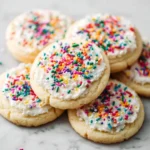
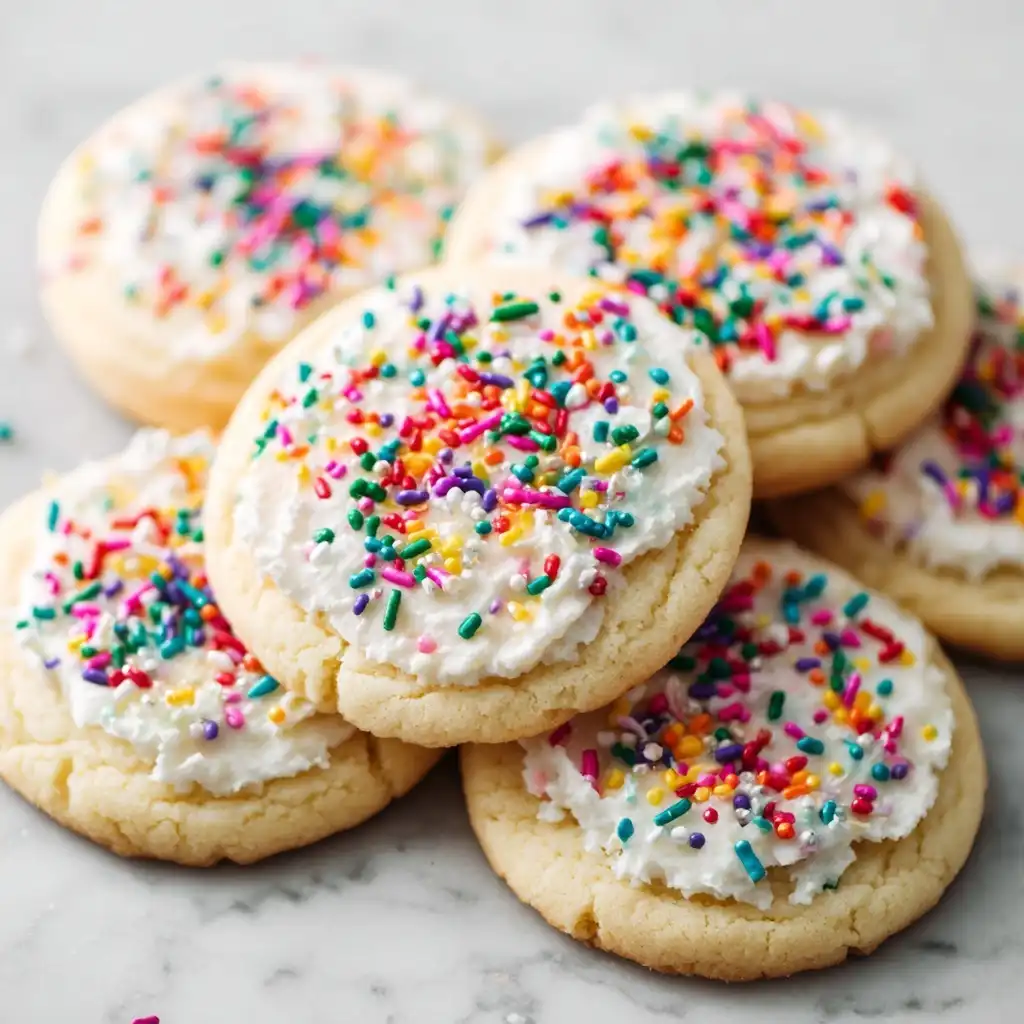
Classic sugar cookies are the timeless cornerstone of American baking—simple, buttery, tender, and endlessly adaptable. With their delicate sweetness, subtle vanilla aroma, and satisfying snap or soft-chew texture (depending on preparation), they evoke childhood holidays, cookie swaps, and cozy afternoons with milk. Unlike heavily spiced gingerbread or rich chocolate chip cookies, sugar cookies shine through purity of flavor and precision in technique: a harmonious balance of butter, sugar, flour, and leavening that transforms into golden-edged delights when baked just right. Whether cut into festive shapes and decorated with royal icing or baked as simple rounds with a light sprinkle of coarse sugar, these cookies carry generations of tradition—and still feel fresh with every batch.
The History
The origins of the sugar cookie trace back centuries, evolving through European confectionery traditions before becoming an American staple. Early versions appeared in 17th-century England and the Netherlands, where “jumbles”—dense, spiced, boiled-sugar-based cookies—were popular. Dutch settlers brought similar recipes to New Amsterdam (modern-day New York) in the 1600s, and by the 18th century, colonial American cooks began adapting them using locally available ingredients like brown sugar, molasses (in early iterations), and later, refined white sugar as it became more affordable. The modern sugar cookie as we know it—leavened, rolled, and cut—gained prominence in the mid-to-late 19th century, aided by the invention of chemical leaveners like baking soda (1840s) and baking powder (1850s). The 1931 publication of The Joy of Cooking cemented its place in American kitchens with a reliable, no-fail recipe. Its popularity surged during the Great Depression and WWII due to its economical ingredients and versatility—bakers used minimal eggs and butter (often rationed) while still achieving delightful results. Today, sugar cookies remain central to holiday traditions—from Christmas tree ornaments made from dough to Valentine’s Day heart-shaped treats—and have inspired countless global interpretations, from Swedish sockerbitar to Mexican polvorones-inspired variations.
Ingredients Breakdown
Every ingredient in classic sugar cookies plays a distinct, non-negotiable role—not just for flavor, but for structure, texture, and chemistry:
- Unsalted Butter (1 cup / 2 sticks / 227g): Provides richness, tenderness, and flakiness. Using unsalted butter ensures precise control over sodium content and avoids off-flavors from aged salted butter. Room-temperature butter (65–68°F) is essential for proper creaming—it traps air bubbles that expand during baking, yielding lift and lightness. Cold butter leads to dense cookies; melted butter creates spread and greasiness.
- Granulated Sugar (1 ½ cups / 300g): Delivers sweetness, aids in creaming to incorporate air, and contributes to browning (via caramelization) and crisp edges. Its fine crystals cut into the butter to create tiny pockets of air—critical for texture. Powdered sugar yields a different, more fragile cookie (often used in shortbread-style variants), but granulated is standard for classic chew-crisp balance.
- Egg (1 large, ~50g without shell): Adds moisture, structure (via proteins), emulsification (binding fat and water), and slight leavening. The yolk enriches flavor and tenderness; the white adds elasticity. Cold eggs can cause the creamed mixture to seize—always use room-temperature eggs.
- Pure Vanilla Extract (2 tsp): Not imitation—real vanilla provides complex floral, woody, and creamy notes that elevate the entire profile. Alcohol-based extract also helps distribute fat-soluble flavors evenly. For deeper nuance, some bakers add ¼ tsp almond extract alongside vanilla.
- All-Purpose Flour (3 cups / 360g, spooned & leveled): The structural backbone. Protein content (~10–12%) offers enough gluten development for cohesion without toughness. Overmixing or overmeasuring flour leads to dry, crumbly cookies—always spoon flour into the measuring cup and level with a straight edge. Sifting is optional but recommended if flour has settled or lumps exist.
- Baking Soda (½ tsp): A fast-acting alkaline leavener that reacts immediately with acidic components (like the egg’s proteins and trace acids in butter) to produce carbon dioxide—creating lift and spread control. It also promotes browning via the Maillard reaction. Too much causes bitterness and metallic aftertaste; too little yields dense, flat cookies.
- Finely Ground Salt (½ tsp): Enhances all other flavors, balances sweetness, and subtly strengthens gluten for better dough integrity. Fine sea salt or kosher salt (if measured by weight) ensures even distribution. Omitting salt flattens the flavor profile significantly.
Optional but highly recommended for finishing: Coarse sanding sugar or turbinado sugar—sprinkled on dough rounds before baking—for sparkling visual appeal and delicate crunch.
Step-by-Step Recipe
- Prep & Chill Equipment: Place mixing bowls, whisk, spatula, and baking sheets in the refrigerator for 10–15 minutes. Cold surfaces help maintain dough temperature during handling.
- Cream Butter & Sugar: In a large bowl using a stand mixer fitted with the paddle attachment (or hand mixer), beat room-temperature unsalted butter and granulated sugar on medium speed for 3–4 minutes until pale, fluffy, and noticeably increased in volume. Scrape down the bowl halfway through. This step is non-negotiable—proper aeration creates lift and tenderness.
- Incorporate Egg & Vanilla: Add the room-temperature egg and pure vanilla extract. Beat on medium-low for 1 minute until fully emulsified and smooth—no streaks of egg should remain. Overbeating at this stage can lead to excess gluten development later.
- Whisk Dry Ingredients: In a separate medium bowl, thoroughly whisk together the all-purpose flour, baking soda, and fine salt until homogenous and aerated. This ensures even distribution and prevents pockets of leavener or salt.
- Gradual Dry Incorporation: With mixer on low speed, slowly add the dry ingredients in three equal additions, mixing only until *just* combined after each. Pause to scrape the bowl and paddle thoroughly. Stop mixing the moment no dry streaks remain—even a few small flour specks are preferable to overmixing, which develops gluten and causes toughness.
- Chill Dough (Critical Step): Divide dough in half. Shape each portion into a 1-inch-thick disc. Wrap tightly in parchment paper, then plastic wrap (to prevent freezer burn and odor absorption). Refrigerate for *at least 2 hours*, preferably 3–4 hours or overnight. Chilling solidifies butter, relaxes gluten, prevents excessive spread, enhances flavor development, and makes rolling infinitely easier.
- Preheat & Prep: Position oven racks in upper and lower thirds. Preheat oven to 350°F (175°C) for *at least 20 minutes*—accurate temperature is vital. Line baking sheets with parchment paper or silicone baking mats (never greased bare metal—causes uneven browning and sticking).
- Roll & Cut: On a lightly floured surface (use 1–2 tsp extra flour only if needed), roll one chilled disc to a uniform ¼-inch thickness. Rotate dough 90° every 2–3 rolls to prevent sticking and ensure even thickness. Use floured cookie cutters for clean edges. Reroll scraps only once—multiple rerolls toughen the dough.
- Transfer & Chill Again: Gently lift cutouts with a thin metal spatula and place 2 inches apart on prepared baking sheets. Return sheets to refrigerator for 10 minutes while rolling the second disc. This secondary chill further prevents spread.
- Bake Strategically: Bake one sheet at a time in the center of the preheated oven for 10–12 minutes. Rotate sheet front-to-back at 6-minute mark. Cookies are done when edges are set and lightly golden, centers appear puffed and *just* losing their raw sheen—but not browned. They will continue to set on the hot sheet.
- Cool Completely: Let cookies rest on baking sheet for 5 minutes to finish setting, then transfer to wire racks to cool completely before storing or decorating. Warm cookies are fragile and prone to breaking.
Tips
- Temperature Is Everything: Butter must be cool-room-temp—not warm or oily. If your kitchen exceeds 72°F, chill butter for 15 minutes after cutting into cubes before creaming. Likewise, eggs should be taken from the fridge 30 minutes prior—or gently warmed in lukewarm water for 5 minutes.
- Weigh Your Ingredients: Volume measurements vary wildly—especially flour. A digital kitchen scale (measuring in grams) eliminates inconsistency and guarantees repeatable results. 360g flour = perfect texture every time.
- No Overmixing, Ever: Once flour hits the batter, mix only until incorporated. Gluten formation begins immediately upon hydration—overmixing = tough, cardboard-like cookies.
- Chill Twice, Bake Once: First chill firms butter and relaxes gluten; second chill (after cutting) ensures sharp edges and minimal spread. Skipping either compromises shape and texture.
- Rotate & Monitor Batches: Ovens have hot spots. Always rotate sheets, and bake in batches—not stacked. If baking multiple sheets, stagger placement and swap top/bottom racks halfway through.
- Don’t Rush Cooling: Removing cookies too soon causes breakage. Let them firm up on the sheet—they’re deceptively fragile when hot.
- Freeze for Freshness: Portion dough into discs, freeze solid (2 hours), then vacuum-seal or double-wrap in freezer bags. Keeps up to 3 months. Thaw overnight in fridge before rolling—no need to bring to room temp.
- Flour Surface Lightly: Excess flour absorbs butter and dries out dough. Dust rolling surface *only* as needed—and brush off excess before cutting.
- Use Parchment, Not Wax Paper: Wax paper melts and smokes in the oven. Parchment is heat-safe and non-stick.
- Calibrate Your Oven: Use an independent oven thermometer—many built-in thermostats are inaccurate by ±25°F, leading to under/over-baked cookies.
Variations and Customizations
While the classic version is beloved, sugar cookies serve as a versatile canvas for creativity—without sacrificing their foundational integrity:
- Lemon or Orange Sugar Cookies: Add 1 tbsp finely grated citrus zest + 1 tsp citrus juice (reduce vanilla by ½ tsp) to wet ingredients. Zest oils infuse bright, aromatic notes; juice adds subtle tang. Pair with lemon glaze or white chocolate drizzle.
- Almond Sugar Cookies: Substitute 1 tsp almond extract for half the vanilla. Optional: Add ¼ cup finely chopped toasted almonds to dough for texture. Complement with marzipan filling or almond bark topping.
- Oatmeal Sugar Cookies: Replace ½ cup flour with ½ cup old-fashioned rolled oats (not instant or steel-cut). Adds chewy heartiness and nutty depth—ideal for fall baking.
- Spiced Sugar Cookies: Add 1 tsp ground cinnamon, ¼ tsp ground ginger, and a pinch of freshly grated nutmeg to dry ingredients. Warm and comforting—great with apple butter dip.
- Chocolate-Dipped Sugar Cookies: After cooling, dip half of each cookie in tempered dark, milk, or white chocolate. Sprinkle with sea salt, crushed peppermint, or toasted coconut before chocolate sets.
- Gluten-Free Sugar Cookies: Use a 1:1 gluten-free flour blend *with xanthan gum included*. Add ½ tsp xanthan gum if blend doesn’t contain it. Chill dough 1 hour longer—GF flours absorb liquid slower.
- Vegan Sugar Cookies: Replace butter with vegan butter (Miyoko’s or Earth Balance sticks, not tub), egg with 3 tbsp aquafaba or flax egg (1 tbsp ground flax + 2.5 tbsp water), and use plant-based milk (1 tbsp) if dough seems dry. Chill extra long—vegan fats soften faster.
- Decorated Cut-Out Cookies: Roll dough to ⅜-inch thickness for sturdier cookies that hold intricate details. Use royal icing (meringue powder + powdered sugar + water) for flooding and piping. Allow 24 hours for full drying before stacking.
- Savory-Sweet Herb Cookies: Add 1 tbsp finely chopped fresh rosemary or lavender buds (culinary grade) and reduce sugar to 1 cup. Pairs beautifully with honey butter or goat cheese frosting.
- Everything Bagel Sugar Cookies: Press everything bagel seasoning onto dough rounds before baking—unexpected crunch and umami-sweet contrast.
Health Considerations and Nutritional Value
A single classic sugar cookie (approx. 3 inches diameter, ¼-inch thick, ~28g) contains roughly:
- Calories: 120–140 kcal
- Total Fat: 6–7g (mostly saturated from butter)
- Carbohydrates: 17–19g (15–17g sugars)
- Protein: 1.5–2g
- Sodium: 85–100mg
Key Considerations:
- Butter vs. Alternatives: While butter contributes saturated fat, it also delivers fat-soluble vitamins (A, E, K2) and beneficial fatty acids like butyrate. Substituting with margarine or shortening introduces trans fats or ultra-processed oils—nutritionally inferior choices. For reduced saturated fat, consider replacing ¼ cup butter with unsweetened applesauce (adds moisture but reduces richness) or mashed banana (adds natural sweetness and fiber—but alters flavor).
- Sugar Content: Granulated sugar provides rapid energy but lacks micronutrients. To moderate intake, reduce sugar by ¼ cup (to 1¼ cups) without compromising structure—cookies become less sweet but retain excellent texture. Natural alternatives like coconut sugar offer trace minerals but behave identically to cane sugar in baking.
- Flour Options: All-purpose flour is refined and low in fiber. Whole wheat pastry flour (up to 50% substitution) adds B vitamins, iron, and fiber without heaviness. White whole wheat flour offers similar nutrition with milder flavor than red whole wheat.
- Add-In Benefits: Stirring in 2–3 tbsp ground flaxseed or chia seeds boosts omega-3s and fiber. Dark chocolate chips (70%+ cacao) contribute antioxidants and flavonoids—though portion control remains key.
- Dietary Restrictions: Naturally free of nuts, soy, and dairy (if using dairy-free butter), making them easily adaptable. Always verify ingredient labels for hidden allergens (e.g., some vanilla extracts contain corn syrup or alcohol derived from gluten grains).
- Mindful Enjoyment: Sugar cookies are best viewed as occasional treats—not daily staples. Pairing with protein (e.g., a glass of milk, Greek yogurt dip) slows glucose absorption and increases satiety. Mindful eating—savoring each bite slowly—enhances satisfaction and reduces overconsumption.
Ingredients
- 1 cup (227g) unsalted butter, at cool room temperature (65–68°F)
- 1 ½ cups (300g) granulated sugar
- 1 large egg, at room temperature
- 2 teaspoons pure vanilla extract
- 3 cups (360g) all-purpose flour, spooned and leveled (not scooped)
- ½ teaspoon baking soda
- ½ teaspoon fine sea salt or table salt
- Coarse sanding sugar or turbinado sugar, for sprinkling (optional but recommended)
Directions
- Place mixing bowl, whisk, and rubber spatula in refrigerator for 10 minutes to chill.
- In chilled bowl, beat butter and sugar with stand mixer (paddle attachment) or hand mixer on medium speed for 3–4 minutes until pale, fluffy, and doubled in volume. Scrape bowl halfway.
- Add egg and vanilla; beat on medium-low 1 minute until fully blended and glossy.
- In separate bowl, whisk flour, baking soda, and salt until fully combined and aerated.
- With mixer on low, gradually add dry ingredients in three parts, mixing only until no dry streaks remain—do not overmix. Scrape bowl thoroughly between additions.
- Divide dough in half. Shape each into 1-inch-thick disc. Wrap tightly in parchment, then plastic wrap. Refrigerate 3–4 hours or overnight.
- Preheat oven to 350°F (175°C) with racks in upper and lower thirds. Line baking sheets with parchment paper.
- On lightly floured surface, roll one disc to ¼-inch thickness. Rotate dough 90° every few rolls. Cut with floured cookie cutters.
- Transfer cutouts to baking sheets, spaced 2 inches apart. Refrigerate sheets 10 minutes.
- Bake one sheet at a time for 10–12 minutes, rotating halfway, until edges are set and lightly golden and centers look puffed and matte—not shiny.
- Cool on sheet 5 minutes, then transfer to wire racks to cool completely before storing or decorating.
FAQ
- Why did my cookies spread too much?
- Likely causes: butter too warm, insufficient chilling (dough or cutouts), under-measured flour, or expired baking soda. Always chill dough minimum 3 hours and cutouts 10 minutes pre-bake.
- Can I make dough ahead of time?
- Absolutely. Chilled dough keeps 5 days refrigerated or 3 months frozen. Thaw frozen discs overnight in fridge before rolling.
- Why are my cookies tough or cakey?
- Overmixing after adding flour develops excess gluten. Also check if you substituted cake flour (too low protein) or added too much leavener.
- Can I use salted butter?
- You can—but omit added salt entirely and reduce sugar slightly (¼ tsp salt ≈ 240mg sodium; salted butter varies widely). Unsalted gives superior control.
- How do I keep cookies soft longer?
- Store cooled cookies in airtight container with a slice of bread or apple wedge—moisture migrates to cookies, keeping them tender for 4–5 days.
- Can I double the recipe?
- Yes—but cream butter/sugar in two batches to avoid overloading mixer. Chill doubled dough same duration; no adjustment needed.
- What’s the best way to decorate?
- For intricate designs: royal icing (stiff for outlines, flood consistency for filling). For simplicity: powdered sugar glaze (2 cups powdered sugar + 3–4 tbsp milk + ½ tsp vanilla) brushed on cooled cookies.
- Why do my cookies brown unevenly?
- Hot spots, dark pans (use light aluminum), or overcrowded sheets. Rotate sheets, use light-colored pans, and space cookies generously.
- Can I make them vegan?
- Yes—use vegan butter sticks (not tub), flax or aquafaba egg replacer, and plant-based milk if needed. Chill dough 10–15 minutes longer before rolling.
- How do I fix crumbly dough?
- Dough is too cold or overfloured. Let sit at room temp 5–10 minutes, or add ½–1 tsp ice-cold water and knead gently until cohesive.
Summary
Classic sugar cookies are a masterclass in minimalist baking—where precise technique, ingredient temperature, and mindful chilling transform humble pantry staples into tender, buttery, golden-edged delights that balance crisp edges with soft centers and pure, unadulterated sweetness.
Whether enjoyed plain with a glass of cold milk, intricately iced for holiday celebrations, or reimagined with citrus, spice, or global flair, their enduring charm lies in their elegant simplicity, nostalgic warmth, and infinite capacity for personal expression—all rooted in a century-old tradition of care, craft, and culinary love.