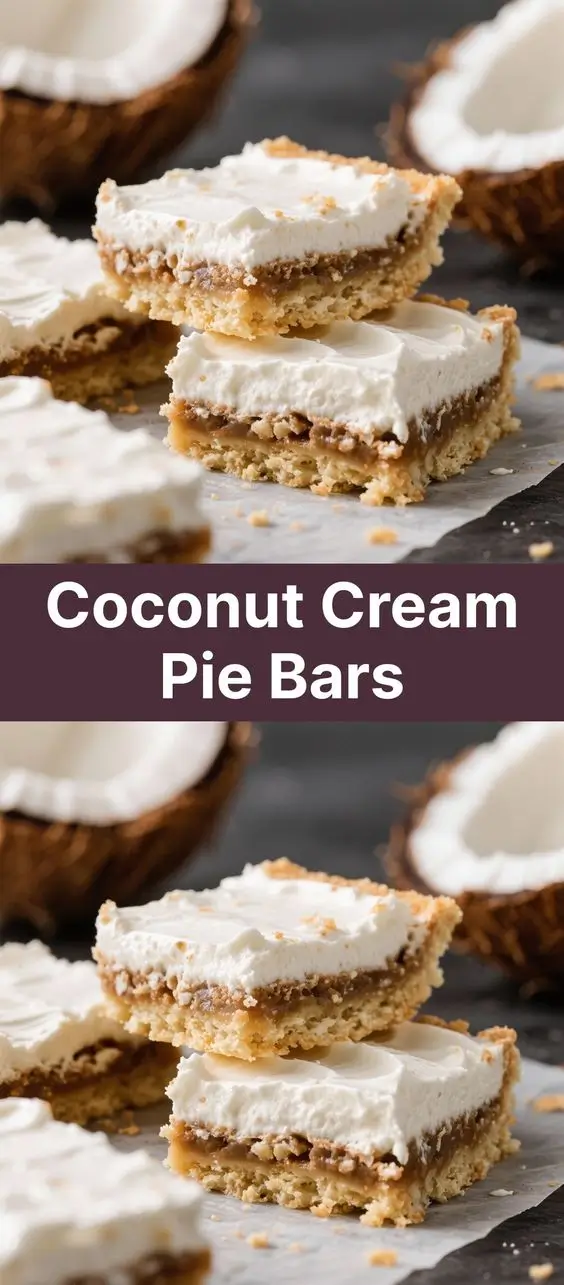
Coconut Cream Pie Bars: A Decadent Twist on a Classic Favorite
The History of Coconut Cream Pie Bars
The origins of coconut cream pie bars can be traced back to the beloved American dessert, coconut cream pie, which gained widespread popularity in the early 20th century. As home bakers sought more convenient and portable dessert options, the transformation of traditional pies into bar form became increasingly common. Coconut cream pie bars emerged as a delightful hybrid — combining the rich, creamy filling of a classic pie with the easy-to-serve convenience of a bar.
The rise of boxed cake mixes and condensed milk during the mid-1900s further fueled creativity in American kitchens, making it simpler than ever to craft layered, no-bake, or quick-bake desserts. Coconut cream pie bars benefited from this trend, often using graham cracker crusts similar to key lime or banana cream pies. Over time, regional variations developed, incorporating ingredients like custard, whipped cream, chocolate, and even tropical fruits such as mango or pineapple.
Today, these bars are staples at potlucks, bake sales, and family gatherings across the United States. Their nostalgic flavor profile and crowd-pleasing sweetness have cemented their place in dessert lore. Whether served chilled with a dollop of whipped cream or garnished with toasted coconut flakes, coconut cream pie bars represent both tradition and innovation in American baking.
Ingredients Breakdown
To create the perfect batch of coconut cream pie bars, each ingredient plays a crucial role in achieving the ideal balance of texture, flavor, and structure. Here’s an in-depth look at what goes into these indulgent treats:
- Graham Cracker Crumbs – These form the base of the crust, providing a slightly sweet, buttery foundation that complements the creamy coconut filling. You can use store-bought crumbs or crush whole graham crackers for a fresher taste.
- Butter (unsalted) – Melted butter binds the crust together, giving it a firm yet tender bite when baked. Using unsalted butter allows better control over the overall salt content.
- Granulated Sugar – Adds sweetness to the crust and helps it caramelize slightly during baking for a golden finish.
- Eggs – Essential for thickening the filling, eggs provide structure and richness. They also help the filling set properly after baking.
- Sugar (for the filling) – Typically granulated sugar is used again in the custard-like filling to enhance sweetness without overpowering the coconut flavor.
- Cornstarch – Acts as a thickening agent in the filling, ensuring it sets firmly without becoming runny. It’s especially important if you’re not using pre-made pudding mix.
- Whole Milk or Evaporated Milk – Provides creaminess and smooth texture. Evaporated milk intensifies the richness, while whole milk keeps things lighter but still decadent.
- Vanilla Extract – Enhances overall flavor complexity and brings warmth to the sweet profile.
- Shredded Sweetened Coconut – The star ingredient! This gives the bars their signature tropical taste and chewy texture. Toasted coconut can be used for deeper flavor.
- Heavy Whipping Cream – Often used in the topping or folded into the filling for extra fluffiness. When whipped, it creates a cloud-like finish.
- Powdered Sugar (confectioners’ sugar) – Used in frostings or dusting the top of the bars for a sweet, elegant touch.
- Salt – A pinch enhances all other flavors and balances the sweetness.
Optional additions may include cream cheese for tanginess, white chocolate chips for richness, or a splash of rum extract for an adult twist.
Step-by-Step Recipe
Follow this detailed guide to make luscious, bakery-quality coconut cream pie bars right in your own kitchen.
Ingredients You’ll Need:
- 1 ½ cups graham cracker crumbs (about 12 full sheets)
- 6 tablespoons unsalted butter, melted
- ¼ cup granulated sugar
- Pinch of salt
- 3 large eggs, room temperature
- ¾ cup granulated sugar (for filling)
- ¼ cup cornstarch
- 1/8 teaspoon salt
- 1 ½ cups whole milk or evaporated milk
- 1 teaspoon pure vanilla extract
- 1 cup sweetened shredded coconut (plus extra for garnish)
- 1 cup heavy whipping cream (for topping)
- 2 tablespoons powdered sugar (for whipped topping)
- 1/2 teaspoon vanilla extract (for topping)
Directions:
- Preheat Oven & Prepare Pan: Preheat your oven to 350°F (175°C). Line a 9×9-inch baking pan with parchment paper, leaving overhang on two sides for easy removal. Lightly grease any exposed pan areas.
- Make the Crust: In a medium bowl, combine graham cracker crumbs, ¼ cup granulated sugar, melted butter, and a pinch of salt. Mix until the crumbs are evenly moistened and resemble wet sand.
- Press & Bake Crust: Transfer the mixture to the prepared pan and press it firmly into an even layer using the bottom of a glass or measuring cup. Bake for 10 minutes, then remove and let cool slightly while preparing the filling. Keep oven on.
- Prepare Filling Base: In a medium saucepan, whisk together cornstarch, ¾ cup sugar, and 1/8 tsp salt. Gradually stir in milk until smooth. Place over medium heat and cook, stirring constantly, until the mixture begins to thicken and bubble, about 8–10 minutes. Do not stop stirring to prevent scorching.
- Add Eggs: In a separate bowl, lightly beat the eggs. Temper them by slowly pouring about ½ cup of the hot milk mixture into the eggs while whisking continuously. Then, pour the egg mixture back into the saucepan, returning it to the stove.
- Cook Custard: Continue cooking over medium heat, stirring constantly, for another 2–3 minutes until the custard thickens significantly and coats the back of a spoon.
- Finish Filling: Remove from heat. Stir in vanilla extract and 1 cup of shredded coconut. Let cool for 10 minutes, stirring occasionally to prevent a skin from forming.
- Pour Into Crust: Carefully pour the warm filling over the slightly cooled crust. Smooth the top with a spatula. Return the pan to the oven and bake for 20–25 minutes, or until the center is just set (a slight jiggle is okay).
- Cool Completely: Remove from oven and let cool at room temperature for 1 hour. Then refrigerate for at least 4 hours or overnight for best results.
- Make Whipped Topping: Just before serving, whip the heavy cream with powdered sugar and ½ tsp vanilla until stiff peaks form.
- Assemble & Serve: Lift the bars out using the parchment overhang. Cut into squares with a sharp knife dipped in hot water for clean edges. Top each bar with a dollop of whipped cream and a sprinkle of toasted coconut.
Tips for Perfect Coconut Cream Pie Bars
- Use Room Temperature Eggs: Cold eggs can cause the hot custard to curdle when tempered. Allow them to sit out for 30 minutes before use.
- Don’t Skip Tempering: Adding cold eggs directly to hot liquid will scramble them. Always temper to ensure a silky-smooth filling.
- Toast Your Coconut: For enhanced flavor, toast the shredded coconut in a dry skillet over medium heat for 3–5 minutes until golden brown before adding it to the filling or using it as garnish.
- Chill Thoroughly: These bars need time to set. Rushing the chilling process leads to soft, messy slices. Overnight refrigeration yields the cleanest cuts.
- Sharp Knife Technique: Dip your knife in hot water and wipe it dry between each cut to achieve neat, professional-looking bars.
- Even Crust Pressure: Press the crust firmly and evenly to avoid crumbling when slicing. Use a flat-bottomed glass for uniform density.
- Prevent Leaks: If using a metal pan, double-check that your parchment paper fully lines the pan to prevent leaks, especially if the batter is very liquid before baking.
- Bubble Watch: During baking, watch for small bubbles breaking the surface — this indicates the custard is setting properly.
Variations and Customizations
One of the greatest strengths of coconut cream pie bars is their versatility. With a few simple tweaks, you can tailor them to suit different tastes, dietary needs, or special occasions.
Flavor Twists:
- Lemon Coconut: Add 1 tablespoon of lemon zest and 1 teaspoon of lemon juice to the filling for a bright, citrusy contrast.
- Chocolate-Coconut Swirl: Melt ½ cup of semi-sweet chocolate and swirl it into the filling before baking for a mocha-inspired treat.
- Pina Colada Style: Add 2 tablespoons of rum extract or real dark rum (reduce milk slightly) and fold in diced pineapple for a tropical vacation in every bite.
- Almond Joy Inspired: Layer chopped almonds into the crust and add chocolate chips on top of the filling before baking.
Dietary Modifications:
- Gluten-Free: Replace graham crackers with gluten-free cookies or certified gluten-free graham crumbs.
- Dairy-Free: Substitute butter with coconut oil, use almond or oat milk instead of dairy milk, and replace heavy cream with chilled coconut cream whipped with powdered sugar.
- Egg-Free: Use a commercial egg replacer suitable for custards, or rely on additional cornstarch and agar-agar for structure (results may vary).
- Lower Sugar: Use low-sugar coconut flakes and reduce sugar in the recipe, replacing some with erythritol or monk fruit sweetener designed for baking.
Texture Experiments:
- Layered Crunch: Add a middle layer of crushed macadamia nuts or pretzels for contrast.
- No-Bake Version: Use instant vanilla pudding mix, fold in coconut and whipped topping, and chill without baking. Ideal for summer days!
- Frozen Option: Freeze the bars for 2+ hours and serve as frozen coconut cream treats — perfect for hot weather.
Holiday & Party Themes:
- Christmas: Use red and green sprinkles, pipe festive designs with icing, or add peppermint extract with white chocolate drizzle.
- Easter: Dye shredded coconut pastel colors and top with pastel candies.
- Weddings & Baby Showers: Mini versions in a muffin tin make adorable single-serving desserts. Garnish with edible flowers or gold leaf.
Health Considerations and Nutritional Value
While coconut cream pie bars are undeniably delicious, it’s helpful to understand their nutritional makeup so you can enjoy them mindfully.
Nutrition Snapshot (Per Serving, Approximate – based on 16 servings):
- Calories: ~320 kcal
- Total Fat: ~20g (mostly from butter, eggs, and coconut)
- Saturated Fat: ~12g (coconut contains lauric acid, a type of saturated fat that may support HDL cholesterol levels in moderation)
- Cholesterol: ~75mg
- Sodium: ~180mg
- Total Carbohydrates: ~32g
- Sugars: ~22g (mainly from added sugars in crust and filling)
- Protein: ~4g
- Fiber: ~1g
Health Notes:
- Coconut Benefits: Coconut provides medium-chain triglycerides (MCTs), which some studies suggest may boost metabolism. However, it’s high in calories and saturated fats, so portion control is key.
- Sugar Content: These bars are relatively high in sugar. Consider reducing sugar gradually or using natural alternatives if making regularly.
- Dairy Sensitivity: Contains milk, cream, and butter — not suitable for those with lactose intolerance unless substituted.
- Balanced Indulgence: Best enjoyed occasionally as part of a balanced diet. Pair with fresh fruit or a salad to offset richness.
- Kids & Allergies: Common allergens include eggs, dairy, wheat (from graham crackers), and coconut (classified as a tree nut by the FDA). Always label accordingly.
Frequently Asked Questions (FAQ)
- Can I make coconut cream pie bars ahead of time?
- Absolutely! These bars keep well in the refrigerator for up to 4 days. Make them a day in advance for stress-free entertaining.
- Can I freeze coconut cream pie bars?
- Yes, though texture may change slightly. Wrap individual bars tightly in plastic and freeze for up to 2 months. Thaw in the fridge before serving. Whipped topping should be added after thawing.
- Why did my filling crack during baking?
- This usually happens due to overbaking or rapid cooling. Avoid opening the oven door frequently and allow gradual cooling at room temperature before refrigerating.
- Can I use canned coconut milk instead of dairy milk?
- Yes! Full-fat coconut milk works beautifully and enhances the coconut flavor. Just ensure it’s well stirred before measuring.
- Is there a way to make these bars without eggs?
- You can try using cornstarch-heavy fillings with plant-based milk and agar-agar, but the texture will be softer and less custard-like. Instant pudding-based versions are more reliable for egg-free needs.
- How do I store leftover bars?
- Cover tightly with plastic wrap or place in an airtight container in the refrigerator. Consume within 3–4 days for best quality.
- Can I use unsweetened coconut?
- Yes, but you may need to increase sugar slightly to compensate for lost sweetness. Toasting unsweetened coconut boosts its natural flavor.
- Are these bars safe to leave out at room temperature?
- No — due to the dairy and egg content, they should not sit out for more than 2 hours. Always refrigerate after serving.
- What size pan should I use?
- A 9×9-inch square pan is standard. For thinner bars, use a 9×13-inch pan and reduce baking time by 5–7 minutes.
- Can I use a store-bought crust?
- Yes — a pre-made graham cracker crust can save time. Press it in firmly and bake according to package instructions before adding filling.
Summary
Coconut cream pie bars blend the creamy richness of coconut custard with a buttery graham cracker crust, creating an irresistible dessert perfect for any occasion. Easy to customize and always a crowd-pleaser, they bring tropical flair to your table with minimal effort.