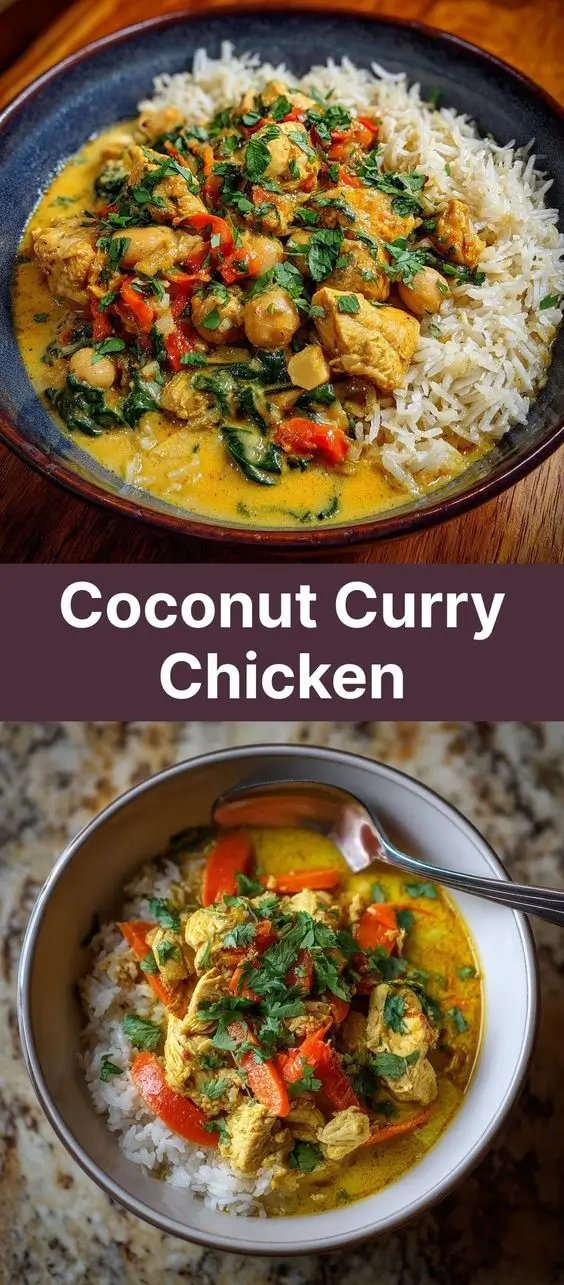
Coconut Curry Chicken: A Creamy, Flavorful Delight from the Tropics
The History of Coconut Curry Chicken
Coconut Curry Chicken is a dish that embodies the rich culinary traditions of tropical regions across Southeast Asia, South Asia, the Caribbean, and parts of East Africa. Its origins can be traced back centuries to ancient spice trade routes that connected India, Indonesia, Malaysia, Sri Lanka, and beyond. The fusion of aromatic spices with creamy coconut milk created a unique flavor profile that became foundational in many regional cuisines.
In countries like Thailand, this dish evolved into what is now known as gaeng kari, often made with yellow curry paste, potatoes, and chicken simmered in coconut milk. In Southern India and Sri Lanka, similar preparations use fresh grated coconut ground into a paste with spices such as turmeric, cumin, and fenugreek, then cooked with chicken for a deeply spiced stew. Meanwhile, in the Caribbean—particularly Jamaica and Trinidad—enslaved Africans adapted Indian curry techniques using local ingredients, resulting in vibrant, coconut-based curries often served with rice, roti, or festival bread.
The global popularity of Coconut Curry Chicken surged during the 20th century as international travel and migration introduced these bold flavors to Western palates. Today, it’s a staple on restaurant menus worldwide and a beloved comfort food in home kitchens due to its balance of warmth, creaminess, and depth. Whether mild or fiery, traditional or modernized, this dish continues to evolve while honoring its multicultural roots.
Ingredients Breakdown
The magic of Coconut Curry Chicken lies not just in its taste but in the harmony of its components. Each ingredient plays a crucial role in building layers of flavor, texture, and aroma. Here’s an in-depth look at what goes into this exquisite dish:
- Chicken (boneless, skinless thighs or breasts): Thighs are preferred for their tenderness and ability to absorb flavors without drying out. They hold up well during slow simmering and provide a juicier bite compared to breast meat.
- Coconut milk: Full-fat canned coconut milk gives the curry its signature richness and velvety mouthfeel. It also helps mellow the heat of spices while enhancing sweetness. Light coconut milk can be used for a thinner consistency, though it reduces creaminess.
- Curry powder or paste: This blend typically includes turmeric, coriander, cumin, fenugreek, mustard seeds, chili, and sometimes cinnamon or cardamom. Store-bought versions vary widely in intensity; homemade pastes offer superior freshness and control over flavor profiles.
- Onion (yellow or red): Sautéed until golden, onions form the base of the sauce, adding natural sweetness and body.
- Garlic and ginger: Freshly minced or grated, they bring pungency and warmth, essential for authentic depth in any curry.
- Fresh chilies (optional): Scotch bonnet, jalapeño, or Thai bird’s eye chilies add heat and brightness. Adjust according to spice tolerance.
- Vegetable oil or coconut oil: Used for sautéing aromatics and blooming spices, which releases their essential oils and intensifies flavor.
- Tomatoes (fresh or canned diced): Add acidity and tang, balancing the richness of coconut milk. Some recipes skip tomatoes for a purer coconut-forward profile.
- Potatoes or sweet potatoes (optional): Common additions in many cultures, especially in Caribbean and Indian versions, providing heartiness and starch to thicken the sauce naturally.
- Lime juice or tamarind paste: A touch of acid brightens the final dish, cutting through the fat and rounding out flavors.
- Fresh cilantro (coriander leaves): Used as a garnish, adding a citrusy, herbal note that complements the spices.
- Soy sauce or fish sauce (optional): Adds umami depth, particularly common in Thai-style versions.
- Stock or water: Helps adjust consistency and prevents the curry from becoming too thick during cooking.
Step-by-Step Recipe
Follow these detailed steps to create a perfectly balanced Coconut Curry Chicken bursting with flavor and creamy texture:
- Prepare Ingredients: Cut 1.5 lbs (700g) of boneless chicken thighs into bite-sized pieces. Finely chop 1 large onion, mince 3 cloves of garlic, grate 1-inch piece of fresh ginger, slice 1–2 chilies (if using), and measure out all spices and liquids.
- Sear the Chicken (Optional): Heat 1 tbsp oil in a heavy-bottomed pot or Dutch oven over medium-high heat. Brown the chicken pieces on both sides until lightly golden (about 2–3 minutes per side). Remove and set aside. This step enhances flavor through the Maillard reaction but can be skipped if desired.
- Sauté Aromatics: In the same pot, add another tablespoon of oil if needed. Reduce heat to medium and add chopped onions. Cook for 5–7 minutes until soft and translucent, stirring occasionally to prevent burning.
- Add Garlic, Ginger & Chilies: Stir in the minced garlic, grated ginger, and sliced chilies. Cook for 1 minute until fragrant—be careful not to burn.
- Bloom the Spices: Add 2–3 tablespoons of curry powder (or 2–3 tbsp curry paste) along with ½ tsp ground turmeric, 1 tsp cumin, and a pinch of cinnamon (optional). Stir constantly for 30 seconds to release essential oils and deepen flavor.
- Incorporate Tomatoes (if using): Stir in ½ cup diced tomatoes (canned or fresh) and cook for 3–4 minutes until softened and slightly reduced.
- Add Coconut Milk: Pour in 1 can (13.5–14 oz) of full-fat coconut milk. Use a wooden spoon to scrape up any browned bits from the bottom of the pan—this adds incredible flavor.
- Return Chicken to Pot: Add the seared (or raw) chicken back into the pot. If including vegetables like cubed potatoes or carrots, add them now.
- Simmer Gently: Bring the mixture to a gentle boil, then reduce heat to low. Cover and simmer for 20–25 minutes (longer if using raw chicken and potatoes), stirring occasionally, until chicken is fully cooked and tender.
- Adjust Seasonings: Taste and season with salt (start with ½ tsp), freshly ground black pepper, and a squeeze of fresh lime juice (about 1 tbsp). For extra umami, stir in 1 tsp soy sauce or fish sauce.
- Thicken Sauce (Optional): If the curry is too thin, uncover and let it simmer for an additional 5–10 minutes to reduce. Alternatively, mix 1 tsp cornstarch with 1 tbsp cold water and stir in to thicken quickly.
- Garnish and Serve: Sprinkle generously with chopped fresh cilantro. Optionally add a few drops of coconut cream on top for presentation.
Tips for the Perfect Coconut Curry Chicken
- Use full-fat coconut milk: Low-fat versions lack the richness necessary for a luxurious curry. Shake the can well before opening, or stir thoroughly if using carton-packaged milk.
- Don’t rush the bloom: Blooming spices in oil unlocks their full potential. Take care not to burn them—keep the heat moderate and stir constantly.
- Brown the chicken first: While optional, browning creates complex flavor compounds that enhance the overall taste.
- Balance the flavors: Great curries strike a balance between spicy, salty, sour, sweet, and umami. Adjust with lime juice (sour), a pinch of sugar (sweet), salt, and fish sauce (umami).
- Let it rest: Like most stews, Coconut Curry Chicken tastes even better the next day as flavors continue to meld. Reheat gently on the stove.
- Avoid boiling after adding coconut milk: High heat can cause coconut milk to separate or curdle. Always maintain a gentle simmer.
- Toast whole spices first: For advanced cooks, toasting whole cumin seeds, coriander seeds, or mustard seeds before grinding elevates the aroma significantly.
- Use fresh ingredients: Fresh garlic, ginger, chilies, and herbs make a noticeable difference compared to powdered or dried substitutes.
- Control the heat level: Remove chili seeds and membranes to reduce spiciness. Add more gradually to suit your preference.
Variations and Customizations
One of the greatest strengths of Coconut Curry Chicken is its versatility. You can easily adapt it based on dietary needs, cultural preferences, or seasonal ingredients. Here are some popular variations:
- Thai Green Curry Chicken: Replace standard curry powder with green curry paste (containing lemongrass, galangal, kaffir lime zest), add bamboo shoots and bell peppers, and finish with Thai basil instead of cilantro.
- Indian-Style Coconut Curry: Use freshly ground spices like mustard seeds, curry leaves, fenugreek, and urad dal tempered in ghee. Incorporate coconut paste made from ground fresh coconut.
- Caribbean Coconut Curry Chicken: Use Jamaican curry powder (often contains allspice), include scotch bonnet pepper, and serve with fried plantains and rice and peas.
- Vegetarian/Vegan Option: Substitute chicken with chickpeas, tofu, mushrooms, eggplant, or cauliflower. Ensure all other ingredients (like stock) are plant-based.
- Low-Carb/Keto Version: Omit potatoes and high-carb vegetables. Use chicken thighs in full-fat coconut milk with added greens like spinach or kale.
- Creamier Texture: Blend part of the cooked sauce with an immersion blender or in a regular blender (cool slightly first), then return to the pot for silkier consistency.
- Dry Curry (Bhuna Style): Cook down the liquid completely for a thicker, drier curry commonly served with flatbreads like naan or roti.
- Instant Pot / Pressure Cooker Method: Sear chicken using sauté function, add all ingredients, seal lid, and cook on high pressure for 8–10 minutes, followed by natural release.
- Slow Cooker Version: Combine all ingredients (except garnishes) and cook on low for 6–8 hours or high for 3–4 hours. Ideal for meal prep.
- Gluten-Free Adaptation: Most curry powders are gluten-free, but always check labels. Avoid soy sauce unless certified GF—use tamari instead.
Health Considerations and Nutritional Value
When prepared thoughtfully, Coconut Curry Chicken can be a nutritious and satisfying meal. Let’s break down its health aspects:
Nutritional Highlights (Per Serving, Approximate – serves 4):
- Calories: ~380–450 kcal
- Protein: 25–30g (excellent source from chicken)
- Fat: 28–35g (mostly from coconut milk—contains MCTs)
- Carbohydrates: 8–15g (varies depending on added veggies)
- Fiber: 2–4g (especially when including vegetables or legumes)
- Sodium: 400–700mg (adjustable by reducing added salt)
Health Benefits:
- Medium-Chain Triglycerides (MCTs): Found in coconut milk, MCTs are metabolized differently than long-chain fats and may support energy levels and brain function.
- Anti-Inflammatory Properties: Turmeric (a key ingredient in curry powder) contains curcumin, a potent anti-inflammatory compound. Pairing it with black pepper increases absorption.
- High-Quality Protein: Supports muscle maintenance, satiety, and metabolic health.
- Rich in Vitamins & Minerals: Garlic and ginger contribute antioxidants, immune support, and digestive benefits. Onions provide quercetin, while tomatoes offer lycopene.
Considerations:
- Saturated Fat Content: Coconut milk is high in saturated fat (~20g per cup). While recent studies suggest moderate intake may not harm heart health for most people, those with cardiovascular concerns should consume in moderation or opt for lighter versions.
- Calorie Density: Due to coconut milk and oils, this dish is calorie-rich. Portion control is advised for weight management goals.
- Sodium Levels: Commercial curry powders and canned broths may contain added salt. Choose low-sodium options when possible.
- Allergies: Contains coconut (tree nut allergen for some), and cross-contamination risks exist in spice blends processed in shared facilities.
How to Make It Healthier:
- Use light coconut milk or dilute full-fat with vegetable broth.
- Increase non-starchy vegetables (spinach, zucchini, bell peppers).
- Choose skinless chicken breast for lower fat content.
- Reduce added oil by using non-stick pans or broth for sautéing.
- Add lentils or chickpeas to boost fiber and plant protein.
Ingredients
- 1.5 lbs (700g) boneless, skinless chicken thighs, cut into bite-sized pieces
- 1 can (13.5–14 oz) full-fat coconut milk
- 2 tbsp vegetable oil or coconut oil
- 1 large yellow onion, finely chopped
- 3 cloves garlic, minced
- 1-inch piece fresh ginger, grated
- 1–2 fresh chilies (e.g., jalapeño or Thai bird’s eye), sliced (optional)
- 2–3 tbsp curry powder (or 2–3 tbsp curry paste)
- ½ tsp ground turmeric
- 1 tsp ground cumin
- ½ tsp ground coriander
- Pinch of cinnamon or garam masala (optional)
- ½ cup diced tomatoes (fresh or canned)
- 1 cup chicken stock or water (optional, for desired consistency)
- 1 medium potato, peeled and cubed (optional)
- 1 tsp salt (or to taste)
- Freshly ground black pepper, to taste
- 1 tbsp fresh lime juice
- 1 tsp soy sauce or fish sauce (optional)
- Fresh cilantro, chopped (for garnish)
Directions
- In a large pot or Dutch oven, heat 1 tablespoon of oil over medium-high heat. Add chicken pieces and sear until golden brown on both sides (about 2–3 minutes per side). Remove and set aside.
- Add remaining oil to the pot. Reduce heat to medium and sauté chopped onions for 5–7 minutes until soft and golden.
- Stir in garlic, ginger, and chilies. Cook for 1 minute until aromatic.
- Add curry powder, turmeric, cumin, coriander, and optional cinnamon. Stir constantly for 30 seconds to bloom the spices.
- Incorporate diced tomatoes and cook for 3–4 minutes, allowing them to break down and form a thick base.
- Pour in coconut milk, scraping the bottom of the pot to lift any flavorful browned bits.
- Return the chicken to the pot. Add diced potatoes (if using) and pour in chicken stock or water to reach desired depth.
- Bring to a gentle boil, then reduce heat to low. Cover and simmer for 20–25 minutes, or until chicken is fully cooked and potatoes are tender.
- Season with salt, pepper, lime juice, and soy/fish sauce. Adjust flavors to taste.
- If the sauce is too thin, uncover and simmer for an additional 5–10 minutes to reduce. For quicker thickening, mix 1 tsp cornstarch with 1 tbsp water and stir in.
- Remove from heat and let sit for 5 minutes. Garnish with fresh cilantro before serving.
- Serve hot over steamed jasmine rice, basmati rice, quinoa, or with naan bread.
FAQ
Can I use frozen chicken?
Yes, but it’s best to thaw it first for even cooking. If using frozen, increase simmer time by 5–10 minutes and ensure internal temperature reaches 165°F (74°C).
How long does Coconut Curry Chicken last in the fridge?
Properly stored in an airtight container, it lasts 3–4 days. Flavors often improve the next day.
Can I freeze it?
Absolutely. Freeze in portion-sized containers for up to 3 months. Thaw overnight in the refrigerator and reheat gently on the stove. Stir well upon reheating as separation may occur.
Why did my coconut milk separate?
This happens when the curry is boiled too vigorously. Always maintain a gentle simmer after adding coconut milk. Stirring frequently helps prevent separation.
Is coconut milk healthy?
In moderation, yes. It provides healthy fats (MCTs), but it’s calorie-dense. Balance it with lean proteins and vegetables.
Can I make this dairy-free?
Yes! Traditional Coconut Curry Chicken is naturally dairy-free. Just ensure your curry powder and other ingredients don’t contain dairy derivatives.
What can I serve with Coconut Curry Chicken?
Popular pairings include steamed rice, coconut rice, roti, naan, quinoa, or millet. A side of cucumber raita, mango chutney, or pickled onions adds refreshing contrast.
Can I use shrimp or beef instead?
Definitely. Shrimp cooks faster (add in last 5 minutes), while beef requires longer braising (use stew meat and cook 1.5+ hours until tender).
How do I store leftover curry paste?
Wrap tightly and refrigerate for up to 2 weeks or freeze in ice cube trays for longer storage. Scoop out portions as needed.
Can I make it spicier?
Yes—add extra chilies, a dash of cayenne pepper, or a spoonful of sambal oelek. Serve with hot sauce on the side for customizable heat.
Summary
Coconut Curry Chicken is a globally cherished dish that marries tender chicken with aromatic spices and creamy coconut milk for a comforting, flavorful experience. Rich in history and adaptable to countless tastes and diets, it remains a timeless favorite in kitchens around the world.