Introduction
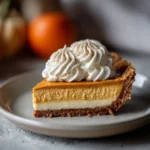
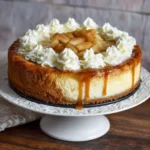
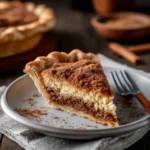
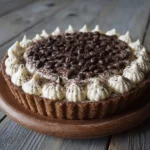
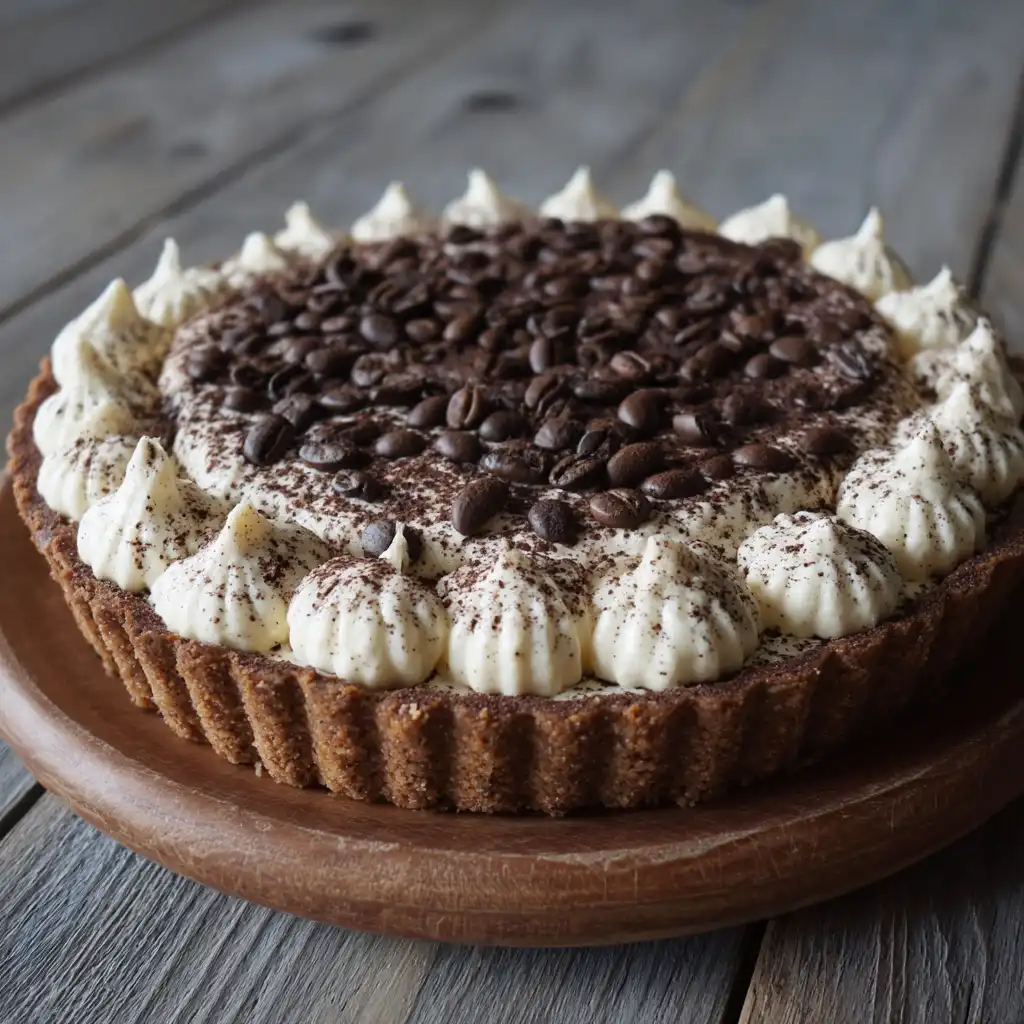
The Coffee Cream Tart is a sophisticated, no-bake dessert that marries the bold, aromatic depth of premium coffee with the luxuriously smooth, velvety richness of sweetened cream. Unlike traditional baked tarts or layered cakes, this elegant confection features a crisp, buttery shortcrust or nut-based base, crowned with a luscious, set coffee-infused custard or ganache-cream filling—often stabilized with gelatin or white chocolate for perfect sliceability and texture. Its clean visual presentation—glossy surface, delicate dusting of cocoa or espresso powder, perhaps a minimalist garnish of coffee beans or edible gold leaf—makes it as photogenic as it is delicious. Revered in modern patisseries across Europe, Australia, and North America, the Coffee Cream Tart appeals to both coffee connoisseurs and dessert lovers seeking balance: not overly sweet, deeply flavorful, and texturally harmonious. Whether served at an intimate dinner party, a bridal shower, or as a refined afternoon treat with a pour-over, it delivers an unforgettable sensory experience—one sip (or bite) transports you to a sun-dappled café in Vienna, a quiet Melbourne laneway roastery, or a cozy Parisian salon de thé.
The History
The origins of the Coffee Cream Tart are not attributable to a single inventor or moment but rather emerge from a rich confluence of culinary evolution spanning centuries and continents. Its conceptual lineage begins with early European custard tarts—such as the English “coffee tart” referenced in 18th-century manuscripts where ground coffee was occasionally infused into pastry creams—and gains momentum during the 19th century, when Viennese cafés popularized *Eiskaffee* (iced coffee with vanilla ice cream), inspiring chilled, coffee-accented desserts. In post-war France, pâtissiers began experimenting with *crème anglaise*-based fillings stabilized with gelatin, paving the way for no-bake formats. The modern iteration, however, crystallized in the late 20th and early 21st centuries, propelled by three key developments: the rise of specialty coffee culture (emphasizing origin, roast profile, and extraction nuance), the growing demand for gluten-free and make-ahead desserts, and the influence of Japanese *wagashi*-inspired minimalism—favoring subtle sweetness, clean structure, and ingredient integrity. Chefs like Pierre Hermé (who pioneered coffee-chocolate pairings in macarons and entremets) and Australian pastry innovators such as Anna Polyviou (known for her textural storytelling in tarts) helped elevate coffee from mere flavoring to a structural and aromatic cornerstone. Today’s Coffee Cream Tart is thus less a historical artifact and more a living, evolving expression of global gastronomy—where barista-grade brewing science meets classical French technique and contemporary wellness sensibilities.
Ingredients Breakdown
Every exceptional Coffee Cream Tart rests on the precise synergy of its components—each selected not only for flavor but for functional role, mouthfeel, and stability. Below is a comprehensive, chef-level breakdown:
- Base (Crust): Typically composed of crushed digestive biscuits, graham crackers, or gluten-free almond flour cookies bound with unsalted butter (clarified for higher smoke point and richer flavor). Optional enhancements include finely ground roasted espresso beans for bitterness and aroma, a pinch of flaky sea salt to heighten sweetness, or toasted hazelnut praline paste for nutty depth. The ideal ratio is ~1.5 parts biscuit to 1 part melted butter by weight—ensuring cohesion without greasiness.
- Coffee Infusion: Not instant coffee—but freshly ground, medium-dark roast beans (e.g., Sumatran Mandheling for earthy body or Guatemalan Antigua for bright acidity), cold-brewed for 12–18 hours to extract nuanced notes without bitterness. Alternatively, high-quality espresso (double ristretto strength) cooled to room temperature may be used. The liquid must be filtered meticulously to avoid sediment that compromises texture.
- Cream Filling Matrix: A tripartite system: (1) Heavy cream (36% fat) for unctuousness and whip stability; (2) Full-fat cream cheese or mascarpone for tang, body, and emulsification; and (3) White or dark chocolate (minimum 32% cocoa butter) for sheen, snap, and temperature resilience. Gelatin (bloomed in cold coffee) or agar-agar (for vegan versions) provides essential thermoreversible setting power.
- Sweetener System: A layered approach: granulated cane sugar for baseline sweetness, light corn syrup or glucose syrup to inhibit crystallization and add gloss, and a touch of honey or maple syrup for hygroscopic moisture retention and subtle complexity.
- Accent Agents: Pure Madagascar bourbon vanilla bean paste (not extract) for floral warmth; a micro-grated zest of orange or bergamot to lift coffee’s roast notes; and a whisper of fleur de sel to round the finish. Optional alcohol—like Kahlúa, Tia Maria, or cold-brew liqueur—adds dimension but must be balanced so as not to dominate.
- Garnishes: Edible dried coffee cherries, microplaned dark chocolate curls, torched Italian meringue rosettes, candied orange peel, or even freeze-dried raspberry powder for a tart counterpoint. All garnishes are applied just before service to preserve integrity.
Step-by-Step Recipe
- Prepare the Base: Pulse 200 g digestive biscuits (or gluten-free alternative) in a food processor until fine crumbs form. Add 100 g melted, clarified unsalted butter, 1 tbsp finely ground espresso beans, and ¼ tsp flaky sea salt. Pulse until mixture resembles wet sand. Press firmly and evenly into the bottom and 1.5 cm up the sides of a 23 cm (9-inch) loose-bottomed tart tin lined with parchment. Chill for minimum 45 minutes—or freeze for 20 minutes—to fully set.
- Brew & Strain the Coffee: Combine 60 g coarsely ground medium-dark roast coffee with 300 ml cold filtered water. Steep at room temperature for 16 hours. Filter twice—first through a paper coffee filter, then through a fine-mesh chinois lined with cheesecloth—to yield 270 ml clear, aromatic cold brew concentrate. Reserve 200 ml for the filling; refrigerate the remainder for garnish or drinks.
- Bloom the Gelatin: Sprinkle 8 g powdered gelatin (or 2 tsp sheet gelatin, soaked in ice water) over 60 ml of the reserved cold brew. Let bloom for 5–7 minutes until spongy.
- Temper the Chocolate-Cream Mixture: Finely chop 200 g high-cocoa-butter white chocolate (or 70% dark for intensity). Heat 250 ml heavy cream and 250 g full-fat mascarpone in a saucepan over low heat until steaming (do not boil). Remove from heat; whisk in chocolate until fully melted and glossy. Stir in bloomed gelatin until dissolved. Cool mixture to 35°C (95°F)—critical for emulsion stability.
- Incorporate Coffee & Flavorings: Whisk in 200 ml cold brew, 1½ tsp vanilla bean paste, 60 g granulated sugar, 15 g light corn syrup, and a pinch of fleur de sel. Taste and adjust: if too acidic, add 5–10 g extra sugar; if flat, add 1 tsp freshly grated orange zest.
- Aerate & Set: Using a hand mixer or stand mixer with whisk attachment, whip the mixture on medium-low for 90 seconds—just until slightly thickened and beginning to hold soft peaks (do not over-whip, or air bubbles will collapse during setting). Pour immediately into the chilled crust, smoothing with an offset spatula dipped in hot water. Tap tin sharply on counter to release air pockets.
- Chill to Perfection: Refrigerate uncovered for minimum 8 hours—or ideally 12–16 hours—at consistent 4°C (39°F). Avoid freezing unless necessary (in which case, thaw overnight in fridge).
- Unmold & Finish: Run a thin, warm knife around inner edge. Release springform ring. Transfer to serving plate. Dust lightly with Dutch-process cocoa powder using a fine mesh sieve. Garnish with 3–5 whole roasted coffee beans, a quenelle of crème fraîche, and a single mint leaf. Serve with a side of affogato-style espresso shot for interactive pairing.
Tips
- Coffee Quality is Non-Negotiable: Use freshly roasted, whole-bean coffee ground no more than 30 minutes before brewing. Pre-ground coffee loses volatile aromatics within hours.
- Temperature Control is Key: The cream mixture must be between 32–36°C when poured—too hot melts the base; too cold causes premature gelation and graininess. Use an instant-read thermometer religiously.
- Crust Integrity Hack: For a truly crisp, non-soggy base, brush the chilled crust with a thin layer of melted white chocolate before filling—it creates an impermeable moisture barrier.
- No Weeping, No Sweat: To prevent condensation “sweating” on the surface after slicing, allow the tart to sit at cool room temperature (18°C/64°F) for exactly 8 minutes before cutting—with a knife dipped in hot water and wiped dry between each slice.
- Whipping Wisdom: Never use ultra-pasteurized cream—it lacks the protein structure needed for stable aeration. Opt for pasteurized, high-fat dairy cream with visible cream line on the carton.
- Make-Ahead Mastery: This tart improves over 24–48 hours as flavors meld. Prepare base and filling components separately up to 3 days ahead; assemble day-of-service for optimal freshness.
- Cutting Precision: Use a long, thin-bladed chef’s knife—not a serrated one. Warm under hot tap water, dry thoroughly, and cut with slow, confident downward pressure—no sawing.
- Storage Science: Store covered loosely with parchment (not plastic wrap, which traps moisture) in the coldest part of your refrigerator (not the door). Consume within 5 days. Do not store near strong-smelling foods—coffee cream is highly aromatic and absorbs odors readily.
Variations and Customizations
The Coffee Cream Tart is a masterclass in adaptability—its framework welcomes infinite creative reinterpretation while preserving its soul. Here are meticulously tested, chef-curated variations:
- Vegan Adaptation: Replace butter with refined coconut oil + almond butter blend; use cashew cream (soaked, blended, strained) instead of mascarpone; substitute agar-agar (1.5 g per 250 ml liquid) for gelatin; and infuse with cold brew made from chicory-root “coffee” for deeper umami. Top with caramelized banana slices and toasted pepitas.
- Decadent Chocolate-Coffee Fusion: Layer the base with a 3-mm disc of tempered 85% dark chocolate. Fold 100 g finely chopped dark chocolate into the warm cream mixture before coffee addition. Finish with a mirror glaze made from coffee-infused white chocolate ganache.
- Seasonal Citrus Lift: Add 2 tbsp yuzu or blood orange juice + 1 tsp zest to the filling. Pair with a base made from crushed amaretti cookies and toasted pistachios. Garnish with candied citrus ribbons and bee pollen.
- Spiced Chai-Infused Version: Cold-brew coffee with whole spices—3 cardamom pods, 1 cinnamon stick, 4 black peppercorns, 2 star anise—then strain. Replace vanilla with ½ tsp ground ginger and a pinch of ground cloves. Serve with masala chai-poached pears.
- Gluten-Free & Grain-Free: Base of 150 g almond flour, 50 g coconut flour, 75 g melted ghee, 2 tbsp maple syrup, and ¼ tsp xanthan gum. Bind with 1 egg white whipped to soft peaks. Pre-bake at 160°C for 12 minutes before chilling.
- Mini Individual Tarts: Press base into 12 silicone tartlet molds (8 cm). Fill with reduced-volume mixture (⅔ cup per tart). Chill 6 hours. Top with a single espresso bean dipped in gold leaf and a dot of coffee reduction glaze.
- Boozy Affogato Tart: Soak base in 2 tbsp Kahlúa before chilling. Fold 3 tbsp cold-brew liqueur into filling. Finish with a quenelle of rum-spiked whipped cream and dark chocolate soil.
- Low-Sugar/Keto-Friendly: Base of crushed walnuts, pecans, and unsweetened shredded coconut bound with grass-fed ghee and erythritol. Filling uses full-fat coconut cream, MCT oil, monk fruit blend, and collagen peptides for structure. Sweeten with 100% pure stevia glycerite (not powder) for zero aftertaste.
Health Considerations and Nutritional Value
While undeniably indulgent, the Coffee Cream Tart can be thoughtfully aligned with mindful eating principles—especially when prepared with intentionality around ingredient sourcing and portion discipline. A standard 1/12th slice (approx. 120 g) of the classic version contains roughly 320–360 kcal, with 22–26 g total fat (14–16 g saturated), 28–32 g carbohydrates (22–25 g sugars), and 4–5 g protein. However, nutritional impact extends far beyond macros:
- Coffee Benefits Amplified: Cold-brew infusion preserves chlorogenic acids—potent antioxidants linked to reduced inflammation and improved insulin sensitivity. Caffeine content (~45–65 mg per slice) supports alertness and metabolic rate without jitters, especially when paired with healthy fats that slow absorption.
- Fat Quality Matters: Using grass-fed butter or ghee introduces conjugated linoleic acid (CLA) and vitamin K2—nutrients associated with cardiovascular and bone health. Mascarpone contributes probiotic-friendly lactic acid bacteria if unpasteurized (though rare commercially); otherwise, opt for cultured varieties.
- Sugar Awareness: Traditional recipes often rely on refined sucrose. Substituting 30% of sugar with date paste or yacon syrup adds prebiotic fiber and lowers glycemic load. Always list added sugars separately on labels if serving commercially.
- Allergen Transparency: Major allergens include dairy (lactose, casein), gluten (in standard biscuits), tree nuts (in many bases/garnishes), and soy (in some chocolates). Vegan versions introduce coconut and legume-derived ingredients—always declare clearly.
- Digestive Notes: Gelatin offers glycine—an amino acid supporting gut lining repair. However, those with histamine intolerance should avoid aged cheeses (like some mascarpone) and opt for fresh ricotta-based fillings instead.
- Mindful Portioning: Serve in 8 cm diameter portions (not 10+ cm) on wide-rimmed plates to visually satisfy without excess. Pair with sparkling water with lemon—enhancing satiety and palate cleansing.
- Pregnancy & Medical Considerations: Caffeine intake should remain below 200 mg/day during pregnancy—thus limiting consumption to one small slice. Those managing GERD may prefer cold-brew (lower acidity) over espresso-infused versions. Diabetics should prioritize low-glycemic swaps and consult nutritionists for carb-counting alignment.
Ultimately, the Coffee Cream Tart embodies the principle of *pleasure as nourishment*: when crafted with integrity, it delivers not just delight—but phytonutrients, mindful presence, and culinary joy rooted in real food.
Ingredients
- For the Base: 200 g digestive biscuits (or gluten-free oat cookies), 100 g unsalted butter (clarified), 1 tbsp finely ground dark roast espresso beans, ¼ tsp flaky sea salt
- For the Coffee Infusion: 60 g freshly ground medium-dark roast coffee beans, 300 ml cold filtered water
- For the Filling: 8 g powdered gelatin (or 4 gelatin sheets), 200 g high-cocoa-butter white chocolate (or 70% dark), 250 ml heavy cream (pasteurized, min. 36% fat), 250 g full-fat mascarpone cheese, 200 ml cold-brew coffee (from above), 1½ tsp Madagascar bourbon vanilla bean paste, 60 g granulated cane sugar, 15 g light corn syrup, pinch of fleur de sel
- For Garnish: Unsweetened Dutch-process cocoa powder, 6–12 whole roasted coffee beans, optional crème fraîche quenelles and fresh mint
Directions
- Process biscuits in food processor until fine crumbs form. Melt butter; stir in crumbs, ground espresso, and salt until uniform. Press firmly into 23 cm tart tin. Chill 45 min.
- Combine coffee grounds and cold water; steep 16 hrs at room temp. Filter twice for clarity. Reserve 200 ml for filling; refrigerate rest.
- Sprinkle gelatin over 60 ml cold brew; let bloom 5–7 min.
- Heat cream and mascarpone in saucepan until steaming (do not boil). Remove; whisk in chocolate until smooth. Stir in bloomed gelatin until dissolved. Cool to 35°C.
- Whisk in 200 ml cold brew, vanilla, sugar, corn syrup, and salt. Taste and adjust.
- Whip mixture 90 sec on medium-low until slightly thickened. Pour into crust; smooth. Tap tin to remove air bubbles.
- Refrigerate uncovered 12–16 hrs at 4°C.
- Run warm knife around edge; release ring. Dust with cocoa. Garnish. Serve with hot espresso on side.
FAQ
- Can I use instant coffee?
- Not recommended for premium results. Instant coffee contains acrylamide and lacks volatile aromatic compounds. If necessary, use 100% pure arabica freeze-dried granules—dissolved in 60°C water—not boiling—and strained through a paper filter.
- Why did my filling weep or separate?
- Most commonly due to temperature shock (filling too hot/cold), over-whipping, or insufficient blooming of gelatin. Ensure all components are within the 32–36°C range and whip only until cohesive—not stiff.
- Can I freeze the tart?
- Yes—but only after full 12-hour chill. Wrap tightly in parchment + freezer-grade foil. Freeze up to 4 weeks. Thaw overnight in fridge, then rest at cool room temp 8 min before slicing.
- What’s the best coffee roast for this tart?
- Medium-dark roasts strike ideal balance: enough acidity to cut richness (e.g., Colombian Supremo), sufficient body to stand up to cream (e.g., Nicaraguan Jinotega), and caramelized sweetness without ashiness. Avoid very light roasts (grassy) or very dark (bitter, hollow).
- My crust is crumbly—how do I fix it?
- Add ½ tsp honey or maple syrup to the crumb mixture before pressing. Or replace 15 g of butter with 15 g melted dark chocolate for binding power and flavor depth.
- Can I make it dairy-free?
- Absolutely. Use coconut cream (chilled, solid part only), soaked cashew cream, coconut oil–ghee blend for crust, and coconut milk–white chocolate ganache. Agar-agar replaces gelatin at 1.2 g per 250 ml liquid.
- How far in advance can I prepare it?
- Base can be made 5 days ahead and stored airtight at room temp. Filling components (except bloomed gelatin) keep 3 days refrigerated. Assemble no more than 24 hours before service for peak texture.
- Is there caffeine in the finished tart?
- Yes—approximately 45–65 mg per standard slice (equivalent to ½–¾ shot of espresso), depending on brew strength and quantity used. Decaf cold brew yields <5 mg per slice.
- Can I use a different mold?
- Yes—adjust times accordingly: 20 cm tin requires ~10% less filling; 26 cm needs ~15% more. Springform pans work best; avoid fluted ceramic or glass (uneven chilling).
- What wine or beverage pairs best?
- Aged tawny port (nutty, caramel notes), cold-brew nitro stout, oat milk latte, or sparkling rosé with high acidity. Avoid oaky reds—they clash with coffee’s tannins.
Summary
The Coffee Cream Tart is a masterful fusion of artisanal coffee culture and classical patisserie precision—elevating humble beans into a velvety, elegantly restrained dessert that delights the senses and satisfies with sophistication. Built on a crisp, customizable base and crowned with a silken, cold-brew-infused filling, it’s as adaptable to dietary needs as it is unwavering in its commitment to quality, balance, and mindful indulgence.