Introduction
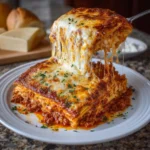
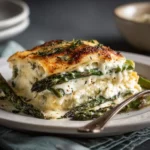
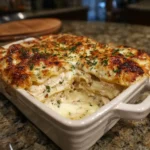
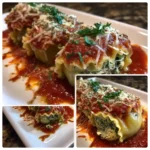
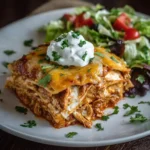
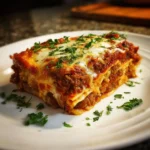
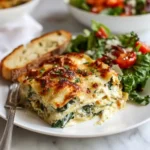
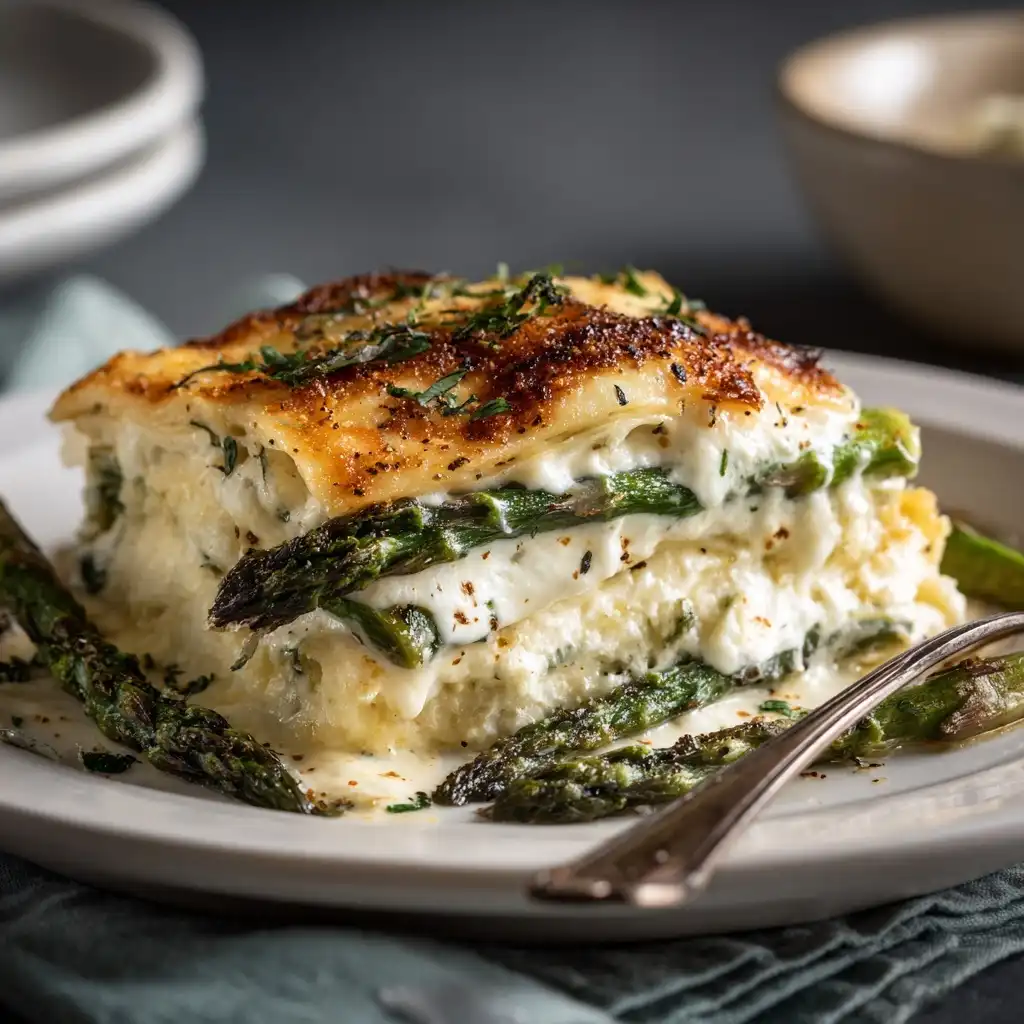
Creamy Asparagus Lasagna is a sophisticated, seasonal twist on the beloved Italian classic—elevating comfort food with the delicate earthiness of fresh asparagus, velvety béchamel or ricotta-based sauce, and layers of tender pasta. Unlike traditional meat-heavy versions, this rendition celebrates spring’s finest green vegetable while delivering rich texture, nuanced flavor, and elegant balance. It’s hearty enough for a satisfying main course yet refined enough to impress guests at dinner parties, potlucks, or Sunday family suppers. Whether you’re a longtime lasagna enthusiast or a first-time layerer, this recipe marries simplicity with sophistication—offering depth without complexity, freshness without fragility, and creaminess without heaviness.
The History
Lasagna’s roots stretch back over 700 years—to 13th-century Italy, where early versions appeared in the medieval cookbook Liber de Coquina, featuring layered pasta sheets with grated cheese and spices, baked without tomato sauce (which wouldn’t arrive from the Americas until the 16th century). The modern American-style lasagna—with ricotta, mozzarella, and marinara—evolved significantly in the mid-20th century through Italian-American culinary adaptation. Asparagus, meanwhile, has been cultivated since ancient Egypt and Greece, prized by Romans for its medicinal properties and culinary versatility. Its integration into lasagna is a relatively recent innovation—gaining traction in the 1990s and 2000s alongside the farm-to-table movement and rising interest in vegetable-forward, lighter interpretations of classic dishes. Chefs like Alice Waters and later, publications such as Bon Appétit and Food & Wine, helped popularize seasonal, ingredient-driven lasagnas—paving the way for creamy, herb-infused, asparagus-centric iterations that honor both tradition and terroir.
Ingredients Breakdown
Every element in Creamy Asparagus Lasagna serves a distinct structural, textural, and flavor purpose—no ingredient is arbitrary. Below is a detailed functional analysis:
- No-Boil Lasagna Noodles: Engineered to absorb moisture during baking, eliminating pre-cooking. Their thickness and starch content help bind layers and prevent sogginess—especially crucial when pairing with watery vegetables like asparagus.
- Fresh Asparagus: Choose medium-thick spears (¼–⅜ inch diameter) for optimal tenderness and bite. Thin spears overcook easily; thick ones may remain fibrous. The tips offer sweetness and vibrant color; the lower stalks (when peeled) contribute earthy depth. Blanching preserves chlorophyll (intense green hue) and tames raw grassiness.
- Whole-Milk Ricotta: High-fat ricotta provides luxurious creaminess and mild tang. Low-moisture varieties (drained overnight in cheesecloth) prevent pooling and ensure cohesive layer integrity. Part-skim ricotta requires additional thickening (e.g., egg + cornstarch) to avoid weeping.
- Grated Parmigiano-Reggiano: Aged minimum 24 months for complex umami, nuttiness, and crystalline crunch. Adds saline depth and helps brown the top layer. Avoid pre-grated “Parmesan” blends—they contain anti-caking agents that inhibit melting and flavor development.
- Full-Fat Mozzarella (low-moisture, block-cut): Provides superior melt, stretch, and browning versus shredded grocery versions. Shredding it yourself ensures even distribution and avoids cellulose fillers that create greasy separation.
- Garlic & Shallots: Shallots offer subtler, sweeter allium notes than onions—complementing asparagus without overpowering. Garlic adds aromatic warmth; sautéed gently to avoid bitterness.
- Fresh Herbs (Thyme, Lemon Zest, Chives): Thyme’s floral-earthy profile harmonizes with asparagus; lemon zest brightens richness; chives add oniony freshness post-bake for contrast.
- Heavy Cream or Whole-Milk Béchamel Base: Heavy cream lends opulent mouthfeel and stabilizes the ricotta mixture. Alternatively, a roux-thickened béchamel (butter + flour + milk) adds silkiness and structural support—especially helpful in high-moisture variations.
- Nutmeg & White Pepper: Freshly grated nutmeg enhances dairy’s warmth without spice; white pepper delivers subtle heat without black specks—ideal for aesthetic cohesion.
- Olive Oil & Butter: Olive oil sautés aromatics and adds fruitiness; butter enriches the sauce base and contributes Maillard-derived complexity.
Step-by-Step Recipe
- Prep the Asparagus (25 minutes, including chilling): Rinse 1½ lbs (680 g) asparagus. Snap off woody ends (they’ll naturally break at the tender point). Peel lower 2 inches of stalks with a vegetable peeler. Cut spears diagonally into 1½-inch pieces, keeping tips intact. Blanch in salted boiling water (2 tbsp kosher salt per quart) for 90 seconds—just until bright green and slightly tender. Immediately plunge into ice water for 2 minutes. Drain thoroughly in a fine-mesh strainer; press gently with paper towels to remove excess moisture. Refrigerate uncovered for 15 minutes to further dry—critical for preventing sauce dilution.
- Prepare the Creamy Ricotta Filling (12 minutes): In a large bowl, combine 2 cups (500 g) whole-milk ricotta, ¾ cup (75 g) finely grated Parmigiano-Reggiano, 2 large eggs, ½ cup (120 ml) heavy cream, 1 tsp lemon zest, 1 tbsp fresh thyme leaves (finely chopped), ¼ tsp freshly grated nutmeg, ¼ tsp white pepper, and ½ tsp fine sea salt. Whisk vigorously for 90 seconds until completely smooth and airy—this incorporates air for lightness and prevents graininess. Fold in blanched asparagus gently with a spatula; do not overmix.
- Sauté Aromatics & Build Flavor Base (8 minutes): Heat 2 tbsp extra-virgin olive oil and 1 tbsp unsalted butter in a wide skillet over medium-low heat. Add 2 finely minced shallots and 2 minced garlic cloves. Sauté gently for 4–5 minutes until translucent and fragrant—do not brown. Stir in 1 tbsp all-purpose flour; cook 1 minute to eliminate raw taste. Gradually whisk in 1 cup (240 ml) whole milk until smooth. Simmer 3–4 minutes until slightly thickened (coats the back of a spoon). Remove from heat; cool 5 minutes before folding into ricotta mixture (prevents curdling).
- Assemble with Precision (10 minutes): Preheat oven to 375°F (190°C). Lightly grease a 9×13-inch (23×33 cm) ceramic or stainless-steel baking dish. Spread ¾ cup (180 ml) marinara or roasted tomato sauce (optional but recommended for acidity balance) evenly across the bottom. Layer 4 no-boil lasagna noodles (slightly overlapping if needed). Spread ⅓ of ricotta-asparagus mixture (approx. 1¾ cups) evenly. Sprinkle with ⅓ of 2 cups (200 g) shredded low-moisture mozzarella and 2 tbsp Parmigiano-Reggiano. Repeat two more times: noodles → filling → cheese. Top final layer with remaining noodles, remaining sauce (if using), remaining mozzarella, and generous Parmigiano-Reggiano. Drizzle with 1 tbsp olive oil.
- Bake with Strategic Covering (65 minutes total): Cover tightly with aluminum foil (tent slightly to prevent cheese sticking). Bake 45 minutes. Carefully remove foil; rotate dish 180°. Bake uncovered 20 minutes until top is deeply golden, edges bubble vigorously, and center registers 165°F (74°C) on an instant-read thermometer. Rest uncovered 25 minutes—this allows starches to set, prevents sliding layers, and lets residual heat finish cooking the center.
- Finishing Touches (5 minutes): Just before serving, sprinkle with 2 tbsp finely snipped fresh chives and a final grating of lemon zest. Optional: drizzle with high-quality lemon-infused olive oil or aged balsamic reduction.
Tips
- Dry Asparagus Relentlessly: Excess water is the #1 cause of soupy lasagna. After blanching, spin in a salad spinner, then lay on triple-layered paper towels, cover with more towels, and press firmly. Refrigerate uncovered—evaporation continues even cold.
- Layer Noodles Strategically: Place noodles perpendicular to the previous layer (e.g., first layer lengthwise, second crosswise) to reinforce structure and reduce shifting during slicing.
- Use a Thermometer: Don’t guess doneness. Insert probe into center—165°F ensures food safety and proper starch gelatinization. Underbaked lasagna collapses; overbaked dries out ricotta.
- Rest Is Non-Negotiable: Cutting too soon releases steam and causes layers to slump. A full 25-minute rest allows proteins to relax and sauces to reabsorb.
- Choose Your Pan Wisely: Ceramic retains heat longer—ideal for even baking—but extends carryover cooking. Stainless steel heats faster and offers crisper edges. Avoid dark nonstick pans—they overbrown bottoms.
- Whisk Ricotta Like You Mean It: Use a balloon whisk—not a spoon—for full aeration. This transforms dense curds into cloud-like texture that melds seamlessly with cheese and herbs.
- Grate Cheese Yourself: Pre-shredded cheeses contain potato starch or cellulose, which repels moisture and creates greasy pools instead of cohesive melt.
- Boost Umami Without Meat: Stir 1 tsp white miso paste or ½ tsp mushroom powder into the ricotta mixture—it deepens savoriness without altering flavor profile.
- Freeze Smart: Assemble unbaked lasagna; wrap tightly in plastic + foil. Freeze up to 3 months. Bake frozen—add 25 minutes covered, then 25 uncovered—no thawing needed.
- Slice Cleanly: Use a sharp, thin-bladed chef’s knife dipped in hot water between cuts. Wipe blade clean after each slice.
Variations and Customizations
Vegetarian & Vegan Adaptations
- Vegan Version: Substitute cashew ricotta (soaked raw cashews + lemon juice + nutritional yeast + garlic + salt, blended ultra-smooth), tofu “mozzarella” (blended firm tofu + tapioca starch + apple cider vinegar), and vegan parmesan (blended walnuts + nutritional yeast + garlic powder + salt). Use lentil or chickpea pasta sheets for added protein.
- Gluten-Free Option: Use certified GF no-boil lasagna noodles (brown rice + quinoa blends hold up best). Ensure all sauces and cheeses are GF-certified (some Parmigiano contains wheat-based enzymes).
Protein Enhancements
- Pancetta or Prosciutto: Render 4 oz diced pancetta until crisp; fold into ricotta mixture. Or layer thin prosciutto slices between noodle layers for salty, savory ribbons.
- White Beans: Fold 1 cup rinsed cannellini beans (mashed slightly) into ricotta—adds creaminess, fiber, and subtle nuttiness.
- Poached Eggs: For brunch lasagna—bake as directed, then make small wells in the top layer before final 5 minutes. Crack eggs into wells; return to oven until whites set but yolks remain runny.
Seasonal & Global Twists
- Spring Herb Garden: Add 2 tbsp chopped fava beans, 1 tbsp edible pea shoots, and 1 tsp chopped chervil to the filling.
- Mediterranean: Replace thyme with oregano; add ¼ cup chopped sun-dried tomatoes (oil-packed, patted dry) and 2 tbsp crumbled feta to ricotta.
- Asian-Inspired: Swap ricotta for silken tofu blend; use tamari instead of salt; add grated ginger, scallions, and toasted sesame oil to filling; top with nori strips and black sesame seeds.
- Roasted Garlic & Caramelized Leek: Roast 1 whole head garlic; squeeze pulp into ricotta. Sauté 2 sliced leeks (white/light green only) in butter until golden-brown before adding to filling.
Dietary & Texture Modifications
- Lower-Carb/Keto: Replace noodles with thinly sliced zucchini or eggplant (salted, pressed 30 mins, patted dry). Reduce ricotta to 1½ cups; increase mozzarella and Parmigiano for binding.
- Extra-Creamy: Add ¼ cup mascarpone to ricotta mixture for decadent richness and improved stability.
- Crunchy Topping: Mix ½ cup panko breadcrumbs with 2 tbsp melted butter, 1 tbsp Parmigiano, and 1 tsp lemon zest; sprinkle over lasagna in last 10 minutes of baking.
Health Considerations and Nutritional Value
A single 8-ounce (227 g) serving of Creamy Asparagus Lasagna (based on standard recipe with whole ingredients) delivers approximately:
- Calories: 425–460 kcal
- Protein: 24–28 g (ricotta, mozzarella, Parmigiano provide complete amino acid profile)
- Fat: 22–26 g (mostly unsaturated from olive oil, dairy fats; ~8–10 g saturated)
- Carbohydrates: 32–36 g (primarily complex carbs from pasta; fiber ~4 g)
- Fiber: 4–5 g (asparagus contributes 2.5 g/serving; whole-wheat noodles boost to ~7 g)
- Vitamins & Minerals: Exceptionally high in Vitamin K (240% DV from asparagus), folate (65% DV), Vitamin A (45% DV), and potassium (22% DV). Contains bioactive compounds like glutathione (antioxidant), rutin (vascular support), and asparagine (natural diuretic).
Heart Health: Monounsaturated fats (olive oil), potassium (blood pressure regulation), and dietary nitrates (vasodilation) support cardiovascular function. Limit sodium by using low-sodium marinara or omitting added salt in ricotta.
Digestive Wellness: Asparagus contains inulin—a prebiotic fiber feeding beneficial gut bacteria. Pair with probiotic-rich side (e.g., plain Greek yogurt salad) for synbiotic effect.
Weight Management: High protein + fiber promotes satiety. Portion control is key—serve with large arugula salad dressed in lemon vinaigrette to increase volume with minimal calories.
Considerations: Those with lactose intolerance may tolerate aged cheeses (Parmigiano) and low-moisture mozzarella better than ricotta—opt for lactose-free ricotta or strained cottage cheese alternative. For histamine sensitivity, avoid aged cheeses and use fresh mozzarella di bufala and farmer’s cheese instead.
Ingredients
- 1½ lbs (680 g) fresh asparagus, woody ends snapped, peeled lower 2 inches
- 1 tbsp kosher salt (for blanching water)
- 2 tbsp extra-virgin olive oil, plus more for drizzling
- 1 tbsp unsalted butter
- 2 medium shallots, finely minced (about ½ cup)
- 2 garlic cloves, minced
- 1 tbsp all-purpose flour
- 1 cup (240 ml) whole milk
- 2 cups (500 g) whole-milk ricotta cheese, well-drained
- ¾ cup (75 g) finely grated Parmigiano-Reggiano, plus more for topping
- 2 large eggs
- ½ cup (120 ml) heavy cream
- 1 tsp finely grated lemon zest
- 1 tbsp fresh thyme leaves, finely chopped
- ¼ tsp freshly grated nutmeg
- ¼ tsp freshly ground white pepper
- ½ tsp fine sea salt
- 2 cups (200 g) low-moisture mozzarella, shredded (not pre-shredded)
- 4 oz (115 g) no-boil lasagna noodles (about 12 sheets)
- ¾ cup (180 ml) high-quality marinara or roasted tomato sauce (optional but recommended)
- 2 tbsp fresh chives, finely snipped (for garnish)
Directions
- Bring a large pot of water to boil. Add 1 tbsp kosher salt. Prepare ice bath. Blanch asparagus pieces (including tips) for 90 seconds. Transfer immediately to ice bath for 2 minutes. Drain in fine-mesh strainer; press dry with paper towels. Refrigerate uncovered 15 minutes.
- Heat olive oil and butter in skillet over medium-low heat. Add shallots and garlic; sauté 4–5 minutes until soft. Whisk in flour; cook 1 minute. Gradually whisk in milk; simmer 3–4 minutes until thickened. Cool 5 minutes.
- In large bowl, whisk ricotta, ¾ cup Parmigiano, eggs, cream, lemon zest, thyme, nutmeg, white pepper, and salt until ultra-smooth (90 seconds). Fold in cooled béchamel, then gently fold in asparagus.
- Preheat oven to 375°F (190°C). Grease 9×13-inch baking dish. Spread ¾ cup sauce on bottom. Layer 4 noodles. Spread ⅓ ricotta mixture. Sprinkle with ⅓ mozzarella and 2 tbsp Parmigiano. Repeat twice. Top with remaining noodles, any remaining sauce, remaining mozzarella, and generous Parmigiano. Drizzle with 1 tbsp olive oil.
- Cover tightly with foil. Bake 45 minutes. Remove foil; rotate dish. Bake uncovered 20 minutes until golden and bubbling. Internal temperature should read 165°F (74°C).
- Let rest uncovered 25 minutes. Garnish with chives and extra lemon zest. Serve warm.
FAQ
- Can I use frozen asparagus?
- Fresh is strongly recommended—frozen asparagus becomes mushy and releases excessive water, compromising texture. If essential, thaw completely, squeeze *aggressively* in a towel, and roast at 425°F for 12 minutes to drive off moisture before using.
- Why no marinara? Can I skip it?
- You can omit it—but acidity balances the richness. Without it, the dish may taste cloyingly heavy. Substitute 2 tbsp white wine vinegar + 1 tsp honey whisked into ¼ cup ricotta for brightness.
- My lasagna is watery. What went wrong?
- Most commonly: insufficiently dried asparagus, under-drained ricotta, or cutting too soon. Also check for over-sauced layers or using pre-shredded cheese with anti-caking agents.
- Can I prepare this a day ahead?
- Absolutely. Assemble fully (unbaked), cover tightly, and refrigerate up to 24 hours. Add 5–10 minutes to covered bake time if going straight from fridge to oven.
- What’s the best way to reheat leftovers?
- Individual portions: Microwave covered 90 seconds, then 30-second intervals until hot. For whole pan: Cover with foil, bake at 350°F for 25–30 minutes. Always reheat to 165°F internally.
- Is there a low-sodium version?
- Yes. Omit added salt; use no-salt-added tomato sauce; choose low-sodium ricotta (check labels); boost flavor with lemon zest, herbs, roasted garlic, and nutritional yeast.
- Can I use spinach instead of asparagus?
- Yes—but adjust technique: Wilt 10 oz fresh spinach, squeeze *extremely* dry (like a sponge), and chop finely. Reduce ricotta by ¼ cup to compensate for moisture.
- How do I make it spicier?
- Add ¼ tsp red pepper flakes to sautéed shallots, or stir 1 tbsp harissa into the ricotta mixture. For subtle heat, top with pickled jalapeños before baking.
- Why does my top layer look pale?
- Ensure oven rack is in upper third. Broil 1–2 minutes *after* resting if needed—but watch constantly. Using a convection setting adds crispness.
- Can kids enjoy this?
- Yes! Omit nutmeg/white pepper initially. Kids love the creamy texture and mild asparagus flavor—especially when served with a side of marinara for dipping.
Summary
Creamy Asparagus Lasagna is a masterclass in seasonal elegance—transforming humble spring asparagus into a luscious, layered centerpiece through precise blanching, intelligent cheese selection, and patient assembly. It delivers restaurant-worthy depth with home-kitchen accessibility, balancing vibrant freshness, velvety richness, and comforting structure in every forkful.
Whether enjoyed as a weeknight triumph or a centerpiece for celebrations, this lasagna proves that vegetarian cooking need not sacrifice satisfaction—and that the simplest ingredients, treated with reverence and technique, yield extraordinary results.