Introduction
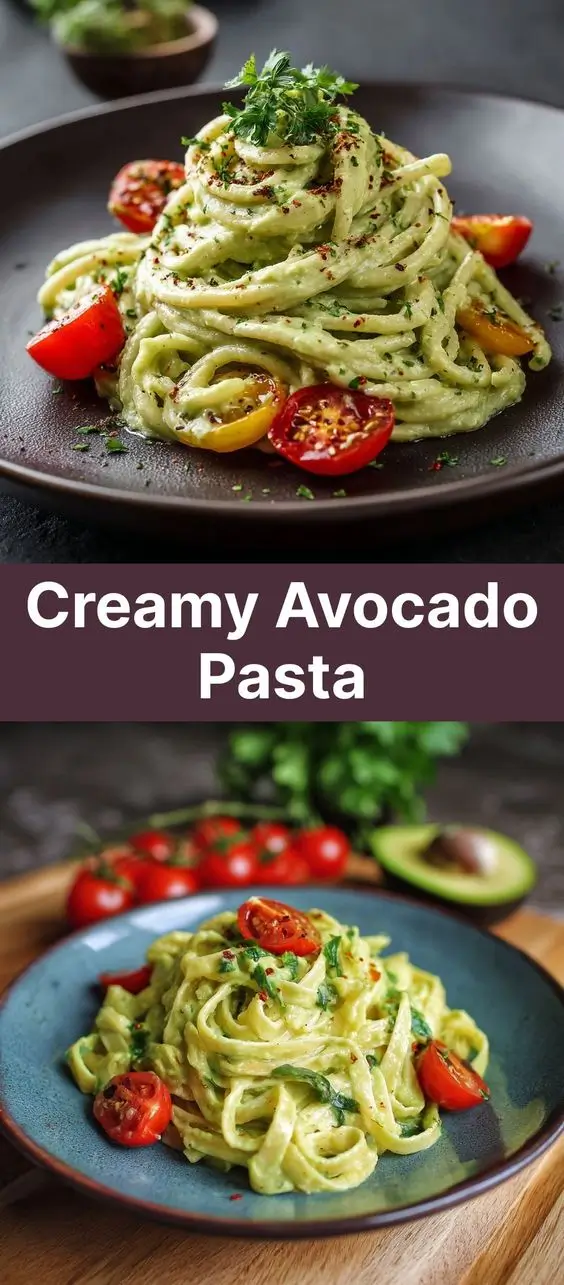
Creamy Avocado Pasta is a modern culinary delight that bridges the gap between health-conscious eating and indulgent flavor. This dish has rapidly gained popularity in recent years, especially among those seeking plant-based, dairy-free alternatives to traditional creamy pasta sauces. What sets this recipe apart is its velvety texture, vibrant green hue, and rich, buttery taste—achieved entirely from the humble avocado. Unlike heavy cream- or cheese-based sauces, avocado brings natural richness while offering heart-healthy fats, fiber, and a host of essential nutrients. Whether you’re a seasoned chef or a beginner in the kitchen, this pasta is both approachable and deeply satisfying. It’s perfect for a quick weeknight dinner, a vibrant lunch option, or even an elegant presentation at a summer gathering. The beauty of Creamy Avocado Pasta lies not only in its taste but also in its versatility—easily adaptable to various dietary preferences including vegan, gluten-free, and nut-free lifestyles.
The History
While pasta has ancient roots tracing back to Italy, and avocados originate from Mesoamerica with cultivation dating as far back as 5000 BCE, the fusion of these two ingredients into a creamy pasta dish is a relatively new phenomenon. Traditional Italian pesto, made with basil, garlic, pine nuts, Parmesan, and olive oil, has long been a staple, but the modern reinterpretation using avocado likely emerged in the late 20th century as global palates began embracing fusion cuisine and healthier cooking methods. The rise of food blogs, social media platforms like Instagram and Pinterest, and the growing interest in clean eating during the 2010s propelled avocado-based recipes into the spotlight. Influenced by Californian cuisine—known for its fresh, produce-forward dishes—Creamy Avocado Pasta became a symbol of contemporary wellness culture. Chefs and home cooks alike started experimenting with avocado as a substitute for dairy, discovering that its creamy consistency mimics Alfredo sauce when blended properly. Over time, variations incorporating lemon juice, herbs, and plant-based milk have refined the dish into a globally celebrated meal that honors both tradition and innovation.
Ingredients Breakdown
The magic of Creamy Avocado Pasta lies in its simple yet thoughtfully chosen ingredients, each contributing to flavor, texture, and nutrition:
- Avocados: The star ingredient. Ripe Hass avocados are preferred for their creamy texture and deep, nutty flavor. They form the base of the sauce, replacing heavy cream or butter.
- Pasta: Traditionally, spaghetti or linguine is used, but any long or short pasta works. For gluten-free options, use brown rice, chickpea, or lentil-based pasta.
- Fresh Basil: Adds a bright, herbal note that complements the richness of avocado. Can be substituted with parsley for a milder taste.
- Garlic: Provides depth and a slight pungency. Raw garlic gives a bold kick, while roasted garlic offers a sweeter, more nuanced flavor.
- Lemon Juice: Essential for balancing the richness of avocado with acidity. It also helps prevent oxidation, keeping the sauce vibrantly green.
- Olive Oil: Enhances creaminess and carries fat-soluble flavors. Extra virgin olive oil adds a peppery finish.
- Nutritional Yeast (optional): A vegan alternative to Parmesan cheese, adding a cheesy, umami flavor without dairy.
- Plant-Based Milk (optional): Unsweetened almond, oat, or cashew milk can be added to thin the sauce for a silkier consistency.
- Salt and Pepper: To enhance overall flavor. Use sea salt or kosher salt for best results.
- Cherry Tomatoes, Pine Nuts, Red Pepper Flakes: Optional add-ins for texture, color, and heat.
Each component plays a crucial role—avocado for creaminess, acid for brightness, herbs for freshness, and seasonings for complexity. Together, they create a harmonious blend that feels luxurious yet wholesome.
Step-by-Step Recipe
- Cook the Pasta: Bring a large pot of salted water to a boil. Add your choice of pasta and cook according to package instructions until al dente. Reserve about 1 cup of pasta water before draining. Set aside.
- Prepare the Avocado Sauce: While the pasta cooks, cut 2 ripe avocados in half, remove the pits, and scoop the flesh into a blender or food processor. Add the juice of 1 lemon, 2 cloves of garlic, 1/4 cup fresh basil leaves, 3 tablespoons olive oil, 2 tablespoons nutritional yeast (if using), and a pinch of salt and pepper.
- Blend Until Smooth: Blend the ingredients on high speed until completely smooth and creamy. If the sauce is too thick, gradually add 2–4 tablespoons of unsweetened plant-based milk or reserved pasta water to reach a silky, pourable consistency.
- Taste and Adjust: Stop blending and taste the sauce. Adjust seasoning with more salt, lemon juice, or nutritional yeast as needed. For heat, add a pinch of red pepper flakes.
- Combine Pasta and Sauce: In a large mixing bowl, add the drained pasta. Pour the avocado sauce over the warm noodles and toss thoroughly using tongs or a large spoon. Add splashes of reserved pasta water as needed to help the sauce coat every strand.
- Add Extras: Fold in halved cherry tomatoes, toasted pine nuts, or chopped fresh herbs for added texture and flavor.
- Serve Immediately: Divide the pasta into bowls. Garnish with extra basil, a drizzle of olive oil, cracked black pepper, and a sprinkle of nutritional yeast or vegan Parmesan if desired.
This entire process takes less than 25 minutes, making it ideal for fast, nutritious meals without sacrificing gourmet appeal.
Tips
- Use Ripe Avocados: Choose avocados that yield slightly to gentle pressure. Underripe ones won’t blend smoothly, and overripe ones may taste off.
- Prevent Browning: The lemon juice is critical to maintaining the sauce’s vibrant green color. Serve immediately or press plastic wrap directly onto the surface if storing briefly.
- Warm Pasta Helps Emulsify: Tossing the sauce with hot pasta helps it absorb flavors and creates a cohesive dish. Cold pasta will make the sauce clump.
- Reserve Pasta Water: The starchy liquid helps bind the sauce to the pasta, improving texture and preventing dryness.
- Don’t Over-blend Garlic: Too much garlic can overpower the delicate avocado. Start with one clove and adjust to taste.
- Toasting Nuts: Lightly toast pine nuts or walnuts in a dry pan for 2–3 minutes to enhance their flavor before adding to the dish.
- Blending Alternatives: No blender? Mash the avocado finely with a fork and whisk vigorously with other sauce ingredients in a bowl.
- Serve Immediately: Avocado oxidizes quickly. If you must prepare ahead, store sauce components separately and combine just before serving.
Variations and Customizations
Creamy Avocado Pasta is highly customizable to suit different tastes and dietary needs:
- Vegan & Dairy-Free: Already naturally dairy-free. Ensure all additional ingredients (like plant-based milk) are certified vegan.
- Gluten-Free: Use gluten-free pasta made from rice, quinoa, or legumes. Always check labels for cross-contamination if allergies are a concern.
- Protein Boost: Add grilled chicken, shrimp, tofu, tempeh, or white beans for a more filling meal.
- Herb Variations: Swap basil for cilantro, parsley, dill, or arugula depending on flavor preference. Cilantro gives a Mexican twist; dill pairs well with salmon.
- Creamier Texture: Add 1/4 of a ripe banana (unsweetened) or 2 tablespoons of raw cashews (soaked) to boost creaminess without altering flavor significantly.
- Spicy Version: Blend in a jalapeño (seeds removed) or add cayenne pepper, sriracha, or harissa paste for heat.
- Umami-Rich Twist: Stir in a teaspoon of white miso paste or soy sauce for deeper savoriness.
- Low-Fat Option: Reduce olive oil and increase vegetable broth or pasta water to thin the sauce while lowering fat content.
- Avocado Pesto Fusion: Combine traditional pesto ingredients with avocado for a hybrid sauce—use less oil since avocado provides fat.
- Seafood Integration: Pair with seared scallops or smoked salmon for an elegant brunch or dinner option.
- Roasted Vegetable Addition: Mix in roasted zucchini, bell peppers, mushrooms, or asparagus for a heartier, nutrient-dense version.
Health Considerations and Nutritional Value
Creamy Avocado Pasta isn’t just delicious—it’s packed with beneficial nutrients:
- Heart-Healthy Fats: Avocados are rich in monounsaturated fats, particularly oleic acid, which supports cardiovascular health and reduces inflammation.
- Fiber Content: One avocado provides about 10 grams of fiber, aiding digestion and promoting satiety. Combined with whole-grain or legume-based pasta, fiber intake increases further.
- Vitamins and Minerals: Excellent source of potassium (more than bananas), vitamin K, vitamin E, vitamin C, and B-vitamins like folate.
- Antioxidants: Contains lutein and zeaxanthin, which support eye health, and glutathione, a powerful antioxidant.
- Dairy-Free & Cholesterol-Free: Ideal for individuals managing lactose intolerance, cholesterol levels, or following plant-based diets.
- Low in Sugar: Naturally low in sugars, especially when no sweeteners are added.
- Energy-Dense: While nutritious, avocados are calorie-dense. A single serving of sauce uses about half to one avocado, so portion control may be necessary for weight management goals.
- Allergen Notes: Typically free from common allergens like dairy, eggs, and nuts—but verify ingredients if using nut-based milk or seeds like pine nuts.
- Balanced Meal: When paired with protein (tofu, legumes, chicken) and vegetables, this dish becomes a well-rounded meal supporting muscle repair, energy, and immune function.
Overall, Creamy Avocado Pasta stands out as a functional food—delicious and nourishing, supporting long-term health without compromising on taste.
Ingredients
- 8 oz (225g) pasta (spaghetti, fettuccine, or gluten-free alternative)
- 2 ripe Hass avocados
- Juice of 1 large lemon (about 3–4 tbsp)
- 2 cloves garlic, peeled
- 1/4 cup fresh basil leaves, loosely packed
- 3 tbsp extra virgin olive oil
- 2 tbsp nutritional yeast (optional)
- Salt and freshly ground black pepper, to taste
- 2–4 tbsp unsweetened plant-based milk (almond, oat, or cashew) or reserved pasta water
- 1 cup cherry tomatoes, halved
- 2 tbsp toasted pine nuts (optional)
- Pinch of red pepper flakes (optional)
Directions
- Bring a large pot of salted water to a rolling boil. Add pasta and cook until al dente (follow package instructions). Before draining, reserve 1 cup of starchy pasta water. Drain pasta and set aside.
- Cut avocados in half, remove pits, and scoop flesh into a blender or food processor.
- Add lemon juice, garlic, basil, olive oil, nutritional yeast, salt, and pepper to the blender.
- Blend on high speed until smooth and creamy, scraping down sides as needed.
- If too thick, add plant-based milk or pasta water one tablespoon at a time until desired consistency is reached.
- Taste and adjust seasoning—add more lemon for brightness, salt for depth, or red pepper flakes for heat.
- In a large bowl, combine hot drained pasta and avocado sauce. Toss well to coat evenly, adding splashes of reserved pasta water to help emulsify.
- Gently fold in cherry tomatoes and toasted pine nuts.
- Divide into serving bowls. Garnish with extra basil, a drizzle of olive oil, cracked pepper, and a sprinkle of nutritional yeast.
- Serve immediately for best flavor and color.
FAQ
Can I make Creamy Avocado Pasta ahead of time?
It’s best served fresh due to avocado’s tendency to oxidize and turn brown. However, you can prep ingredients in advance—cook pasta, store separately; mash avocado with lemon juice and keep covered tightly. Combine just before serving.
Why is my sauce turning brown?
Oxidation occurs when avocado is exposed to air. Lemon juice slows this process, but immediate consumption is key. Press plastic wrap directly on the sauce surface if storing briefly.
Can I freeze this pasta?
Freezing is not recommended. Avocado breaks down when frozen and thawed, resulting in a watery, separated texture.
Is this recipe kid-friendly?
Yes! Many children enjoy the creamy, mild taste. You can reduce garlic and add cherry tomatoes or corn to make it more appealing.
What can I substitute for nutritional yeast?
You can omit it or replace with 1–2 tbsp grated Parmesan (if not vegan) or a dash of white miso paste for umami.
Can I use lime instead of lemon?
Absolutely. Lime juice works well and adds a tropical flair, though lemon is preferred for its neutral acidity.
How do I store leftovers?
Store in an airtight container with plastic wrap pressed directly onto the surface. Consume within 6–12 hours. Reheat gently or serve cold.
Is this pasta suitable for meal prep?
Only for same-day prep. Assemble portions and refrigerate up to 6 hours, but expect some darkening. Best for lunches prepared in the morning.
Summary (in two lines)
Creamy Avocado Pasta is a vibrant, nutrient-rich dish that combines the lush texture of ripe avocados with fresh herbs and al dente pasta for a dairy-free, flavorful meal. Quick to make and endlessly customizable, it’s a modern classic that satisfies both taste buds and wellness goals.