Introduction
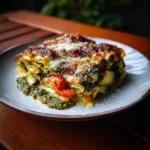
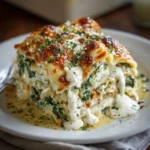
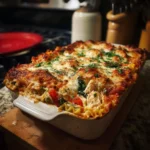
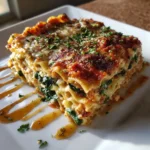
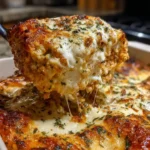
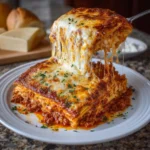
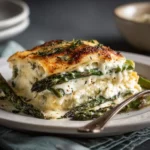
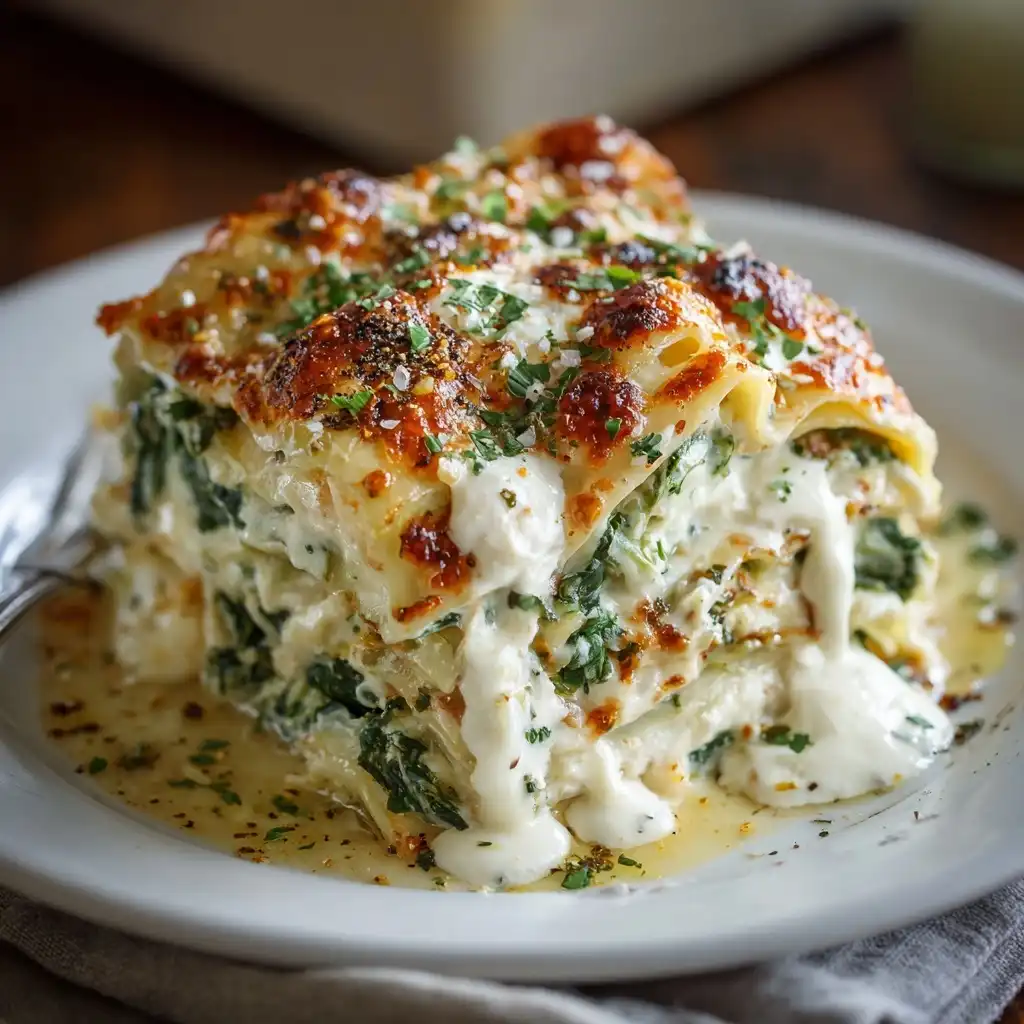
Creamy Lemon Spinach Lasagna is a vibrant, modern twist on the beloved Italian classic—elevating comfort food with bright citrus notes, velvety texture, and nutrient-dense greens. Unlike traditional lasagnas that rely heavily on ricotta, mozzarella, and meat, this version centers on freshness, balance, and sophistication: zesty lemon zest and juice cut through the richness of creamy cheese sauces, while tender spinach adds earthy depth and a pop of emerald color. It’s a dish that feels indulgent yet refreshingly light—a perfect centerpiece for spring dinners, weeknight family meals, or elegant entertaining. Whether you’re a seasoned home cook or new to layered pasta bakes, this recipe delivers restaurant-quality results with approachable techniques and pantry-friendly ingredients.
The History
Lasagna’s origins trace back over 700 years—to 13th-century Italy, where early versions appeared in the medieval cookbook Liber de Coquina, featuring layers of dough, grated cheese, and spices, baked without tomato sauce (which wouldn’t arrive from the Americas until the 16th century). Over centuries, regional variations flourished: Emilia-Romagna claimed the iconic lasagne verdi (spinach-infused green noodles), while Naples introduced rich meat ragù and béchamel. The marriage of spinach and lasagna became especially prominent in northern Italy, where fresh garden greens were abundant and often incorporated into egg-enriched pasta dough. The “lemon” element, however, is a contemporary innovation—inspired by Mediterranean and Middle Eastern culinary traditions where citrus brightens dairy-based dishes (think Greek avgolemono or Lebanese labneh with lemon). Chefs and home cooks alike began experimenting in the early 2000s, adding lemon to ricotta fillings to counterbalance richness and enhance herbal notes—leading to today’s widely celebrated Creamy Lemon Spinach Lasagna, now featured in top food magazines, wellness blogs, and farm-to-table menus across North America and Europe.
Ingredients Breakdown
Every component in this lasagna serves a distinct purpose—textural contrast, flavor layering, nutritional synergy, and structural integrity:
- Fresh Baby Spinach (12 oz / ~340g): Mild, tender, and packed with iron, folate, vitamin K, and antioxidants. Sautéing removes excess water and concentrates flavor—critical to prevent a soggy bake.
- Full-Fat Ricotta Cheese (2 cups / 500g): Provides luxurious creaminess and mild sweetness. Opt for whole-milk, small-batch ricotta for optimal fat content and grain-free texture—low-fat versions yield a watery, chalky filling.
- Grated Parmigiano-Reggiano (1 cup / 90g, plus extra for topping): Adds umami depth, saltiness, and granular richness. Authentic DOP-certified Parmigiano ensures crystalline texture and nutty complexity.
- Fresh Mozzarella (8 oz / 225g, low-moisture, shredded): Melts smoothly without excessive oil separation. Avoid fresh mozzarella di bufala for baking—it releases too much liquid; shredded low-moisture melts evenly and creates delicate stretch.
- Lemon Zest (from 2 large organic lemons) & Juice (3 tbsp): Zest contains aromatic oils—bright, floral, and intensely citrus-forward; juice adds acidity to lift richness and balance fat. Always use unwaxed, organic lemons for zest.
- Garlic (3 cloves, finely minced): Sautéed gently to mellow pungency and infuse the spinach base with savory depth.
- Extra-Virgin Olive Oil (3 tbsp): Used for sautéing—choose a medium-fruity, balanced EVOO (e.g., Tuscan or Greek) that won’t overpower the lemon.
- Nutmeg (¼ tsp, freshly grated): A classic pairing with spinach and dairy—warm, sweet, and subtly spicy; pre-ground loses potency within weeks.
- Sea Salt & Freshly Ground Black Pepper: Essential for seasoning each layer—not just the filling, but also the pasta water and final bake.
- No-Boil Oven-Ready Lasagna Noodles (12 sheets): Engineered to hydrate fully in the oven using sauce moisture. Saves time and eliminates mushy edges—just ensure your sauce has enough liquid (this recipe’s lemon-ricotta and spinach mixture provides ideal hydration).
- Homemade Lemon-Béchamel (optional but recommended): A silken, tangy white sauce made with butter, flour, milk, lemon zest, and a touch of lemon juice—replaces traditional ricotta-heavy layers with airy elegance and refined acidity.
Step-by-Step Recipe
- Prep the Spinach Base: Heat olive oil in a large stainless-steel skillet over medium heat. Add minced garlic; sauté 30 seconds until fragrant—but do not brown. Add spinach in batches, stirring constantly until wilted and deeply green (~3–4 minutes total). Transfer to a fine-mesh strainer; press firmly with the back of a spoon or clean kitchen towel to extract every drop of liquid. Let cool completely. This step is non-negotiable—excess water will steam the noodles and separate the layers.
- Make the Lemon-Ricotta Filling: In a large bowl, combine cooled spinach, ricotta, ¾ cup Parmigiano-Reggiano, lemon zest, lemon juice, nutmeg, 1 tsp sea salt, and ½ tsp black pepper. Use a sturdy spatula or wooden spoon to fold gently—do not overmix or whip, which incorporates air and causes cracking during baking. Taste and adjust: more lemon for brightness, more salt for balance, more nutmeg for warmth.
- Prepare the Lemon-Béchamel (Optional Premium Layer): In a saucepan, melt 3 tbsp unsalted butter over medium-low heat. Whisk in 3 tbsp all-purpose flour; cook 2 minutes until golden and nutty (do not brown). Gradually whisk in 2 cups whole milk (warmed slightly), ensuring no lumps form. Simmer, whisking constantly, until thickened to coat the back of a spoon (~6–8 minutes). Remove from heat; stir in lemon zest from 1 lemon, 1 tbsp lemon juice, ¼ tsp salt, and a pinch of white pepper. Cool 5 minutes before using.
- Assemble with Precision: Preheat oven to 375°F (190°C). Lightly grease a 9×13-inch deep ceramic or glass baking dish (not metal—metal conducts heat too aggressively, risking burnt edges). Spread ½ cup marinara or roasted tomato sauce (optional but recommended for depth) evenly on the bottom. Layer 4 no-boil noodles (slightly overlapping if needed). Top with ⅓ of the lemon-spinach ricotta (approx. 1¾ cups). Dollop ⅓ of the lemon-béchamel (if using) over ricotta and spread gently with an offset spatula. Sprinkle with ¼ cup shredded mozzarella and 2 tbsp Parmigiano. Repeat two more times: noodles → ricotta → béchamel → cheeses. Finish with a final noodle layer, remaining lemon-béchamel (or a thin layer of marinara), then generous coverage of mozzarella and Parmigiano. Drizzle with 1 tsp olive oil for golden crust.
- Bake with Resting Discipline: Cover tightly with parchment-lined aluminum foil (parchment prevents cheese from sticking). Bake 25 minutes. Remove foil; bake uncovered 20–25 minutes until top is deeply golden, edges are bubbling, and internal temperature reaches 165°F (74°C) when checked with an instant-read thermometer at the center. Crucially: Let rest uncovered for 30 full minutes before cutting. This allows starches to set, cheese to re-emulsify, and layers to cohere—cutting too soon yields soupy, sliding slices.
Tips
- Spinach Dryness is Everything: After wilting, place spinach in a clean linen or cotton tea towel and twist like a rope over the sink—wring out relentlessly. Even 1 tablespoon of residual water can compromise the entire structure.
- Ricotta Texture Matters: Drain store-bought ricotta overnight in a fine-mesh strainer over a bowl in the fridge. Or pulse briefly in a food processor with 1 tbsp lemon juice to smooth graininess.
- Noodle Alignment Trick: Soak no-boil noodles in warm water with 1 tsp olive oil for 30 seconds before layering—softens edges and prevents curling during bake.
- Lemon Timing: Add zest *after* ricotta is mixed and cooled—heat dulls volatile citrus oils. Juice can be added earlier, but zest must go in last.
- Layer Thickness Consistency: Use a ½-cup measuring cup for ricotta and a ¼-cup for cheeses—ensures even distribution and prevents dense, cheese-heavy zones.
- Oven Thermometer Required: Built-in oven thermostats are notoriously inaccurate. An external oven thermometer guarantees precise 375°F baking—too hot = scorched top, too cool = under-set layers.
- Resting Is Non-Negotiable: Set a timer. Cutting at 15 minutes yields 40% less defined layers; 30 minutes yields clean, restaurant-style squares with intact strata.
- Reheating Without Sogginess: Place leftovers on a parchment-lined baking sheet, cover loosely with foil, and warm at 325°F for 15–18 minutes. Avoid microwaving—it steams the noodles and separates the cheese.
Variations and Customizations
This recipe is a canvas—adaptable for dietary needs, seasonal produce, and global flavor profiles:
- Vegan Version: Replace ricotta with blended raw cashews (1½ cups soaked + ½ cup unsweetened almond milk + 2 tbsp lemon juice + 1 tsp nutritional yeast + ½ tsp salt); use vegan mozzarella shreds and omit Parmigiano (sub with hemp seed “parm”); swap olive oil for neutral avocado oil.
- Gluten-Free: Use certified GF oven-ready lasagna noodles (Tinkyada or Barilla GF) and ensure all cheeses are GF-labeled (some shredded mozzarellas contain anti-caking starches with gluten).
- Protein-Boosted: Fold in 1 cup cooked lentils, crumbled pan-seared tofu, or shredded rotisserie chicken (cooled and patted dry) into the spinach-ricotta mixture.
- Herb-Forward: Stir ¼ cup chopped fresh dill, chives, or basil into the filling—or add a layer of pesto between noodles and ricotta.
- Roasted Vegetable Upgrade: Add a middle layer of roasted asparagus tips, caramelized leeks, or golden beet ribbons—tossed in lemon zest and olive oil before roasting.
- Mediterranean Twist: Replace lemon with orange zest/juice, add crumbled feta and kalamata olives to the filling, and finish with oregano and toasted pine nuts.
- Low-Carb/Keto: Swap noodles for thinly sliced zucchini or eggplant (salted, pressed, and roasted first), and increase cheese ratio slightly to compensate for lost starch structure.
- Freezer-Friendly Assembly: Assemble unbaked lasagna, wrap tightly in double layers of plastic + foil, freeze up to 3 months. Thaw overnight in fridge, then bake covered 40 min + uncovered 25 min.
Health Considerations and Nutritional Value
A single 1-cup serving (1/9th of the full 9×13 pan) delivers approximately:
- Calories: 345 kcal
- Protein: 22g (high-quality, complete protein from dairy + spinach’s amino acids)
- Fat: 18g (mostly unsaturated from olive oil and cheese; includes conjugated linoleic acid (CLA) from grass-fed dairy)
- Carbohydrates: 24g (of which 3g fiber from spinach and whole-wheat noodles—if substituted)
- Vitamin K: 380% DV (critical for bone health and blood clotting—spinach is among the richest sources)
- Folate: 65% DV (essential for DNA synthesis and prenatal health)
- Vitamin C: 40% DV (enhanced bioavailability thanks to lemon’s citric acid aiding iron absorption from spinach)
- Calcium: 30% DV (primarily from ricotta and Parmigiano)
- Iron: 18% DV (non-heme iron from spinach—optimally absorbed with lemon’s vitamin C)
Dietitian Notes: While rich in saturated fat (11g/serving), the presence of monounsaturated fats (olive oil), antioxidants (spinach polyphenols), and anti-inflammatory compounds (lemon limonene) makes this a metabolically supportive dish. For heart-health-conscious eaters, reduce mozzarella by 25% and boost spinach by 30%. Those managing sodium should use low-sodium ricotta and omit added salt—relying on lemon and herbs for flavor. Lactose-intolerant individuals often tolerate aged cheeses (Parmigiano) and ricotta well due to low lactose content post-production.
Ingredients
- 12 oz (340 g) fresh baby spinach, washed and dried
- 3 tbsp extra-virgin olive oil, divided
- 3 cloves garlic, finely minced
- 2 cups (500 g) full-fat ricotta cheese, well-drained
- 1 cup (90 g) finely grated Parmigiano-Reggiano, divided
- 8 oz (225 g) low-moisture mozzarella cheese, shredded
- Zest of 2 large organic lemons (about 2 tsp)
- 3 tbsp fresh lemon juice (about 1½ lemons)
- ¼ tsp freshly grated nutmeg
- 1½ tsp fine sea salt, plus more to taste
- ½ tsp freshly ground black pepper
- 12 no-boil oven-ready lasagna noodles (regular or whole wheat)
- (Optional) 1½ cups lemon-béchamel sauce (see Step-by-Step)
- (Optional) ½ cup marinara or roasted tomato sauce for base layer
Directions
- Preheat oven to 375°F (190°C). Grease a 9×13-inch baking dish with 1 tsp olive oil.
- In a large skillet, heat 2 tbsp olive oil over medium heat. Add garlic; sauté 30 seconds until fragrant. Add spinach in batches, stirring until fully wilted and reduced (~4 minutes). Transfer to a fine-mesh strainer. Press firmly with a spoon or clean towel to remove ALL excess liquid. Let cool 10 minutes.
- In a large bowl, combine cooled spinach, ricotta, ¾ cup Parmigiano-Reggiano, lemon zest, lemon juice, nutmeg, 1½ tsp salt, and ½ tsp pepper. Fold gently with a spatula until just combined. Do not overmix.
- (Optional but recommended) Prepare lemon-béchamel: Melt 3 tbsp butter in a saucepan. Whisk in 3 tbsp flour; cook 2 minutes. Gradually whisk in 2 cups warm whole milk. Simmer, whisking, until thickened (~7 minutes). Off heat, stir in zest of 1 lemon, 1 tbsp lemon juice, ¼ tsp salt, pinch white pepper. Cool 5 minutes.
- Spread ½ cup marinara (if using) evenly over bottom of prepared dish. Layer 4 noodles (slightly overlapping if needed). Spread ⅓ (about 1¾ cups) lemon-spinach ricotta over noodles. If using béchamel, dollop and gently spread ⅓ of it over ricotta. Sprinkle with ¼ cup mozzarella and 2 tbsp Parmigiano. Repeat layers twice more (noodles → ricotta → béchamel → cheeses).
- Top with final 4 noodles. Spread remaining béchamel (or thin layer of marinara) over top. Cover generously with remaining mozzarella and Parmigiano. Drizzle with remaining 1 tbsp olive oil.
- Cover dish tightly with parchment-lined aluminum foil. Bake 25 minutes. Remove foil; bake uncovered 20–25 minutes until top is golden brown and bubbly around edges.
- Remove from oven. Let rest, uncovered, for exactly 30 minutes before slicing with a sharp chef’s knife wiped clean between cuts.
- Serve warm, garnished with extra lemon zest, fresh dill, or microgreens.
FAQ
- Can I make this ahead of time?
- Absolutely. Assemble up to 1 day ahead, cover tightly, and refrigerate unbaked. Add 5–8 minutes to covered bake time. For longer storage, freeze assembled (unbaked) lasagna up to 3 months—thaw overnight before baking.
- Why does my lasagna turn out watery?
- Almost always due to insufficient spinach drainage. Even “dry” spinach holds ¼–½ cup water. Pressing is mandatory. Also verify noodles are truly no-boil (some generic brands require pre-cooking) and avoid over-saucing with thin marinara.
- Can I use frozen spinach?
- Yes—but thaw completely, then squeeze in a towel until *bone-dry*. You’ll need 10 oz (280 g) frozen, thawed and pressed, to replace 12 oz fresh. Flavor and texture are slightly less vibrant, but nutritionally comparable.
- What if I don’t have lemon zest?
- Zest contributes 80% of lemon’s aromatic impact. Substitute ½ tsp high-quality lemon oil (not extract)—added at the very end. Avoid bottled zest—it lacks volatile oils and tastes metallic.
- Is there a lower-fat version that still tastes great?
- Use part-skim ricotta (drain overnight) and reduce mozzarella by half, replacing volume with extra spinach and 2 tbsp nutritional yeast. Add 1 tbsp tahini to ricotta for creaminess without dairy fat.
- Can I cook this in a convection oven?
- Yes—reduce temperature to 350°F (175°C) and decrease total bake time by 8–10 minutes. Check at 35 minutes covered, then 15 uncovered.
- How do I store and reheat leftovers?
- Refrigerate in an airtight container up to 5 days. Reheat individual portions on a parchment-lined baking sheet at 325°F for 15–18 minutes, covered with foil. For meal prep, freeze slices individually wrapped in parchment + foil.
- Why use no-boil noodles instead of regular?
- No-boil noodles absorb moisture *during* baking, yielding plump, tender layers without mushiness or hard centers. Regular noodles require precise timing and risk overcooking or drying out—especially with lemon’s acidity, which can toughen gluten.
Summary
Creamy Lemon Spinach Lasagna redefines tradition with its luminous citrus spark, velvety dairy harmony, and deeply nourishing greens—transforming a hearty casserole into a celebration of brightness, balance, and seasonal simplicity. Every bite delivers sophisticated flavor architecture, exceptional texture contrast, and robust nutritional benefits—making it as virtuous as it is unforgettable.