Introduction
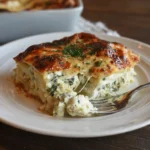
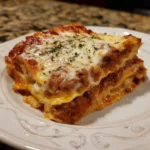
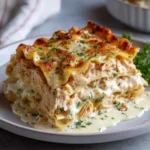
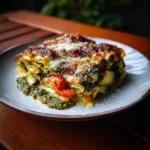
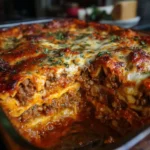
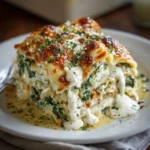
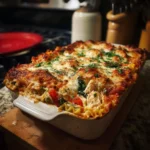
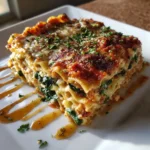
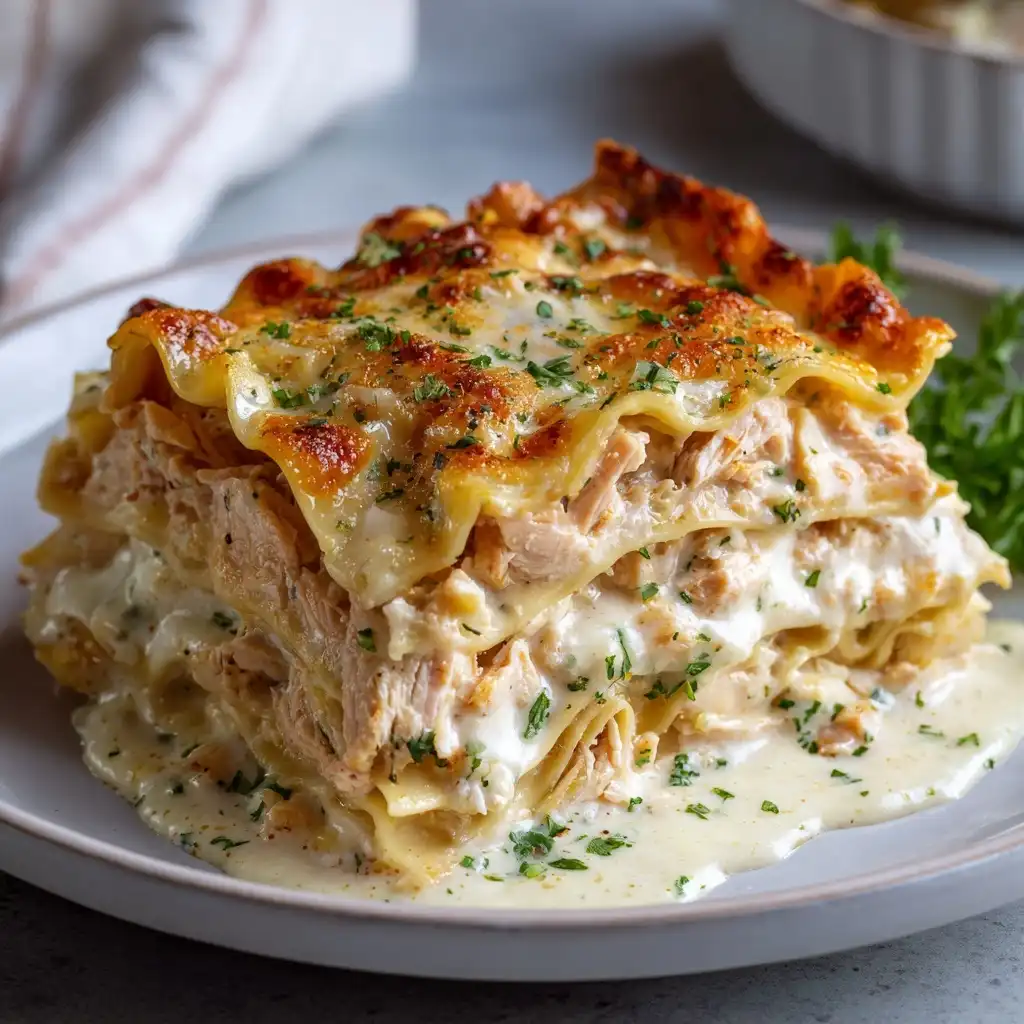
Creamy Parmesan Chicken Lasagna is a decadent, comforting fusion dish that bridges the rich tradition of Italian-American baked pasta with the hearty satisfaction of American comfort food. Unlike classic lasagna—which typically relies on ricotta, mozzarella, and tomato sauce—this modern interpretation swaps out traditional layers for tender shredded or diced chicken, velvety Parmesan-infused béchamel or Alfredo-style sauce, and no-boil lasagna noodles for effortless assembly. The result is a luxuriously creamy, deeply savory, and elegantly balanced casserole that delivers umami depth from aged Parmigiano-Reggiano, subtle herbaceous notes, and a golden, bubbling crust that crisps just enough at the edges. Whether served at a Sunday family dinner, a holiday potluck, or as an elevated weeknight meal, this lasagna satisfies cravings while offering surprising versatility and room for personalization.
The History
Lasagna’s roots trace back to medieval Italy—some scholars point to a 13th-century text, De honesta voluptate et valetudine, which references layered pasta sheets with cheese and spices—but the tomato-based version we know today didn’t emerge until after tomatoes were introduced from the Americas and gained culinary acceptance in Southern Italy by the 18th century. In the United States, lasagna evolved dramatically through waves of Italian immigration, particularly from Naples and Sicily, where regional variations like lasagna al forno (baked lasagna) were adapted using locally available ingredients—most notably ricotta cheese, which was more accessible than fresh buffalo mozzarella in many American markets. The “chicken lasagna” iteration began gaining traction in the late 20th century, spurred by home-cook experimentation, the rise of pre-shredded cheeses, and the popularity of creamy, restaurant-style pasta dishes. The addition of Parmesan as a dominant dairy element—rather than just a garnish—reflects both the growing appreciation for artisanal Italian cheeses and the desire for heightened nuttiness and salt-forward complexity. Today, Creamy Parmesan Chicken Lasagna stands as a testament to culinary hybridity: it honors tradition while embracing innovation, convenience, and bold flavor—making it a beloved staple in modern American kitchens and a frequent highlight on food blogs, cooking shows, and gourmet meal-kit services.
Ingredients Breakdown
Every exceptional Creamy Parmesan Chicken Lasagna begins with thoughtfully selected, high-quality components—each playing a precise functional and sensory role:
- No-Boil Lasagna Noodles: Engineered to absorb moisture during baking, these thin, durum wheat noodles eliminate prep time and prevent mushiness when layered correctly. Opt for oven-ready varieties made without added gums or preservatives for optimal texture.
- Chicken Breast or Thighs: Boneless, skinless chicken breasts offer lean tenderness; thighs provide richer flavor and superior moisture retention—especially valuable in longer-bake applications. Poaching, sautéing, or slow-cooking ensures juicy, shreddable results without dryness.
- Heavy Cream & Whole Milk: Form the base of the sauce, contributing fat content for silkiness, emulsification stability, and richness. Heavy cream (36–40% milkfat) adds body; whole milk tempers intensity and improves sauce flow.
- Unsalted Butter: Used in the roux (with flour) to create a foundational thickener, butter contributes deep, toasted-nut aromatics and enhances mouthfeel. European-style butter (higher butterfat) yields even more luxurious results.
- All-Purpose Flour: Acts as the thickening agent in the béchamel base. Warming it with butter eliminates raw flour taste and develops a subtle nutty note—critical for balancing the sauce’s richness.
- Freshly Grated Parmigiano-Reggiano: Not pre-grated! Authentic Parmigiano-Reggiano (aged 24+ months) delivers crystalline texture, complex umami, caramelized nuttiness, and natural saltiness. It melts into the sauce while also providing structural integrity and a golden crust when broiled.
- Grated Pecorino Romano (optional but recommended): Adds a sharper, saltier, slightly tangy counterpoint to Parmesan’s sweetness—enhancing dimensionality and preventing flavor fatigue.
- Garlic & Onion (fresh minced or finely grated): Sautéed gently in butter before adding flour, they infuse aromatic depth without bitterness. Roasted garlic paste can be substituted for mellow, sweet-savory complexity.
- Dry White Wine (e.g., Pinot Grigio or Sauvignon Blanc): Deglazes the pan, lifts fond, and introduces bright acidity that cuts through fat—essential for balance. Alcohol fully cooks off, leaving only nuanced fruit and mineral notes.
- Fresh Herbs: Flat-leaf parsley (added at the end) offers freshness and color; oregano, basil, and thyme (added mid-sauce) lend Mediterranean warmth. Dried herbs should be used sparingly and bloomed in fat for maximum impact.
- Nutmeg (freshly grated): A tiny pinch—almost imperceptible on its own—elevates dairy-based sauces profoundly by enhancing sweetness and rounding out sharp edges.
- Sea Salt & Freshly Cracked Black Pepper: Sea salt provides clean salinity; coarse black pepper contributes volatile oils and gentle heat. Both should be adjusted in stages—not just at the end—to build layered seasoning.
- Mozzarella Cheese (low-moisture, whole-milk): While not the star, a modest layer of shredded mozzarella adds stretch, melt, and mild milky sweetness—acting as a “glue” between layers and contributing to the coveted blistered top.
- Spinach (fresh or frozen, well-drained): Adds color, nutrients, and subtle earthiness. Fresh baby spinach wilts seamlessly; frozen spinach must be thoroughly squeezed (up to ½ cup residual water removed) to avoid a soggy bake.
- Sun-Dried Tomatoes (oil-packed, chopped): An optional but transformative addition—providing concentrated sweetness, chewy texture, and bright acidity that echoes the wine and cuts creaminess.
Step-by-Step Recipe
- Prepare the Chicken: Place 1.5 lbs boneless, skinless chicken breasts or thighs in a large saucepan. Cover with low-sodium chicken broth, 2 smashed garlic cloves, 1 bay leaf, ½ tsp black peppercorns, and 1 tsp kosher salt. Bring to a gentle simmer over medium-low heat—do not boil vigorously. Cook covered for 18–22 minutes (breasts) or 25–30 minutes (thighs), until internal temperature reaches 165°F. Remove chicken, let rest 5 minutes, then shred finely using two forks. Reserve 1 cup of broth for sauce.
- Make the Creamy Parmesan Sauce: In a heavy-bottomed Dutch oven or large saucepan, melt 6 tbsp unsalted butter over medium heat. Add 1 small finely diced yellow onion and 4 minced garlic cloves; sauté 4–5 minutes until translucent and fragrant—do not brown. Stir in ⅓ cup all-purpose flour; cook, whisking constantly, for 2 minutes to remove raw taste. Gradually whisk in 1 cup reserved chicken broth, followed by 2 cups whole milk and 1 cup heavy cream—incorporating slowly to prevent lumps. Whisk in ½ cup dry white wine and bring to a gentle simmer. Reduce heat to low and stir continuously for 8–10 minutes until sauce thickens to a coat-the-back-of-a-spoon consistency. Remove from heat. Whisk in 2 cups freshly grated Parmigiano-Reggiano, ½ cup grated Pecorino Romano, ¼ tsp freshly grated nutmeg, 1 tsp dried oregano, 1 tsp dried basil, ½ tsp crushed red pepper flakes (optional), and freshly ground black pepper to taste. Season with sea salt only if needed—the cheeses are naturally salty.
- Prep the Spinach Layer: In a skillet, warm 1 tbsp olive oil over medium heat. Add 5 oz fresh baby spinach (or 10 oz frozen, thawed and *extremely* well-drained) and sauté until wilted (1–2 min). Stir in 2 tbsp chopped sun-dried tomatoes (if using) and 1 tbsp lemon zest. Set aside to cool slightly.
- Assemble the Lasagna: Preheat oven to 375°F (190°C). Lightly grease a 9×13-inch deep-dish baking dish (at least 3 inches deep). Spread ¾ cup creamy sauce evenly across the bottom. Lay down 4 no-boil lasagna noodles (slightly overlapping if needed). Top with ⅓ of the shredded chicken, ⅓ of the spinach mixture, and ⅓ of the remaining sauce. Repeat layers twice more: noodles → chicken → spinach → sauce. For the final layer, place 4 more noodles, then spread remaining sauce evenly. Sprinkle generously with 1 cup shredded low-moisture mozzarella and ½ cup additional Parmigiano-Reggiano.
- Bake Covered: Cover tightly with greased aluminum foil (or use a lid if your dish has one). Bake for 40 minutes to allow noodles to fully hydrate and layers to meld.
- Bake Uncovered: Remove foil and continue baking for 20–25 minutes, until top is golden, bubbly at the edges, and internal temperature reaches 165°F in the center (check with an instant-read thermometer).
- Broil for Finish (Optional but Recommended): Switch oven to broil on high. Broil for 2–4 minutes—watching *closely*—until the cheese crown develops deep golden blisters and delicate charred spots. Rotate pan halfway for even browning.
- Rest Before Serving: Let lasagna rest uncovered for a full 25 minutes. This crucial step allows starches to set, prevents runny slices, and lets flavors harmonize. Cutting too soon releases steam and causes structural collapse.
Tips
- Grate Your Own Cheese: Pre-grated cheeses contain anti-caking agents (like cellulose) that inhibit melting and create grainy, oily separation. Always buy a wedge of authentic Parmigiano-Reggiano and grate it fresh using a microplane for maximum surface area and meltability.
- Control Moisture Relentlessly: Excess water is the #1 cause of soggy lasagna. Squeeze frozen spinach in a clean kitchen towel until *no moisture remains*. Pat poached chicken dry before shredding. Avoid watery tomatoes or mushrooms unless roasted first to concentrate flavor and evaporate liquid.
- Layer Thoughtfully, Not Thickly: Overloading layers leads to uneven cooking and collapsed structure. Keep chicken and spinach portions consistent and distribute evenly—use a small offset spatula to smooth sauce between layers for seamless integration.
- Understand Your Noodles: Not all “no-boil” noodles are equal. Some brands require extra liquid—check package instructions. If your sauce seems thin, add 2–3 tbsp extra reserved broth *per layer* rather than increasing overall sauce volume, which dilutes flavor.
- Season in Stages: Salt the poaching liquid, season the sauce base, and finish with flaky sea salt on top before broiling. This builds complexity and avoids flat, one-note seasoning.
- Use a Thermometer: Don’t guess doneness. Insert an instant-read thermometer into the center—it must read 165°F to ensure food safety and optimal texture. Underbaked noodles will be chalky; overbaked ones become gummy.
- Chill Before Baking (For Make-Ahead): Assemble up to 24 hours ahead, cover tightly, and refrigerate. Add 10–15 minutes to covered bake time. Cold lasagna heats more evenly and holds shape better.
- Freeze Smartly: Bake *fully*, cool completely, then wrap double in plastic + foil. Freeze up to 3 months. To reheat: thaw overnight in fridge, then bake uncovered at 350°F for 30–40 minutes until hot throughout. For best quality, freeze unbaked—then bake straight from frozen (add 25–30 minutes covered, then uncover and bake as directed).
- Rest Is Non-Negotiable: Skipping the 25-minute rest guarantees sloppy, sliding slices. Use this time to prepare salad, warm garlic bread, or pour glasses of crisp white wine.
- Revive Leftovers Properly: Reheat individual portions in a covered skillet over low heat with a splash of broth or cream—stirring gently—to restore creaminess. Microwaving dries it out and encourages separation.
Variations and Customizations
This recipe is inherently adaptable—designed to reflect pantry availability, dietary preferences, seasonal produce, and cultural influences. Here are rigorously tested, chef-approved variations:
- Gluten-Free Version: Substitute certified GF no-boil lasagna noodles (such as Barilla or Tinkyada) and use GF all-purpose flour (like Bob’s Red Mill 1-to-1) in the roux. Ensure broth and wine are GF-certified. Texture may be slightly more delicate—reduce total bake time by 5 minutes and increase rest time to 30 minutes.
- Low-Carb/Keto Adaptation: Replace noodles entirely with thinly sliced zucchini or eggplant (salted, pressed, and roasted 10 min at 425°F to remove water). Use 1 cup less cream and add 2 oz softened cream cheese for thickening power. Boost Parmesan to 2.5 cups for satiety and flavor density.
- Vegetarian Transformation: Omit chicken; substitute 2 cups roasted cauliflower florets, 1 cup sautéed cremini mushrooms, and 1 cup cooked lentils (French or black beluga hold shape best). Add 1 tbsp white miso paste to sauce for fermented umami depth. Garnish with toasted pine nuts.
- Mediterranean Twist: Add ¼ cup kalamata olives (pitted, chopped), 2 tbsp capers (rinsed), and 1 tsp lemon juice to sauce. Swap oregano for marjoram and finish with crumbled feta and fresh dill.
- Spicy Arrabbiata Style: Infuse sauce with 1–2 tsp Calabrian chile paste or 1 minced Fresno chili. Stir in 1 tbsp tomato paste with onions and garlic. Top with pickled jalapeños before broiling.
- Herb-Forward “Garden” Version: Fold ¼ cup chopped fresh tarragon, chives, and chervil into the sauce. Add ½ cup blanched asparagus tips and ¼ cup shelled English peas to spinach layer. Finish with edible flowers (nasturtiums or pansies).
- Breakfast Lasagna: Replace chicken with crumbled cooked breakfast sausage or pancetta. Add 4 beaten eggs to warm sauce before assembling. Layer with caramelized onions and Gruyère instead of mozzarella. Bake as directed—creates a custard-like interior.
- Smoky Chipotle Variation: Blend 1–2 canned chipotles in adobo into the sauce. Add 1 tsp smoked paprika and ½ tsp ground cumin. Top with crumbled cotija and pickled red onions.
- Seafood Integration: Substitute chicken with 1.5 cups lump crabmeat (picked over) and 1 cup sautéed shrimp. Add 1 tbsp Old Bay seasoning and 1 tsp dill to sauce. Finish with lemon zest and micro-cress.
- “Everything Bagel” Finish: Before broiling, sprinkle top layer with everything bagel seasoning—adds crunch, garlic, onion, sesame, poppy, and salt in perfect harmony.
Health Considerations and Nutritional Value
Creamy Parmesan Chicken Lasagna, when prepared mindfully, offers notable nutritional benefits—though portion awareness and ingredient selection significantly influence its health profile. Per standard serving (1/12 of a 9×13-inch pan, approx. 1.5 cups), a typical preparation contains approximately:
- Calories: 420–480 kcal (varies with cheese quantity, cream ratio, and noodle type)
- Protein: 32–38 g — primarily from chicken and Parmesan, supporting muscle maintenance, satiety, and metabolic function
- Fat: 22–26 g (of which 13–16 g are saturated) — largely from dairy fats; contains conjugated linoleic acid (CLA) and vitamin K2 (from aged cheese), both linked to cardiovascular and bone health in emerging research
- Carbohydrates: 24–28 g (including 2–3 g fiber) — mainly from refined wheat noodles; choosing whole-grain or legume-based noodles boosts fiber to 5–7 g per serving
- Vitamins & Minerals: Excellent source of calcium (≈35% DV), vitamin B12 (≈45% DV), selenium (≈40% DV), and phosphorus (≈30% DV). Contains moderate iron (especially with thighs) and zinc. Adding spinach increases folate, vitamin K, and magnesium.
Dietary Notes:
- Lactose Sensitivity: Aged cheeses like Parmigiano-Reggiano contain minimal lactose (<0.1g per ounce); many lactose-intolerant individuals tolerate them well. For strict avoidance, use lactose-free milk and cream, and consider a hard aged goat cheese (like aged Gouda) as partial substitute.
- Sodium Awareness: Naturally high due to cheese and broth—approx. 680–850 mg/serving. Reduce by using low-sodium broth, omitting added salt in poaching liquid, and selecting unsalted butter. Rinsing canned sun-dried tomatoes also helps.
- Heart-Healthy Tweaks: Substitute half the heavy cream with evaporated skim milk; use grass-fed butter (higher in omega-3s); increase spinach to 8 oz; add ¼ cup chopped walnuts to top layer for ALA omega-3s and crunch.
- Diabetic-Friendly Adjustments: Prioritize low-GI noodles (lentil or chickpea), reduce total carbs to ~18g/serving, and boost protein/fiber to stabilize blood sugar. Monitor portion size strictly (1 cup max).
- Pregnancy-Safe: Fully cooked chicken, pasteurized dairy, and thorough heating make this safe—just ensure internal temp hits 165°F and avoid unpasteurized cheeses.
While undeniably indulgent, this lasagna delivers substantial macro- and micronutrient density—especially when built around whole-food, minimally processed ingredients. Its high protein and fat content promote prolonged satiety, potentially reducing overall daily caloric intake when substituted for lower-satiety meals.
Ingredients
- 1.5 lbs boneless, skinless chicken breasts or thighs
- 4 cups low-sodium chicken broth (divided: 1 cup reserved, remainder for poaching)
- 2 garlic cloves, smashed
- 1 bay leaf
- ½ tsp black peppercorns
- 1 tsp kosher salt (for poaching)
- 6 tbsp unsalted butter
- 1 small yellow onion, finely diced
- 4 garlic cloves, minced
- ⅓ cup all-purpose flour (or GF 1-to-1 blend)
- ½ cup dry white wine (e.g., Pinot Grigio)
- 2 cups whole milk
- 1 cup heavy cream
- 2.5 cups freshly grated Parmigiano-Reggiano (plus extra for topping)
- ½ cup freshly grated Pecorino Romano
- ¼ tsp freshly grated nutmeg
- 1 tsp dried oregano
- 1 tsp dried basil
- ½ tsp crushed red pepper flakes (optional)
- Freshly ground black pepper, to taste
- Sea salt, to taste (use sparingly)
- 5 oz fresh baby spinach (or 10 oz frozen, thawed & squeezed dry)
- 1 tbsp olive oil
- 2 tbsp chopped oil-packed sun-dried tomatoes (optional)
- 1 tbsp lemon zest
- 16 no-boil lasagna noodles (regular or GF)
- 1 cup shredded low-moisture mozzarella
- Flaky sea salt & fresh parsley, for garnish
Directions
- Place chicken in a saucepan with 3.5 cups broth, smashed garlic, bay leaf, peppercorns, and 1 tsp kosher salt. Bring to a gentle simmer over medium-low heat. Cover and cook 18–30 minutes (see note on chicken type) until internal temp reaches 165°F. Remove chicken; reserve 1 cup broth. Let chicken rest 5 minutes, then shred finely. Set aside.
- In a large Dutch oven, melt butter over medium heat. Sauté onion and garlic 4–5 minutes until soft. Whisk in flour; cook 2 minutes. Whisk in wine, then reserved broth, milk, and cream. Simmer 8–10 minutes, stirring, until thickened. Remove from heat.
- Whisk in cheeses, nutmeg, oregano, basil, red pepper flakes, black pepper, and lemon zest. Taste and adjust salt only if needed.
- In a skillet, heat olive oil. Sauté spinach until wilted (1–2 min). Stir in sun-dried tomatoes and lemon zest. Cool slightly.
- Preheat oven to 375°F. Grease a 9×13-inch baking dish. Spread ¾ cup sauce on bottom. Layer: 4 noodles, ⅓ chicken, ⅓ spinach, ⅓ sauce. Repeat twice. Top with 4 noodles, remaining sauce, mozzarella, and extra Parmesan.
- Cover tightly with greased foil. Bake 40 minutes.
- Remove foil. Bake uncovered 20–25 minutes until bubbly and golden. Optional: Broil 2–4 minutes until deeply bronzed.
- Let rest 25 minutes before slicing. Garnish with flaky salt and parsley.
FAQ
- Can I use rotisserie chicken?
- Yes—but weigh carefully: 1.5 lbs raw yields ~2 cups shredded cooked. Rotisserie chicken works well, but check sodium content and pat dry to avoid excess moisture. Skip poaching step and reduce added salt in sauce accordingly.
- Why does my sauce break or look oily?
- Most commonly caused by overheating after cheese is added, using pre-grated cheese (with cellulose), or adding cold cheese to hot sauce. Always remove sauce from heat before stirring in cheese, and use freshly grated, near-room-temp cheese. Whisk gently—not vigorously.
- Can I make this vegetarian without tofu or mock meats?
- Absolutely. See the Vegetarian Transformation section above—roasted vegetables, lentils, and umami-rich miso create satisfying depth without imitation proteins.
- My noodles are still hard after baking—what went wrong?
- Insufficient liquid absorption. Ensure sauce fully covers noodles at each layer, especially edges. No-boil noodles need direct contact with liquid. If using older noodles or low-moisture cheeses, add 1–2 tbsp extra reserved broth per layer. Also verify oven temperature accuracy with an oven thermometer.
- Can I assemble and refrigerate overnight before baking?
- Yes—this actually improves flavor development. Assemble fully, cover tightly, refrigerate up to 24 hours. Add 10–15 minutes to covered bake time. Do not skip the 25-minute rest after baking.
- Is there a way to make this lighter without sacrificing creaminess?
- Yes: replace half the heavy cream with full-fat coconut milk (unsweetened), use grass-fed butter, increase Parmesan slightly (its intense flavor allows reduction of total dairy), and add 2 oz softened light cream cheese to the warm sauce for body and tang.
- What wine pairs best with this lasagna?
- A crisp, high-acid white such as Vermentino, Soave Classico, or unoaked Chardonnay cuts the richness beautifully. For red lovers, choose a low-tannin, fruity option like Barbera d’Asti or Valpolicella Ripasso—avoid bold Cabernets or Syrahs which overwhelm the dish.
- Can I use frozen spinach without compromising texture?
- Yes—if properly handled. Thaw completely, then squeeze in a clean towel until *no water remains*. Measure after squeezing—you’ll lose ~50% volume. Sauté briefly to drive off residual steam before mixing in.
- How do I prevent the top layer from drying out?
- Ensure final cheese layer is generous and evenly distributed. Brush top lightly with melted butter or olive oil before covering. During uncovered bake, tent corners loosely with foil if browning too quickly.
- Can I double this recipe for a crowd?
- Yes—use two 9×13 pans. Bake covered 40 minutes, then uncovered 20–25 minutes (no need to increase time). Rotate pans halfway through uncovered bake for even cooking. Rest 25 minutes per pan.