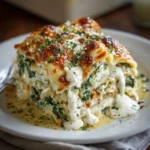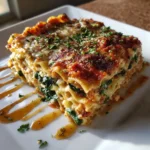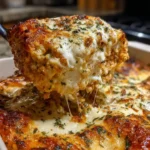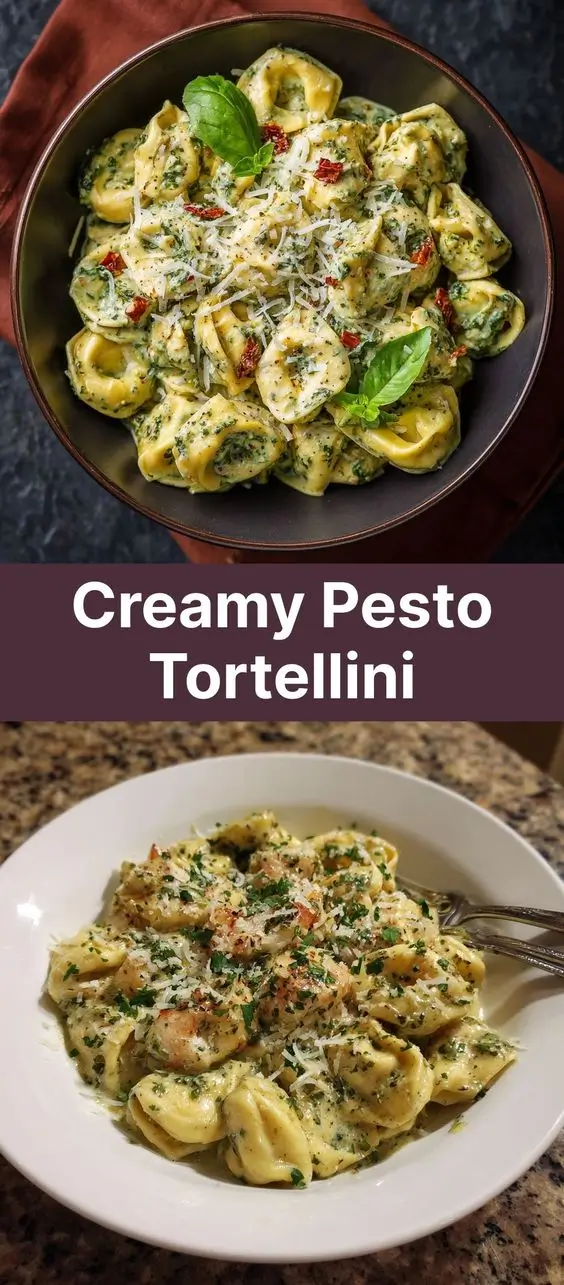
Creamy Pesto Tortellini: A Rich, Comforting Dish with a Gourmet Twist
The History of Creamy Pesto Tortellini
The story of Creamy Pesto Tortellini begins at the crossroads of Italian culinary tradition and modern American comfort food innovation. While tortellini itself hails from the Emilia-Romagna region of Italy—particularly around Bologna and Modena—its origins are steeped in legend. One popular tale claims that the ring-shaped pasta was inspired by Venus’s navel, crafted by a love-struck innkeeper who peeked through a keyhole at the goddess-like beauty of a noblewoman. Whether myth or not, tortellini has long symbolized elegance and indulgence in Italian cuisine.
Pesto, on the other hand, originates from Genoa in Liguria, where the bright green sauce made from fresh basil, pine nuts, garlic, Parmesan, and olive oil has been a staple since at least the 19th century. Traditionally served with trofie or trenette, pesto’s bold, herbaceous flavor profile eventually found its way into countless fusion dishes worldwide.
The marriage of these two iconic elements—creamy pesto and tender cheese-filled tortellini—emerged as part of the broader trend of “elevated comfort food” in the late 20th and early 21st centuries. Home cooks and chefs alike began combining store-bought or homemade tortellini with rich, creamy sauces infused with pesto, creating a quick yet luxurious meal that balances convenience with gourmet flair. Today, Creamy Pesto Tortellini is celebrated for its simplicity, versatility, and irresistible taste, making it a favorite across dinner tables, food blogs, and restaurant menus.
Ingredients Breakdown: What Makes This Dish Shine
The magic of Creamy Pesto Tortellini lies in its harmonious blend of ingredients, each contributing to the dish’s velvety texture and vibrant flavor. Here’s a detailed look at what goes into this comforting masterpiece:
- Tortellini (Cheese or Spinach & Cheese): The star of the dish. Fresh or frozen cheese-filled tortellini provides a soft, pillowy bite and melts slightly into the sauce, enriching the overall creaminess. Spinach and ricotta variations add an extra layer of earthy flavor.
- Fresh Basil Pesto: Either homemade or high-quality store-bought pesto delivers the signature herbal punch. Authentic pesto includes basil, garlic, toasted pine nuts, Parmigiano-Reggiano, Pecorino Romano, and extra-virgin olive oil.
- Heavy Cream or Half-and-Half: Forms the luscious base of the sauce, giving it body and silkiness without overpowering the pesto’s freshness.
- Garlic: Minced fresh garlic sautéed in butter adds depth and aromatic warmth.
- Butter: Enhances richness and helps bloom the garlic and pesto flavors.
- Chicken or Vegetable Broth: Adds savory complexity while thinning the sauce to the perfect consistency.
- Grated Parmesan Cheese: Stirred in at the end, it boosts umami and saltiness, helping emulsify the sauce.
- Sun-Dried Tomatoes (optional): For a tangy, chewy contrast and pop of color.
- Cherry Tomatoes: Added fresh at the end for brightness and acidity.
- Spinach or Arugula: Wilted into the sauce for added nutrition and a peppery note.
- Crushed Red Pepper Flakes: A pinch introduces gentle heat that cuts through the richness.
- Extra-Virgin Olive Oil: Used for finishing, enhancing aroma and mouthfeel.
- Seasonings: Salt and freshly ground black pepper to taste—though pesto and cheese often provide enough salt.
- Protein Additions (optional): Grilled chicken, shrimp, Italian sausage, or white beans for a heartier meal.
Step-by-Step Recipe: How to Make Creamy Pesto Tortellini
Follow this easy, foolproof method to create a restaurant-quality Creamy Pesto Tortellini dish in under 30 minutes.
- Boil the Tortellini: Bring a large pot of salted water to a rolling boil. Add refrigerated or frozen tortellini and cook according to package instructions until al dente (usually 5–7 minutes). Reserve ½ cup of pasta water before draining. Do not rinse the tortellini—this helps the sauce cling better.
- Prepare the Creamy Pesto Base: While the pasta cooks, heat 1 tablespoon of olive oil and 1 tablespoon of butter in a large skillet over medium heat. Add 2–3 minced garlic cloves and sauté for 30–60 seconds until fragrant but not browned.
- Add Liquids: Pour in ¾ cup of heavy cream (or half-and-half) and ½ cup of chicken or vegetable broth. Stir gently and bring to a simmer. Allow the mixture to reduce slightly for 2–3 minutes, which concentrates the flavor.
- Incorporate Pesto: Reduce the heat to low. Stir in ⅓ to ½ cup of prepared basil pesto, depending on how intense you want the flavor. Mix thoroughly until the sauce turns a vibrant green and is well combined.
- Melt in the Cheese: Gradually whisk in ¼ to ⅓ cup of freshly grated Parmesan cheese. Continue stirring until the cheese melts completely and the sauce becomes smooth and glossy.
- Add Greens (Optional): Toss in 2 cups of fresh baby spinach or arugula. Stir until just wilted—about 1–2 minutes. For sun-dried tomatoes, add ¼ cup chopped pieces now.
- Combine with Tortellini: Add the drained tortellini to the skillet. Gently fold everything together, allowing the pasta to absorb some of the sauce. If the mixture seems too thick, add reserved pasta water one tablespoon at a time until desired consistency is reached.
- Season and Finish: Taste and adjust seasoning with salt and freshly cracked black pepper. For heat, sprinkle in red pepper flakes to taste. Drizzle with a touch of extra-virgin olive oil for shine and aroma.
- Serve Immediately: Plate the Creamy Pesto Tortellini hot, garnished with extra Parmesan, a few basil leaves, and optional cherry tomato halves.
Tips for the Perfect Creamy Pesto Tortellini
- Use Fresh Pesto When Possible: Homemade pesto tastes brighter and less oily than jarred versions. If using store-bought, choose one with real ingredients and no artificial preservatives.
- Don’t Overcook the Tortellini: Slightly undercook if you plan to finish it in the sauce, especially with frozen varieties that can become mushy.
- Reserve Pasta Water: The starchy liquid is gold—it helps bind the sauce to the pasta and adjusts thickness without diluting flavor.
- Control the Heat: Keep the sauce on low when adding dairy and pesto to prevent curdling or bitterness from overheating the basil.
- Bloom the Garlic: Never burn garlic; it turns bitter. Sauté just until golden and fragrant.
- Add Protein Smartly: Pre-cook proteins like chicken or shrimp separately, then stir them in at the end to maintain texture.
- Balancing Richness: If the dish feels too heavy, add a squeeze of lemon juice or more fresh greens to brighten it up.
- Make It Ahead? While best served fresh, you can prep components ahead—cook protein, make pesto, chop veggies—but assemble just before serving for optimal texture.
Variations and Customizations
Creamy Pesto Tortellini is highly adaptable. Here are creative ways to tailor it to your taste or dietary needs:
- Dairy-Free Version: Use coconut cream or cashew cream instead of heavy cream, nutritional yeast or vegan Parmesan in place of dairy cheese, and vegan pesto (ensure it contains no cheese).
- Gluten-Free Option: Choose gluten-free tortellini made from corn, rice, or quinoa blends. Check labels on pesto and broth for hidden gluten.
- Vegan Creamy Pesto Tortellini: Combine gluten-free or regular plant-based tortellini with cashew cream, vegan pesto, and sautéed mushrooms or tofu for protein.
- Meat Lovers’ Twist: Add crumbled cooked bacon, sliced Italian sausage, or diced grilled chicken breast.
- Seafood Style: Stir in seared scallops or sautéed shrimp during the final mixing stage.
- Mediterranean Flair: Include artichoke hearts, kalamata olives, roasted red peppers, and feta cheese for a Greek-inspired version.
- Spicy Arrabbiata-Style: Boost heat with extra red pepper flakes, a dash of cayenne, or a spoonful of spicy Calabrian chili paste mixed into the pesto.
- Roasted Vegetable Addition: Fold in roasted zucchini, bell peppers, eggplant, or caramelized onions for deeper flavor and texture.
- Herb Swaps: Try variations with kale or arugula pesto, cilantro-lime pesto, or even sun-dried tomato pesto for a twist.
- Cold Pasta Salad Version: Chill the dish after preparation and serve as a creamy pesto tortellini salad with cucumbers, chickpeas, and olives—perfect for picnics or potlucks.
Health Considerations and Nutritional Value
While undeniably rich and satisfying, Creamy Pesto Tortellini can be adapted to support various health goals. Let’s break down its nutritional profile and offer mindful eating tips.
Nutritional Highlights (Per Serving, Approximate)
Based on 4 servings using cheese tortellini, heavy cream, and standard pesto:
- Calories: 450–550 kcal
- Protein: 15–20g (from cheese, pasta, and optional meat)
- Fat: 25–35g (mostly unsaturated from olive oil, nuts, and cheese)
- Saturated Fat: 10–15g (moderate; can be reduced with substitutions)
- Carbohydrates: 40–50g (depends on pasta type)
- Fiber: 2–4g (can increase with whole-grain pasta and added vegetables)
- Sodium: 600–900mg (varies widely based on store-bought ingredients)
Health Benefits
- Heart-Healthy Fats: Olive oil and pine nuts in pesto contain monounsaturated fats and antioxidants like vitamin E.
- Antioxidant-Rich Herbs: Basil is packed with flavonoids and essential oils that have anti-inflammatory properties.
- Calcium and Protein: Cheese fillings and Parmesan contribute bone-supporting calcium and muscle-building protein.
- Lycopene from Tomatoes: Sun-dried or cherry tomatoes add lycopene, a powerful antioxidant linked to heart and prostate health.
Considerations and Modifications
- High in Calories and Fat: Traditional versions are energy-dense. Opt for lower-fat dairy alternatives like half-and-half or whole milk with a roux if needed.
- Sodium Watch: Jarred pesto and pre-made tortellini can be high in sodium. Choose low-sodium versions or make your own.
- Portion Control: Serve alongside a crisp green salad or steamed vegetables to balance the meal and promote satiety.
- Whole Grain Upgrade: Use whole wheat or legume-based tortellini to boost fiber and improve blood sugar response.
- Omega-3 Boost: Add walnuts to homemade pesto instead of pine nuts for plant-based omega-3s.
Full Ingredients List
- 16 oz (450g) refrigerated or frozen cheese or spinach-cheese tortellini
- 1 tbsp unsalted butter
- 1 tbsp extra-virgin olive oil
- 3 garlic cloves, minced
- ¾ cup heavy cream (or half-and-half)
- ½ cup chicken or vegetable broth
- ⅓–½ cup basil pesto (homemade or high-quality store-bought)
- ¼–⅓ cup freshly grated Parmesan cheese, plus extra for garnish
- 2 cups fresh baby spinach or arugula
- ¼ cup sun-dried tomatoes, chopped (optional)
- ½ cup cherry tomatoes, halved (for garnish)
- ¼ tsp red pepper flakes (adjust to taste)
- Salt and freshly ground black pepper, to taste
- Fresh basil leaves, for garnish
- Optional protein: grilled chicken, shrimp, sausage, or white beans
Directions
- Fill a large pot with water, add 1 teaspoon of salt, and bring to a boil. Add tortellini and cook until just tender (follow package directions). Reserve ½ cup of cooking water, then drain and set aside.
- In a large skillet over medium heat, warm the olive oil and butter. Add minced garlic and sauté for 30–60 seconds until fragrant.
- Pour in the heavy cream and broth. Bring to a gentle simmer and let reduce slightly for 2–3 minutes.
- Reduce heat to low. Stir in the pesto until fully blended and the sauce turns uniformly green.
- Gradually whisk in the grated Parmesan until melted and smooth.
- Add spinach and sun-dried tomatoes. Stir until spinach is wilted, about 1–2 minutes.
- Add the cooked tortellini to the skillet. Toss gently to coat evenly with sauce.
- If the sauce is too thick, add reserved pasta water one tablespoon at a time until creamy and fluid.
- Season with salt, pepper, and red pepper flakes. Taste and adjust as needed.
- Remove from heat. Drizzle with a little extra olive oil and garnish with cherry tomatoes, fresh basil, and extra Parmesan.
- Serve immediately, optionally with a side of garlic bread or a mixed green salad.
FAQ: Frequently Asked Questions
Can I make Creamy Pesto Tortellini ahead of time?
It’s best enjoyed fresh, as the sauce may separate or thicken upon cooling. However, you can prep ingredients ahead—chop garlic, make pesto, cook protein—and assemble quickly when ready to eat. Reheat gently on the stove with a splash of broth or cream to revive the texture.
How do I reheat leftovers?
Warm in a skillet over low heat with a few tablespoons of milk, broth, or water to loosen the sauce. Avoid microwaving at high power, which can cause the dairy to split.
Can I freeze this dish?
Freezing is not recommended due to the dairy-based sauce, which may separate and become grainy when thawed. However, uncooked tortellini and pesto can be frozen separately.
Is there a lighter version?
Absolutely! Use whole milk or evaporated milk instead of heavy cream, opt for low-fat cheese tortellini, and increase vegetables like spinach, zucchini, and tomatoes to bulk up the dish with fewer calories.
What can I substitute for heavy cream?
You can use half-and-half, full-fat coconut milk, cashew cream, or a béchamel base (butter + flour + milk). Each will alter the flavor slightly but still yield creaminess.
Can I use dried pasta instead of tortellini?
Yes, though the experience changes. Use farfalle, penne, or fettuccine, and increase sauce quantities slightly. The cheesy filling element will be missing, so consider adding extra Parmesan or ricotta dollops.
Why did my sauce break or become oily?
This usually happens when the heat is too high or ingredients are added too quickly. Always keep the temperature low when incorporating pesto and cheese. If the sauce separates, try blending in a small amount of cold butter or starch (like cornstarch slurry) to re-emulsify.
Can I make this nut-free?
Yes! Use a nut-free pesto made with sunflower seeds or omit nuts entirely, relying on basil, garlic, cheese, and olive oil. Check labels carefully for cross-contamination if allergies are a concern.
Summary
Creamy Pesto Tortellini is a luxuriously smooth, flavorful dish that combines tender cheese-filled pasta with a vibrant basil pesto cream sauce, offering a perfect balance of richness and freshness. Quick to prepare and endlessly customizable, it’s comfort food elevated to gourmet status—ideal for weeknight dinners or impressing guests.