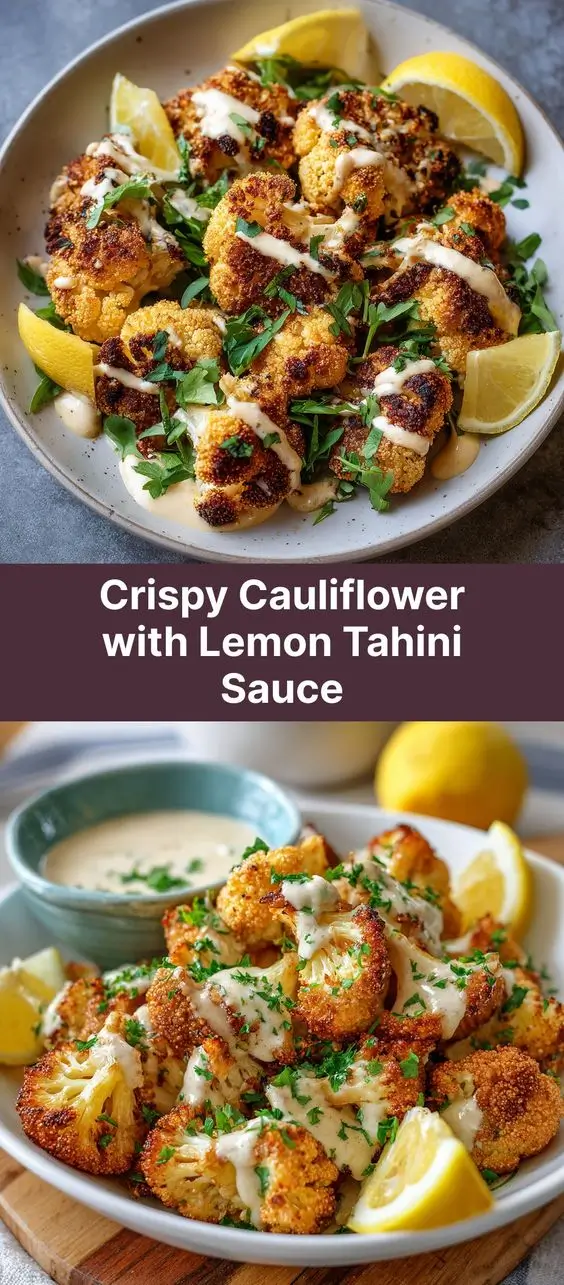
Crispy Cauliflower with Lemon Tahini Sauce: A Flavorful, Healthy Delight
The History of Crispy Cauliflower with Lemon Tahini Sauce
Cauliflower has been a staple in Middle Eastern and South Asian cuisines for centuries. While its origins trace back to the Mediterranean region—particularly Cyprus—cauliflower gained popularity in Indian, Persian, and Levantine cooking due to its versatility and mild flavor. The idea of roasting or frying cauliflower to enhance its texture likely began as a method to preserve its appeal across seasons. However, the modern concept of crispy roasted cauliflower emerged more prominently in Western culinary circles during the 2010s, driven by the plant-based, gluten-free, and clean-eating movements.
The addition of lemon tahini sauce ties this dish deeply to Middle Eastern traditions. Tahini—a paste made from ground sesame seeds—has long been used in hummus, baba ganoush, and dressings throughout the Levant. When blended with lemon juice, garlic, and water, it becomes a creamy, tangy sauce that complements roasted vegetables perfectly. Chefs and home cooks alike began pairing tahini sauce with crispy cauliflower around the same time that grain bowls and vegetable-centric meals became trendy in health-conscious communities. Today, this dish is a celebrated favorite in vegan restaurants, meal prep blogs, and even upscale dinner parties, bridging cultural flavors with contemporary dietary preferences.
Ingredients Breakdown
To achieve the perfect balance of crispiness, flavor, and nutrition, each ingredient plays a crucial role. Here’s a detailed look at what goes into making this dish shine:
- Cauliflower (1 large head): The star of the dish. Choose one with tight, compact florets and fresh green leaves. Its high fiber and low-calorie profile make it ideal for healthy eating.
- Olive oil (3–4 tbsp): Used to coat the cauliflower before roasting. It enhances browning, adds richness, and helps spices adhere evenly.
- Smoked paprika (1 tsp): Imparts a subtle smoky depth without heat. This spice elevates the roasted flavor beautifully.
- Garlic powder (1 tsp): Offers consistent savory notes without burning like fresh garlic might.
- Onion powder (½ tsp): Adds sweetness and umami complexity.
- Ground cumin (½ tsp): Brings warmth and earthiness, common in Middle Eastern seasoning blends.
- Salt (1 tsp, or to taste): Essential for enhancing all other flavors.
- Black pepper (½ tsp): Provides gentle heat and aroma.
- Chickpea flour (¼ cup) or all-purpose flour: Helps create a crisp exterior when roasted. Chickpea flour is gluten-free and adds protein.
- Water or plant-based milk (as needed): Used to adjust batter consistency if desired for extra crispiness (optional).
Lemon Tahini Sauce Ingredients
- Tahini (⅓ cup): High-quality, well-stirred tahini ensures smoothness and avoids separation.
- Fresh lemon juice (3–4 tbsp): Brightens the sauce and balances the nuttiness of tahini.
- Garlic (1 clove, minced or grated): Adds pungency; use more for stronger flavor.
- Maple syrup or honey (1 tsp): A touch of sweetness counters acidity and rounds out the taste.
- Ground cumin (¼ tsp): Reinforces the warm spice theme from the cauliflower.
- Water (3–6 tbsp): Thins the sauce to a drizzle-able consistency.
- Salt (to taste): Crucial for balancing tart and nutty elements.
- Paprika or za’atar (for garnish): Optional but recommended for visual appeal and extra flavor.
Step-by-Step Recipe
Preparing the Cauliflower
- Preheat the oven to 425°F (220°C). Line two large baking sheets with parchment paper or silicone mats to prevent sticking.
- Break down the cauliflower: Remove the outer leaves and trim the stem. Cut the head into evenly sized bite-sized florets—about 1.5 inches wide. Uniform size ensures even cooking.
- Wash and dry thoroughly. Excess moisture can steam instead of roast, so pat dry with a clean kitchen towel or paper towels.
- Make the spice mixture: In a small bowl, combine smoked paprika, garlic powder, onion powder, cumin, salt, and black pepper.
- Toss the cauliflower: Place florets in a large mixing bowl. Drizzle with olive oil and toss until evenly coated. Sprinkle the spice mix and chickpea flour over the top. Toss again until every piece is lightly dusted. If using a wet batter for extra crunch, mix chickpea flour with 2–3 tablespoons of water to form a thin paste, then coat each floret individually before placing on the tray.
- Arrange in a single layer on the prepared baking sheets. Do not overcrowd—this prevents steaming and promotes crisping.
- Roast for 25–30 minutes, flipping halfway through with a spatula. After 15 minutes, rotate the pans (top to bottom, front to back) for even browning. Roast until deeply golden and crispy on the edges.
Making the Lemon Tahini Sauce
- In a medium bowl, add tahini, fresh lemon juice, minced garlic, maple syrup, cumin, and salt.
- Whisk together vigorously. At first, the mixture may seize up and become thick—this is normal.
- Slowly add cold water, one tablespoon at a time, whisking continuously until the sauce reaches a smooth, pourable consistency—similar to heavy cream.
- Taste and adjust: Add more lemon for brightness, salt for savoriness, or sweetener if too sharp.
- Set aside while the cauliflower finishes roasting. The sauce will thicken slightly as it sits; thin again with water if needed before serving.
Final Assembly
- Once the cauliflower is crispy and golden, remove from the oven and let cool slightly—about 5 minutes.
- Transfer to a serving platter or individual plates.
- Drizzle generously with lemon tahini sauce or serve it on the side for dipping.
- Garnish with chopped parsley, a sprinkle of paprika, sumac, or za’atar for color and zing.
- Optional additions: Toasted sesame seeds, pine nuts, or pomegranate arils for texture and festive flair.
Expert Tips for Success
- Dry is key: Moisture is the enemy of crispiness. Always dry your cauliflower thoroughly after washing.
- Don’t skip the flour: Even a light dusting of chickpea flour creates a barrier that locks in texture and encourages browning.
- Use enough oil: Too little oil results in dry, tough florets. Coating them lightly but fully ensures caramelization.
- High heat works best: 425°F is optimal. Lower temps lead to soft, steamed cauliflower rather than crispy bites.
- Air fryer option: For faster cooking and extra crisp, air fry at 400°F for 18–22 minutes, shaking the basket halfway.
- Sauce storage tip: Tahini sauce can be made ahead and stored in an airtight container in the fridge for up to 5 days. Stir well before reuse, adding water as needed.
- Batter variation: For a tempura-style crunch, dip florets in a batter made from ice-cold sparkling water and rice flour before roasting.
Variations and Customizations
This recipe is incredibly adaptable. Whether you’re catering to dietary needs, seasonal ingredients, or adventurous palates, here are some creative twists:
Spice Variations
- Harissa-spiced cauliflower: Mix harissa paste into the oil before tossing for North African heat.
- Curry-roasted version: Swap spices for turmeric, coriander, garam masala, and a pinch of cayenne.
- Lemon-herb twist: Replace smoked paprika with dried oregano, thyme, and lemon zest.
Dietary Modifications
- Oil-free option: Use aquafaba (chickpea brine) or vegetable broth to coat the cauliflower instead of oil. Results will be less crispy but still flavorful.
- Nut-free note: Tahini is sesame-based, not tree-nut related, so it’s generally safe for nut allergies—but always confirm brand safety.
- Low-sodium version: Reduce salt and boost flavor with extra herbs like rosemary or marjoram.
Flavor & Texture Boosters
- Add roasted garlic: Place whole cloves on the tray while roasting—they can be mashed into the tahini sauce.
- Include other veggies: Roast broccoli, carrots, or Brussels sprouts alongside the cauliflower for variety.
- Grain bowl base: Serve over quinoa, farro, or brown rice with pickled red onions, avocado slices, and olives.
- Protein-packed: Top with grilled tofu, falafel, or shredded chicken for a complete meal.
Health Considerations and Nutritional Value
Crispy Cauliflower with Lemon Tahini Sauce isn’t just delicious—it’s packed with nutrients and supports various wellness goals.
Nutrition Highlights (per serving, approx. 1/4 of recipe)
- Calories: ~220 kcal
- Fat: 15g (mostly heart-healthy monounsaturated fats from olive oil and tahini)
- Carbohydrates: 18g
- Fiber: 6g (supports digestion and satiety)
- Protein: 7g (enhanced by chickpea flour and tahini)
- Vitamin C: Over 100% of daily value (from cauliflower and lemon)
- Folate, B6, K: Abundant in cauliflower
- Calcium and iron: Present in tahini, contributing to bone and blood health
Health Benefits
- Antioxidant-rich: Sulforaphane in cauliflower has been studied for its anti-inflammatory and cancer-fighting properties.
- Heart-friendly fats: Sesame seeds in tahini contain lignans and phytosterols that support cardiovascular health.
- Gluten-free and vegan-friendly: Naturally suitable for many restrictive diets.
- Low glycemic index: Won’t spike blood sugar, making it appropriate for diabetics when consumed in moderation.
- Supports gut health: Fiber feeds beneficial gut bacteria and aids regularity.
Considerations
- Portion control: While healthy, tahini and olive oil are calorie-dense. Stick to recommended serving sizes if weight management is a goal.
- Allergies: Check tahini labels for cross-contamination warnings if sesame allergy is a concern.
- Goitrogens: Cauliflower contains compounds that may affect thyroid function in very large raw quantities, but cooking reduces this risk significantly.
Full Ingredient List Recap
For Crispy Roasted Cauliflower:
- 1 large head cauliflower, cut into florets
- 3–4 tablespoons olive oil
- 1 teaspoon smoked paprika
- 1 teaspoon garlic powder
- ½ teaspoon onion powder
- ½ teaspoon ground cumin
- 1 teaspoon salt (or to taste)
- ½ teaspoon black pepper
- ¼ cup chickpea flour (or all-purpose flour)
For Lemon Tahini Sauce:
- ⅓ cup tahini (well-stirred)
- 3–4 tablespoons fresh lemon juice (about 1–2 lemons)
- 1 clove garlic, finely minced or grated
- 1 teaspoon maple syrup or honey
- ¼ teaspoon ground cumin
- 3–6 tablespoons cold water (as needed)
- Salt to taste
- Paprika, parsley, or za’atar for garnish
Complete Directions
- Preheat oven to 425°F (220°C). Line two baking sheets with parchment paper.
- Prepare cauliflower: Wash, dry, and cut into uniform florets.
- In a small bowl, mix smoked paprika, garlic powder, onion powder, cumin, salt, and pepper.
- In a large bowl, toss cauliflower with olive oil until coated.
- Sprinkle spice mix and chickpea flour over cauliflower. Toss until evenly covered.
- Spread in a single layer on baking sheets. Avoid crowding.
- Roast for 25–30 minutes, flipping halfway, until golden and crispy.
- While roasting, prepare sauce: Whisk tahini, lemon juice, garlic, maple syrup, cumin, and salt.
- Add water gradually until smooth and creamy. Adjust seasoning.
- Remove cauliflower from oven. Let cool 5 minutes.
- Serve warm, drizzled with lemon tahini sauce and garnished as desired.
Frequently Asked Questions (FAQ)
Can I make this ahead of time?
Yes! Roast the cauliflower and store it in an airtight container in the fridge for up to 4 days. Re-crisp in the oven at 400°F for 10 minutes before serving. The sauce keeps for 5 days refrigerated—just stir and thin with water before using.
Can I freeze crispy cauliflower?
Freezing will compromise the texture, making it soggy upon reheating. Best enjoyed fresh or refrigerated short-term.
Why is my tahini sauce too thick or clumpy?
Tahini seizes when acid is added. Keep whisking and slowly incorporate water—one tablespoon at a time—until it turns smooth and creamy.
Is there a substitute for tahini?
You can try almond butter or sunflower seed butter, though the flavor will change. Sunflower seed butter is a great nut-free, similar-tasting alternative.
Can I bake this at a lower temperature?
Lower temps (like 375°F) will cook the cauliflower but result in softer, less crispy edges. For maximum crunch, stick to 425°F or higher.
How do I keep the cauliflower from burning?
Ensure even spacing on the pan, rotate trays halfway, and check near the end of cooking. Smaller florets may brown faster—consider cutting uniformly.
Can I grill this instead?
Absolutely! Toss with oil and spices, then place in a grill basket over medium heat. Grill for 10–15 minutes, turning occasionally, until charred and tender.
Is this kid-friendly?
Many children enjoy the crispy texture. You can reduce spices or add a touch more maple syrup to the sauce to suit younger palates.
Summary
Crispy Cauliflower with Lemon Tahini Sauce combines bold Middle Eastern flavors with modern healthy cooking techniques, delivering a satisfying, nutrient-rich dish that’s vegan, gluten-free, and universally appealing. From its golden, spiced crust to the creamy, zesty drizzle, every bite celebrates simplicity, flavor, and wholesome ingredients.