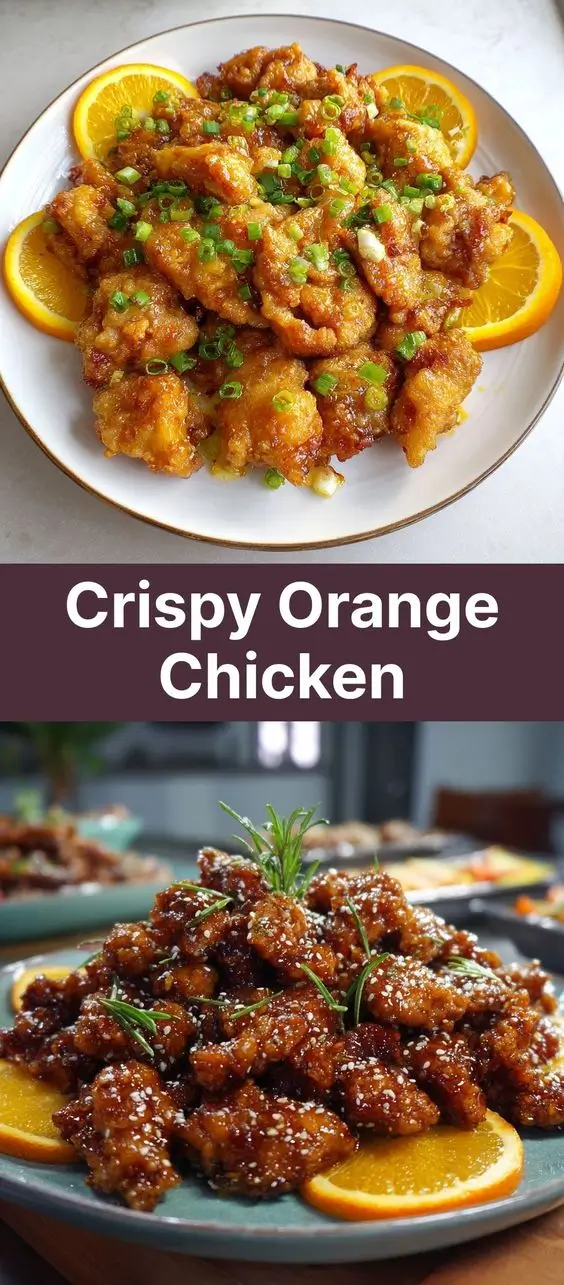
Crispy Orange Chicken: A Sweet, Tangy, and Irresistibly Crispy Delight
Crispy Orange Chicken is a beloved staple in Chinese-American cuisine, known for its vibrant orange glaze, tender chicken pieces, and an unforgettable balance of sweet, tangy, and slightly spicy flavors. This dish combines the crunch of perfectly fried chicken with a glossy citrus-infused sauce that clings to every bite. Whether served over steaming white rice or enjoyed on its own, Crispy Orange Chicken never fails to deliver comfort, flavor, and a touch of culinary excitement. In this comprehensive guide, we’ll dive deep into the origins, ingredients, cooking techniques, variations, and everything you need to know to master this restaurant-quality favorite in your own kitchen.
The History of Crispy Orange Chicken
While many assume Crispy Orange Chicken is a traditional Chinese dish, it actually originated in the United States as part of the broader evolution of Chinese-American cuisine during the 20th century. The roots trace back to Hunan-style cooking, particularly dishes like Chen’s Spicy Chicken, which features bold, fiery flavors. However, American palates often favor sweeter, less spicy profiles, leading chefs—particularly in California—to adapt these recipes accordingly.
One of the most popular stories credits Chef Peng Chang-kuei, a renowned Hunan chef who moved to New York in the 1970s, with inspiring the creation of General Tso’s Chicken—a close cousin of Orange Chicken. Over time, various adaptations emerged, including Orange Chicken, which substitutes the spiciness with a bright, citrus-forward sauce. Panda Express famously brought Orange Chicken into the mainstream in the 1980s, making it one of the most ordered items in American Chinese food history.
Today, Crispy Orange Chicken stands as a symbol of cultural fusion—where Eastern cooking techniques meet Western flavor preferences, resulting in a dish that’s both familiar and excitingly unique.
Ingredients Breakdown: What Makes It Special
The magic of Crispy Orange Chicken lies not just in its taste but in the careful selection and preparation of each ingredient. Here’s a detailed breakdown of what goes into creating this iconic dish:
For the Chicken:
- Chicken Breast or Thighs: Boneless, skinless chicken breasts are commonly used for their lean texture and ease of cutting into bite-sized pieces. However, thighs offer more juiciness and can withstand frying better without drying out.
- Cornstarch: Essential for achieving that signature crispy crust. Unlike flour, cornstarch fries up lighter, crispier, and holds the sauce better without getting soggy.
- Egg White: Helps the cornstarch coating adhere evenly to the chicken and adds tenderness inside while promoting browning outside.
- Soy Sauce: Adds umami depth and a hint of saltiness to the chicken before frying.
- Sesame Oil: A few drops enhance aroma and add complexity to the overall flavor profile.
- Baking Powder (optional): A small amount can make the coating even crispier by increasing surface puffiness during frying.
For the Orange Sauce:
- Fresh Orange Juice: The heart of the sauce. Freshly squeezed juice provides natural sweetness and bright acidity. Avoid concentrate for best results.
- Orange Zest: Packed with aromatic oils, zest intensifies the citrus flavor without adding extra liquid.
- Rice Vinegar or Apple Cider Vinegar: Adds tanginess and balances the sugar content.
- Granulated Sugar or Brown Sugar: Creates the sweet backbone of the glaze. Brown sugar adds molasses notes and a richer color.
- Soy Sauce: Contributes savory depth and helps balance the sweetness.
- Garlic and Ginger: Minced fresh garlic and grated ginger bring warmth and pungency, essential for authentic flavor layers.
- Red Chili Flakes or Fresh Red Chili: Introduces mild heat—adjustable to taste. Some versions use sambal oelek or chili paste.
- Cornstarch Slurry: A mixture of cornstarch and water thickens the sauce to a glossy, clingy consistency perfect for coating the chicken.
For Frying:
- Vegetable Oil, Canola Oil, or Peanut Oil: High smoke point oils ideal for deep-frying at around 350°F (175°C).
Optional Garnishes:
- Sliced green onions
- Toasted sesame seeds
- Additional orange zest
- Thin orange slices for plating
Step-by-Step Recipe: How to Make Crispy Orange Chicken from Scratch
Follow this detailed method to create restaurant-quality Crispy Orange Chicken right in your home kitchen. With attention to timing, temperature, and technique, you’ll achieve golden, crunchy chicken bathed in a luscious orange glaze.
Ingredients List
Chicken Coating & Frying:
- 1.5 lbs (680g) boneless, skinless chicken breasts or thighs, cut into 1-inch cubes
- 3 large egg whites
- ½ cup cornstarch
- 2 tbsp soy sauce (low sodium preferred)
- 1 tsp sesame oil
- ¼ tsp white pepper (or black pepper)
- ½ tsp baking powder (optional, for extra crisp)
- Vegetable oil, for deep frying (about 4–6 cups)
Orange Sauce:
- ¾ cup freshly squeezed orange juice (from about 2–3 oranges)
- 1 tbsp orange zest (finely grated)
- 3 tbsp granulated sugar (adjust to taste)
- 2 tbsp rice vinegar or apple cider vinegar
- 2 tbsp soy sauce
- 3 cloves garlic, minced
- 1 tbsp fresh ginger, grated
- ½–1 tsp red chili flakes (adjust for spice level)
- 1 tbsp cornstarch + 2 tbsp water (slurry)
Garnish:
- 2 green onions, thinly sliced
- 1 tsp toasted sesame seeds
- Extra orange zest
Directions
- Prepare the Chicken: In a large bowl, combine chicken pieces with soy sauce, sesame oil, and white pepper. Mix well and let marinate for 15–20 minutes at room temperature (or up to 30 minutes in the fridge).
- Create the Coating: In a separate bowl, whisk together cornstarch, baking powder (if using), and a pinch of salt. In another shallow dish, beat the egg whites until frothy.
- Dredge the Chicken: Dip each piece of marinated chicken first into the beaten egg whites, letting excess drip off, then roll thoroughly in the cornstarch mixture. Place coated pieces on a wire rack or plate. Allow them to rest for 5–10 minutes—this helps the coating set and improves crispiness when fried.
- Heat the Oil: Pour oil into a wok, deep skillet, or Dutch oven to a depth of at least 2 inches. Heat over medium-high heat until it reaches 350°F (175°C). Use a thermometer for accuracy, or test with a small piece of coated chicken—it should sizzle immediately and rise to the surface.
- First Fry (Blanching): Carefully add chicken pieces in batches, avoiding overcrowding. Fry for 3–4 minutes until lightly golden and cooked through. Remove with a slotted spoon or spider strainer and drain on a wire rack or paper towels. Let cool slightly.
- Second Fry (Double-Fry Method for Extra Crisp): Increase oil temperature to 375°F (190°C). Refry the chicken in batches for 60–90 seconds until deeply golden and ultra-crispy. This step ensures long-lasting crunch even after saucing. Drain again and set aside.
- Make the Orange Sauce: In a clean wok or large nonstick skillet, heat 1 tablespoon of oil over medium heat. Add minced garlic, grated ginger, and chili flakes. Sauté for 30–60 seconds until fragrant but not browned.
- Add Liquids: Pour in the fresh orange juice, vinegar, soy sauce, sugar, and orange zest. Stir well to dissolve the sugar. Bring to a gentle simmer.
- Thicken the Sauce: Give the cornstarch slurry a quick stir and slowly drizzle it into the simmering sauce while stirring constantly. Cook for 1–2 minutes until the sauce thickens to a glossy, syrup-like consistency. If too thick, add a splash of water; if too thin, mix additional cornstarch (½ tsp + 1 tsp water) and stir in.
- Toss the Chicken: Add the fried chicken pieces to the sauce. Gently toss using tongs or a spatula until every piece is evenly coated. Work quickly to prevent the coating from softening too much.
- Serve Immediately: Transfer to a serving platter. Garnish generously with sliced green onions, toasted sesame seeds, and a sprinkle of fresh orange zest.
- Pairing Suggestion: Serve hot over steamed jasmine rice, brown rice, or cauliflower rice for a lower-carb option. A side of stir-fried broccoli or snap peas complements the dish beautifully.
Pro Tips for Perfect Crispy Orange Chicken
- Use Fresh Oranges: Pre-made orange juice lacks the brightness and natural sugars needed for balanced flavor. Always go for fresh-squeezed juice and zest.
- Don’t Skip the Double Fry: While it may seem excessive, double-frying dramatically improves texture and prevents sogginess once sauced.
- Control Oil Temperature: Too cold = greasy chicken. Too hot = burnt exterior, raw interior. Invest in a good frying thermometer.
- Prevent Sogginess: Toss the chicken in sauce just before serving. If preparing ahead, keep components separate and combine at the last minute.
- Rest the Coated Chicken: Letting the dredged pieces sit for 5–10 minutes allows the starch to hydrate, forming a stronger barrier against moisture.
- Use a Wire Rack: Instead of paper towels, place fried chicken on a wire rack to maintain crispiness on all sides.
- Baste After Tossing: For extra shine, brush additional warm sauce over the plated chicken just before serving.
Variations and Customizations
Crispy Orange Chicken is highly adaptable. Try these creative twists to suit different diets, tastes, or occasions:
1. Gluten-Free Orange Chicken
- Replace soy sauce with tamari or coconut aminos.
- Use gluten-free cornstarch (ensure it’s certified GF).
- Verify all other ingredients (e.g., vinegar, spices) are gluten-free.
2. Air Fryer Orange Chicken (Healthier Version)
- Coat chicken as usual with cornstarch and egg white.
- Spray generously with cooking oil.
- Air fry at 375°F (190°C) for 10–12 minutes, flipping halfway, until golden and crispy.
- Toss in warmed orange sauce just before serving.
3. Spicy Orange Chicken
- Increase chili flakes to 1–2 tsp.
- Add 1 tbsp sriracha or sambal oelek to the sauce.
- Include a teaspoon of gochujang for depth and heat.
4. Honey Orange Chicken
- Replace half the sugar with honey for a floral, rich sweetness.
- Note: Honey burns easily, so reduce heat slightly when simmering.
5. Vegan/Vegetarian Option
- Substitute chicken with crispy tofu, cauliflower florets, or seitan.
- Use aquafaba (chickpea brine) instead of egg white for coating adhesion.
- Fry or air fry as directed, then toss in sauce.
6. Orange Peel Chicken (Closer to Traditional Style)
- Add 1–2 tbsp finely chopped dried orange peel (chen pi) to the sauce for a more authentic, bitter-citrus note.
- This version is common in Cantonese cooking and offers a more complex, medicinal citrus profile.
Health Considerations and Nutritional Value
While undeniably delicious, Crispy Orange Chicken is typically high in calories, sugar, and sodium due to frying and the sweetened sauce. Here’s how to enjoy it mindfully:
Nutritional Profile (Approximate per Serving – 1 cup with rice):
- Calories: 450–600 kcal
- Protein: 25–30g
- Carbohydrates: 50–70g (including 20–30g sugar)
- Fat: 15–20g (mostly from frying oil)
- Sodium: 800–1,200mg (depending on soy sauce and added salt)
Healthier Modifications:
- Bake or Air Fry: Reduces fat content by up to 50% compared to deep-frying.
- Reduce Sugar: Cut sugar by 1/3 to 1/2 and use monk fruit or erythritol as partial substitutes.
- Low-Sodium Soy Sauce: Helps manage blood pressure and reduces overall salt intake.
- Whole Grain Base: Serve over quinoa, brown rice, or farro for added fiber and nutrients.
- Portion Control: Enjoy moderate servings with plenty of vegetables on the side.
- Diabetics: Monitor carbohydrate and sugar content; consider sugar alternatives and smaller portions.
- Hypertensive Individuals: Watch sodium levels—opt for reduced-sodium soy sauce and limit added salt.
- Gluten Sensitivity: Ensure all ingredients are gluten-free, especially soy sauce and seasonings.
Who Should Be Cautious?
Frequently Asked Questions (FAQ)
Can I make Crispy Orange Chicken ahead of time?
Yes, but with caveats. You can prep the sauce and store it in the fridge for up to 5 days. The uncooked, coated chicken can be frozen on a tray, then transferred to a bag for up to 3 months. However, for best texture, fry and sauce the chicken just before serving to preserve crispiness.
Why is my orange chicken soggy?
Sogginess usually comes from one of three issues: sauce applied too early, insufficient frying temperature, or skipping the double-fry. Always toss chicken in sauce right before serving and ensure proper oil temp (350–375°F).
Can I bake instead of fry?
Yes. Preheat oven to 400°F (200°C). Place coated chicken on a greased wire rack over a baking sheet. Spray with oil and bake for 20–25 minutes, flipping halfway, until golden and internal temperature reaches 165°F (74°C). Texture will be less crispy than fried but still tasty.
What kind of oranges should I use?
Navel or Valencia oranges work best—sweet, juicy, and easy to juice. Blood oranges add color and tartness; mandarins offer milder flavor. Avoid overly acidic varieties like grapefruit.
Can I freeze leftover orange chicken?
You can freeze it, but the texture will suffer. The cornstarch coating absorbs moisture and becomes mushy upon thawing and reheating. If freezing, freeze unsauced fried chicken, then re-crisp in oven before tossing in fresh sauce.
Is Crispy Orange Chicken the same as General Tso’s Chicken?
They are similar in technique (fried chicken in sauce), but differ in flavor. General Tso’s is spicier, darker (often with hoisin), and less citrusy. Orange Chicken emphasizes fresh orange flavor and is generally sweeter and brighter.
How do restaurants keep it so crispy?
Many use a combination of double-frying, higher cornstarch ratios, and immediate saucing just before delivery. Some also add potato starch or rice flour to the coating for extra crunch.
Summary
Crispy Orange Chicken is a harmonious blend of crunchy, juicy chicken enveloped in a glossy, tangy-sweet orange glaze—perfectly balancing American appeal with Asian-inspired flavors. With careful technique and quality ingredients, you can recreate this iconic dish at home and customize it to suit any diet or preference.