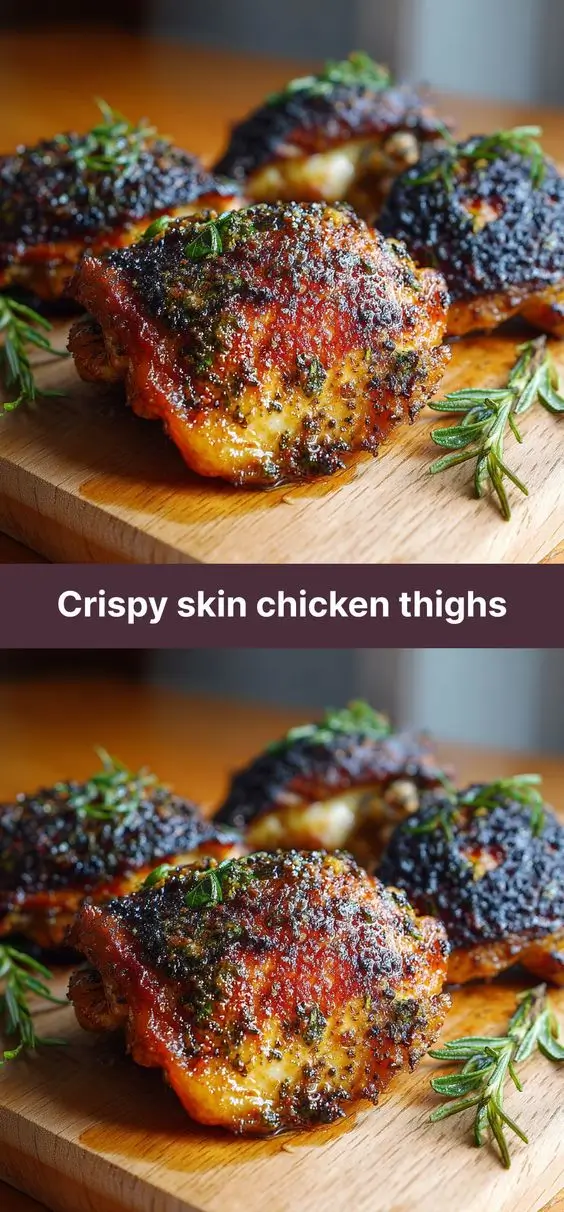
Crispy Skin Chicken Thighs: The Ultimate Comfort Food Delight
The History of Crispy Skin Chicken Thighs
The tradition of cooking chicken with crispy skin dates back centuries, rooted in rustic farmhouse kitchens across Europe and the American South. In medieval times, roasting was one of the primary methods of preparing poultry, especially among rural communities where ovens were simple and fuel had to be used efficiently. The dark meat of chicken thighs, being more flavorful and forgiving than breasts, became a favorite for slow roasting over open flames or in wood-fired ovens.
As culinary techniques evolved, so did the pursuit of the perfect crisp. French chefs in the 17th and 18th centuries refined roasting methods, emphasizing dry heat, proper seasoning, and basting to enhance both flavor and texture. Southern American cuisine embraced fried and roasted chicken, with chicken thighs often preferred for their juiciness. The modern obsession with ultra-crisp skin emerged from restaurant kitchens in the late 20th century, where chefs began experimenting with drying techniques, high-heat searing, and even air-drying the skin overnight to achieve that golden, shatteringly crisp finish.
Today, crispy skin chicken thighs are celebrated worldwide—not only for their rich taste and succulent meat but also for their versatility. From cozy family dinners to gourmet restaurant presentations, this dish bridges the gap between humble comfort food and elevated culinary artistry.
Ingredients Breakdown: Why Each Component Matters
The magic of perfectly crispy skin chicken thighs lies not just in technique, but in the thoughtful selection and preparation of ingredients. Let’s break down each component:
- Chicken Thighs (bone-in, skin-on): The star of the show. Bone-in thighs retain moisture during cooking, while the skin provides the canvas for crispiness. The fat layer beneath the skin renders slowly, basting the meat from within.
- Salt (preferably kosher or sea salt): More than just a seasoning, salt draws out surface moisture through osmosis, which is essential for crisping. It also penetrates the meat over time, enhancing overall flavor.
- Freshly ground black pepper: Adds a subtle warmth and complexity. Freshly ground ensures maximum aroma and bite.
- Garlic powder and onion powder: These dehydrated aromatics provide depth without introducing extra moisture. They brown beautifully and contribute to the crust formation.
- Paprika (sweet or smoked): Offers color and a mild earthy-sweet note. Smoked paprika adds a hint of barbecue-like richness.
- Olive oil or vegetable oil: A small amount helps conduct heat evenly across the skin, promoting uniform browning. Oil also aids in the adhesion of seasonings.
- Optional herbs (thyme, rosemary, sage): Fresh or dried herbs infuse the chicken with aromatic notes. When placed under the skin or scattered around the pan, they toast gently and release essential oils.
- Baking powder (optional, in advanced techniques): A tiny amount (½ tsp per pound of chicken) can be used to raise the pH of the skin, accelerating browning and creating an even crisper texture—common in Korean fried chicken methods.
Step-by-Step Recipe: How to Achieve Perfectly Crispy Skin Chicken Thighs
Ingredients
- 4 bone-in, skin-on chicken thighs (about 2 to 2.5 pounds)
- 1½ teaspoons kosher salt
- 1 teaspoon freshly ground black pepper
- 1 teaspoon garlic powder
- 1 teaspoon onion powder
- 1 teaspoon sweet paprika (or smoked paprika for a deeper flavor)
- 1 tablespoon olive oil or melted butter
- 2 sprigs fresh thyme or rosemary (optional)
- 1 small lemon, halved (optional)
Directions
- Prep the Chicken (Key Step – Dry the Skin): Remove the chicken thighs from packaging and pat them *extremely* dry with paper towels—both the skin and underside. Moisture is the enemy of crispiness. For best results, place the thighs on a wire rack set over a tray and refrigerate uncovered for 4–24 hours. This air-drying step dramatically improves skin texture.
- Season Generously: In a small bowl, mix together salt, pepper, garlic powder, onion powder, and paprika. Sprinkle the seasoning blend evenly over both sides of the chicken thighs, making sure to coat the skin thoroughly. If using baking powder for extra crisp (advanced method), add ½ teaspoon to the spice mix.
- Bring to Room Temperature: Let the seasoned chicken sit at room temperature for 20–30 minutes before cooking. This promotes even cooking and prevents the oven from having to work too hard to raise the internal temperature.
- Preheat Oven and Pan: Preheat your oven to 425°F (220°C). Place an oven-safe skillet (cast iron is ideal) or a rimmed baking sheet in the oven as it heats. A hot pan jumpstarts the crisping process the moment the chicken hits the surface.
- Sear the Skin (Optional but Recommended): Carefully remove the hot pan from the oven. Add 1 tablespoon of oil, then place the chicken thighs skin-side down. Return to the oven and roast for 5 minutes. Then, use tongs to transfer the thighs to the stovetop over medium-high heat. Sear skin-side down for 6–8 minutes until golden brown. This dual approach combines convection heat with direct contact searing for maximum crisp.
- Raise the Heat for Crisp: After searing, return the chicken to the hot oven, still skin-side up. Roast at 425°F for 35–45 minutes, depending on size. The internal temperature should reach 165°F (74°C) when measured at the thickest part near the bone.
- Broil for Final Crisp (Crucial!): Once cooked through, switch the oven to broil (high setting) and move the pan to the top rack. Broil for 2–5 minutes, watching closely, until the skin turns deep golden brown and develops a glass-like crispness. Do not walk away—broiling happens fast!
- Rest Before Serving: Transfer the chicken to a plate or cutting board and let rest for 5–10 minutes. This allows juices to redistribute, ensuring moist meat beneath the crackling skin. Squeeze fresh lemon juice over the top if desired, and garnish with herbs.
Pro Tips for Guaranteed Crispy Skin Every Time
- Dry is Key: Never skip drying the chicken. Use paper towels and allow refrigeration time for best results.
- Skin Tuck (Optional): Gently loosen the skin from the meat with your fingers and tuck herbs or minced garlic underneath. This flavors the meat without compromising the outer skin’s integrity.
- Don’t Crowd the Pan: Give each thigh space. Overcrowding traps steam, leading to soggy skin.
- Use a Rack: Placing thighs on a wire rack set over a baking sheet allows hot air to circulate all around, crisping the bottom edges too.
- Start High, Finish Hot: Begin roasting at 425°F, then increase to 450°F or broil at the end for that final crunch.
- No Peeking! Avoid opening the oven door during the first 25 minutes. Consistent heat is vital for rendering fat and crisping skin.
- Cast Iron Magic: A preheated cast-iron skillet delivers unmatched sear and heat retention.
- Salt Early: Seasoning 12–24 hours in advance and refrigerating uncovered (dry-brining) enhances both flavor and texture dramatically.
Variations and Customizations
Crispy skin chicken thighs are a versatile base for endless global flavors. Here are some delicious twists:
1. Lemon-Herb Roasted
Add lemon zest to the rub, place lemon halves in the pan, and scatter thyme or rosemary sprigs around the chicken. Baste halfway with pan juices.
2. Spicy Harissa Glaze
Mix harissa paste with olive oil and brush over the chicken during the last 10 minutes of roasting for a North African kick.
3. Soy-Ginger Glazed
Marinate thighs in soy sauce, grated ginger, garlic, and a touch of honey. Roast as usual, then glaze in the last 5 minutes.
4. Buttermilk-Fried Style (Oven-Baked)
Dip dried thighs in buttermilk, then coat in seasoned flour mixed with cornstarch. Bake on a rack at 400°F for 45 minutes, flipping once.
5. Herb-Crusted
Combine breadcrumbs, Parmesan, chopped parsley, and lemon zest. Press onto the skin before roasting for a crunchy, savory topping.
6. Korean-Inspired Crispy Chicken
Add ½ tsp baking soda to the dry rub, air-dry overnight, then fry or bake. Toss in gochujang-based sauce after crisping.
7. Mediterranean Style
Season with oregano, cumin, and sumac. Serve with tzatziki, olives, and grilled vegetables.
Health Considerations and Nutritional Value
While crispy skin chicken thighs are undeniably indulgent, they can still fit into a balanced diet when enjoyed mindfully.
Nutritional Profile (per 6-oz serving, skin-on, roasted):
- Calories: ~360
- Protein: 27g
- Total Fat: 26g (Saturated Fat: 7g)
- Carbohydrates: 0–1g (unless coated or glazed)
- Iron: 10% DV
- Zinc: 25% DV
- Vitamin B6 and B12: High levels, supporting metabolism and nerve function
Health Notes:
- Skin Consumption: The skin contains most of the fat and calories. Removing it reduces saturated fat by about half. However, moderate intake of animal fats in whole foods is not inherently harmful for most people.
- Rendered Fat: Discard excess fat from the pan to reduce calorie density in accompanying dishes.
- Sodium Control: Adjust salt to taste or use low-sodium alternatives if managing blood pressure.
- Keto/Paleo Friendly: Naturally low-carb and gluten-free (if no coating), making it suitable for ketogenic, paleo, or Whole30 diets.
- Protein Benefits: Chicken thighs offer complete protein, aiding muscle repair and satiety.
Balancing the Meal:
Pair with nutrient-rich sides like roasted Brussels sprouts, quinoa, steamed greens, or a fresh salad to create a well-rounded plate. Avoid pairing with other fried or heavily processed items to keep the meal wholesome.
Frequently Asked Questions (FAQ)
Why isn’t my chicken skin crispy?
The most common culprits are moisture on the skin, insufficient heat, overcrowding the pan, or skipping the drying step. Always pat dry and consider air-drying in the fridge overnight.
Can I make crispy skin chicken thighs without an oven?
Yes! Use a heavy skillet on the stovetop. Cook skin-side down over medium-low heat for 10–15 minutes until deeply golden, then flip and finish cooking through. Covering briefly may help render fat and cook the meat evenly.
Can I use skinless chicken thighs?
You can, but you’ll lose the crispy element. Skinless thighs will cook faster and benefit from marinades or sauces to prevent dryness.
How do I store leftovers?
Store in an airtight container in the refrigerator for up to 3 days. To re-crisp, place in a 400°F oven for 10–15 minutes rather than microwaving.
Can I freeze crispy skin chicken thighs?
Yes, though the skin will soften. Freeze cooked thighs in a single layer, then transfer to freezer bags. Reheat in the oven to restore some crisp.
Is it safe to eat chicken skin?
Yes, for most people. While higher in saturated fat, recent research suggests dietary cholesterol from foods like chicken skin has less impact on heart health than previously thought. Moderation is key.
Can I use chicken breasts instead?
You can, but breasts are leaner and more prone to drying out. Reduce cooking time and monitor temperature carefully (150–155°F for juicy results).
What oil is best for crisping?
Oils with high smoke points like avocado, grapeseed, or refined olive oil work best. Butter adds flavor but burns easily—use clarified butter (ghee) for higher heat stability.
Summary
Crispy skin chicken thighs deliver an irresistible combination of crunchy, golden skin and tender, juicy meat, achieved through proper drying, seasoning, and high-heat cooking techniques. A timeless dish that’s equally at home on weeknight tables and gourmet menus, it’s comfort food perfected.