Introduction
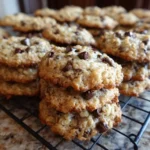
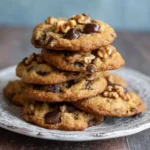
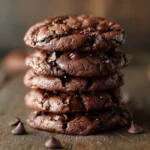
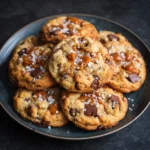
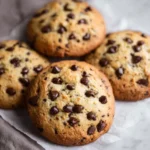
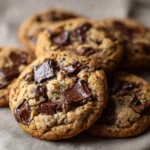
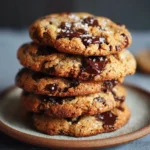
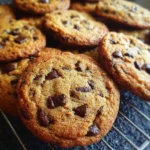
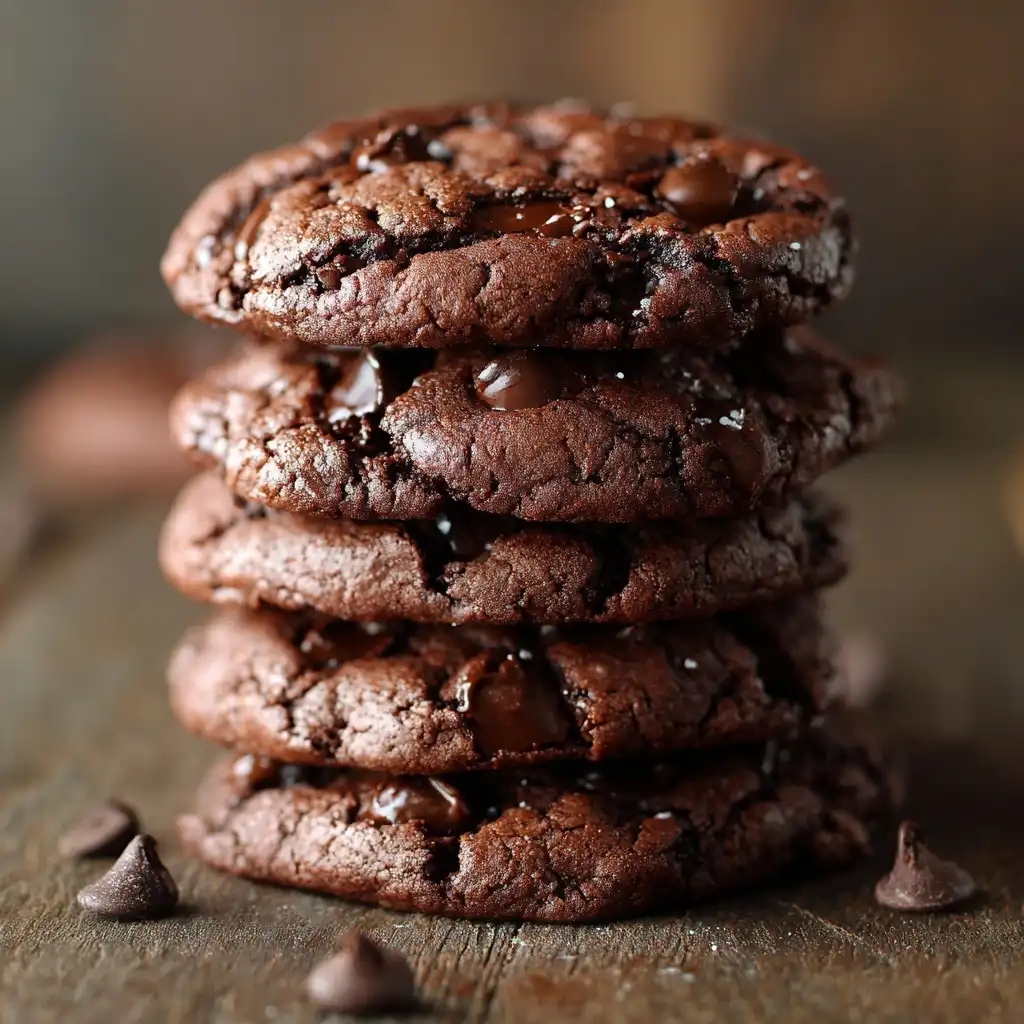
Double Chocolate Fudge Cookies are the ultimate indulgence for chocolate lovers—a rich, dense, melt-in-your-mouth treat that marries the deep intensity of cocoa with the luxurious creaminess of melted chocolate. Unlike standard chocolate chip cookies, these decadent delights feature *two distinct forms* of chocolate: unsweetened or bittersweet cocoa powder in the base dough *and* high-quality dark, semi-sweet, or even milk chocolate chunks, chips, or chopped bars—creating layered chocolate complexity in every bite. With their signature fudgy center, slightly crisp edge, and glossy, crackled surface, they evoke the nostalgic comfort of homemade brownies while delivering the handheld convenience of a cookie. Whether served warm from the oven with a glass of cold milk, gifted in a festive tin, or enjoyed as a midday pick-me-up, Double Chocolate Fudge Cookies transcend seasonal trends—they’re a timeless, universally beloved classic rooted in texture, depth, and pure cocoa-driven joy.
The History
The origins of the double chocolate cookie trace back to the broader evolution of American cookie culture in the early-to-mid 20th century, though its fudgy incarnation emerged more distinctly in the 1970s and ’80s alongside the rise of gourmet baking and home kitchen experimentation. While chocolate chip cookies were popularized by Ruth Wakefield in 1938 at the Toll House Inn, the intentional doubling down on chocolate—using both cocoa powder *and* solid chocolate—was a natural progression fueled by growing access to quality cocoa, wider supermarket availability of chocolate bars and chips, and the increasing influence of food magazines like Bon Appétit and Gourmet. The term “fudge cookie” first appeared in print as early as the 1940s in regional cookbooks, often describing dense, low-rising cookies made with melted chocolate and minimal leavening—essentially brownie-like in structure. By the late 1980s, iconic brands such as Ghirardelli and Williams-Sonoma began featuring “double chocolate fudge” variations in their premium baking catalogs, cementing the concept as a hallmark of artisanal home baking. Notably, the recipe gained renewed cultural traction in the 2000s via viral food blogs and YouTube baking channels, where bakers emphasized techniques like chilling dough, using brown butter, or adding espresso powder to deepen flavor—transforming a simple dessert into a canvas for culinary creativity and sensory refinement.
Ingredients Breakdown
Every exceptional Double Chocolate Fudge Cookie begins with intentionality—not just in measurement, but in ingredient selection and function. Below is a comprehensive, chef-level breakdown of each component and why it matters:
- All-Purpose Flour (1¾ cups / 210g): Provides essential gluten structure—but used sparingly to avoid toughness. For optimal fudginess, many bakers substitute up to ¼ cup with cake flour or add 1 tbsp cornstarch to tenderize the crumb.
- Unsweetened Cocoa Powder (¾ cup / 75g), preferably Dutch-processed: Imparts deep, smooth, almost wine-like chocolate notes without acidity. Natural cocoa works but yields a brighter, fruitier profile and may require slight leavening adjustments due to its acidity.
- Granulated Sugar (1 cup / 200g): Adds sweetness, aids in spreading, and contributes to crisp edges via caramelization during baking.
- Packed Brown Sugar (1 cup / 220g), dark preferred: Brings moisture, molasses-rich depth, and chewiness. Its acidity also activates baking soda for subtle lift without compromising density.
- Unsalted Butter (1 cup / 227g), room temperature: Emulsifies the batter and carries fat-soluble chocolate flavors. European-style butter (82–84% fat) enhances richness and tenderness.
- Large Eggs (2), room temperature: Bind ingredients, add moisture and structure, and contribute to chewy texture—especially when yolks are emphasized (some recipes use 1 whole egg + 1 extra yolk).
- Pure Vanilla Extract (2 tsp): Enhances and rounds out chocolate’s bitterness; Madagascar bourbon vanilla is ideal for its creamy, woody sweetness.
- Baking Soda (1 tsp): Reacts with brown sugar’s acidity to gently aerate the dough—critical for achieving a slight rise *without* cakey texture.
- Finely Ground Espresso Powder (1½ tsp, optional but highly recommended): Doesn’t make the cookies taste like coffee—it intensifies chocolate flavor through umami synergy and balances sweetness.
- Fine Sea Salt (1 tsp): A crucial counterpoint that heightens all other flavors and prevents cloying sweetness.
- High-Quality Chocolate (12 oz / 340g total), finely chopped: The “double” in double chocolate. Use a mix: 8 oz bittersweet (60–70% cacao) for intensity + 4 oz milk chocolate for creamy contrast. Avoid pre-chocolate chips unless labeled “baking bar”—most contain stabilizers that resist melting and create uneven texture.
- Mini Semi-Sweet Chocolate Chips (½ cup / 85g, optional garnish): Pressed onto dough balls before baking for visual appeal, textural surprise, and glossy, freckled tops.
Pro Tip: Weigh all dry ingredients—including cocoa and chocolate—for absolute consistency. Volume measurements of cocoa powder vary wildly due to sifting and packing, directly affecting moisture balance and final texture.
Step-by-Step Recipe
- Prepare Your Workspace: Line three large baking sheets with parchment paper or silicone baking mats. Position oven racks in upper-middle and lower-middle positions. Preheat oven to 350°F (175°C). Allow butter and eggs to come fully to room temperature (68–72°F)—this ensures smooth emulsification and even baking.
- Whisk Dry Ingredients: In a medium bowl, sift together flour, cocoa powder, baking soda, espresso powder (if using), and salt. Whisk vigorously for 30 seconds to fully aerate and evenly distribute leavening and cocoa. Set aside.
- Cream Butter & Sugars: In the bowl of a stand mixer fitted with the paddle attachment (or using a hand mixer), beat softened butter, granulated sugar, and brown sugar on medium-high speed for 3–4 minutes—until light, fluffy, and pale in color. Scrape bowl thoroughly halfway through. This step incorporates air and dissolves sugar crystals, laying the foundation for balanced spread and texture.
- Incorporate Eggs & Vanilla: Add eggs one at a time, beating on medium speed for 45 seconds after each addition until fully absorbed and glossy. Add vanilla and beat 15 seconds more. Mixture should be homogenous, slightly thickened, and no longer grainy.
- Alternate Dry & Wet: Reduce mixer speed to low. Add one-third of the dry mixture; mix just until no flour streaks remain (~10 seconds). Add half the remaining dry mix, mix briefly, then add final third. Mix only until incorporated—do not overmix. Overworking develops gluten and leads to tough, dense cookies rather than tender-fudgy ones.
- Fold in Chocolate: Using a flexible silicone spatula, gently fold in chopped chocolate and mini chips (if using) until evenly distributed. Some small clumps are desirable—they’ll bloom into melty pockets during baking.
- Chill Dough Strategically: Cover bowl tightly and refrigerate for *at least 2 hours*, preferably 4–24 hours. Chilling solidifies butter, slows spread, concentrates flavor, and allows cocoa to fully hydrate—resulting in deeper color, richer taste, and superior texture control. Do not skip this step.
- Scoop & Shape: Using a 2-tablespoon ice cream scoop or heaping tablespoon, portion chilled dough into 16–18 equal balls (roughly 2 oz each). Roll gently between palms to smooth surfaces. Place 3 inches apart on prepared sheets—cookies will spread significantly.
- Bake with Precision: Bake two sheets at a time (one on upper rack, one on lower) for 11–13 minutes, rotating trays top-to-bottom and front-to-back halfway through. Cookies are done when edges appear set and slightly cracked, centers look soft and slightly underdone (they’ll firm as they cool), and surface has developed a delicate, shiny “skin.” Avoid overbaking—even 30 seconds too long yields dryness.
- Cool Completely on Sheets: Remove from oven and let cookies rest on baking sheets for 12 minutes—this allows residual heat to finish cooking interiors and sets structure. Then, carefully transfer to wire racks to cool completely (20+ minutes). Resist eating warm—fudginess peaks at room temperature.
Tips
- Butter Temperature Is Non-Negotiable: Too cold? Dough won’t cream properly. Too warm? Cookies will overspread into thin, greasy discs. Ideal butter leaves a slight indentation when pressed—cool to the touch but yielding.
- Chop Chocolate Yourself: Pre-chopped or chip-shaped chocolate melts too quickly and pools. Hand-chopping creates varied sizes—from fine shards to chunky nuggets—that melt at different rates, ensuring dynamic texture.
- Rotate & Swap Racks Mid-Bake: Home ovens have hot spots. Rotating ensures even browning and consistent doneness across all cookies.
- Underbake Intentionally: Pull cookies from the oven when centers still look moist and puffy—they’ll carry over cook and set perfectly during cooling. A toothpick inserted into the center should come out with moist crumbs—not wet batter, not clean.
- Use a Timer—and Stick to It: Set timers for *each tray*. Baking time varies based on dough temperature, sheet material (dark metal conducts heat faster), and ambient humidity.
- Scale Dough for Uniformity: Use a kitchen scale to portion dough. Identical weights ensure identical bake times and appearance—ideal for gifting or professional presentation.
- Store Smart: Keep cooled cookies in an airtight container at room temperature for up to 5 days. For longer storage, freeze baked cookies (up to 3 months) or unbaked dough balls (up to 3 months)—bake straight from frozen, adding 1–2 minutes to bake time.
- Revive Stale Cookies: Place a slice of fresh bread in the container overnight—the cookies will absorb ambient moisture and regain softness.
- Prevent Sticking: Always use parchment or silicone mats—never grease bare pans. Grease causes erratic spread and burnt undersides.
- Room-Temperature Eggs Prevent Separation: Cold eggs can cause the creamed butter-sugar mixture to seize or curdle. If rushed, submerge eggs in warm water for 5 minutes before cracking.
Variations and Customizations
While the classic Double Chocolate Fudge Cookie is sublime, its adaptable base welcomes endless creative riffs—each preserving fudginess while introducing new dimensions of flavor, texture, or dietary alignment:
- Espresso-Infused: Steep 1 tbsp finely ground espresso in 2 tbsp hot water for 5 minutes; cool completely, then stir into egg-vanilla mixture before adding to batter.
- Sea Salt & Caramel Swirl: After scooping dough, press a ½ tsp square of soft caramel (like Kraft caramels or homemade dulce de leche) into center of each ball, then seal and roll. Sprinkle with flaky sea salt before baking.
- Peppermint Crunch: Fold in ½ cup crushed candy canes or peppermint candies with chocolate; finish with a dusting of crushed candy and white chocolate drizzle post-bake.
- Nutty Depth: Add 1 cup toasted walnuts, pecans, or hazelnuts (cooled and chopped) along with chocolate for earthy crunch and protein balance.
- Orange-Zest Brightness: Add 2 tsp finely grated orange zest to dry ingredients and replace ½ tsp vanilla with orange extract for a sophisticated citrus-chocolate harmony.
- Gluten-Free: Substitute 1:1 gluten-free all-purpose flour blend (with xanthan gum included) and add 1 tsp psyllium husk powder to mimic gluten’s binding power and retain chew.
- Vegan Adaptation: Replace butter with vegan butter (Miyoko’s or Earth Balance), eggs with 2 flax eggs (2 tbsp ground flax + 6 tbsp water, rested 10 min), and use dairy-free chocolate. Add 1 tsp apple cider vinegar to react with baking soda for lift.
- Protein-Powered: Add ¼ cup unflavored or chocolate whey or collagen peptides—no taste impact, added satiety, and improved structure.
- Spiced Mexican-Inspired: Add 1 tsp ground cinnamon, ¼ tsp ground chipotle or ancho chili, and a pinch of clove to dry ingredients; garnish with cinnamon sugar before baking.
- Boozy Elegance: Stir 2 tbsp bourbon, rum, or Grand Marnier into cooled melted butter before creaming—or brush baked, warm cookies with a glaze of 1 tbsp spirit + 1 tsp maple syrup.
Pro Tip for Customizers: When adding wet or heavy inclusions (caramel, fruit, alcohol), reduce chocolate by 2 oz to maintain structural integrity and prevent sinking or leakage.
Health Considerations and Nutritional Value
A single Double Chocolate Fudge Cookie (approx. 2.5 oz / 70g, based on a 16-cookie yield) contains roughly:
- Calories: 280–320 kcal
- Total Fat: 15–18g (9–11g saturated)
- Carbohydrates: 34–38g (26–29g sugars)
- Protein: 3–4g
- Fiber: 2–3g (primarily from cocoa)
- Iron: ~15% DV (cocoa is naturally rich in non-heme iron)
- Magnesium: ~12% DV (supports muscle function and mood regulation)
- Antioxidants: High levels of flavanols—especially with >70% dark chocolate—linked to improved vascular function and reduced oxidative stress.
Health Notes & Mindful Modifications:
- Sugar Awareness: While delicious, these cookies are high in added sugars. Enjoy mindfully—one cookie satisfies more than lighter varieties due to fat and fiber content promoting satiety.
- Cocoa Benefits Are Dose-Dependent: Maximize flavanol retention by choosing minimally processed, high-cacao chocolate and avoiding alkalized (Dutch-processed) cocoa if antioxidant potency is priority—though Dutch-process offers superior flavor depth.
- Heart Health Context: Population studies associate moderate dark chocolate consumption (1–2 small servings weekly) with lower risk of cardiovascular disease—thanks to polyphenols improving endothelial function and reducing blood pressure.
- Dietary Adjustments: To reduce saturated fat, swap 2 tbsp butter for avocado oil or melted coconut oil (refined for neutral taste). To lower glycemic load, replace half brown sugar with coconut sugar or date paste (adjust liquid accordingly).
- Allergen Alert: Naturally nut-free and soy-free (if using soy-free chocolate), but always verify labels—many chocolate bars contain soy lecithin or are processed on shared equipment with tree nuts, peanuts, or dairy.
- Portion Control Strategy: Bake as smaller cookies (12g each) to enjoy more pieces with less total intake—or serve alongside berries and Greek yogurt to balance sweetness and add protein/fiber.
Ultimately, Double Chocolate Fudge Cookies belong firmly in the “occasional indulgence” category—not as everyday fare, but as a joyful, sensorially rewarding experience that, when crafted with quality ingredients and eaten with presence, contributes meaningfully to emotional well-being and culinary connection.
Ingredients
- 1¾ cups (210g) all-purpose flour
- ¾ cup (75g) unsweetened Dutch-processed cocoa powder
- 1 tsp baking soda
- 1½ tsp instant espresso powder (optional but recommended)
- 1 tsp fine sea salt
- 1 cup (200g) granulated sugar
- 1 cup (220g) packed dark brown sugar
- 1 cup (227g) unsalted butter, room temperature
- 2 large eggs, room temperature
- 2 tsp pure vanilla extract
- 12 oz (340g) high-quality bittersweet or semi-sweet chocolate (60–70% cacao), finely chopped
- ½ cup (85g) mini semi-sweet chocolate chips (optional, for topping)
Directions
- Preheat oven to 350°F (175°C). Line baking sheets with parchment paper or silicone mats.
- In a medium bowl, whisk together flour, cocoa powder, baking soda, espresso powder, and salt. Set aside.
- In the bowl of a stand mixer fitted with paddle attachment, beat butter, granulated sugar, and brown sugar on medium-high speed for 3–4 minutes until light and fluffy. Scrape bowl.
- Add eggs one at a time, beating 45 seconds after each. Add vanilla; beat 15 seconds more.
- Reduce speed to low. Add dry ingredients in three parts, mixing just until combined after each addition—do not overmix.
- Fold in chopped chocolate and mini chips with a silicone spatula until evenly distributed.
- Cover dough and chill for at least 2 hours (up to 24 hours).
- Portion chilled dough into 2-oz balls (about 2 tbsp each). Place 3 inches apart on prepared sheets.
- Bake two sheets at a time for 11–13 minutes, rotating trays halfway, until edges are set and centers look soft.
- Let cookies cool on sheets for 12 minutes, then transfer to wire racks to cool completely before serving.
FAQ
- Why did my cookies spread too much?
- Likely causes: butter too warm, insufficient chilling, excess granulated sugar, or using natural (not Dutch-process) cocoa without adjusting leavening. Always chill dough ≥2 hours and verify butter temperature.
- Can I make the dough ahead and freeze it?
- Absolutely. Portion dough into balls, freeze on a tray until solid (1 hour), then transfer to freezer bags for up to 3 months. Bake frozen—add 1–2 minutes to bake time.
- What’s the best chocolate to use?
- Look for couverture or baking bars with 60–70% cacao (e.g., Valrhona Guanaja, Callebaut 60/40, Ghirardelli 60%). Avoid “chocolate-flavored” products or chips with palm oil or artificial additives.
- My cookies turned out cakey—what went wrong?
- Overmixing after adding flour, using too much leavening (e.g., baking powder instead of soda), or substituting oil for butter can cause excessive rise and airy texture. Stick to the specified method and ingredients.
- Can I use coconut sugar or monk fruit?
- Coconut sugar works 1:1 but yields drier, less spread cookies due to lower moisture. Monk fruit blends often contain fillers that disrupt texture—best reserved for tested low-sugar adaptations, not direct swaps.
- How do I get those beautiful cracks on top?
- Chilled dough + hot oven + granulated sugar = ideal conditions. The rapid expansion of chilled dough hitting high heat creates controlled surface tension and signature crinkles.
- Are these suitable for mailing or gifting?
- Yes! Cool completely, layer between parchment in an airtight tin, and ship within 3–4 days. Include a small silica packet to inhibit moisture migration if shipping in humid climates.
- Can I add nuts or dried fruit?
- Yes—but toast nuts first to enhance flavor and reduce moisture. Pat dried fruit (like cherries or apricots) dry with paper towels to prevent sogginess. Limit additions to ¾ cup total per batch.
- Why does the recipe call for both granulated and brown sugar?
- Granulated sugar promotes spread and crisp edges; brown sugar adds moisture, chew, and complex molasses notes. Together, they create the perfect fudgy-yet-defined texture.
- My cookies hardened after cooling—how do I keep them soft?
- Store with a slice of apple or bread in the container. The cookies will absorb ambient moisture. Alternatively, add 1 tsp honey or corn syrup to the dough next time for lasting softness.
Summary
Double Chocolate Fudge Cookies are a masterclass in chocolate layering—melding velvety cocoa powder with generous pools of high-cacao chocolate to deliver an intensely rich, deeply fudgy, and luxuriously textured experience that satisfies cravings with remarkable sophistication.
From precise ingredient selection and strategic chilling to mindful baking and thoughtful customization, every step honors the alchemy of simplicity and indulgence—making these cookies not just a dessert, but a cherished ritual of comfort, creativity, and culinary joy.