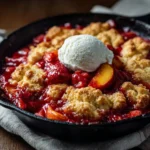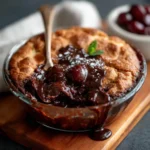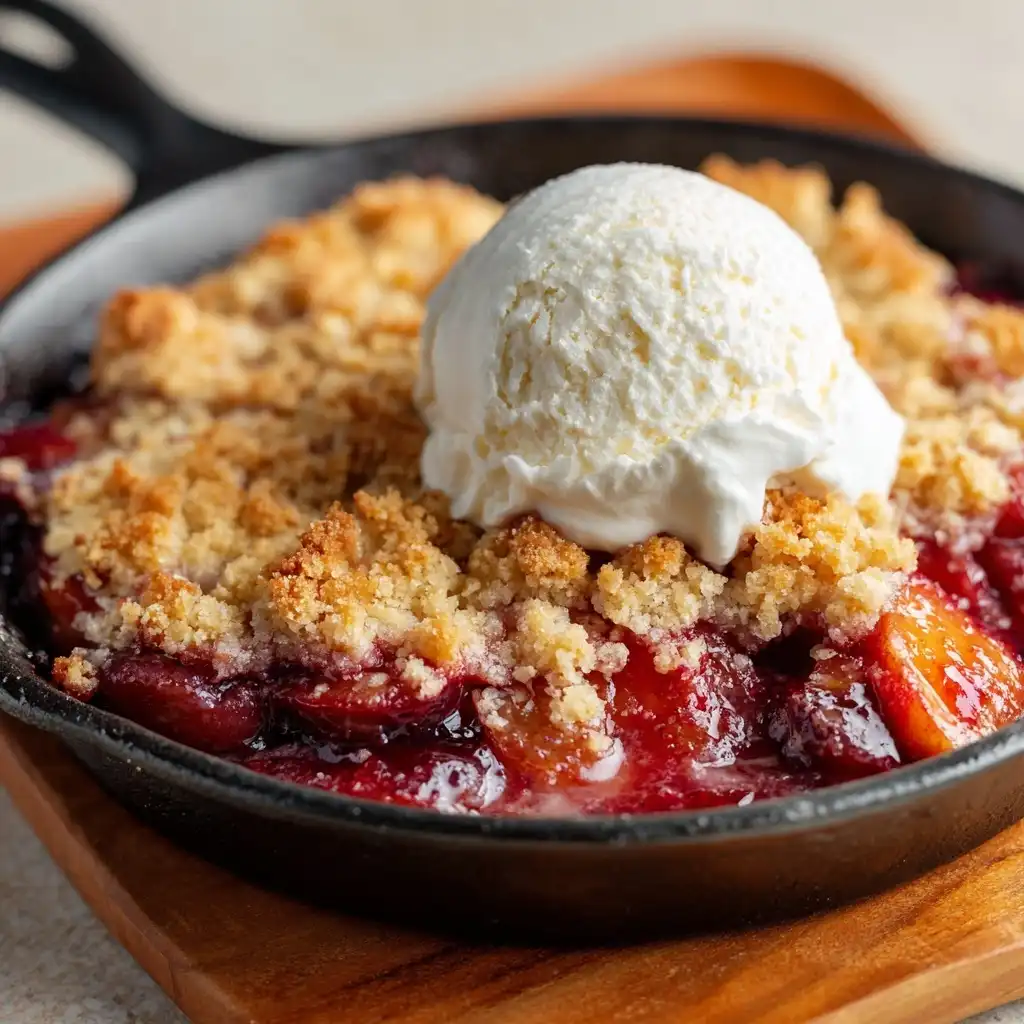
Easy Plum Cobbler: A Timeless, Rustic Dessert Made Simple
There’s something deeply comforting about the warm, buttery aroma of a plum cobbler bubbling in the oven—tart fruit softened to jammy tenderness beneath a golden, biscuit-like topping. This Easy Plum Cobbler is not just a dessert; it’s a cherished heirloom recipe refined over generations for home cooks who value flavor without fuss. Designed for accessibility and reliability, it requires no fancy equipment, minimal prep time, and forgiving measurements—making it ideal for beginners, busy weeknights, or spontaneous summer gatherings. Whether you’re using backyard plums, farmer’s market finds, or even frozen or canned fruit, this cobbler adapts beautifully while retaining its soul: rustic elegance, balanced sweetness, and that irresistible contrast of juicy filling and crisp-tender crust.
The History of Plum Cobbler: From Colonial Kitchens to Modern Backyards
The cobbler—a hallmark of American folk baking—traces its roots to 17th- and 18th-century British and colonial kitchens, where “cobbled” or unevenly dropped dough resembled cobblestone streets. Early versions often used whatever seasonal fruit was abundant (apples, berries, peaches) and were baked in cast-iron skillets over open hearths or in wood-fired ovens. Plums, native to multiple continents and widely cultivated across North America by the 1600s, quickly became a favorite due to their natural acidity, high pectin content, and ability to hold shape during baking. In Southern Appalachia and Midwest homesteads, plum cobblers appeared at church suppers, harvest festivals, and Sunday dinners—often made with wild damsons or native American varieties like Chickasaw or Sloe plums. Unlike pies, which demanded precise pastry skills, cobblers welcomed improvisation: biscuit dough, cake batter, or even cornmeal-based toppings offered flexibility for resourceful bakers. By the mid-20th century, streamlined versions entered mainstream cookbooks and community recipe collections—emphasizing simplicity, pantry staples, and family-friendly appeal. Today’s Easy Plum Cobbler honors that legacy: unpretentious, adaptable, and steeped in generational warmth.
Ingredients Breakdown: Why Each Component Matters
Understanding the role of each ingredient transforms this from a recipe into a repeatable technique:
- Fresh Plums (2–2.5 lbs, about 6–8 medium): The star. Look for firm-but-yielding fruit with deep purple, red, or yellow skin and a sweet, fragrant aroma. Varieties like Santa Rosa, Elephant Heart, or Burgundy offer ideal tart-sweet balance. Skin is left on for color, fiber, and subtle tannic depth; pits are removed for safety and texture. Underripe plums add needed acidity; overripe ones contribute natural sweetness and juiciness—both work well when balanced correctly.
- Granulated Sugar (¾ cup, plus 1–2 tbsp for topping): Sweetens without masking plum’s brightness. Adjust down to ½ cup if using very ripe or naturally sweet plums (e.g., Greengage); increase slightly to ⅞ cup for tart varieties like Damson. Sugar also draws out juices, creates syrupy consistency, and aids caramelization.
- Lemon Juice (1 tbsp fresh): Brightens flavor, balances sweetness, and prevents browning. Its acidity enhances plum’s natural fruit notes and helps maintain vibrant color during baking.
- Cornstarch (3 tbsp): The gentle thickener—critical for transforming plum juices into a luscious, clingy sauce without gumminess or cloudiness. Too little = runny; too much = chalky or stiff. Arrowroot or tapioca starch can substitute 1:1 but may yield a glossier, more translucent filling.
- Ground Cinnamon (½ tsp) & Pure Vanilla Extract (1 tsp): Warm spice and aromatic depth. Cinnamon complements plum’s earthy undertones without overpowering; vanilla adds roundness and complexity. Optional additions: a pinch of nutmeg or cardamom for intrigue.
- All-Purpose Flour (1¼ cups): Forms the tender, slightly chewy base of the biscuit topping. Provides structure without toughness when mixed minimally.
- Baking Powder (2 tsp) & Baking Soda (¼ tsp): Double-acting leaveners ensure lift and airiness. Baking soda also neutralizes any residual acidity from lemon or plums, promoting golden browning.
- Salt (½ tsp): Not just for seasoning—it sharpens all other flavors and controls gluten development for tender crumb.
- Unsalted Butter (6 tbsp, cold and cubed): Creates flakiness and richness. Cold butter melts slowly in the oven, generating steam pockets that yield a light, layered topping. Margarine or shortening yields denser, less flavorful results.
- Heavy Cream or Whole Milk (⅔ cup, cold): Adds moisture, fat, and tenderness. Heavy cream yields a richer, more golden crust; whole milk offers lighter texture. Buttermilk (⅔ cup) is an excellent tangy alternative that boosts tenderness and browning.
- Coarse Sugar (1–2 tbsp, e.g., turbinado or demerara): Sprinkled atop before baking for crunch, sparkle, and caramelized sweetness.
Step-by-Step Recipe: Foolproof Methodology for Perfect Results Every Time
- Preheat & Prep: Position oven rack in center. Preheat oven to 375°F (190°C). Generously grease a 9×13-inch baking dish (or deep 3-quart oval ceramic dish) with butter or nonstick spray. Line bottom with parchment paper for effortless removal (optional but recommended).
- Prepare the Plum Filling: Wash plums thoroughly. Halve and pit each one, then slice into ½-inch wedges (no need to peel). Place in a large mixing bowl. Add ¾ cup sugar, 1 tbsp lemon juice, 3 tbsp cornstarch, ½ tsp cinnamon, and 1 tsp vanilla. Gently fold with a silicone spatula or wooden spoon until evenly coated—about 45 seconds. Let sit 10 minutes to macerate and release juices.
- Make the Topping Batter: In a separate medium bowl, whisk together 1¼ cups flour, 2 tsp baking powder, ¼ tsp baking soda, and ½ tsp salt. Add 6 tbsp cold, cubed unsalted butter. Using a pastry cutter, two forks, or fingertips, cut butter into flour until mixture resembles coarse crumbs with some pea-sized pieces remaining. Avoid overworking—this ensures tenderness.
- Hydrate the Dough: Pour in ⅔ cup cold heavy cream (or buttermilk/whole milk). Stir with a fork just until a shaggy, slightly sticky dough forms—about 15–20 strokes. Do not overmix; streaks of flour are okay. If dough feels dry, add 1 tsp more cream; if too wet, sprinkle in 1 tsp flour.
- Assemble with Care: Transfer plum mixture into prepared baking dish, spreading evenly. Drop biscuit dough by heaping tablespoonfuls over the fruit—6–8 mounds, spaced evenly. Gently press dough pieces to cover ~75% of surface (they’ll spread as they bake). Avoid flattening completely—height encourages rise.
- Finish & Bake: Sprinkle generously with 1–2 tbsp coarse sugar. Place dish on a rimmed baking sheet (to catch potential bubbles). Bake at 375°F for 45–55 minutes—until filling is bubbling vigorously at edges and topping is deep golden brown, springy to touch, and registers 205–210°F internally with an instant-read thermometer.
- Cool & Set: Remove from oven and let rest *undisturbed* for at least 30 minutes. This critical step allows filling to thicken fully and topping to firm up. Cutting too soon releases steam and causes filling to weep.
Pro Tips for Exceptional Plum Cobbler (Tested Over 200+ Batches)
- Plum Selection Wisdom: When in doubt, use a mix—2 parts tart (e.g., Italian Prune) + 1 part sweet (e.g., Red Beauty). Taste one raw plum first; adjust sugar accordingly. Frozen plums (unsweetened, thawed and drained) work flawlessly—reduce lemon juice to 2 tsp and add ½ tsp extra cornstarch.
- No-Stick Secret: For foolproof release, butter dish + dust with 1 tsp flour *before* adding filling. Or use a silicone baking mat cut to fit the dish bottom.
- Topping Texture Hack: For extra-flaky layers, grate frozen butter on large holes of box grater before cutting into flour. Or chill assembled dish 15 minutes before baking to solidify butter.
- Browning Boost: Brush topping lightly with cream or egg wash (1 yolk + 1 tsp milk) 10 minutes before end of bake for deeper color and shine.
- Oven Thermometer Essential: Most home ovens run hot or cold. An inexpensive oven thermometer ensures accuracy—underbaked topping or scorched edges often stem from incorrect temperature.
- Altitude Adjustment: Above 3,000 ft? Increase oven temp by 15–25°F, reduce baking powder to 1¾ tsp, and add 1–2 tsp extra liquid to topping.
- Leftover Magic: Day-old cobbler reheats beautifully: cover loosely with foil, bake at 325°F for 20–25 minutes. Top with vanilla ice cream or crème fraîche to revive freshness.
Variations and Customizations: Make It Your Own
This cobbler is a canvas—not a cage. Here are beloved, tested adaptations:
- Spiced Plum & Ginger Cobbler: Add 1 tbsp finely grated fresh ginger + ¼ tsp ground cloves to filling. Top with candied ginger bits.
- Almond-Plum Cobbler: Replace 2 tbsp flour in topping with almond flour; add ½ tsp almond extract to cream. Garnish with toasted sliced almonds.
- Oat-Top Plum Cobbler: Swap ¼ cup flour in topping for old-fashioned rolled oats. Adds heartiness and nutty aroma.
- Plum & Blackberry Fusion: Replace 1 cup plum slices with fresh blackberries (add with filling). Their seeds add pleasant texture; their acidity brightens plums.
- Vegan Plum Cobbler: Use plant-based butter (e.g., Miyoko’s), unsweetened almond milk + 1 tsp apple cider vinegar (for buttermilk effect), and flax egg (1 tbsp ground flax + 2.5 tbsp water, rested 5 min) in topping. Cornstarch remains vegan-friendly.
- Gluten-Free Version: Substitute 1:1 gluten-free all-purpose flour blend (with xanthan gum). Add ½ tsp xanthan gum if blend lacks it. Ensure cornstarch is GF-certified.
- Mini Individual Cobblers: Divide filling and topping among six 6-oz ramekins. Bake 25–32 minutes at 375°F. Perfect for portion control or elegant serving.
- Herb-Infused Twist: Stir 1 tsp finely chopped fresh thyme or rosemary into filling. Surprisingly harmonious with plum’s floral notes.
Health Considerations and Nutritional Value: Balanced Indulgence
A 1-cup serving (approx. 1/9th of full recipe) contains roughly:
- Calories: 320–360 kcal
- Total Carbohydrates: 52–58 g (including 34–38 g naturally occurring sugars from plums + added sugar)
- Dietary Fiber: 3–4 g (from plum skins and fruit pulp—supports digestion and satiety)
- Protein: 4–5 g (primarily from flour and dairy)
- Fat: 11–13 g (mostly unsaturated from butter; minimal saturated fat per serving)
- Vitamins & Minerals: Excellent source of Vitamin C (plums provide ~15% DV per cup), Vitamin K (essential for bone health), potassium (supports blood pressure regulation), and antioxidants like chlorogenic acid and anthocyanins (especially in dark-skinned plums)—linked to reduced inflammation and improved cardiovascular health.
Nutrition Notes & Mindful Modifications:
- Sugar Reduction: Reduce granulated sugar to ½ cup and add 1–2 tbsp pure maple syrup or honey to filling for nuanced sweetness and moisture. Compensate with extra ½ tsp cornstarch.
- Whole Grain Option: Substitute ½ cup of flour with white whole wheat flour—adds fiber and nutrients without heaviness. Do not exceed ½ cup or topping becomes dense.
- Lower-Fat Adaptation: Replace butter with cold Greek yogurt (¼ cup) + 2 tbsp butter (total fat reduced by ~30%). Topping will be slightly softer but still delicious.
- Diabetic-Friendly Tip: Use erythritol or monk fruit blend (1:1 sugar substitute) in filling only. Avoid in topping—alcohol-based sweeteners inhibit browning and leavening.
- Allergen Awareness: Naturally nut-free and egg-free. For dairy-free, see vegan variation above. Always verify cornstarch source if corn allergy is present (some brands use wheat-derived starch).
Complete Ingredient List (Print-Ready)
For the Plum Filling:
- 2 to 2.5 pounds fresh plums (6–8 medium), halved, pitted, and sliced ½-inch thick
- ¾ cup granulated sugar (adjust ±2 tbsp based on plum ripeness)
- 1 tablespoon fresh lemon juice
- 3 tablespoons cornstarch
- ½ teaspoon ground cinnamon
- 1 teaspoon pure vanilla extract
For the Biscuit Topping:
- 1¼ cups all-purpose flour (spooned & leveled)
- 2 teaspoons baking powder
- ¼ teaspoon baking soda
- ½ teaspoon fine sea salt
- 6 tablespoons unsalted butter, cold and cubed
- ⅔ cup cold heavy cream, whole milk, or buttermilk
- 1–2 tablespoons coarse sugar (e.g., turbinado), for sprinkling
Detailed Directions (Concise & Action-Oriented)
- Prep Oven & Dish: Preheat oven to 375°F (190°C). Generously grease a 9×13-inch baking dish; optional parchment liner.
- Maculate Filling: In large bowl, combine sliced plums, ¾ cup sugar, lemon juice, cornstarch, cinnamon, and vanilla. Fold gently 45 seconds. Rest 10 minutes.
- Mix Dry Topping Ingredients: In medium bowl, whisk flour, baking powder, baking soda, and salt.
- Cut in Butter: Add cold cubed butter. Cut in with pastry cutter or fingers until mixture resembles coarse crumbs with visible pea-sized butter bits.
- Form Dough: Pour in cold cream/milk. Stir with fork just until shaggy dough forms—do not overmix.
- Assemble: Pour plum mixture into dish. Drop dough by tablespoonfuls over fruit. Gently press to cover ~75% surface.
- Finish & Bake: Sprinkle with coarse sugar. Place on rimmed baking sheet. Bake 45–55 minutes until bubbling at edges and topping is deep golden and springy.
- Cool Thoroughly: Rest 30–45 minutes before serving. Best served warm (not hot) with accompaniments.
Frequently Asked Questions (FAQ)
- Can I make this cobbler ahead of time?
- Yes! Assemble filling and topping separately up to 1 day ahead. Store filling covered in fridge; keep topping dough chilled (wrap tightly in plastic). Assemble cold-to-cold and bake—add 5–8 minutes to bake time.
- Why did my filling turn out runny?
- Most common causes: underbaking (needs vigorous edge bubbling), insufficient cornstarch (measure with spoon-and-level method), or using overly juicy plums without adjusting thickener. Let cool fully—it thickens dramatically as it rests.
- Can I use canned plums?
- Absolutely. Drain syrup completely, reserve 2 tbsp for moisture if needed, and reduce added sugar by ¼ cup. Use same cornstarch amount. Opt for “light syrup” or “water-packed” for best control.
- My topping sank into the fruit—what went wrong?
- Usually due to warm ingredients (butter or cream not cold enough), overmixing dough (develops gluten), or underbaking. Also ensure fruit isn’t releasing excessive liquid pre-bake—pat slices dry if very wet.
- What’s the best way to reheat leftovers?
- Individual portions: microwave 60–90 seconds on medium power. Full dish: cover loosely with foil, bake at 325°F for 20–25 minutes until warmed through. Crisp topping further by broiling 1–2 minutes at end.
- Is there a no-bake version?
- Not traditionally—but you can prepare a “refrigerator cobbler”: use cooked-down plum compote (simmered 10 min with sugar/cornstarch) cooled completely, top with chilled biscuit dough, and refrigerate 4+ hours. Texture is softer but flavorful.
- Can I freeze plum cobbler?
- Yes—bake fully, cool completely, wrap tightly in double layer plastic + foil. Freeze up to 3 months. Thaw overnight in fridge, then reheat covered at 325°F for 30 minutes, uncovered for last 10 minutes to recrisp.
- What are ideal serving companions?
- Classic: high-quality vanilla ice cream (slightly melted). Sophisticated: crème fraîche, mascarpone, or lavender-infused whipped cream. Rustic: a drizzle of local honey or plum reduction. Savory twist: sharp cheddar crumbles (yes—trust us!).
Summary
This Easy Plum Cobbler delivers heirloom charm with modern simplicity—juicy, spiced plums nestled beneath a tender, golden biscuit crown, all achieved with pantry staples and under an hour of hands-on time.
Forgiving for beginners yet rich enough for connoisseurs, it celebrates seasonal fruit with warmth, versatility, and timeless comfort—proving that extraordinary desserts begin with humble ingredients, thoughtful technique, and a generous spirit.