Introduction
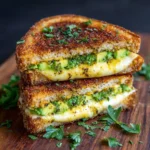
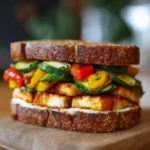
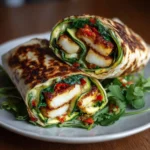
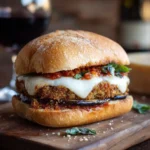
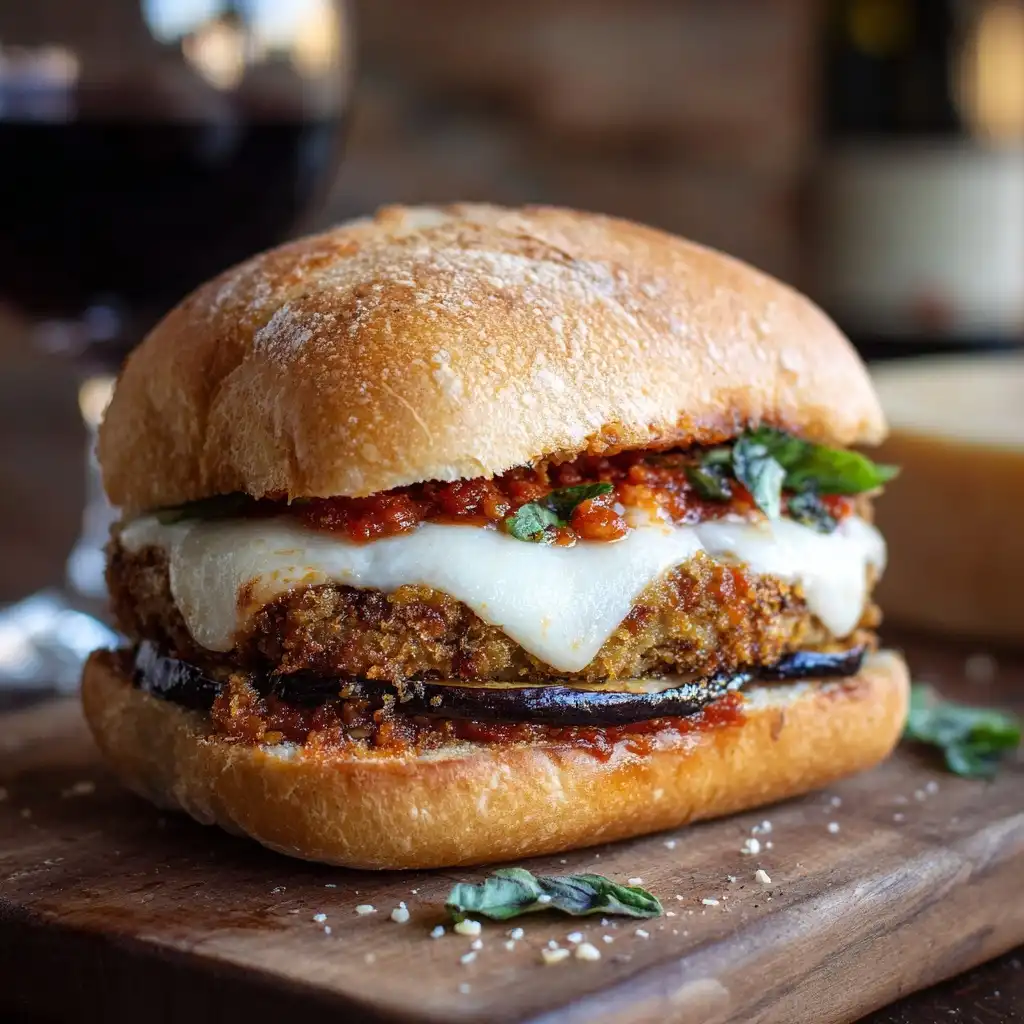
The Eggplant Parmesan Sandwich is a bold, hearty, and deeply satisfying fusion of Italian-American comfort food and modern handheld convenience. It transforms the classic baked casserole—traditionally served in generous portions with pasta or on its own—into an elevated, portable masterpiece that balances rich umami, creamy textures, tangy brightness, and savory depth. More than just a lunchtime option, this sandwich embodies culinary ingenuity: it honors time-honored techniques like salting, dredging, and slow-simmered tomato sauce while reimagining them through the lens of sandwich architecture—where structural integrity, temperature contrast, and layered flavor harmony are paramount. Whether enjoyed warm from the skillet, toasted to golden crispness in a panini press, or even deconstructed for meal prep, the Eggplant Parmesan Sandwich bridges tradition and innovation, offering a deeply flavorful, vegetarian-forward experience that satisfies meat-eaters and plant-based diners alike.
The History
The roots of the Eggplant Parmesan Sandwich lie not in a single moment of invention but in the slow, delicious evolution of Italian-American cuisine across the 20th and 21st centuries. Its lineage begins with melanzane alla parmigiana, a beloved Southern Italian dish originating in Campania and Sicily—where thinly sliced eggplant was fried in olive oil, layered with tomato sauce and cheese, and baked until bubbling and tender. Immigrant cooks brought this rustic preparation to the U.S., adapting it to available ingredients (like mozzarella di bufala’s more accessible cow’s milk counterpart) and American tastes—increasing cheese quantities, enriching sauces with garlic and herbs, and often incorporating ground meat (though purists maintain the vegetarian version is authentic). As mid-century diners popularized “sandwich specials,” chefs and home cooks began experimenting with repurposing leftovers—turning yesterday’s eggplant parmesan into today’s hero roll. By the 1980s and ’90s, artisanal sandwich shops in cities like New York, Chicago, and San Francisco began featuring elevated versions on ciabatta or focaccia, sometimes adding roasted red peppers, basil pesto, or balsamic glaze. The rise of vegetarianism, farm-to-table movements, and social media–driven food trends accelerated its popularity—especially as food bloggers and chefs showcased crispy, golden eggplant cutlets stacked high with house-made marinara and fresh mozzarella on crusty, seeded rolls. Today, the Eggplant Parmesan Sandwich stands as both a nostalgic homage and a dynamic canvas for culinary creativity—appearing on menus from Michelin-starred trattorias to vegan pop-ups and gourmet food trucks nationwide.
Ingredients Breakdown
Every exceptional Eggplant Parmesan Sandwich begins with intentionality—not just in selection, but in understanding the functional role each ingredient plays in texture, moisture control, flavor layering, and structural cohesion:
- Eggplant (Japanese or Italian varieties preferred): Chosen for their dense, fine-grained flesh and low seed count, these varieties absorb less oil during frying, yield superior tenderness when cooked, and hold their shape without turning mushy. Their mild, slightly sweet, earthy base serves as the perfect neutral canvas for bold seasonings.
- Coarse Sea Salt & Cold Water (for salting): Not merely for seasoning—this crucial step draws out excess moisture and naturally occurring solanine (a bitter compound), reducing sogginess and enhancing sweetness. The cold water rinse afterward prevents over-salting while preserving cellular integrity.
- All-Purpose Flour (or gluten-free rice flour blend): Provides essential adhesion for the breading, creates a light, crisp barrier against oil absorption, and contributes subtle nuttiness when lightly toasted. A small amount of cornstarch can be added (up to 25%) for extra shatter-crispness.
- Large Eggs + Dijon Mustard + Garlic Powder (Egg Wash): The mustard adds acidity and emulsifying power, helping the breading adhere tenaciously—even through stacking and grilling. Garlic powder infuses aromatic depth directly into the binding layer, bypassing raw garlic’s potential sharpness.
- Panko Breadcrumbs (unseasoned or herb-infused): Their irregular, flaky structure creates maximum surface area for crunch and air pockets that stay crisp longer than fine breadcrumbs. Toasting them lightly in olive oil before breading amplifies nutty, toasty notes and improves moisture resistance.
- Grated Parmigiano-Reggiano (aged 24+ months): Adds intense umami, salty complexity, and granular texture that melts *just enough* under heat—binding layers without becoming stringy. Its crystalline crunch also provides textural counterpoint to soft mozzarella.
- Fresh Mozzarella di Bufala or High-Moisture Cow’s Milk Mozzarella: Chosen for its delicate, milky sweetness and luxurious melt. Sliced thick (¼-inch) rather than shredded ensures even distribution, prevents pooling, and yields those coveted stretchy, molten strands when grilled.
- San Marzano–Style Crushed Tomatoes (D.O.P.-certified preferred): Grown in volcanic soil near Naples, these tomatoes offer naturally balanced acidity, low seed count, and concentrated sweetness—requiring minimal cooking to achieve velvety richness. A splash of red wine vinegar or balsamic glaze at the end brightens without overpowering.
- Fresh Basil (Genovese variety): Added *after* cooking or as a final garnish—heat diminishes its volatile oils. Its peppery-anise freshness cuts through richness and provides aromatic lift with every bite.
- High-Quality Extra-Virgin Olive Oil (fruity, medium-peppery profile): Used both for shallow-frying (at 350°F for optimal crispness without greasiness) and finishing drizzle. Its polyphenols contribute antioxidant value and a vibrant, grassy finish that ties all elements together.
- Sandwich Bread (Artisan Ciabatta, Sourdough Boule, or Grilled Focaccia): Must possess a sturdy, open crumb and robust crust to withstand moisture without disintegrating. Lightly toasting or grilling the bread *before* assembly creates a protective, caramelized barrier—critical for sandwich integrity.
Step-by-Step Recipe
- Prep the Eggplant (45 minutes, including rest time): Slice 2 medium Japanese eggplants (about 1 lb total) lengthwise into ½-inch planks. Arrange in a single layer on wire racks set over baking sheets. Generously sprinkle both sides with coarse sea salt. Let sit at room temperature for 30 minutes. During this time, beads of moisture will appear—this is the desired osmotic release. Rinse thoroughly under cold running water, then gently press between clean kitchen towels or paper towels to remove all surface moisture. Pat *completely dry*—any residual water will cause splattering and steaming instead of crisping.
- Prepare the Breading Station (10 minutes): Set up three wide, shallow bowls: (1) All-purpose flour seasoned with 1 tsp black pepper, ½ tsp onion powder, and ¼ tsp crushed red pepper flakes; (2) Egg wash: 3 large eggs whisked with 1 tbsp Dijon mustard, 1 tsp garlic powder, ½ tsp dried oregano, and 2 tbsp cold water; (3) Panko breadcrumbs (2 cups), mixed with ½ cup finely grated Parmigiano-Reggiano, 2 tbsp chopped fresh parsley, 1 tsp lemon zest, and ½ tsp smoked paprika for depth.
- Bread the Eggplant (10 minutes): Working with 2–3 slices at a time, dredge each plank first in flour (shaking off excess), then dip fully into egg wash (letting excess drip), then press firmly into panko mixture—coating both sides evenly. Place breaded slices on a parchment-lined tray. Refrigerate uncovered for 15–20 minutes. This chilling firms the coating, dramatically improving adhesion during frying.
- Shallow-Fry to Golden Perfection (15–20 minutes): Heat ¼ inch of high-smoke-point olive oil (or avocado oil) in a heavy-bottomed stainless steel or cast-iron skillet over medium heat (350°F measured with thermometer). Carefully place 3–4 breaded eggplant slices in the hot oil without crowding. Fry 3–4 minutes per side, until deeply golden brown, crisp, and cooked through (a skewer should slide in with no resistance). Transfer to a wire rack set over paper towels—not a plate—to drain excess oil and preserve crispness. Repeat, wiping the pan clean between batches and adjusting heat as needed to maintain temperature.
- Warm the Sauce & Cheese (5 minutes): In a small saucepan, gently warm 1½ cups homemade or high-quality San Marzano marinara over low heat—do not boil. Simultaneously, slice 8 oz fresh mozzarella into ¼-inch rounds and let come to room temperature for optimal melt.
- Assemble with Precision (5 minutes): Lightly grill or toast 4 halves of artisan ciabatta (cut horizontally) until golden and crisp—do not over-toast, or they’ll become brittle. On the bottom half of each roll, spread 2 tbsp warm marinara. Layer 2–3 fried eggplant cutlets (slightly overlapping). Spoon another 1 tbsp sauce over the top layer. Arrange 2–3 mozzarella slices evenly across the eggplant. Sprinkle generously with 1 tbsp grated Parmigiano-Reggiano. Top with 3–4 fresh basil leaves. Drizzle with ½ tsp high-quality EVOO. Cap with the top half of the roll.
- Final Press & Rest (3 minutes): Place assembled sandwiches in a preheated panini press or on a griddle weighted with a heavy skillet. Press gently for 2–3 minutes—just long enough for the cheese to soften and meld, the bread to crisp further, and flavors to harmonize. *Do not over-press*, or the eggplant will compress and lose texture. Remove, tent loosely with foil, and rest for 1 minute before slicing diagonally—this allows internal steam to redistribute and prevents sauce leakage.
Tips
- Salting is Non-Negotiable—But Timing Is Everything: Under-salting won’t extract enough moisture; over-salting (beyond 30 minutes) can make eggplant overly soft. Always rinse and *thoroughly pat dry*. For ultra-crisp results, consider a secondary “dry brine”: after rinsing, toss slices with 1 tsp cornstarch and let air-dry 10 minutes.
- Oil Temperature Is Your Secret Weapon: Use a deep-fry thermometer religiously. Too cool (under 325°F) = greasy, soggy eggplant. Too hot (over 375°F) = burnt exterior, raw interior. Maintain 350°F—and if the oil stops shimmering or bubbles subside, it’s too cool. Adjust heat incrementally.
- Chill Before Frying—Then Chill Again: After breading, refrigeration sets the crust. For make-ahead efficiency, freeze breaded, uncooked eggplant on parchment for up to 1 month—fry straight from frozen (add 1–2 minutes per side).
- Sauce Consistency Matters: Your marinara should coat the back of a spoon—not run off, not mound stiffly. If too thin, simmer 5–7 minutes to reduce. If too thick, stir in 1–2 tsp vegetable broth or tomato water (from canned tomatoes) for silkiness without diluting flavor.
- Cheese Strategy Prevents Sogginess: Never use low-moisture mozzarella (the kind for pizza)—it doesn’t melt luxuriously and releases whey. Always slice fresh mozzarella *just before assembling*, and blot gently with paper towel if any surface moisture appears.
- Bread Selection Impacts Everything: Avoid soft sandwich loaves—they collapse. Opt for bread with a chewy, hole-filled crumb (ciabatta, semolina boule, or rosemary focaccia). For gluten-free options, use thick-cut, toasted cassava or almond-flour bread with a firm crust.
- Press Smart, Not Hard: When using a panini press, set it to medium heat and close *just until resistance is felt*—then lock. Over-pressing squeezes out flavorful juices and flattens the eggplant’s delicate tenderness.
- Rest Before Cutting Is Sacred: Cutting too soon releases trapped steam and hot sauce, causing structural failure. That 60–90 second rest lets proteins relax and starches set—ensuring clean, intact layers in every bite.
- Build Flavor in Layers—Not Just Toppings: Infuse your egg wash with herbs, add lemon zest to panko, stir a spoonful of tomato paste into warm sauce, or finish with flaky Maldon salt—these micro-adjustments create macro-differences in complexity.
- Make It Meal-Prep Friendly: Fry eggplant cutlets up to 3 days ahead; store layered with parchment in airtight container refrigerated. Re-crisp in 400°F oven for 8–10 minutes before assembling. Sauce keeps refrigerated for 1 week or frozen for 3 months.
Variations and Customizations
The Eggplant Parmesan Sandwich is gloriously adaptable—whether accommodating dietary needs, seasonal produce, global pantry staples, or pure whimsy. Here’s how to make it uniquely yours:
- Vegan Version: Replace eggs with a “flax egg” (1 tbsp ground flax + 2.5 tbsp water, rested 5 min) or chickpea brine (aquafaba). Use panko made without honey, dairy-free mozzarella shreds (Miyoko’s or Violife perform best when melted under weight), and nutritional yeast–infused cashew ricotta for creamy contrast. Finish with lemon-thyme oil instead of EVOO.
- Gluten-Free Transformation: Swap all-purpose flour for brown rice flour or certified GF oat flour; use gluten-free panko (Ian’s or Schär); ensure marinara is GF-certified (many contain wheat-based thickeners). Serve on toasted GF sourdough or seeded millet loaf for hearty structure.
- Protein-Boosted “Meaty” Twist: Add a thin layer of seasoned, pan-seared plant-based “ground” (like Beyond Meat crumbles sautéed with fennel pollen and tomato paste) beneath the mozzarella—or tuck in 2 slices of grilled portobello mushroom cap for umami depth and meaty texture.
- Mediterranean Fusion: Replace marinara with sun-dried tomato–basil pesto; swap mozzarella for crumbled feta and dollops of whipped ricotta; top with kalamata olives, roasted red peppers, and a drizzle of lemon-tahini sauce.
- Spicy Calabrian Kick: Stir 1–2 tsp Calabrian chili paste into warm marinara. Add pickled jalapeños or Fresno chilies to the stack. Garnish with Calabrian chili oil and fresh mint alongside basil.
- Herbes de Provence Elegance: Infuse olive oil with dried lavender, thyme, rosemary, and marjoram for frying. Use herbed goat cheese instead of mozzarella, and finish with candied lemon peel and micro-basil.
- Breakfast Eggplant Parmesan: Add a perfectly cooked over-easy egg on top of the warm stack—the yolk becomes a luscious, golden sauce. Serve on grilled brioche and top with crispy pancetta bits and chives.
- Deconstructed “Bowl” Style: For a lighter, grain-based alternative: serve warm eggplant cutlets over farro or barley pilaf, topped with marinara, torn mozzarella, basil, pine nuts, and a lemon-olive oil vinaigrette.
- Smoky Wood-Grilled Version: Skip frying—brush eggplant with olive oil, season, and grill over charcoal or wood fire until tender and marked. Use grilled sourdough and finish with smoked sea salt and chipotle aioli.
- Umami Bomb Deluxe: Add a thin layer of white miso–brown sugar glaze to the eggplant before breading; incorporate dried porcini powder into the panko; top with truffle salt and shaved black truffle (or high-quality truffle oil) post-assembly.
Health Considerations and Nutritional Value
When thoughtfully prepared, the Eggplant Parmesan Sandwich delivers impressive nutritional benefits—far beyond its indulgent reputation. A standard 6-inch sandwich (2 eggplant cutlets, ¼ cup marinara, 2 oz mozzarella, 1 oz Parmigiano, 1 tbsp EVOO, and 4 oz ciabatta) contains approximately 620–680 calories, with a balanced macronutrient profile: ~32g protein (primarily from dairy and eggs in breading), ~38g complex carbohydrates (fiber-rich from whole-grain bread options and eggplant), and ~42g heart-healthy fats (mostly monounsaturated from olive oil and cheese). Crucially, eggplant itself is exceptionally nutrient-dense: low in calories (only 25 per cup), high in dietary fiber (2.5g per cup), and rich in nasunin—an anthocyanin antioxidant found in the purple skin that supports cellular health and exhibits neuroprotective properties. It also provides notable potassium (supporting blood pressure regulation), magnesium (for muscle and nerve function), and B vitamins (especially B1 and B6). The tomato sauce contributes lycopene—a potent carotenoid whose bioavailability increases dramatically when cooked with fat (like olive oil)—linked to reduced risk of cardiovascular disease and certain cancers. Using part-skim mozzarella lowers saturated fat by ~30% without sacrificing melt, while choosing artisanal, grass-fed cheeses introduces beneficial CLA (conjugated linoleic acid). To maximize wellness impact: opt for organic, low-sodium marinara (reducing sodium by up to 40%), bake instead of fry (cutting oil by 75%), and increase vegetable volume with roasted zucchini ribbons or spinach ribbons tucked beside the eggplant. Those managing diabetes will appreciate eggplant’s low glycemic index (15) and high fiber content, which slows glucose absorption. For digestive health, the combination of fermented bread (sourdough), probiotic-rich cheeses, and prebiotic fiber from eggplant and tomatoes fosters a thriving gut microbiome. While moderation remains key—especially regarding sodium and saturated fat—this sandwich exemplifies how “comfort food” can be both deeply satisfying and fundamentally nourishing.
Ingredients
- 2 medium Japanese eggplants (about 1 lb / 450g), ends trimmed
- 2 tbsp coarse sea salt (for sweating)
- 1 cup all-purpose flour (or gluten-free rice flour blend)
- 1 tsp freshly ground black pepper
- ½ tsp onion powder
- ¼ tsp crushed red pepper flakes
- 3 large eggs
- 1 tbsp Dijon mustard
- 1 tsp garlic powder
- ½ tsp dried oregano
- 2 tbsp cold water
- 2 cups plain panko breadcrumbs
- ½ cup finely grated Parmigiano-Reggiano (aged 24+ months)
- 2 tbsp finely chopped fresh flat-leaf parsley
- 1 tsp lemon zest (from 1 organic lemon)
- ½ tsp smoked paprika
- ¼ cup high-smoke-point extra-virgin olive oil (or avocado oil) for frying
- 1½ cups San Marzano–style crushed tomatoes (no sugar added)
- 2 cloves garlic, minced
- 1 tbsp extra-virgin olive oil (for sauce)
- 1 tsp balsamic vinegar (optional, for brightness)
- 8 oz fresh mozzarella di bufala or high-moisture cow’s milk mozzarella, sliced ¼-inch thick
- ½ cup fresh basil leaves (Genovese variety), plus extra for garnish
- 4 halves artisan ciabatta or sourdough boule (about 4 oz each), cut horizontally
- Flaky sea salt (Maldon or Fleur de Sel) for finishing
- Additional high-quality extra-virgin olive oil for drizzling
Directions
- Sweat the Eggplant: Slice eggplants lengthwise into ½-inch thick planks. Arrange in a single layer on wire racks placed over baking sheets. Generously sprinkle both sides with coarse sea salt. Let stand at room temperature for 30 minutes. Rinse thoroughly under cold water, then gently squeeze and pat *completely dry* with clean kitchen towels or paper towels.
- Set Up Breading Stations: In Bowl 1, combine flour, black pepper, onion powder, and red pepper flakes. In Bowl 2, whisk eggs, Dijon, garlic powder, oregano, and cold water until smooth. In Bowl 3, mix panko, Parmigiano, parsley, lemon zest, and smoked paprika.
- Bread the Eggplant: Working with 2–3 slices at a time, dredge each plank in flour (shake off excess), dip fully into egg wash (let excess drip), then press firmly into panko mixture—coating both sides. Place on a parchment-lined tray. Refrigerate uncovered for 15–20 minutes.
- Heat Oil & Fry: Pour ¼ inch oil into a heavy skillet. Heat over medium heat to 350°F (use thermometer). Carefully add 3–4 eggplant slices. Fry 3–4 minutes per side until deep golden and cooked through. Transfer to wire rack over paper towels. Wipe pan clean between batches. Maintain oil temperature.
- Prepare Sauce: Heat 1 tbsp olive oil in small saucepan over medium-low. Add garlic; sauté 30 seconds until fragrant. Add crushed tomatoes and simmer gently 5–7 minutes until thickened. Stir in balsamic vinegar (if using). Keep warm on lowest heat.
- Toast Bread: Lightly grill or toast ciabatta halves on a griddle or in a skillet until golden and crisp—but not brittle. Set aside.
- Assemble Sandwiches: Spread 2 tbsp warm marinara on bottom ciabatta half. Layer 2–3 fried eggplant cutlets. Spoon 1 tbsp sauce over eggplant. Arrange mozzarella slices evenly. Sprinkle with 1 tbsp Parmigiano. Top with 3–4 basil leaves. Drizzle with ½ tsp EVOO. Cap with top bread half.
- Press & Rest: Place in preheated panini press or on griddle weighted with heavy skillet. Press gently 2–3 minutes until cheese softens and bread crisps further. Remove, tent loosely with foil, and rest 1 minute before slicing diagonally.
- Serve Immediately: Garnish with extra basil, flaky sea salt, and a final drizzle of premium EVOO. Serve with a simple arugula salad dressed in lemon juice and olive oil.
FAQ
- Can I bake the eggplant instead of frying?
- Absolutely—but technique matters. Toss eggplant planks in 2 tbsp olive oil, season well, and arrange on a parchment-lined, wire-rack–topped baking sheet. Bake at 425°F for 20–25 minutes, flipping halfway, until deeply golden and tender. For extra crispness, broil 1–2 minutes at the end. Note: Baked eggplant won’t have the same shatter-crisp exterior as fried, but it’s significantly lower in fat and still delicious.
- Why does my eggplant turn out soggy or greasy?
- Sogginess almost always stems from insufficient salting/drying or oil that’s too cool during frying. Greasiness occurs when oil temperature drops below 325°F—causing the breading to absorb oil instead of sealing. Always use a thermometer and avoid overcrowding the pan. Also, never place fried eggplant directly on paper towels—it steams; use a wire rack instead.
- Can I make this sandwich ahead for lunches?
- Yes—with smart strategy. Fry and cool eggplant cutlets, then store layered with parchment in an airtight container in the fridge for up to 3 days—or freeze for 1 month. Warm marinara and slice cheese day-of. Assemble and press just before eating for peak texture. Pre-toasted bread stays crisp for hours in a paper bag.
- What’s the best cheese substitute for someone avoiding dairy?
- For meltability and flavor, Miyoko’s Liquid Vegan Mozzarella or Violife Original Wedge (grated) perform best under gentle heat and pressure. For creaminess, pair with a quick 5-minute cashew ricotta (soaked cashews + lemon juice + garlic + salt, blended smooth). Avoid coconut-oil–based shreds—they separate when pressed.
- Is eggplant safe for people with nightshade sensitivities?
- Eggplant is a nightshade and contains alkaloids like solanine. While most people tolerate it well, those with diagnosed nightshade intolerance may experience joint pain or digestive upset. Peeling the skin reduces alkaloid content significantly. Cooking also degrades solanine. Consult a healthcare provider if you suspect sensitivity.
- Can I use regular globe eggplant?
- You can—but expect differences. Globe eggplant has larger seeds and higher water content, requiring longer salting (up to 45 minutes) and more aggressive drying. Its flesh is softer and more prone to mushiness. Japanese or Italian varieties are strongly recommended for superior texture and flavor concentration.
- How do I prevent the sandwich from falling apart?
- Three keys: (1) Toast or grill the bread first—it creates a moisture-resistant