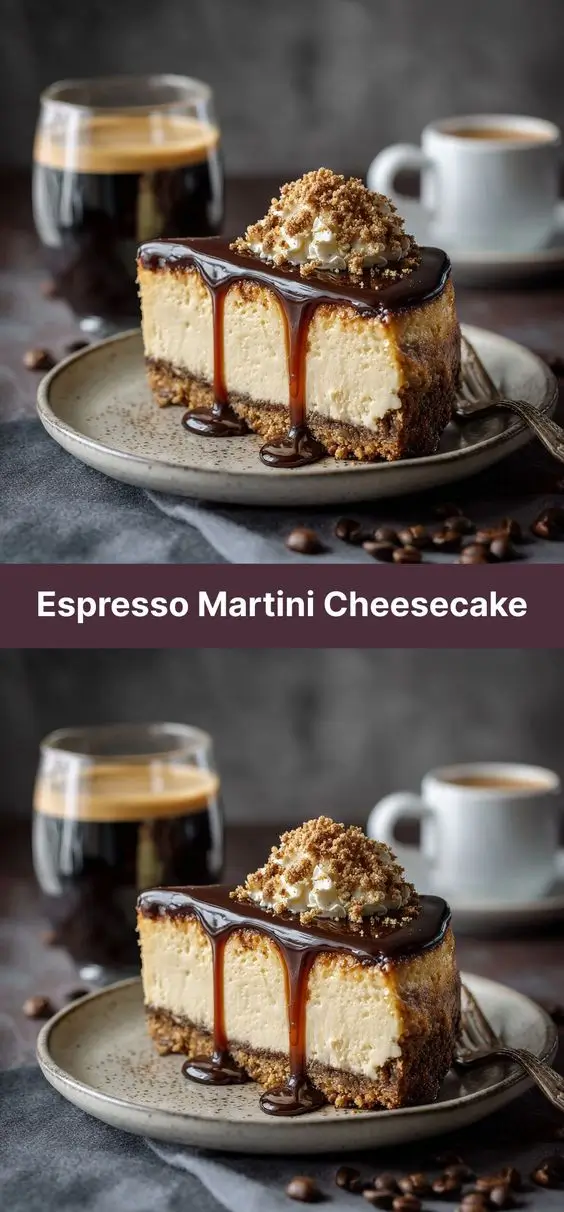
Espresso Martini Cheesecake: A Decadent Fusion of Coffee and Cream
The History: Where Elegance Meets Indulgence
The Espresso Martini Cheesecake is a modern dessert masterpiece born from two iconic indulgences: the rich, velvety cheesecake and the bold, spirited espresso martini cocktail. While traditional cheesecakes trace their origins back to ancient Greece—where they were served to athletes at the first Olympic Games in 776 BC—the espresso martini is a relatively recent invention. Created by legendary bartender Dick Bradsell in London during the late 1980s, the espresso martini was concocted at the request of a model who wanted “something that would wake her up and f*ck her up.” The result? A silky blend of vodka, fresh espresso, coffee liqueur, and just the right amount of sugar—a cocktail that’s both energizing and intoxicating.
It was only a matter of time before these two powerhouses merged into one luxurious dessert. The Espresso Martini Cheesecake emerged in the early 2010s as part of a broader trend in culinary fusion, where mixologists and pastry chefs began blurring the lines between bar and bakery. This dessert captures the essence of the cocktail—its deep coffee aroma, its subtle alcoholic warmth, and its sophisticated flair—and transforms it into a creamy, chilled confection perfect for dinner parties, brunch gatherings, or an indulgent solo treat after a long day. It’s not just a cake—it’s an experience.
Ingredients Breakdown: Crafting the Perfect Balance
Creating the ultimate Espresso Martini Cheesecake requires precision, quality ingredients, and attention to flavor layering. Each component plays a vital role in achieving the perfect texture, taste, and balance between sweetness, bitterness, and creaminess.
For the Crust:
- Digestive biscuits (or graham crackers): 200g, finely crushed – provides a slightly sweet, nutty base with a firm yet crumbly texture.
- Unsalted butter: 100g, melted – binds the crumbs and adds richness.
- Instant espresso powder: 1 teaspoon – enhances the coffee profile from the very first bite.
- Brown sugar: 2 tablespoons – adds molasses depth and complements the espresso notes.
For the Cheesecake Filling:
- Cream cheese: 900g, full-fat, room temperature – the foundation of any great cheesecake; ensures smoothness and body.
- Sour cream: 200g – adds tanginess and moisture, preventing the filling from becoming too dense.
- Granulated sugar: 150g – balances the bitterness of coffee and alcohol without overpowering.
- Vanilla extract: 1 teaspoon – rounds out the flavors with warmth.
- Large eggs: 4, room temperature – provide structure and help the cheesecake set properly.
- Freshly brewed espresso: 60ml, cooled – essential for authentic coffee flavor; instant coffee won’t compare.
- Kahlúa or other coffee liqueur: 60ml – brings the signature cocktail flavor and subtle sweetness.
- Vodka: 30ml – not for taste, but for mouthfeel; it enhances the overall smoothness and mimics the cocktail’s spirit base.
- Instant espresso powder: 2 teaspoons – intensifies the coffee presence throughout the filling.
- Heavy cream: 120ml – enriches the mixture and contributes to a silkier texture.
For the Espresso Martini Whipped Cream Topping:
- Heavy whipping cream: 300ml – must be cold for optimal whipping.
- Confectioners’ sugar: 3 tablespoons – sweetens without graininess.
- Kahlúa: 1 tablespoon – echoes the liqueur in the filling.
- Instant espresso: ½ teaspoon – reinforces the coffee theme.
- Chocolate-covered coffee beans: For garnish – adds crunch, visual drama, and a nod to the cocktail’s presentation.
Step-by-Step Recipe: How to Make an Espresso Martini Cheesecake
Step 1: Prepare the Crust
- Preheat your oven to 160°C (325°F). Grease a 9-inch springform pan and line the bottom with parchment paper for easy removal.
- In a food processor, pulse the digestive biscuits until fine crumbs form. Alternatively, place them in a sealed bag and crush with a rolling pin.
- Add brown sugar and instant espresso powder, then pulse to combine.
- Pour in the melted butter and mix until the crumbs resemble wet sand—uniformly coated but not soggy.
- Press the mixture firmly into the bottom of the prepared pan using the back of a spoon or a flat measuring cup. Ensure an even layer with slightly raised edges to help contain the filling.
- Bake the crust for 10 minutes, then remove and let cool while you prepare the filling. This step prevents sogginess and adds structural integrity.
Step 2: Make the Cheesecake Filling
- In a large mixing bowl, beat the cream cheese on medium speed until completely smooth and free of lumps—about 2–3 minutes.
- Add sour cream, sugar, and vanilla extract. Mix until fully incorporated and creamy.
- With the mixer running, add the eggs one at a time, scraping down the sides after each addition. Do not overmix once eggs are added—this can incorporate too much air and cause cracking.
- In a small bowl, combine the cooled espresso, Kahlúa, vodka, and instant espresso powder. Stir until the powder dissolves.
- Gradually add the espresso mixture to the batter while mixing on low speed. Then slowly pour in the heavy cream and mix just until combined.
- Strain the batter through a fine-mesh sieve to remove any undissolved particles or air bubbles—this ensures an ultra-smooth texture.
Step 3: Bake the Cheesecake
- Pour the strained filling over the cooled crust.
- Place the springform pan inside a larger roasting pan. Fill the outer pan with hot water halfway up the sides of the springform—this creates a water bath (bain-marie), which promotes even baking and prevents cracks.
- Carefully transfer to the preheated oven and bake for 60–75 minutes. The cheesecake is done when the edges are set but the center still has a slight wobble—like jelly.
- Turn off the oven, crack the door open with a wooden spoon, and let the cheesecake cool inside for 1 hour. This gradual cooling minimizes thermal shock and further reduces cracking.
- Remove from the oven, discard the water bath, and cool completely at room temperature. Then refrigerate for at least 6 hours, preferably overnight, to allow the flavors to meld and the texture to firm up.
Step 4: Add the Finishing Touches
- Just before serving, prepare the espresso martini whipped cream: In a chilled bowl, combine cold heavy cream, confectioners’ sugar, Kahlúa, and espresso powder. Whip on high speed until soft peaks form—do not overwhip.
- Spread or pipe the whipped cream over the top of the chilled cheesecake.
- Garnish generously with chocolate-covered coffee beans, arranging them in a circular pattern or scattered artistically.
- For extra flair, dust lightly with cocoa powder or edible gold glitter. Serve immediately.
Tips for the Perfect Espresso Martini Cheesecake
- Use room temperature dairy: Cold cream cheese or eggs can lead to lumpy batter. Take all refrigerated ingredients out 1–2 hours before starting.
- Avoid overmixing: Once eggs are added, mix just until combined. Overbeating incorporates air, which expands during baking and causes cracks.
- Strain the batter: This extra step removes any tiny lumps and ensures a restaurant-quality smooth texture.
- Don’t skip the water bath: It’s essential for gentle, even heat distribution. Wrap the bottom of the springform pan in foil if concerned about leaks.
- Cool gradually: Sudden temperature changes cause contraction and cracking. Letting the cheesecake cool in the turned-off oven is crucial.
- Chill thoroughly: At least 6 hours, but 8–12 is ideal. This allows the structure to set and the flavors—especially the espresso and alcohol—to deepen.
- Wipe the pan edges: Before baking, use a paper towel to clean any smudges on the sides of the pan. This ensures a clean release and beautiful appearance.
- Run a knife around the edge: After baking, before cooling, gently run a thin knife between the cake and the pan to prevent sticking and cracking as it contracts.
Variations and Customizations
The Espresso Martini Cheesecake is highly adaptable. Whether you’re catering to different dietary needs, flavor preferences, or seasonal themes, here are some creative twists:
- Non-Alcoholic Version: Replace vodka with cold strong brewed coffee and Kahlúa with a homemade coffee syrup (equal parts sugar and water simmered with espresso and cooled). The flavor remains rich and complex without the buzz.
- Dairy-Free/Vegan Option: Use plant-based cream cheese (like Kite Hill or Miyoko’s), coconut cream instead of sour cream, and a flax egg substitute (1 tbsp ground flax + 3 tbsp water per egg). Opt for vegan digestive biscuits and dairy-free chocolate for garnish.
- Gluten-Free Crust: Substitute gluten-free graham crackers or almond flour cookies. Almond flour mixed with butter and espresso also makes a delicious, nutty base.
- Decaf Version: Use decaffeinated espresso for those sensitive to caffeine but still craving the flavor.
- Flavored Swirls: Add a ripple of salted caramel, chocolate ganache, or hazelnut spread before baking for a marbled effect.
- Seasonal Twist: In winter, add a pinch of cinnamon or nutmeg to the crust. In summer, serve with macerated berries for contrast.
- Mini Cheesecakes: Bake in mason jars or silicone muffin molds for individual servings—perfect for parties or gifts.
- Boozy Upgrade: Infuse the crust with a splash of Baileys or spike the whipped cream with an extra tablespoon of Kahlúa for adult-only indulgence.
Health Considerations and Nutritional Value
While undeniably decadent, the Espresso Martini Cheesecake does come with nutritional considerations. One average slice (1/12th of a 9-inch cake) contains approximately:
- Calories: 480–520
- Total Fat: 32g (of which 18g saturated)
- Carbohydrates: 40g
- Sugars: 30g
- Protein: 8g
- Caffeine: ~50mg per slice (equivalent to half a shot of espresso)
- Alcohol Content: ~1.5–2% ABV per slice, depending on substitutions
Considerations:
- Caffeine Sensitivity: Due to espresso and coffee liqueur, this dessert may not be suitable for children or those avoiding caffeine.
- Alcohol Content: Though most alcohol bakes off, residual traces remain. Not recommended for pregnant individuals or those abstaining from alcohol.
- Saturated Fat: High due to cream cheese, butter, and heavy cream. Enjoy in moderation, especially for those monitoring cholesterol.
- Sugar Levels: Significant, but can be reduced using sugar substitutes like erythritol or monk fruit in both crust and filling.
- Dairy Allergies: Contains multiple dairy products. Vegan alternatives are available but will alter texture and taste slightly.
Despite its richness, this cheesecake offers some benefits: eggs and dairy provide protein and calcium, while moderate coffee consumption is linked to antioxidant benefits and improved cognitive function. As with all desserts, mindful portion control and occasional enjoyment are key.
Ingredients
Crust:
- 200g digestive biscuits (or graham crackers), finely crushed
- 100g unsalted butter, melted
- 1 tsp instant espresso powder
- 2 tbsp brown sugar
Filling:
- 900g full-fat cream cheese, room temperature
- 200g sour cream
- 150g granulated sugar
- 1 tsp vanilla extract
- 4 large eggs, room temperature
- 60ml freshly brewed espresso, cooled
- 60ml Kahlúa (or coffee liqueur)
- 30ml vodka
- 2 tsp instant espresso powder
- 120ml heavy cream
Topping:
- 300ml heavy whipping cream, cold
- 3 tbsp confectioners’ sugar
- 1 tbsp Kahlúa
- ½ tsp instant espresso powder
- Chocolate-covered coffee beans, for garnish
Directions
- Preheat oven to 160°C (325°F). Grease and line a 9-inch springform pan.
- Make the crust: Combine crushed biscuits, brown sugar, and espresso powder. Mix in melted butter until moistened. Press firmly into the pan bottom. Bake 10 minutes, then cool.
- Prepare filling: Beat cream cheese until smooth. Add sour cream, sugar, and vanilla; mix well. Incorporate eggs one at a time, mixing gently after each.
- Mix espresso, Kahlúa, vodka, and espresso powder. Gradually blend into batter, then add heavy cream. Mix until just combined.
- Strain batter through a sieve into a pitcher or large measuring cup.
- Pour into crust. Place in a roasting pan. Add hot water to reach halfway up the sides.
- Bake 60–75 minutes until edges are set and center jiggles slightly.
- Turn off oven, leave door ajar, and cool cheesecake inside for 1 hour.
- Remove, cool at room temperature, then refrigerate at least 6 hours or overnight.
- Before serving, whip topping ingredients until soft peaks form. Spread or pipe over cheesecake.
- Garnish with chocolate-covered coffee beans. Slice with a warm knife for clean cuts. Serve chilled.
FAQ
Can I make this cheesecake ahead of time?
Absolutely! This cheesecake actually improves with time. You can make it 1–2 days in advance. Keep it covered in the fridge and add the whipped cream and garnish just before serving to maintain freshness and texture.
Why did my cheesecake crack?
Cracking is usually caused by overmixing, rapid cooling, or too high oven temperature. Using a water bath, avoiding overbeating, and cooling slowly in the oven greatly reduce this risk. If cracks do appear, don’t panic—the whipped cream topping will cover them beautifully!
Can I freeze Espresso Martini Cheesecake?
Yes, but without the whipped cream topping. Wrap the cooled, untopped cheesecake tightly in plastic wrap and then foil. Freeze for up to 2 months. Thaw overnight in the fridge before adding topping and serving.
Is the alcohol noticeable?
The vodka is used more for texture than flavor and largely bakes off. The Kahlúa contributes sweetness and coffee notes, but the overall boozy taste is subtle—more aromatic than strong. Still, it’s not entirely alcohol-free.
Can I use instant coffee instead of espresso?
You can, but the flavor won’t be as rich or nuanced. Freshly brewed espresso delivers a deeper, more authentic coffee taste. If using instant, dissolve 2 teaspoons in 60ml hot water and cool before using.
How do I get clean slices?
Dip a sharp knife in hot water, wipe dry, and slice. Clean the knife between each cut for pristine edges. Chilling the cake thoroughly also helps.
Can I make this in a regular pie pan?
Not recommended. A springform pan is essential for easy removal. A standard pie dish won’t support the height or structure of a full cheesecake and lacks the release mechanism.
Summary
The Espresso Martini Cheesecake blends the bold sophistication of a classic cocktail with the creamy luxury of New York-style cheesecake, creating a show-stopping dessert that delights the senses. Rich in flavor, elegant in presentation, and unforgettable in taste, it’s the perfect finale to any gourmet meal.