Introduction
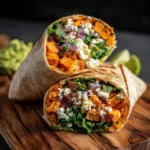
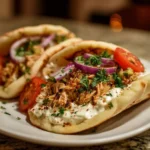
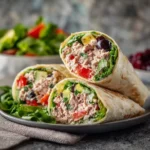
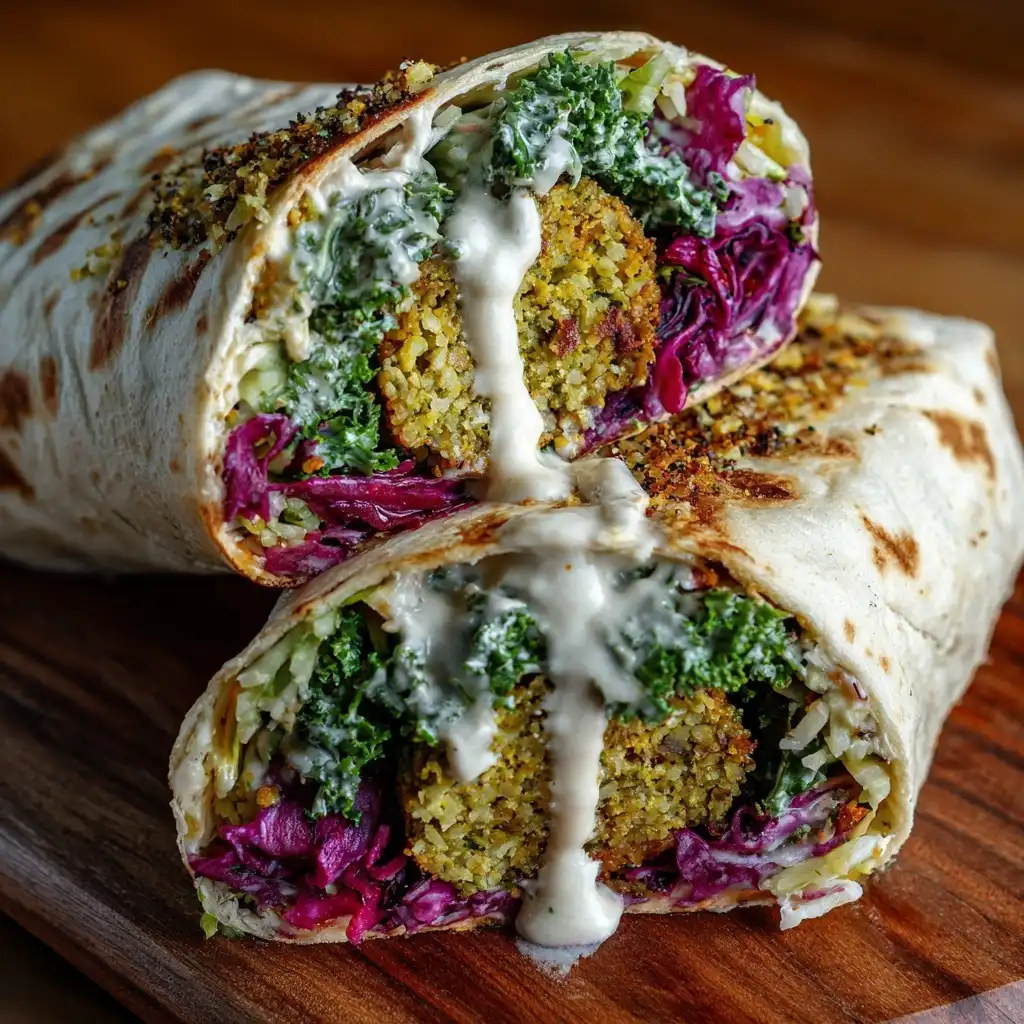
The Falafel Wrap with Tahini is a vibrant, nutrient-dense Middle Eastern street food classic reimagined for modern palates and on-the-go lifestyles. More than just a quick lunch or satisfying dinner option, this dish embodies the rich culinary heritage of Levantine cuisine—combining earthy spices, crisp-tender chickpeas, and creamy, tangy tahini into a harmonious handheld experience. Whether you’re a longtime falafel enthusiast or discovering it for the first time, the falafel wrap offers an irresistible balance of texture, flavor, and nourishment—all wrapped snugly in warm, pliable flatbread. Its versatility, plant-based foundation, and crowd-pleasing appeal have cemented its status as a global favorite—from bustling Beirut souks to Brooklyn food trucks and home kitchens worldwide.
The History
Falafel’s origins are deeply rooted—and hotly debated—across the Middle East and North Africa. While Egypt often claims falafel’s birthplace (dating back over 1,000 years to Coptic Christians who used fava beans during Lent), scholars also point to Yemeni and Levantine traditions where chickpeas gradually replaced favas due to regional availability and evolving taste preferences. By the mid-20th century, falafel had become a staple across Palestine, Lebanon, Syria, and Jordan—served from sidewalk stalls in paper cones or tucked into freshly baked pita. The “wrap” format emerged later, popularized by Israeli and diasporic vendors adapting the dish for portability and fusion appeal—often substituting pita for larger, softer lavash, saj bread, or whole wheat wraps. Tahini, derived from ancient sesame cultivation in Mesopotamia and the Levant, has been a foundational condiment for millennia; its use as a cooling, unifying sauce for falafel reflects both functional contrast (creamy vs. crispy) and cultural continuity. Today, the falafel wrap symbolizes culinary resilience, adaptation, and cross-cultural exchange—a testament to how food evolves without losing its soul.
Ingredients Breakdown
Every component of the falafel wrap plays a purposeful role—not only in flavor but in texture, aroma, and nutritional synergy. Below is a detailed deconstruction:
- Chickpeas (dried, soaked): The irreplaceable base—never canned. Soaked dried chickpeas retain structural integrity when ground, yielding a light, airy interior and crisp exterior upon frying. They deliver fiber, plant protein, folate, iron, and resistant starch.
- Fresh Herbs (parsley & cilantro): Provide bright, grassy notes and natural chlorophyll-rich antioxidants. Parsley adds subtle bitterness that balances richness; cilantro contributes citrusy complexity (though optional for those with the “soapy gene”).
- Aromatics (onion, garlic, scallions): Finely minced—not juiced or pureed—to release volatile oils without adding excess moisture. Red onion adds sweetness and bite; garlic delivers pungent depth; scallions lend mild allium freshness and visual appeal.
- Spices (cumin, coriander, cayenne, black pepper): Toasted and ground for maximum aromatic intensity. Cumin anchors with warm, nutty earthiness; coriander brings citrusy sweetness; cayenne offers gentle heat (adjustable); black pepper enhances bioavailability of curcuminoids and other phytonutrients.
- Leavening (baking soda): Added *just before frying*, it reacts with acids (like lemon juice or natural bean compounds) to create micro-bubbles—yielding fluffier, less dense falafel. Crucial for lift and tenderness.
- Tahini Sauce: Made from hulled, roasted sesame paste thinned with lemon juice, garlic, water, and a pinch of salt. Authentic tahini should be emulsified—not separated—and slightly bitter-sweet. It cools spice, enriches mouthfeel, and contributes calcium, healthy fats, and sesamin lignans.
- Wrap Vehicle (whole wheat or spinach lavash, gluten-free tortillas, or sourdough pita): Chosen for pliability, structural support, and complementary nutrition. Whole grains add B vitamins and slower-digesting carbs; spinach-infused wraps boost lutein and iron; fermented options like sourdough improve digestibility and mineral absorption.
- Accompaniments (pickled turnips, shredded cabbage, diced tomato, fresh mint, radish ribbons, sumac-dusted onions): These aren’t garnishes—they’re functional layers. Pickles provide acidity and probiotics; raw vegetables contribute crunch, enzymes, and vitamin C (which boosts non-heme iron absorption from chickpeas); sumac adds tartness and anthocyanins; fresh herbs offer volatile oils with anti-inflammatory properties.
Step-by-Step Recipe
- Soak the Chickpeas: Place 1½ cups dried, unsalted chickpeas in a large bowl. Cover with at least 3 inches cold water. Add 1 tsp apple cider vinegar (helps soften skins and reduce phytic acid). Soak 16–24 hours at cool room temperature (not in the fridge). Drain and rinse thoroughly—do not cook.
- Prep Aromatics & Herbs: Finely dice ½ medium yellow onion, 2 garlic cloves, and 4 green onions (white and green parts). Roughly chop 1 cup packed flat-leaf parsley and ½ cup packed cilantro—pat dry with paper towels to remove excess moisture.
- Grind the Base: In a food processor fitted with a steel blade, pulse soaked chickpeas in 2–3 batches until coarsely ground (like coarse cornmeal)—*do not purée*. Over-processing creates gummy falafel. Transfer to a large mixing bowl.
- Combine & Season: Add aromatics, herbs, 1½ tsp ground cumin, 1 tsp ground coriander, ¼ tsp cayenne, 1 tsp sea salt, and ½ tsp freshly ground black pepper. Mix vigorously with hands or a sturdy spatula for 2 minutes to activate starches and bind. Refrigerate uncovered for 30 minutes (critical for flavor melding and firming).
- Add Leavening & Shape: Just before frying, stir in ½ tsp aluminum-free baking soda. Using a 1.5-inch cookie scoop or damp hands, form mixture into 12–14 compact, 1.5-inch patties (~1.5 oz each). Gently flatten to ¾-inch thick—don’t over-compress. Place on parchment-lined tray; refrigerate 15 more minutes.
- Fry to Perfection: Heat 2 inches neutral oil (avocado, grapeseed, or refined sunflower) to 350°F (175°C) in a heavy-bottomed Dutch oven. Fry 4–5 patties at a time—don’t crowd. Cook 2.5–3 minutes per side until deep golden brown and crusty. Drain vertically on a wire rack over paper towels. Keep warm in a 200°F (95°C) oven while finishing batches.
- Prepare Tahini Sauce: Whisk together ⅓ cup well-stirred tahini, 3 tbsp fresh lemon juice, 1 small minced garlic clove, ¼ tsp salt, and 3–4 tbsp ice-cold water until silky smooth and pourable (like heavy cream). Adjust with more lemon or water as needed.
- Warm the Wraps: Lightly grill or toast wraps (10–15 seconds per side) on a dry skillet until pliable and faintly speckled. Avoid overheating—this prevents tearing.
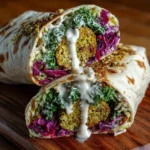
- Assemble with Intention: Lay wrap flat. Spread 2 tbsp tahini sauce in center, leaving 1.5-inch borders. Arrange 3–4 falafel patties slightly overlapping. Top with ¼ cup shredded red cabbage, 3–4 thin tomato slices, 2 tbsp pickled turnips, a sprinkle of sumac, a handful of fresh mint leaves, and optional radish ribbons. Fold bottom edge up over filling, then fold in sides, and roll tightly forward—tucking as you go. Wrap snugly in parchment paper or foil for structural integrity.
Tips
- Dry is Key: Excess moisture is the #1 cause of falafel disintegration. Pat herbs *thoroughly* dry; drain soaked chickpeas well; avoid adding liquid seasonings like soy sauce or vinegar beyond what’s specified.
- Chill Religiously: Refrigeration before shaping and again after shaping allows starches to set and fats to solidify—resulting in crisp exteriors and cohesive interiors. Skipping chill time guarantees crumbling.
- Oil Temperature Matters: Use a deep-fry thermometer. Too cool → greasy, soggy falafel. Too hot → burnt outside, raw inside. Maintain 350°F (175°C) throughout frying—adjust heat as needed.
- No Overcrowding: Frying too many at once drops oil temp dramatically. Fry in small batches and let oil reheat between rounds.
- Baking Soda Timing: Never mix baking soda in advance—it loses potency. Stir in *immediately* before shaping and frying.
- Tahini Consistency: Authentic tahini sauce must be *emulsified*, not separated. If your tahini is thick or grainy, stir vigorously with lemon juice *before* adding water. Cold water helps emulsification.
- Wrap Integrity Hack: For leak-proof wraps, spread tahini in a narrow band—not wide. Overfilling causes bursting. Also, use wraps with some elasticity (avoid brittle, stale flatbreads).
- Make-Ahead Friendly: Soaked chickpeas (drained) keep 2 days refrigerated. Unfried falafel patties freeze beautifully for up to 3 months—freeze on parchment, then bag. Fry straight from frozen (add 30–45 seconds per side).
- Rest Before Serving: Let fried falafel sit 2 minutes before assembling—this allows steam to escape and prevents sogginess in the wrap.
- Double-Dip for Extra Crisp: For ultra-crispy falafel, fry once at 325°F (160°C) for 1 minute to set, remove and drain, then refry at 350°F (175°C) for final color and crunch.
Variations and Customizations
This recipe is inherently adaptable—celebrating regional interpretations and personal preferences without compromising authenticity. Here are thoughtfully curated variations:
- Bean Alternatives: Swap half the chickpeas with cooked, cooled fava beans (Egyptian-style) or yellow split peas (Yemeni-inspired) for nuttier depth. For a milder profile, replace ¼ of chickpeas with peeled, blanched edamame.
- Gluten-Free & Grain-Free: Use certified GF oats (ground fine) or almond flour (2 tbsp) as a binder instead of flour—no need to add if mixture holds. Serve in butter lettuce cups or jicama wraps for a low-carb, crunchy vessel.
- Herb Variations: Add 2 tbsp finely chopped dill for Bulgarian flair, or substitute 1 tbsp dried mint + 1 tbsp fresh mint for Jordanian nuance. Omit cilantro entirely if sensitive—boost parsley and add ½ tsp dried oregano.
- Spice Profiles: Lebanese: Add ¼ tsp ground cinnamon and 1 pinch ground allspice. Israeli: Include ½ tsp smoked paprika and 1 tsp za’atar. Vegan “Everything” Falafel: Stir in 1 tbsp everything bagel seasoning pre-fry.
- Cooking Methods: Air-Fryer Option: Spray patties with avocado oil, air-fry at 375°F (190°C) for 12–14 minutes, flipping halfway—crisp but less rich. Oven-Baked: Brush with oil, bake at 400°F (200°C) on parchment-lined sheet for 20–25 min, flipping at 12 min—healthier, heartier texture.
- Tahini Twists: Lemon-Tahini: Add zest of 1 lemon. Roasted Garlic Tahini: Blend in 2 cloves roasted garlic. Green Tahini: Blend in ¼ cup blanched spinach + 1 tbsp parsley. Spicy Harissa Tahini: Whisk in 1 tsp harissa paste.
- Global-Inspired Wraps: Mediterranean: Add crumbled vegan feta, kalamata olives, and oregano. Mexican Fusion: Swap tahini for chipotle-lime crema, add black beans, corn, and pickled red onions. Asian-Inspired: Use peanut-ginger tahini (sub 1 tbsp peanut butter), top with quick-pickled daikon and scallions.
- Breakfast Falafel Wrap: Add scrambled tofu with turmeric, sautéed spinach, and a drizzle of maple-tahini sauce. Perfect for savory morning energy.
- Deconstructed Bowl Version: Serve falafel over tabbouleh, warm quinoa, or shredded kale; top with tahini, pickled veggies, and pomegranate arils for festive color and antioxidants.
Health Considerations and Nutritional Value
A single serving (3 falafel patties + 1 large whole wheat wrap + 3 tbsp tahini sauce + standard veggie toppings) delivers approximately:
- Calories: ~580–650 kcal (balanced between complex carbs, plant protein, and monounsaturated fats)
- Protein: 22–26 g (complete amino acid profile when combined with tahini’s methionine and chickpeas’ lysine)
- Fiber: 14–18 g (nearly 60% of daily needs—supports gut microbiota diversity and satiety)
- Healthy Fats: 28–32 g (primarily heart-healthy oleic acid from sesame and cooking oil; zero trans fat)
- Vitamins & Minerals: Exceptionally high in iron (non-heme, enhanced by vitamin C from lemon/tomatoes), folate (crucial for DNA synthesis), magnesium (muscle/nerve function), calcium (from tahini), and potassium (blood pressure regulation)
- Phytonutrients: Rich in polyphenols (cumin, parsley), lignans (sesame), flavonoids (cilantro), and sulfur compounds (garlic/onion)—all linked to reduced oxidative stress and chronic inflammation
Dietary Notes: Naturally vegan, dairy-free, egg-free, and nut-free (if using seed-based oil). Easily made soy-free and gluten-free with appropriate wrap selection. Low glycemic index (GI ≈ 32) thanks to high fiber and resistant starch—ideal for blood sugar management. For those with IBS, consider using canned *and rinsed* chickpeas (lower oligosaccharides) or fermenting the mixture overnight before frying. Always pair with digestive-friendly accompaniments like fermented pickles or fennel slaw to further support gut health.
Ingredients
For the Falafel:
- 1½ cups dried, unsalted chickpeas (soaked 16–24 hrs, drained)
- ½ medium yellow onion, finely diced
- 2 garlic cloves, minced
- 4 green onions (scallions), finely sliced (white and green)
- 1 cup packed flat-leaf parsley, finely chopped and patted dry
- ½ cup packed fresh cilantro, finely chopped and patted dry
- 1½ tsp ground cumin (preferably toasted and ground)
- 1 tsp ground coriander (toasted and ground)
- ¼ tsp cayenne pepper (or to taste)
- 1 tsp fine sea salt (plus more for oil)
- ½ tsp freshly ground black pepper
- ½ tsp aluminum-free baking soda
- Avocado oil or grapeseed oil for frying (enough for 2 inches depth)
For the Tahini Sauce:
- ⅓ cup well-stirred, hulled, roasted tahini paste
- 3 tbsp freshly squeezed lemon juice
- 1 small garlic clove, finely minced or microplaned
- ¼ tsp fine sea salt
- 3–4 tbsp ice-cold filtered water (more as needed)
For Assembly:
- 4 large whole wheat lavash wraps, spinach tortillas, or sourdough pita (8–10 inch)
- 1 cup shredded red or green cabbage
- 1 medium tomato, thinly sliced
- ⅓ cup pickled turnips (homemade or high-quality store-bought)
- 2 tbsp fresh mint leaves
- 1 tbsp sumac
- Optional: Thin radish ribbons, cucumber matchsticks, microgreens, lemon wedges
Directions
- Soak & Prep: Soak dried chickpeas in cold water with 1 tsp apple cider vinegar for 16–24 hours. Drain, rinse well, and pat lightly dry. Chop aromatics and herbs—ensure all are very dry.
- Grind Chickpeas: In a food processor, pulse drained chickpeas in 2–3 batches until coarsely ground (like gravel or coarse cornmeal). Do not over-process into paste. Transfer to a large mixing bowl.
- Mix Dry & Wet Ingredients: Add onion, garlic, scallions, parsley, cilantro, cumin, coriander, cayenne, salt, and black pepper. Mix vigorously with clean hands for 2 minutes until mixture begins to cling. Cover and refrigerate 30 minutes.
- Add Leavening & Shape: Remove mixture from fridge. Stir in baking soda until evenly distributed. Using a 1.5-oz scoop or damp hands, shape into 12–14 compact, slightly flattened patties (¾-inch thick). Place on parchment-lined tray. Refrigerate uncovered 15 minutes.
- Heat Oil: Pour oil into heavy-bottomed pot to 2-inch depth. Heat over medium-high to 350°F (175°C). Use a deep-fry thermometer for accuracy.
- Fry Falafel: Carefully lower 4–5 patties into hot oil using a slotted spoon or spider strainer. Fry 2.5–3 minutes per side until deeply golden brown and crisp. Remove with slotted spoon; drain vertically on wire rack over paper towels. Keep warm in 200°F (95°C) oven. Repeat, maintaining oil temperature.
- Make Tahini Sauce: In a small bowl, whisk tahini and lemon juice until thick and creamy (1–2 min). Add garlic and salt. Gradually whisk in ice-cold water, 1 tbsp at a time, until smooth, glossy, and pourable (like heavy cream). Adjust with more lemon or water as desired.
- Warm Wraps: Heat a dry cast-iron skillet over medium. Warm each wrap 10–15 seconds per side until soft and pliable—do not crisp or brown.
- Assemble: Lay wrap flat. Spread 2 tbsp tahini sauce horizontally across center third. Arrange 3–4 falafel patties in a line over sauce. Top evenly with cabbage, tomato, pickled turnips, mint, and sumac. Fold bottom edge up over filling, fold in left and right edges, then roll tightly forward. Wrap snugly in parchment paper for serving.
- Serve Immediately: Cut in half diagonally if desired. Serve with extra tahini sauce, lemon wedges, and a side of chilled mint-lemon water.
FAQ
- Can I use canned chickpeas?
- No—canned chickpeas contain too much moisture and sodium, and their texture breaks down when ground, resulting in mushy, dense falafel that won’t hold shape or crisp properly. Dried, soaked chickpeas are non-negotiable for authentic texture and flavor.
- Why do my falafel fall apart when frying?
- Most commonly due to excess moisture (wet herbs, insufficient draining), under-chilling (mixture too soft), or over-processing chickpeas into paste. Ensure every ingredient is dry, chill twice (pre- and post-shaping), and pulse—not blend—chickpeas.
- How do I store leftovers?
- Fried falafel stay crisp in the fridge for 3 days (store uncovered on a wire rack in container). Reheat in air fryer (375°F, 4–5 min) or oven (400°F, 8 min). Tahini sauce keeps 1 week refrigerated—stir before using. Unfried patties freeze up to 3 months; fry from frozen.
- Is falafel gluten-free?
- Yes—traditional falafel contains no gluten. However, always verify that spices and baking soda are certified GF, and choose GF-certified wraps or lettuce cups to maintain integrity.
- Can I make this nut-free?
- Absolutely. This recipe uses only sesame (tahini), chickpeas, herbs, and spices—no tree nuts or peanuts. Just ensure your oil and wrap are nut-free (e.g., avoid wraps with almond flour or cross-contamination warnings).
- What’s the best oil for frying falafel?
- Choose neutral, high-smoke-point oils: avocado oil (smoke point 520°F), refined sunflower oil (450°F), or grapeseed oil (420°F). Avoid olive oil (low smoke point, strong flavor) or unrefined coconut oil (burns easily).
- My tahini sauce is too thick or separates—how do I fix it?
- If thick or grainy, whisk vigorously with lemon juice first—this re-emulsifies the oils. Then slowly stream in ice-cold water while whisking constantly. If already separated, start fresh: whisk tahini + lemon until stiff, then add water dropwise. Never add warm water.
- Can I prep this ahead for meal prep?
- Yes! Soak chickpeas, chop herbs/aromatics, and mix dry spices 1 day ahead. Store separately in fridge. Assemble and fry the day of—or freeze uncooked patties. Tahini sauce preps 3 days ahead. Wrap components separately; assemble fresh for best texture.
- What makes tahini sauce turn bitter?
- Bitterness comes from low-quality, rancid, or over-roasted tahini—or using unhulled sesame paste. Always choose hulled, stone-ground, refrigerated tahini from a high-turnover source. Fresh lemon juice and salt balance any residual bitterness.
- Are there low-oil alternatives to traditional frying?
- Air-frying yields decent crispness with ~80% less oil. For oven-baking, brush patties generously with oil and bake at 400°F on parchment—flip halfway. Texture will be denser and less shatteringly crisp, but still flavorful and nutritious.
Summary
The Falafel Wrap with Tahini is a masterclass in plant-powered balance—where boldly spiced, golden-crisp chickpea fritters meet luxuriously creamy, lemon-kissed tahini, all enveloped in a tender, nutrient-rich wrap and crowned with vibrant, enzyme-rich vegetables and zesty pickles. It’s a celebration of tradition, texture, and intentional nourishment—one delicious, satisfying bite at a time.
Whether enjoyed as a hearty lunch, post-workout recovery meal, or crowd-pleasing centerpiece for gatherings, this wrap delivers exceptional flavor, remarkable versatility, and profound nutritional value—proving that wholesome eating can be deeply indulgent, culturally resonant, and endlessly creative.