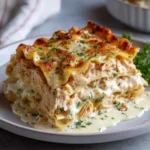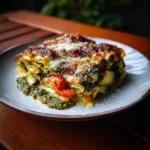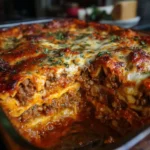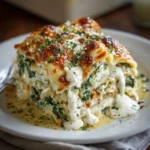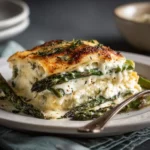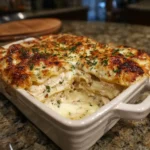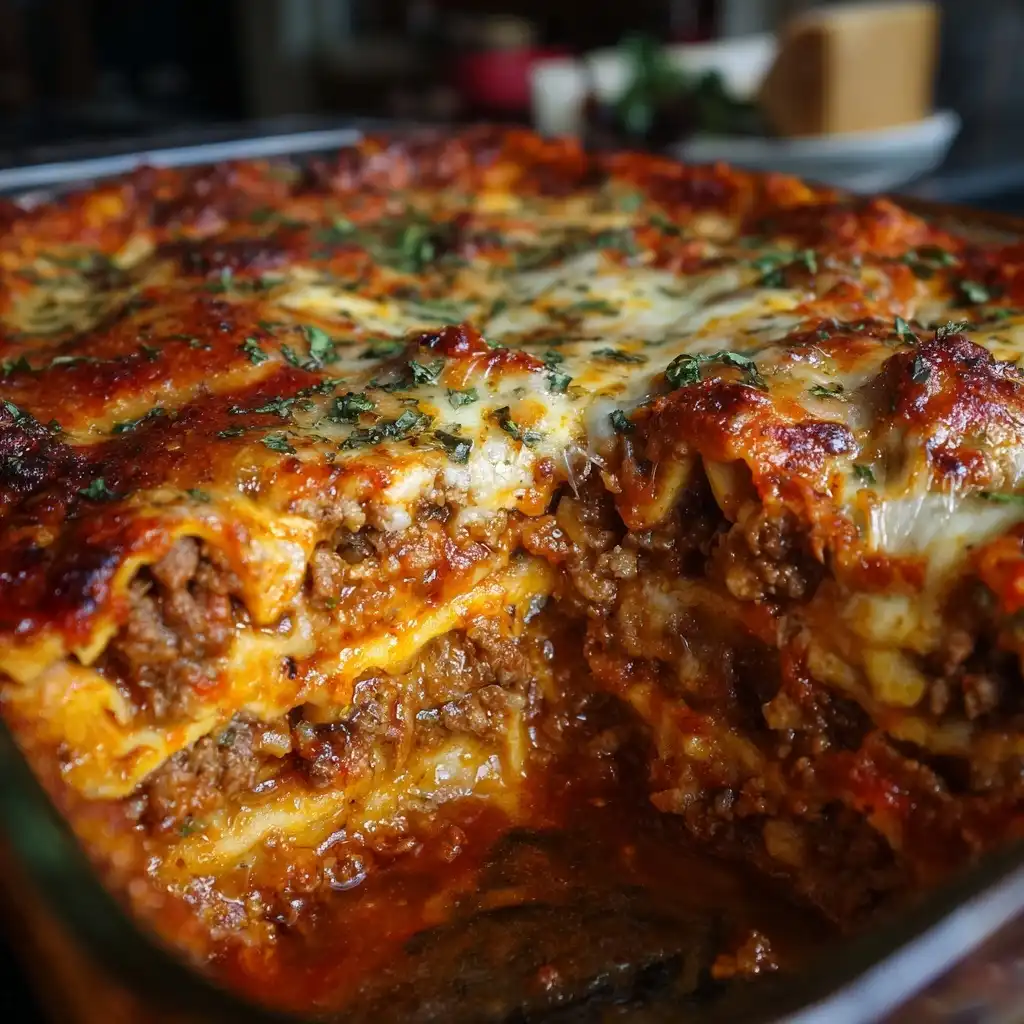
Introduction
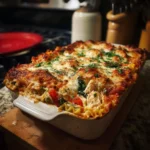
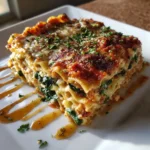
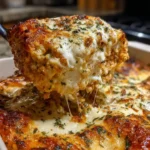
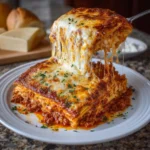
Fire Roasted Tomato Beef Lasagna is a bold, deeply flavorful twist on the beloved Italian-American classic—elevating traditional lasagna with the smoky-sweet complexity of fire-roasted tomatoes, rich slow-braised beef, and layers of creamy ricotta and mozzarella. Unlike conventional versions that rely heavily on canned tomato sauce or plain passata, this recipe harnesses the concentrated intensity of charred tomatoes—either homemade or high-quality artisanal—to build an umami-rich, slightly caramelized base that infuses every bite with warmth and depth. It’s comfort food reimagined: hearty enough for Sunday suppers and holiday feasts, yet sophisticated enough to impress even seasoned home chefs. Whether you’re seeking a soul-warming weeknight centerpiece or a make-ahead casserole for potlucks and gatherings, this lasagna delivers layered textures, nuanced seasoning, and a subtle smokiness that lingers long after the last forkful.
The History
Lasagna’s origins trace back to 13th-century Italy—specifically the Emilia-Romagna region—where early iterations featured flat sheets of dough layered with spiced meats and cheese, baked without tomatoes (which hadn’t yet arrived from the Americas). The modern tomato-based lasagna emerged centuries later, following the widespread adoption of tomatoes in Italian cuisine by the late 18th century. However, the concept of “fire roasting” vegetables—charring over open flame or high-heat ovens to deepen flavor—is far older, rooted in Indigenous Mesoamerican techniques later adopted across Latin America and the Mediterranean. In the United States, fire-roasted tomatoes gained commercial prominence in the 1980s and ’90s, championed by gourmet food brands and California-inspired chefs who prized their complex sweetness and smoky nuance over standard cooked tomatoes. This lasagna represents a delicious fusion of Old World structure and New World technique—honoring lasagna’s layered heritage while embracing the bold, rustic character of fire-roasted ingredients. It reflects contemporary culinary values: intentionality in sourcing (preferably vine-ripened, locally grown tomatoes), respect for time-honored methods (slow-simmered ragù, hand-cut noodles or no-boil alternatives), and a celebration of smoke as a foundational flavor—not just a garnish, but a structural pillar.
Ingredients Breakdown
Every component in Fire Roasted Tomato Beef Lasagna plays a deliberate role—not merely as filler, but as a contributor to balance, texture, aroma, and mouthfeel. Below is an in-depth analysis of each key ingredient and why substitutions matter:
- Fire-Roasted Tomatoes (Whole or Crushed): The heart and soul of the dish. Look for varieties packed in tomato juice or purée—not water—and avoid those with added citric acid or excessive sugar. Opt for brands that roast tomatoes over real flame (not just oven-baked) for authentic char notes. Whole tomatoes offer better control over consistency—you’ll crush them by hand or pulse lightly to retain some chunkiness and natural pectin for thickening. Their acidity is tamed by roasting, resulting in a rounded, almost fig-like sweetness balanced by earthy bitterness from the charred skin.
- Ground Beef (85/15 or 80/20): A blend of chuck and sirloin delivers ideal fat content for moisture and flavor development. Leaner beef (90/10 or higher) dries out during long simmering; fattier cuts (70/30) can yield greasiness. For deeper complexity, many chefs brown half the meat with pancetta or guanciale—adding rendered fat and cured pork richness that complements the smokiness.
- Aromatics (Yellow Onion, Carrots, Celery – “Mirepoix”): Finely diced and slowly sautéed until golden (not just softened), these form the aromatic foundation. Carrots contribute natural sweetness that harmonizes with roasted tomatoes; celery adds herbal brightness and subtle bitterness to cut richness; onions provide depth and body when caramelized.
- Garlic & Fresh Herbs: Garlic must be minced—not pressed—to avoid acridness when browned. Fresh oregano and basil are non-negotiable here: dried herbs lack the volatile oils needed to echo the brightness of fire-roasted tomatoes. Add oregano early (with onions) to bloom its earthiness; stir in fresh basil at the end to preserve its floral, anise-tinged lift.
- Tomato Paste: Double-concentrated, Italian-style paste (such as Mutti or San Marzano DOP-certified) is essential. It’s cooked separately in olive oil until brick-red and fragrant (“fond” development), unlocking deep Maillard-driven flavors—caramelized sugars, roasted nuttiness—that anchor the entire sauce.
- Dry Red Wine (Chianti, Sangiovese, or Barbera): Adds acidity, tannic structure, and fruit-forward notes that mirror roasted tomatoes. Avoid “cooking wine”—its salt and preservatives dull flavor. Deglaze the pan thoroughly after browning meat and aromatics to capture every bit of fond.
- Beef Stock (Low-Sodium, Homemade Preferred): Provides collagen-rich body and savory depth. Homemade stock (simmered with marrow bones, mirepoix, and herbs for 12+ hours) yields gelatinous richness that coats noodles luxuriously. Store-bought should be reduced by one-third before adding to concentrate flavor and eliminate excess sodium.
- Ricotta Cheese (Whole-Milk, Full-Fat, Drained): Not cottage cheese or low-fat imitations. Authentic ricotta offers delicate grain, milky sweetness, and high moisture content—critical for creaminess without gumminess. Always drain overnight in cheesecloth over a bowl to remove whey; excess liquid causes soggy layers and poor binding.
- Mozzarella (Fresh, Low-Moisture, or a Blend): Fresh mozzarella (fior di latte) melts beautifully but releases water—best used *in combination* with shredded low-moisture mozzarella for reliable stretch and browning. Avoid pre-shredded cheeses containing anti-caking starches (like cellulose), which inhibit melt and create grainy texture.
- Parmigiano-Reggiano (Aged 24–36 Months): Grated fresh on a microplane for maximum surface area and salty, nutty umami. Pre-grated versions oxidize quickly and lose aromatic complexity. Its crystalline granules dissolve into the ricotta mixture, enhancing binding and adding savory depth.
- Lasagna Noodles (No-Boil or Fresh): No-boil noodles absorb liquid directly from the sauce during baking—ideal for this moist, rich ragù. If using traditional dried noodles, boil until *al dente* (1 minute less than package instructions), then shock in ice water and lay flat on parchment to prevent sticking. Fresh pasta (egg-based, rolled thin) offers superior tenderness but requires shorter bake time and precise layering to avoid mushiness.
- Olive Oil (Extra-Virgin, Robust, Cold-Pressed): Used both for sautéing (high smoke point not required since done at medium heat) and finishing—drizzled over the top before baking for glossy sheen and peppery finish.
- Seasonings (Sea Salt, Black Pepper, Red Pepper Flakes, Nutmeg): Salt is adjusted in stages—not just at the end. Nutmeg (a pinch, freshly grated) subtly enhances dairy richness without tasting “spicy.” Red pepper flakes add gentle warmth—not heat—complementing smokiness. Black pepper should be coarsely cracked for aromatic volatility.
Step-by-Step Recipe
- Prep & Prep Ahead (30 minutes): Drain ricotta in cheesecloth-lined strainer over a bowl; refrigerate uncovered. Grate cheeses. Finely dice onion, carrots, and celery (mirepoix). Mince garlic. Chop fresh basil and oregano. Measure all spices and liquids. Bring all dairy to room temperature for seamless blending.
- Char & Crush Tomatoes (Optional but Recommended): If using raw tomatoes: preheat grill or cast-iron skillet to smoking hot. Toss plum tomatoes (San Marzano preferred) in olive oil, salt, and thyme sprigs. Grill or sear 3–4 minutes per side until blistered and blackened in spots. Cool slightly, peel off charred skins, remove cores and seeds, then crush by hand or pulse 3–4 times in food processor—do not purée. Reserve juices.
- Build the Ragù Base (25 minutes): Heat 3 tbsp olive oil in heavy-bottomed Dutch oven over medium heat. Add mirepoix; cook 10–12 minutes until deeply golden and fragrant—stir frequently. Add garlic; cook 1 minute until aromatic. Push veggies to sides; add tomato paste to center. Cook, stirring constantly, until paste darkens to brick red and smells nutty (~4 minutes).
- Brown the Beef (15 minutes): Increase heat to medium-high. Add ground beef in even layer; press gently with spatula. Let sear undisturbed 3 minutes. Flip in sections, breaking into coarse crumbles. Cook until deeply browned (no gray bits)—about 8 more minutes. Drain excess fat if pooling (leave ~1 tbsp for flavor).
- Deglaze & Simmer (10 minutes active + 2 hours passive): Pour in wine; scrape bottom vigorously to lift fond. Simmer 4 minutes until alcohol evaporates. Stir in crushed fire-roasted tomatoes (with reserved juices), beef stock, oregano, 1 tsp salt, ½ tsp pepper, and red pepper flakes. Bring to gentle bubble, then reduce heat to lowest setting. Cover partially and simmer uncovered for 2 hours, stirring every 20 minutes. Skim foam. Sauce should thicken to coat spoon; if too thin, simmer uncovered 15–20 min longer. Cool 30 minutes.
- Prepare Ricotta Layer (10 minutes): In large bowl, combine drained ricotta, 1 cup grated mozzarella, 1 cup grated Parmigiano, 1 egg, ¼ tsp freshly grated nutmeg, ½ tsp salt, ¼ tsp black pepper, and chopped basil. Fold gently until uniform—do not overmix. Chill 20 minutes for firmness.
- Assemble Lasagna (20 minutes): Preheat oven to 375°F (190°C). Grease 9×13-inch baking dish with olive oil or butter. Spread 1 cup ragù evenly on bottom. Place first layer of noodles (slightly overlapping if needed). Top with ⅓ ricotta mixture, spreading gently. Spoon 1⅓ cups ragù over ricotta. Repeat two more times (noodles → ricotta → ragù). Final noodle layer goes on top. Spread remaining ragù evenly. Sprinkle with remaining mozzarella and Parmigiano. Drizzle top with 1 tbsp olive oil.
- Bake & Rest (65 minutes total): Cover tightly with greased aluminum foil (prevents drying). Bake 45 minutes. Remove foil; bake uncovered 15–20 minutes until top is golden, bubbly, and edges pull slightly from pan. Turn broiler to high for final 2–3 minutes to blister cheese—watch closely! Remove and rest *undisturbed* for 35–45 minutes. This allows starches to set, layers to stabilize, and residual heat to finish cooking—critical for clean slices.
Tips
- Resting Is Non-Negotiable: Cutting too soon guarantees soupy, sliding layers. Resting lets proteins in cheese and eggs fully coagulate and starches in noodles retrograde—creating structural integrity. Set a timer—it’s as vital as any cooking step.
- Control Moisture at Every Stage: Excess water = mush. Drain tomatoes well. Squeeze ricotta thoroughly. Simmer ragù until thick enough to mound on spoon without running. If using fresh noodles, pat dry before layering.
- Layering Logic Matters: Always start and end with sauce—not cheese or ricotta—to protect noodles from drying. Sauce on top also prevents cheese from scorching before noodles cook through.
- Use a Bench Scraper or Wide Spatula for Serving: Lasagna cuts cleaner when lifted from beneath rather than stabbed with a knife. Slide scraper under portion, lift gently, and transfer to plate.
- Make-Ahead Friendly: Assemble up to 24 hours ahead; refrigerate covered. Add 10–15 minutes to covered bake time. For freezing: cool completely, wrap double in plastic + foil, freeze up to 3 months. Thaw overnight in fridge before baking.
- Revive Leftovers Properly: Reheat individual slices in toaster oven or covered skillet over low heat with splash of broth—never microwave uncovered (makes cheese rubbery and noodles gummy).
- Skim Fat Strategically: After simmering ragù, chill 15 minutes—fat rises and solidifies for easy removal. Or use fat separator for precision.
- Toast Your Spices: Briefly toast whole nutmeg or red pepper flakes in dry pan before grinding—unlocks volatile oils and intensifies aroma.
- Test Noodle Doneness Early: When assembling, press gently on top noodle layer—if it feels soft but not mushy, it’s perfect. Overcooked noodles turn to paste during baking.
- Rotate Pan Mid-Bake: Ovens have hot spots. Rotate dish 180° halfway through uncovered bake for even browning.
Variations and Customizations
This recipe is a canvas—not a constraint. Below are thoughtfully developed adaptations that maintain structural integrity and flavor harmony:
- Vegetarian Fire-Roasted Lasagna: Replace beef with a trio of roasted vegetables: diced eggplant (salted, drained, roasted until tender), cremini mushrooms (sautéed until deeply browned), and lentils (French green or black, cooked al dente). Boost umami with 2 tbsp soy sauce or tamari and 1 tsp miso paste stirred into ragù at the end.
- Spicy Chipotle Variation: Add 1–2 finely minced chipotle peppers in adobo to the ragù along with 1 tsp adobo sauce. Balance heat with extra ¼ cup cream stirred into ricotta mixture. Garnish with pickled red onions and cilantro.
- White Fire-Roasted Lasagna (Rouille-Inspired): Substitute roasted red peppers (charred, peeled, puréed) for tomatoes. Use roasted garlic and saffron-infused béchamel instead of tomato ragù. Layer with goat cheese–ricotta blend and fontina.
- Meatball Lasagna Hybrid: Form ragù mixture into 1-inch meatballs, pan-sear until crusty, then nestle between layers. Adds textural contrast and intensified beef flavor.
- Gluten-Free Adaptation: Use certified GF no-boil noodles (Tinkyada or Barilla) or fresh rice-paper sheets blanched 5 seconds in hot water. Ensure all sauces and cheeses are GF-certified (some Parmigiano blends contain anti-caking agents).
- Low-Carb/Zucchini “Noodle” Version: Use wide ribbons of zucchini (peeled with vegetable peeler, salted 15 min, patted dry). Pre-roast on parchment at 425°F for 10 min to evaporate water. Layer same as noodles—but reduce bake time to 30 minutes covered, 10 uncovered.
- Breakfast Lasagna Twist: Swap ragù for fire-roasted tomato–chorizo hash (with poached eggs baked into top layer). Use Gruyère instead of mozzarella and fold chives into ricotta.
- Seafood Lasagna Reinvention: Replace beef with sautéed shrimp, scallops, and calamari in fire-roasted tomato–white wine broth. Add lemon zest and dill to ricotta. Finish with toasted panko and parsley.
- Smoked Gouda & Apple Variation: Add thin slices of tart apple (Honeycrisp) and smoked Gouda between layers. Use sage instead of basil and finish with apple cider reduction drizzle.
- Kid-Friendly Mild Version: Omit red pepper flakes, reduce garlic by half, add 2 tbsp honey to ragù for subtle sweetness, and top with extra mozzarella for familiar appeal. Serve with garlic bread sticks.
Health Considerations and Nutritional Value
Fire Roasted Tomato Beef Lasagna can be both deeply satisfying and nutritionally thoughtful—when prepared with awareness and balanced modifications. A standard serving (1/8 of 9×13 pan, approx. 1.5 cups) contains approximately:
- Calories: 480–540 kcal (varies by cheese/noodle choice)
- Protein: 32–38g (excellent source—beef, ricotta, mozzarella, and Parmigiano deliver complete amino acid profile)
- Fat: 22–28g (mostly unsaturated from olive oil and cheese; saturated fat ~12g—reduced by choosing leaner beef or part-skim ricotta)
- Carbohydrates: 34–42g (primarily from noodles; fiber ~3–5g—increased significantly with whole-grain or legume-based noodles)
- Sodium: 680–850mg (moderate; controlled by low-sodium stock, no-added-salt tomatoes, and measured cheese)
- Vitamins & Minerals: Rich in calcium (1200mg+), vitamin B12 (4.2mcg), iron (4.5mg), lycopene (enhanced bioavailability from cooking + olive oil), and antioxidants (vitamin C and polyphenols preserved in fire-roasting)
Key Health Notes:
- Lycopene Powerhouse: Fire-roasting dramatically increases lycopene concentration—a potent antioxidant linked to reduced risk of heart disease and prostate cancer. Lycopene absorption improves 2–3x when paired with healthy fats like olive oil and cheese.
- Protein Synergy: Combining beef (heme iron) with tomato-based sauce enhances non-heme iron absorption from plant components—supporting oxygen transport and energy metabolism.
- Smart Swaps for Specific Goals:
- Heart-Healthy: Use grass-fed beef (higher omega-3s), reduce cheese by 25%, increase spinach in ricotta (adds folate and magnesium), and finish with flaxseed oil drizzle.
- Gut-Friendly: Add ½ cup cooked, cooled lentils to ragù for prebiotic fiber. Include fermented ricotta (if available) or serve with kimchi on the side.
- Blood Sugar Balanced: Pair with side salad dressed in apple cider vinegar (lowers glycemic response) and swap noodles for roasted sweet potato “sheets.”
- Anti-Inflammatory Focus: Boost turmeric (¼ tsp in ragù), add walnuts to ricotta, and top with arugula and pomegranate seeds.
- Portion Mindfulness: While nutrient-dense, lasagna is calorie-concentrated. Serve with generous side of roasted vegetables (zucchini, bell peppers, red onion) to increase volume and fiber without added calories.
- Allergen Awareness: Naturally gluten-free option exists (see Variations); dairy-free version possible with cashew ricotta and nutritional yeast “Parmesan,” though smoky depth requires smoked paprika + liquid smoke infusion.
Ingredients
- 2 tbsp extra-virgin olive oil (plus more for drizzling)
- 1 large yellow onion, finely diced (about 1½ cups)
- 2 medium carrots, peeled and finely diced (about 1 cup)
- 2 ribs celery, finely diced (about 1 cup)
- 6 cloves garlic, minced
- 3 tbsp double-concentrated tomato paste
- 1½ lbs ground beef (85/15 blend)
- 1 cup dry red wine (Chianti or Sangiovese)
- 2 (28-oz) cans fire-roasted tomatoes (preferably whole, San Marzano-style), crushed by hand with juices reserved
- 2 cups low-sodium beef stock (homemade preferred)
- 1 tbsp fresh oregano leaves, chopped (or 1 tsp dried)
- ¼ cup fresh basil leaves, chopped (reserve 1 tbsp for garnish)
- 1 tsp sea salt (plus more to taste)
- 1 tsp freshly ground black pepper
- ¼ tsp red pepper flakes (optional)
- ¼ tsp freshly grated nutmeg
- 1 (15-oz) container whole-milk ricotta cheese, drained overnight
- 2 cups shredded low-moisture mozzarella cheese (divided)
- 1½ cups freshly grated Parmigiano-Reggiano cheese (divided)
- 1 large egg
- 12 no-boil lasagna noodles (or 12 fresh pasta sheets, about 4 oz)
- Flaky sea salt and extra basil for finishing
Directions
- Drain ricotta in a fine-mesh strainer lined with cheesecloth over a bowl. Refrigerate uncovered for at least 8 hours or overnight. Discard whey.
- In a heavy-bottomed Dutch oven or large saucepan, heat olive oil over medium heat. Add onion, carrots, and celery. Cook, stirring occasionally, until deeply golden and fragrant—about 10–12 minutes. Add garlic and cook 1 minute more, until aromatic.
- Push vegetables to the sides of the pot. Add tomato paste to the center and cook, stirring constantly, until dark brick-red and fragrant—about 4 minutes.
- Increase heat to medium-high. Add ground beef in an even layer. Press gently with a spatula and let sear undisturbed for 3 minutes. Flip and break into coarse crumbles. Cook until deeply browned and no pink remains—about 8 minutes more. Drain excess fat, leaving ~1 tbsp.
- Pour in red wine. Scrape the bottom thoroughly with a wooden spoon to release all browned bits (fond). Simmer 4 minutes until alcohol evaporates.
- Stir in crushed fire-roasted tomatoes (with all juices), beef stock, oregano, 1 tsp salt, 1 tsp black pepper, red pepper flakes (if using), and nutmeg. Bring to a gentle simmer.
- Reduce heat to low. Partially cover and simmer uncovered for 2 hours, stirring every 20 minutes. Skim foam. Sauce should be thick enough to coat the back of a spoon. If too thin, simmer uncovered 15–20 minutes longer. Cool 30 minutes.
- Preheat oven to 375°F (190°C). Grease a 9×13-inch baking dish with olive oil or butter.
- In a large bowl, combine drained ricotta, 1 cup mozzarella, 1 cup Parmigiano, egg, ½ tsp salt, ¼ tsp black pepper, nutmeg, and chopped basil (reserving 1 tbsp). Fold gently until just combined. Chill 20 minutes.
- Spoon 1 cup ragù into prepared dish and spread evenly. Layer with 4 no-boil noodles (slightly overlapping if needed). Spread ⅓ of ricotta mixture over noodles. Spoon 1⅓ cups ragù over ricotta. Repeat two more times (noodles → ricotta → ragù). Top with final 4 noodles. Spread remaining ragù evenly over top. Sprinkle with remaining 1 cup mozzarella and ½ cup Parmigiano. Drizzle with 1 tbsp olive oil.
- Cover tightly with greased aluminum foil. Bake 45 minutes.
- Remove foil. Bake uncovered 15–20 minutes until top is golden, bubbling vigorously at edges, and noodles are tender when pierced with knife.
- For optimal browning: switch oven to broil (high). Broil 2–3 minutes until cheese is blistered and deeply golden—watch closely to prevent burning.
- Remove from oven. Rest undisturbed for 35–45 minutes. This allows layers to set and prevents collapse when slicing.
- Cut into 8 equal portions using a sharp chef’s knife and wide metal spatula. Garnish with reserved basil and flaky sea salt. Serve warm.
FAQ
- Can I use jarred fire-roasted tomatoes instead of canned?
- Yes—but read labels carefully. Many jarred versions contain vinegar, sugar, or preservatives that alter pH and flavor balance. Opt for brands labeled “roasted over open flame” with only tomatoes, olive oil, salt, and herbs listed. Avoid those with citric acid or calcium chloride, which can make sauce metallic or overly firm.
- Why does my lasagna turn out watery?
- Three main culprits: (1) Undrained ricotta—always strain overnight; (2) Under-reduced ragù—simmer until thick enough to hold a spoon upright; (3) Skipping the rest—cutting too soon releases trapped steam and moisture. Also verify noodles aren’t overcooked or oversoaked.
- Can I make this vegetarian without losing richness?
- Absolutely. Roast 1 large eggplant (diced, salted, drained) and 1 lb cremini mushrooms (sliced, sautéed until shrunken) with ½ cup lentils (cooked al dente). Add 1 tbsp soy sauce +