Introduction
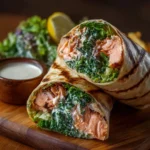
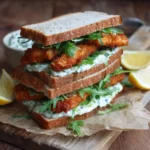
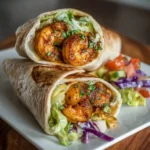
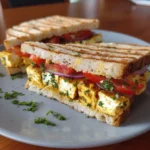
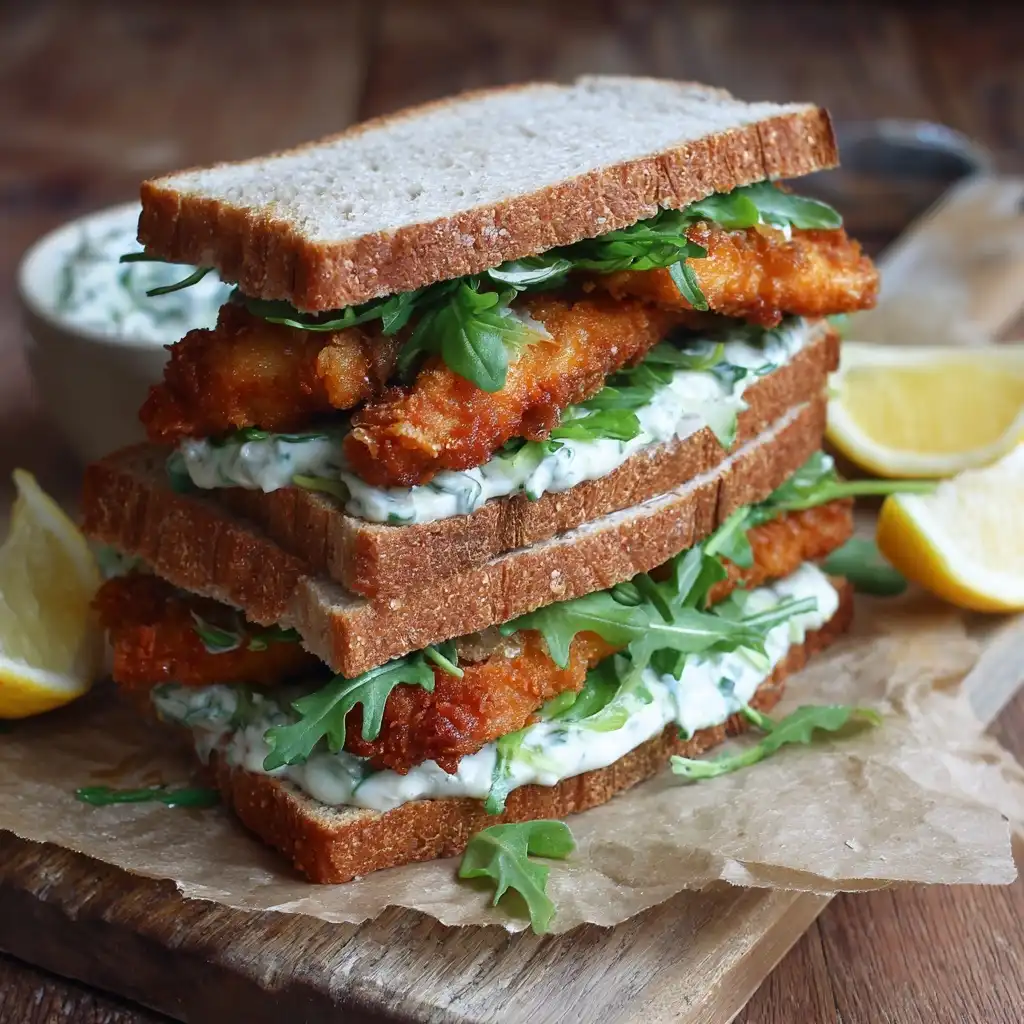
The Fish Finger Sandwich is a beloved comfort food classic—simple, satisfying, and endlessly adaptable. Born from the post-war ingenuity of mid-20th-century Britain, it bridges nostalgia and modern convenience without sacrificing flavor or heartiness. Whether enjoyed as a quick weekday lunch, a nostalgic childhood treat reimagined for adults, or a crowd-pleasing pub-style snack, this sandwich transforms humble breaded fish fillets into a culinary experience that balances crisp texture, savory depth, and creamy contrast. Its enduring appeal lies in its accessibility: no specialized skills required, minimal equipment needed, and wide-ranging flexibility for dietary preferences—from gluten-free swaps to plant-based alternatives—making it a truly democratic dish that transcends generations and geographies.
The History
The origins of the Fish Finger Sandwich trace back to the invention of the fish finger itself—a revolutionary food product developed in the United Kingdom in the early 1950s by the British company Birds Eye. Facing post-war rationing, economic constraints, and consumer demand for convenient, affordable protein, food scientists sought ways to utilize underutilized white fish like cod and haddock. In 1953, Birds Eye launched the first commercially successful frozen fish fingers: uniform, breaded, pre-portioned strips of deboned fish designed for easy home cooking. Almost immediately, British households began integrating them into everyday meals—and the sandwich emerged organically as a natural evolution. Housewives layered golden-browned fingers between two slices of soft white bread, often with tartar sauce or butter, creating an economical yet filling lunch option for children and workers alike. By the 1960s, the fish finger sandwich had cemented itself in school dinner menus, café counters, and seaside kiosks across the UK. It later crossed the Atlantic—gaining traction in Canada, Australia, and parts of the U.S., where regional adaptations (like using remoulade in New Orleans or adding pickles in the Midwest) added local flair. Today, it enjoys renewed interest thanks to artisanal seafood producers, gourmet delis reinventing it with line-caught pollock and house-made panko, and viral social media trends highlighting its textural harmony and retro-chic aesthetic.
Ingredients Breakdown
Understanding each component deepens both appreciation and execution. Let’s explore not just *what* goes into a great Fish Finger Sandwich—but *why*:
- Fish Fingers (or Fish Sticks): Typically made from mild white fish (cod, haddock, pollock, or tilapia), sustainably sourced and skinless, cut into uniform 3–4 inch strips. The quality of the fish matters: look for products with ≥75% fish content (check the label), minimal fillers (no wheat gluten or excessive starches), and responsibly certified sourcing (MSC or ASC logos). Frozen varieties offer consistency and longer shelf life; fresh-breaded options are available at fishmongers or specialty markets.
- Bread: The foundation—and arguably the most customizable element. Traditional British versions use soft, square-cut white sandwich bread (e.g., Warburtons or Hovis), lightly toasted for structural integrity. Artisanal takes favor brioche buns for richness, sourdough for tang and chew, or whole grain for fiber and nuttiness. Gluten-free, seeded, rye, or even grilled pita can serve as thoughtful alternatives—always consider how crumb structure interacts with moisture from sauces and steam from hot fish.
- Binding & Flavor Agents: Mayonnaise is the classic base—its emulsified fat coats the fish and prevents sogginess while contributing creaminess. Tartar sauce adds caper-and-herb brightness; remoulade brings Cajun-inspired heat and complexity; lemon-dill aioli introduces freshness. Mustard (Dijon or whole grain) adds sharpness; mashed avocado lends earthy richness and healthy fats.
- Crisp & Fresh Accents: Lettuce (butterhead or romaine for crunch without bitterness), ripe tomato slices (seeded to reduce water content), thinly sliced red onion or pickled shallots (for acidity and bite), and cucumber ribbons (cooling counterpoint) all contribute vital textural and flavor layers. Microgreens or arugula add peppery nuance and visual elegance.
- Seasonings & Finishes: A pinch of flaky sea salt (Maldon) enhances umami; freshly cracked black pepper adds warmth; lemon zest or a squeeze of juice lifts the entire profile; smoked paprika or Old Bay seasoning on the fish before cooking adds dimension; fresh dill, chives, or parsley provide aromatic finesse.
Step-by-Step Recipe
- Prep Your Workspace (5 minutes): Clear a clean surface. Gather all ingredients and tools: baking sheet lined with parchment or silicone mat (or air fryer basket), wire rack (for draining excess oil), tongs, small bowl for sauce mixing, sharp knife, cutting board, toaster or skillet, and thermometer (optional but recommended for food safety).
- Select & Thaw (if needed) Fish Fingers (2 minutes): Choose high-quality frozen fish fingers. For best results, do not thaw before cooking—cooking from frozen ensures even internal heating and maximizes crisp exterior. If using fresh-breaded fish, pat dry thoroughly with paper towels to remove surface moisture.
- Cook the Fish Fingers (12–18 minutes, depending on method):
- Oven Method (most consistent): Preheat oven to 220°C (425°F) fan-assisted / 240°C (465°F) conventional. Arrange fish fingers in a single layer on the lined baking sheet, leaving space between each. Lightly spray or brush with neutral oil (grapeseed, avocado, or refined coconut). Bake for 14–16 minutes, flipping halfway through, until golden brown and internal temperature reaches 63°C (145°F). Rest 2 minutes before handling.
- Air Fryer Method (fastest & crispiest): Preheat air fryer to 200°C (390°F). Place fish fingers in a single layer (do not overcrowd). Spray lightly with oil. Cook 10–12 minutes, shaking basket halfway, until deeply golden and crisp. Rest 1 minute.
- Pan-Fry Method (for maximum Maillard richness): Heat 3–4 mm of high-smoke-point oil (sunflower or rice bran) in a heavy-bottomed skillet over medium-high heat (175°C / 350°F). Carefully add fish fingers in batches, avoiding crowding. Fry 3–4 minutes per side until deep golden and bubbling steadily. Drain on wire rack over paper towels. Season immediately with flaky salt.
- Toast or Prepare Bread (3 minutes): While fish cooks, toast bread to your preferred level—light golden for tenderness, deeply caramelized for crunch and stability. For extra luxury, spread one side of each slice with softened butter or garlic herb compound butter before toasting. Let cool slightly (hot bread + cold sauce = soggy disaster).
- Prepare Sauce & Toppings (5 minutes): Mix ¼ cup mayonnaise with 1 tsp lemon juice, ½ tsp Dijon mustard, 1 tbsp finely chopped capers, 1 tbsp minced dill, 1 tsp minced shallot, and a pinch of cayenne. Chill briefly. Meanwhile, wash and dry lettuce, slice tomatoes (blot with paper towel), thinly slice red onion, and prepare any other garnishes.
- Assemble with Precision (2 minutes): Lay bottom bread slice on a clean surface. Spread sauce generously (but not to the very edge—prevents dripping). Layer lettuce first (creates moisture barrier). Then place 2–3 hot fish fingers horizontally, slightly overlapping. Top with tomato, onion, and optional extras. Cap with top bread slice, sauce-side down. Press gently—not too hard, or fish will compress and lose crispness.
- Rest & Serve (1 minute): Let sandwich rest for 60 seconds—this allows residual heat to gently warm the bread and meld flavors without making it damp. Slice diagonally for presentation (and easier eating), and serve immediately with lemon wedges, dill pickles, or crispy kettle chips.
Tips
- Temperature is Everything: Serve fish fingers piping hot—never lukewarm. Their magic lies in the contrast between shatteringly crisp exterior and tender, flaky interior. If assembling ahead, keep cooked fingers on a wire rack in a low oven (100°C / 210°F) while prepping other components.
- Bread-to-Fish Ratio Matters: Use thick-cut bread (12–15 mm) to support weight without collapsing. Avoid ultra-spongy mass-market loaves unless well-toasted—they absorb moisture too readily. For open-faced versions, try griddled sourdough slabs topped with fish, lemon crème fraîche, and micro herbs.
- Sauce Placement Strategy: Always apply sauce to bread—not directly onto fish—to preserve crispness. If stacking multiple layers (e.g., double-decker), alternate sauce placement: bottom slice + top slice, never between fish and veg.
- Acid Is Your Ally: A tiny splash of vinegar (sherry, apple cider, or rice) in your sauce or a quick pickle of onions brightens richness and cuts through oiliness. Don’t skip it—even 1/8 tsp makes a perceptible difference.
- Don’t Skip the Rest: That 60-second pause after assembly isn’t optional—it lets steam redistribute, slightly softens the lettuce’s raw edge, and helps bind the elements. Rushing leads to disjointed bites.
- Season in Layers: Salt the fish before cooking, season the sauce, finish with flaky salt and cracked pepper. This builds dimensional seasoning instead of one-note saltiness.
- Crispness Insurance: If serving buffet-style or packing for lunch, wrap sandwiches loosely in parchment paper (not plastic) and store upright in a container with a paper towel underneath to absorb condensation.
- Knife Discipline: Use a serrated knife dipped in hot water and wiped dry between cuts for clean, non-crushing slices—especially important with delicate brioche or soft white bread.
Variations and Customizations
The Fish Finger Sandwich is a masterclass in culinary adaptability—here’s how to tailor it to every palate, occasion, and dietary need:
- Gourmet Upscale: Swap standard fish fingers for hand-cut, panko-crusted line-caught hake or wild Alaskan pollock. Serve on toasted brioche with saffron-infused aioli, fennel slaw, and orange segments. Garnish with edible flowers and lemon zest.
- Pub-Style “Ploughman’s” Twist: Use robust rye or seeded loaf. Layer with sharp cheddar, pickled red cabbage, grainy mustard, and crispy fried shallots alongside the fish. Add a spoonful of Branston pickle for sweet-sour depth.
- Coastal Mediterranean: Opt for lemon-herb marinated whiting fingers. Serve on ciabatta with roasted red pepper hummus, baby spinach, kalamata olives, and crumbled feta. Finish with oregano and a drizzle of high-quality olive oil.
- Asian-Inspired: Use tempura-battered cod sticks. Slather with wasabi-mayo or yuzu kosho aioli. Add quick-pickled daikon, nori strips, shredded carrot, and scallions. Serve in steamed bao buns for a handheld twist.
- Vegan/Vegetarian: Substitute plant-based “fish” fingers (made from banana blossom, hearts of palm, or soy-protein blends) or crispy baked tofu sticks marinated in seaweed and tamari. Use vegan mayo, nori flakes, dulse powder, and cucumber-kimchi slaw.
- Gluten-Free: Choose certified GF fish fingers (many brands now offer them) and GF sandwich bread (look for oat-, almond-, or cassava-based loaves with good structure). Toast thoroughly and reinforce with xanthan gum–enhanced sauces for cling.
- Kid-Friendly Fun: Cut sandwiches into fun shapes (stars, fish, circles) with cookie cutters. Use mild herb mayo and omit onions. Add a hidden veg boost: blend spinach into the sauce or grate zucchini into the breading mix before freezing.
- Low-Carb/Keto: Skip bread entirely—serve fish fingers atop a bed of butter lettuce cups filled with avocado slices, radish ribbons, and chipotle-lime crema. Or use portobello “buns” grilled with garlic butter.
- Breakfast Version: Add a soft-set fried egg, crispy bacon or pancetta, and maple-Dijon glaze. Serve on brioche with caramelized onions and aged Gouda.
- Spicy Southern: Coat fish fingers in Cajun or Nashville hot spice blend before cooking. Serve on buttermilk biscuits with comeback sauce (a blend of mayo, ketchup, horseradish, and Worcestershire), pickled jalapeños, and crispy collard greens.
Health Considerations and Nutritional Value
A well-crafted Fish Finger Sandwich can be a nutrient-dense, balanced meal—when approached intentionally. Here’s a detailed nutritional analysis based on a standard serving (2 premium cod fish fingers [85g], 2 slices whole grain bread [60g], 2 tbsp lemon-dill aioli [30g], ¼ cup romaine [15g], 3 thin tomato slices [30g], 1 tsp red onion [5g]):
- Calories: ~420–480 kcal — moderate and satiating, especially with fiber-rich bread and lean protein.
- Protein: ~22–26g — high-quality complete protein supporting muscle maintenance, satiety, and metabolic health. Fish provides all nine essential amino acids plus bioavailable taurine and creatine.
- Omega-3 Fatty Acids: ~450–750mg EPA+DHA — crucial for cardiovascular function, neurocognitive health, and anti-inflammatory activity. Varies by fish species: wild-caught haddock or pollock typically contain more than farmed alternatives.
- Fiber: ~6–8g — primarily from whole grain bread and vegetables, promoting gut microbiome diversity, stable blood sugar, and digestive regularity.
- Vitamins & Minerals: Rich in Vitamin D (15–25% DV), B12 (80–120% DV), selenium (60–90% DV), iodine (30–50% DV), and potassium (15% DV). Tomato contributes lycopene (enhanced by light cooking or oil in sauce); greens supply folate and vitamin K.
- Sodium Considerations: Ranges from 550–950mg depending on brand and sauce. Choose low-sodium fish fingers (<300mg/serving) and limit added salt—rely on herbs, citrus, and umami-rich ingredients (nutritional yeast, miso paste in sauces) for flavor without excess sodium.
- Added Sugars: Typically low (<2g) if avoiding ketchup-based sauces or sweetened breads. Read labels carefully—some “healthy” fish fingers contain hidden sugars in breading or glazes.
- Trans Fats & Saturated Fat: Minimal when prepared with unsaturated oils (avocado, grapeseed) and moderate portions of full-fat sauces. Avoid palm oil–based products and hydrogenated shortenings common in budget brands.
- Dietary Accommodations: Naturally low-FODMAP (with GF bread and lactose-free sauce), suitable for pescatarian diets, and easily adapted for renal or diabetic meal plans with portion control and low-glycemic carb choices.
- Mindful Consumption Tips: Prioritize MSC-certified or Ocean Wise–approved fish to support sustainable fisheries. Limit consumption of larger predatory fish (e.g., imported swordfish-based fingers) due to mercury concerns—opt for smaller, fast-growing species like pollock, hake, or Alaska cod. Pair with a side of fermented veggies or green salad to enhance nutrient absorption and microbiome support.
Ingredients
- 6 high-quality frozen fish fingers (cod, haddock, or pollock; minimum 75% fish content)
- 3 slices artisanal whole grain or sourdough sandwich bread (about 30g per slice)
- ⅓ cup high-quality mayonnaise (preferably cage-free egg, expeller-pressed oil)
- 1½ tsp fresh lemon juice (plus extra wedge for serving)
- 1 tsp Dijon mustard
- 1 tbsp finely chopped dill (fresh preferred; 1 tsp dried if substituting)
- 1 tbsp finely minced shallot or red onion
- 1 tbsp drained, finely chopped capers
- ¼ tsp freshly ground black pepper
- Pinch of cayenne or smoked paprika (optional)
- 2 large outer leaves butterhead or Boston lettuce, washed and patted dry
- ¼ medium ripe beefsteak tomato, seeds gently scooped out, sliced ¼-inch thick
- 4 very thin rings red onion (soaked in ice water for 5 minutes to mellow, then drained)
- Flaky sea salt (e.g., Maldon), for finishing
- Neutral high-smoke-point oil (avocado, grapeseed, or refined coconut), for cooking
- Optional enhancements: microgreens, lemon zest, pickled fennel, crispy nori strips, hot honey drizzle
Directions
- Preheat oven to 220°C (425°F) fan-assisted / 240°C (465°F) conventional. Line a baking sheet with parchment paper or a silicone mat. Set a wire cooling rack over a second baking sheet or tray—this will hold cooked fish fingers and prevent sogginess.
- In a small bowl, combine mayonnaise, lemon juice, Dijon mustard, dill, shallot, capers, black pepper, and cayenne (if using). Stir vigorously until smooth and fully emulsified. Cover and refrigerate for at least 10 minutes to allow flavors to meld.
- Arrange fish fingers in a single uncrowded layer on the prepared baking sheet. Lightly brush or spray both sides with neutral oil. Place in preheated oven and bake for 14 minutes. At the 7-minute mark, carefully flip each fish finger using tongs. Continue baking until deeply golden brown, crisp to the touch, and internal temperature reads 63°C (145°F) when checked with an instant-read thermometer inserted into the thickest part.
- While fish cooks, toast bread slices in a toaster, skillet, or oven until golden and slightly firm—about 3–4 minutes. Transfer to a cooling rack and let sit for 2 minutes to stabilize. Do not stack.
- Prepare toppings: Pat lettuce dry thoroughly. Blot tomato slices with paper towel to remove excess moisture. Drain and pat red onion rings dry.
- Once fish fingers are done, transfer immediately to the wire rack to cool for exactly 90 seconds—this preserves crispness and releases excess steam.
- Assemble: Lay one toasted bread slice on a clean surface. Spread 1½ tbsp of chilled sauce evenly across surface, stopping ¼ inch from edges. Layer lettuce over sauce. Place 3 hot fish fingers horizontally across center. Top evenly with tomato slices, then red onion rings. Drizzle with a few drops of fresh lemon juice and a light sprinkle of flaky salt.
- Spread remaining sauce on second toasted slice. Gently place atop fish stack, sauce-side down. Press down lightly with palms—just enough to adhere, not compress.
- Using a sharp serrated knife, wipe blade with hot, damp cloth, then cut sandwich diagonally into two generous triangles. Serve immediately with extra lemon wedge, dill sprigs, and a small side of malt vinegar–dipped kettle chips or dill pickle spears.
FAQ
- Can I make Fish Finger Sandwiches ahead of time?
- For optimal texture, assemble within 5 minutes of cooking the fish. However, you can prep components in advance: bake fish fingers up to 2 days ahead and re-crisp in air fryer at 200°C for 3–4 minutes; make sauce up to 5 days ahead (store covered in fridge); pre-slice and store vegetables in airtight containers with paper towels. Never assemble and refrigerate—the bread will become irreversibly soggy.
- Are frozen fish fingers unhealthy?
- Not inherently—but quality varies dramatically. Choose brands listing fish as the first ingredient, minimal additives (<5 ingredients total), no artificial colors or preservatives, and transparent sourcing. Avoid those with hydrogenated oils, high-fructose corn syrup in glazes, or excessive sodium (>400mg per serving). When paired with whole foods and smart cooking methods (baking > deep-frying), they’re a nutritious, time-saving protein source.
- Why does my sandwich get soggy so quickly?
- Sogginess stems from three main culprits: (1) Under-toasted or low-density bread that can’t resist moisture; (2) Cold or room-temperature fish fingers that release steam into the bread instead of crisping outward; (3) Wet vegetables (especially unblotted tomatoes or undried lettuce) or overly liquid sauce. Always blot produce, cook fish hot, toast bread well, and use thick-cut loaves.
- Can I use an air fryer instead of the oven?
- Absolutely—and many find it superior. Air frying yields faster, more uniformly crisp results with less oil. Preheat air fryer to 200°C (390°F). Cook frozen fish fingers in a single layer for 10–12 minutes, shaking basket at 6 minutes. No oil spray is strictly necessary, but 1 light mist enhances browning. Rest on wire rack 60 seconds before assembling.
- What’s the best bread for a Fish Finger Sandwich?
- There’s no universal “best”—only best-for-purpose. For classic comfort: soft white sandwich bread, well-toasted. For nutrition and chew: dense whole grain or multigrain. For richness and structure: brioche or challah (toasted until deeply caramelized). For gluten-free integrity: certified GF sourdough or oat-based loaves with strong crumb. Avoid overly airy or moist loaves like milk bread or Japanese-style shokupan unless extra-toasted.
- How do I reheat leftover Fish Finger Sandwiches?
- Do not microwave—they’ll turn rubbery and limp. Instead, disassemble: re-crisp fish fingers in air fryer (3–4 min at 200°C) or oven (5–6 min at 220°C); refresh bread in toaster or skillet; reassemble with fresh sauce and vegetables. Leftover cooked fish fingers (un-assembled) freeze beautifully for up to 3 months—reheat straight from frozen.
- Is there a way to make this lower in calories without sacrificing satisfaction?
- Yes—with intelligent swaps: use 100% whole grain thin-sliced bread (saves ~40 kcal per slice); replace half the mayo with nonfat Greek yogurt or silken tofu blended with lemon and herbs (cuts ~120 kcal per ¼ cup); increase volume with low-calorie, high-fiber veggies (shredded cabbage, zucchini ribbons, spinach); choose baked-over-fried preparation; and practice mindful portioning (2 fingers instead of 3, with extra greens).
- Can I use fresh fish instead of frozen fingers?
- Yes—and highly encouraged for peak flavor and texture. Use skinless, boneless cod, haddock, or pollock fillets cut into 3×1-inch strips. Marinate 10 minutes in buttermilk + lemon zest + garlic powder, then dredge in panko (toasted for extra crunch) mixed with grated Parmesan and smoked paprika. Pan-sear in clarified butter or bake as directed. Expect richer flavor and more delicate flake—but requires slightly more hands-on time.
- What wine or beverage pairs well with a Fish Finger Sandwich?
- Surprisingly versatile! Crisp, high-acid whites shine: unoaked Chablis, Txakoli, or Sauvignon Blanc cut through richness. For beer lovers, a dry Irish stout (Guinness) or German pilsner offers roasty or hoppy contrast. Non-alcoholic pairings include sparkling lemonade with mint, chilled barley grass water, or ginger-kombucha for digestive balance.
- How can I make this kid-friendly without compromising adult appeal?
- Create a “build-your-own” station: offer plain fish fingers, mild herb sauce, and familiar toppings (cheese, ketchup, shredded carrots) alongside gourmet options (dill, capers, fennel, remoulade). Use fun-shaped cookie cutters for sandwiches. Serve with “fish stick fries” (oven-baked sweet potato wedges tossed in Old Bay) and homemade tartar dip. Adults can elevate their version with extra lemon zest, flaky salt, and a side of marinated olives.
Summary
The Fish Finger Sandwich is far more than nostalgic convenience—it’s a canvas for culinary creativity, nutritional intelligence, and cross-generational joy, rooted in sustainability and elevated by technique.
From its post-war British origins to today’s globally inspired, health-conscious, and artisanally crafted iterations, it proves that simplicity, when executed with care and curiosity, delivers profound satisfaction in every golden, flaky, perfectly balanced bite.